홈MCP워크벤치Skills
홈워크벤치알림마이페이지
llms.txt · MCP 가이드개인정보처리방침 · 이용약관 · 지원v1.8.0
  1. 홈
  2. /화합물

D-Phenylalanine

HCID 71567
새 노트새 반응견적 요청하기
인쇄 미리보기

데이터를 보충하는 중입니다. 잠시 후 페이지를 새로 고치면 최신 내용을 볼 수 있습니다

기본 정보이름 및 식별자물성안전 및 규제화학 및 산업관련 반응화합물 노트
부분 구조 검색유사 구조 찾기

기본 정보

CAS
673-06-3
표준 SMILES
N[C@H](Cc1ccccc1)C(=O)O
InChIKey
COLNVLDHVKWLRT-MRVPVSSYSA-N
분자식
C9H11NO2
평균 분자량
165.19 g/mol
단동위원소 질량
165.07897859

이름 및 식별자

우선 이름
D-Phenylalanine
IUPAC
(2R)-2-amino-3-phenylpropanoic acid
영어명
D-Phenylalanine
분자식
C9H11NO2
분자량
165.19

이름 및 동의어

D-phenylalanine(2R)-2-amino-3-phenylpropanoic acidSabidenD-PheAlanine, phenyl-, D-D-(+)-PhenylalanineD-alpha-Amino-beta-phenylpropionic acidNCI-C60195CCRIS 6267EINECS 211-603-5UNII-032K16VRCUNSC 25005
이름 더 보기
PHENYLALANINEH-D-PHE-OHD-Phe-OHEndorphenylD-PhenylalaninD(+)-PHENYLALANINE(R)-2-amino-3-phenylpropanoic acid
(R)-PHENYLALANINEPHENYLALANINE, D-DTXSID4025876CHEBI:16998D-PHENYLALANINE [WHO-DD]D-.beta.-Phenyl-.alpha.-alanineNSC-25005D-phenylalanine zwitterion

데이터베이스 식별자

CAS
673-06-3
PubChem CID
71567
DTXSID
DTXSID4025876
ChEMBL
CHEMBL379630
ChEBI
CHEBI:16998
UNII
032K16VRCU
EC Number
211-603-5
Nikkaji
J9.200B

물성

구조 계산 물성보충 중

XLogP
-1.5
극성 표면적
63.3 Ų
수소 결합 공여자 수
2
수소 결합 수용자 수
3
회전 가능 결합 수
3
무거운 원자 수
12
형식 전하
0
복잡도
153

실험 및 물리화학적 성질

Solubility · 2건

Soluble (NTP, 1992)

28200

Boiling Point563 °F at 760 mmHg (Sublimes) (NTP, 1992)
Melting Point541 to 543 °F (Decomposes) (NTP, 1992)
Physical DescriptionD-phenylalanine appears as needles or prisms. (NTP, 1992)
Collision Cross Section · 1건

136.75 Ų [M+Na]+ [CCS Type: TW; Method: calibrated with polyalanine and drug standards];134.07 Ų [M+H]+ [CCS Type: TW; Method: calibrated with polyalanine and drug standards];138.83 Ų [M+K]+ [CCS Type: TW; Method: calibrated with polyalanine and drug standards]

물리화학적 성질

녹는점
273 · 273-276 °C(lit.)
끓는 점
293.03 °C · 293.03°C (rough estimate)
밀도
1.1603 · 1.1603 (rough estimate)
굴절률
34 ° · 34 ° (C=2, H2O)
저장 조건
Store at RT.
용해도
메탄올(약간 용해됨), 물(약간 용해됨)
물리적 상태
가루

안전 및 규제

안전 정보는 참고용이며, 공급업체의 물질안전보건자료(SDS), 관련 법규 및 전문가 평가를 대체하지 않습니다.

GHS 분류

GHS Classification · 6건

This chemical does not meet GHS hazard criteria for 80% (12 of 15) of all reports.

Warning

H315 (13.3%): Causes skin irritation [Warning Skin corrosion/irritation];H319 (13.3%): Causes serious eye irritation [Warning Serious eye damage/eye irritation];H335 (13.3%): May cause respiratory irritation [Warning Specific target organ toxicity, single exposure; Respiratory tract irritation]

P261, P264, P264+P265, P271, P280, P302+P352, P304+P340, P305+P351+P338, P319, P321, P332+P317, P337+P317, P362+P364, P403+P233, P405, and P501 (click each P-code to see the statement)

Aggregated GHS information provided per 15 reports by companies from 4 notifications to the ECHA C&L Inventory. Each notification may be associated with multiple companies.;Reported as not meeting GHS hazard criteria per 12 of 15 reports by companies.;There are 3 notifications provided by 3 of 15 reports by companies with hazard statement code(s).;Information may vary between notifications depending on impurities, additives, and other factors. The percentage value in parenthesis indicates the notified classification ratio from companies that provide hazard codes. Only hazard codes with percentage values above 10% are shown. For more detailed information, please visit ECHA C&L website.

유해성 정보

Regulatory Information · 2건

Status: Active Update: 17-07-2019 https://echa.europa.eu/registration-dossier/-/registered-dossier/22600

D-Phenylalanine: Does not have an individual approval but may be used as a component in a product covered by a group standard. It is not approved for use as a chemical in its own right.

Fire HazardsFlash point data for this chemical are not available, however it is probably combustible. (NTP, 1992)
Health HazardsSYMPTOMS: This compound may cause irritation.;ACUTE/CHRONIC HAZARDS: When heated to decomposition this compound emits toxic fumes of carbon monoxide, carbon dioxide and NOx. (NTP, 1992)

화학 및 산업

용도 및 제조

General Manufacturing InformationD-Phenylalanine: ACTIVE
응용 분야 · 3건

개요D-Phenylalanine, also known as D-alpha-Amino-beta-phenylpropionic acid, is a kind of non-proteinogenic amino acid. The biological function of D-phenylalanine remains unclear. However, it has certain anti-depressant, analgesic activities and pharmacological activity at niacin receptor II. The mechanism action of its analgesic activity seems to originate from its inhibition of enkephalin degradation by the carboxypeptidase A. Enkephalins are part of your body’s natural pain relief system. When they are broken down by enkephalinase, this contributes to the sensation of pain. D-Phenylalanine is specifically thought to be beneficial for reducing feelings of chronic pain. D-phenylalanine has been used with mixed results to treat chronic pain, including pain caused by rheumatoid arthritis. The primary use of D-phenylalanine as a health supplement is the relief of discomfort.

용도D-Phenylalanine, the stereoisomer of L-Phenylalanine (P319415) has been used in the synthesis of Schaeffer’s acid analogues as important structures in tuberculostatic design. They exhibit the ability to inhibit Mycobacterium tuberculosis type II dehydroquinase.

일반 설명D-phenylalanine appears as needles or prisms.

상·하류 제품 정보

상류 원료

무수초산DL-3-페닐알라닌

하류 제품

BOC-D-PhenylalanineD-Phenylalanine methyl ester hydrochloride1-[(4R)-4-(phenylmethyl)-2-thioxo-3-thiazolidinyl]-Ethanone

관련 반응

110건
반응 기록 만들기
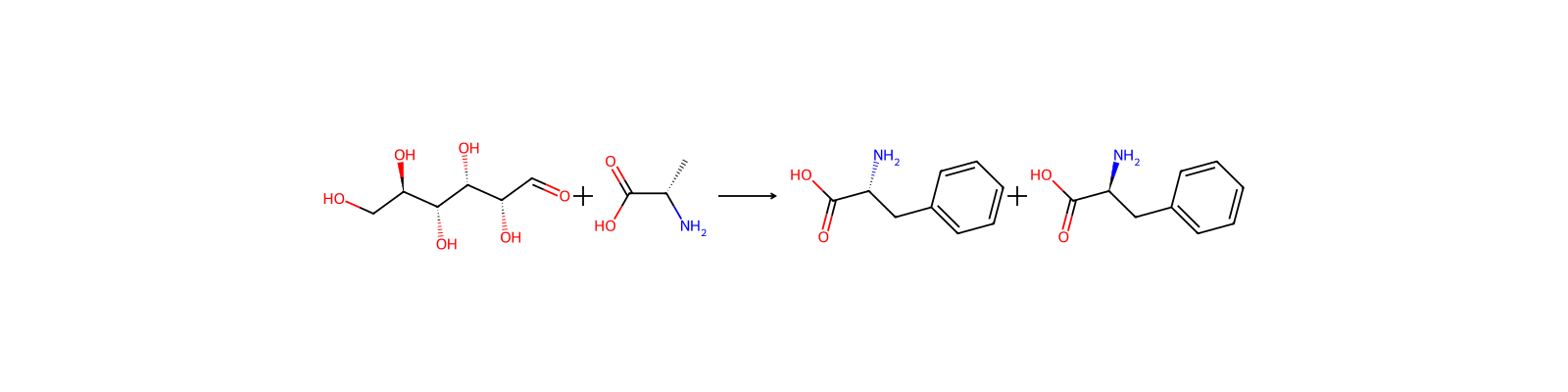
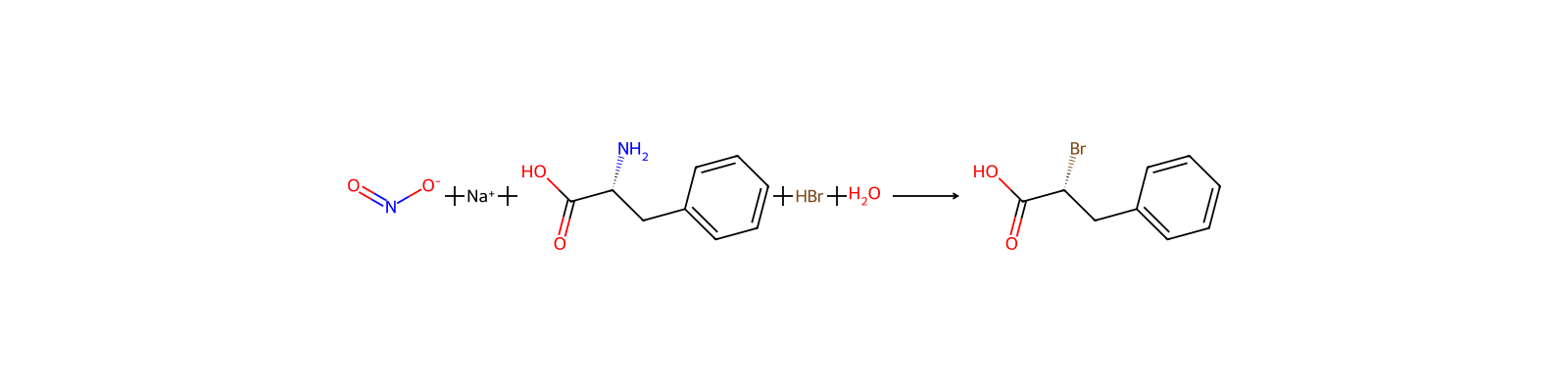
HRID 1957 반응식
HRID 1957생성물로uspto-grants-1998_03
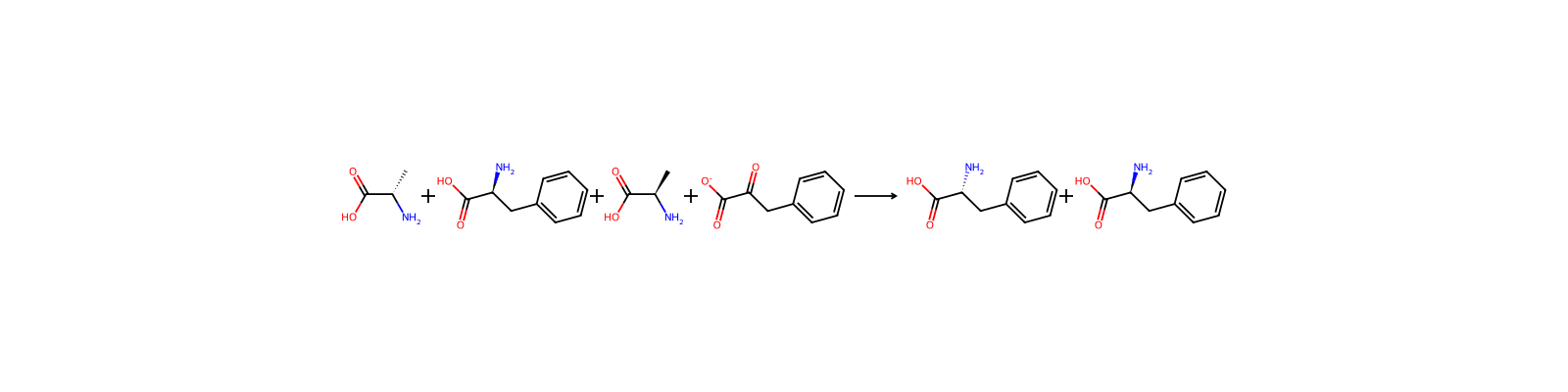
HRID 1958 반응식
HRID 1958생성물로uspto-grants-1998_03
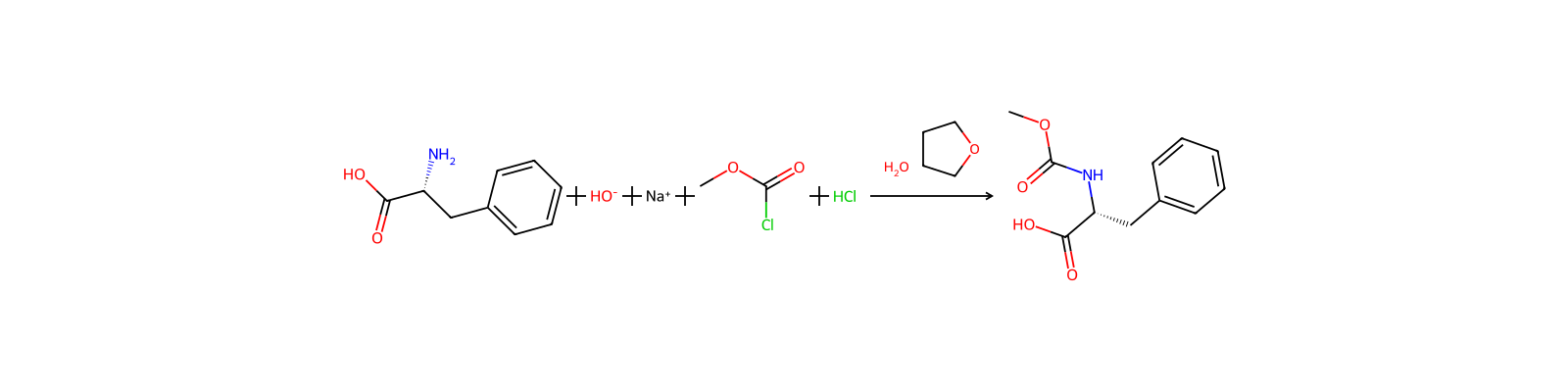
HRID 5924 반응식
HRID 5924반응물로uspto-grants-1993_09
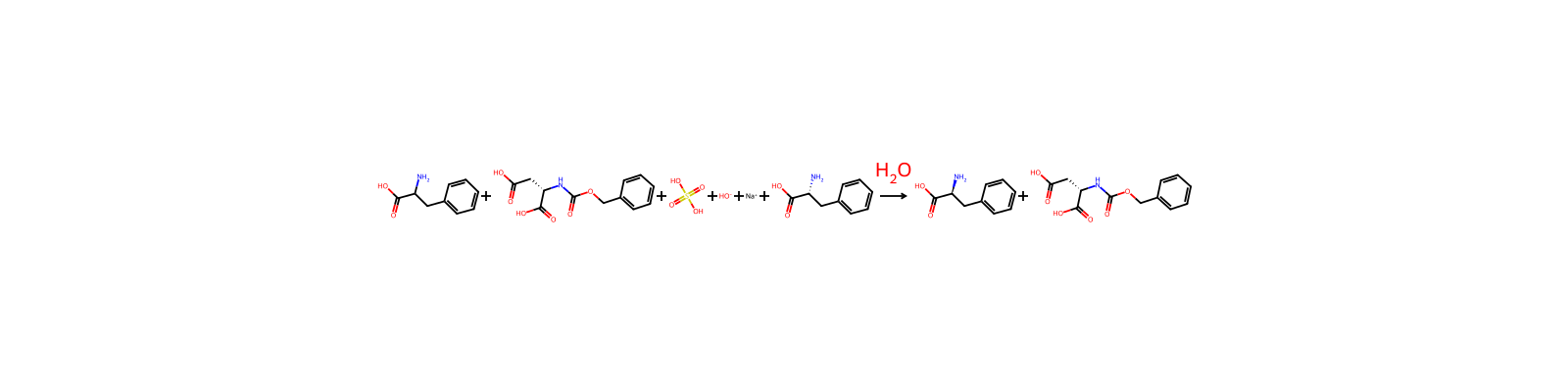
HRID 47149 반응식
HRID 47149반응물로uspto-grants-2004_03
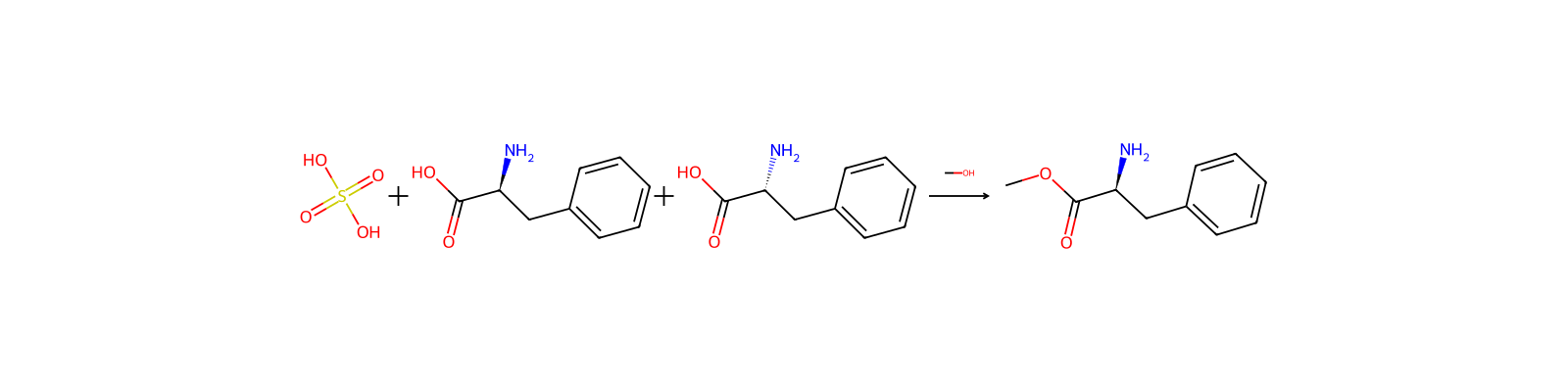
HRID 52750 반응식
HRID 52750반응물로uspto-grants-1997_04
HRID 64783 반응식
HRID 64783반응물로uspto-grants-1986_09
HRID 129245 반응식
HRID 129245반응물로uspto-grants-1995_11
HRID 233367 반응식
HRID 233367반응물로uspto-grants-1997_01
1 / 14 페이지

화합물 노트

불러오는 중…

이 페이지에서기본 정보이름 및 식별자물성안전 및 규제화학 및 산업관련 반응화합물 노트
더보기
새 노트새 반응견적 요청하기
산도 계수 (pKa)
2.2 · 2.2(at 25℃)
색상
흰색에서 황백색까지
수용성
27 g/L · 27 g/L (20 ºC)
Merck
14 · 14,7271
BRN
2804068 · 2804068
안정성
안정적인. 강한 산화제, 산, 염기와 호환되지 않습니다.
주요 응용
세포 분석
InChI
1S/C9H11NO2/c10-8(9(11)12)6-7-4-2-1-3-5-7/h1-5,8H,6,10H2,(H,11,12)/t8-/m1/s1
InChIKey
COLNVLDHVKWLRT-MRVPVSSYSA-N
SMILES
N[C@H](Cc1ccccc1)C(O)=O
LogP
0.235 · 0.235 (est)
EPA
D-Phenylalanine (673-06-3)

화학적 성질

White crystalline powder

Reactive Group
Salts, Acidic
Reactivity ProfileD-PHENYLALANINE may be light sensitive. This compound reacts with strong oxidizing agents, acids and bases. (NTP, 1992). It acts as a weak acid in solution.
Air and Water ReactionsWater soluble. Aqueous solutions are weakly acidic.
Hazard Classes and CategoriesSkin Irrit. 2 (13.3%);Eye Irrit. 2A (13.3%);STOT SE 3 (13.3%)

안전 및 보호

Fire FightingFires involving this compound can be controlled with a dry chemical, carbon dioxide or Halon extinguisher. (NTP, 1992)
First Aid · 1건

EYES: First check the victim for contact lenses and remove if present. Flush victim's eyes with water or normal saline solution for 20 to 30 minutes while simultaneously calling a hospital or poison control center. Do not put any ointments, oils, or medication in the victim's eyes without specific instructions from a physician. IMMEDIATELY transport the victim after flushing eyes to a hospital even if no symptoms (such as redness or irritation) develop.;SKIN: IMMEDIATELY flood affected skin with water while removing and isolating all contaminated clothing. Gently wash all affected skin areas thoroughly with soap and water. If symptoms such as redness or irritation develop, IMMEDIATELY call a physician and be prepared to transport the victim to a hospital for treatment.;INHALATION: IMMEDIATELY leave the contaminated area; take deep breaths of fresh air. If symptoms (such as wheezing, coughing, shortness of breath, or burning in the mouth, throat, or chest) develop, call a physician and be prepared to transport the victim to a hospital. Provide proper respiratory protection to rescuers entering an unknown atmosphere. Whenever possible, Self-Contained Breathing Apparatus (SCBA) should be used; if not available, use a level of protection greater than or equal to that advised under Protective Clothing.;INGESTION: DO NOT INDUCE VOMITING. If the victim is conscious and not convulsing, give 1 or 2 glasses of water to dilute the chemical and IMMEDIATELY call a hospital or poison control center. Be prepared to transport the victim to a hospital if advised by a physician. If the victim is convulsing or unconscious, do not give anything by mouth, ensure that the victim's airway is open and lay the victim on his/her side with the head lower than the body. DO NOT INDUCE VOMITING. IMMEDIATELY transport the victim to a hospital. (NTP, 1992)

Nonfire Spill Response · 1건

SMALL SPILLS AND LEAKAGE: If you spill this chemical, you should dampen the solid spill material with water, then transfer the dampened material to a suitable container. Use absorbent paper dampened with water to pick up any remaining material. Seal your contaminated clothing and the absorbent paper in a vapor-tight plastic bag for eventual disposal. Wash all contaminated surfaces with a soap and water solution. Do not reenter the contaminated area until the Safety Officer (or other responsible person) has verified that the area has been properly cleaned.;STORAGE PRECAUTIONS: You should protect this material from exposure to light, and store it in a refrigerator. (NTP, 1992)

Personal Protective Equipment (PPE) · 1건

RECOMMENDED RESPIRATOR: Where the neat test chemical is weighed and diluted, wear a NIOSH-approved half face respirator equipped with an organic vapor/acid gas cartridge (specific for organic vapors, HCl, acid gas and SO2) with a dust/mist filter.;RECOMMENDED GLOVE MATERIALS: Permeation data indicate that latex gloves may provide protection from contact with this compound. Latex over latex gloves is recommended. However, if this chemical makes direct contact with your gloves, or if a tear, hole or puncture develops, remove them at once. (NTP, 1992)

규제 정보

Regulatory Information · 2건

Status: Active Update: 17-07-2019 https://echa.europa.eu/registration-dossier/-/registered-dossier/22600

D-Phenylalanine: Does not have an individual approval but may be used as a component in a product covered by a group standard. It is not approved for use as a chemical in its own right.

안전 데이터

wgk
3
tsca
TSCA listed
rtecs
AY7533000
독성
TDLo orl-hmn: 500 mg/kg/5W-I:GIT JACTDZ 1(3),124,82
HS 번호
2922499990
risk_code
34
hazard_code
Xi,C
safety_code
24/25-45-36/37/39-27-26
위험 참고 사항
Irritant
스토리지 클래스
11 - Combustible Solids
H-D-Phe-OtBu HCl
2-([(4-클로로페닐)술포닐]아미노)-3-페닐프로판산
CU CPT 4a
(R)-N-메틸-1,2,3,4-테트라하이드로퀴놀린-3-aMine
추가 설명 · 1건

정의ChEBI: D-phenylalanine is the D-enantiomer of phenylalanine. It is a phenylalanine and a D-alpha-amino acid. It is a conjugate base of a D-phenylalaninium. It is a conjugate acid of a D-phenylalaninate. It is an enantiomer of a L-phenylalanine. It is a tautomer of a D-phenylalanine zwitterion.