

기본 정보
- 표준 SMILES
Oc1ccccc1Br- InChIKey
VADKRMSMGWJZCF-UHFFFAOYSA-N- 분자식
- C6H5BrO
- 평균 분자량
- 173.01 g/mol
- 단동위원소 질량
- 171.95237688
개요
2-bromophenol is a bromophenol. It has a role as a marine metabolite.
이름 및 식별자
- 우선 이름
- 2-Bromophenol
- IUPAC
- 2-bromophenol
- 영어명
- 2-Bromophenol
- 분자식
- C6H5BrO
- 분자량
- 173.0073
이름 및 동의어
2-BROMOPHENOL95-56-7o-BromophenolPhenol, 2-bromo-ortho-bromophenolDTXSID8052641A0UB206YF0NSC-6970DTXCID5031214RefChem:85892202-432-7BROMOPHENOL
이름 더 보기
2-Bromfenol2-Bromo-phenolPhenol, o-bromo-2-bromo phenolo-bromo-phenolMFCD00002146NSC 697032762-51-9
데이터베이스 식별자
- CAS
32762-51-9、95-56-7- PubChem CID
- 7244
- DTXSID
DTXSID8052641- ChEMBL
CHEMBL186007- ChEBI
CHEBI:34264- UNII
- A0UB206YF0
- EC Number
- 202-432-7、251-200-1
- Nikkaji
- J3.565C
물성
구조 계산 물성
- XLogP
- 2.4
- 극성 표면적
- 20.2 Ų
- 수소 결합 공여자 수
- 1
- 수소 결합 수용자 수
- 1
- 회전 가능 결합 수
- 0
- 무거운 원자 수
- 8
- 형식 전하
- 0
- 복잡도
- 74.9
실험 및 물리화학적 성질
Chemical ClassesOther Classes -> Phenols
DrugsPharmaceuticals -> Listed in ZINC15
SpringerMaterials Properties13C nuclear magnetic resonance spectrum
LogP
log Kow = 2.35
2.35
2.35
OdorUnpleasant
Density1.4924 g/cu cm at 20 °C
Color/FormYellow to red oily liquid
SolubilitySlightly soluble in chloroform; soluble in ethanol, ether, alkali
Flash Point107.6 °F (42 °C) closed cup
Boiling Point194.5 °C
Melting Point
5.6 °C
5.6 °C
Vapor Pressure0.03 [mmHg]
안전 및 규제
GHS 분류
GHS Classification
Warning
H226 (88.1%): Flammable liquid and vapor [Warning Flammable liquids]
P210, P233, P240, P241, P242, P243, P261, P264, P264+P265, P270, P271, P273, P280, P301+P317, P302+P352, P303+P361+P353, P304+P340, P305+P351+P338, P317, P319, P321, P330, P332+P317, P337+P317, P362+P364, P370+P378, P391, P403+P233, P403+P235, P405, and P501 (click each P-code to see the statement)
Aggregated GHS information provided per 59 reports by companies from 11 notifications to the ECHA C&L Inventory. Each notification may be associated with multiple companies.
Warning
H302 (100%): Harmful if swallowed [Warning Acute toxicity, oral]
유해성 정보
Regulatory Information
Chemical: Phenol, 2-bromo-
TP - indicates a substance that is the subject of a proposed TSCA section 4 test rule.
Phenol, 2-bromo-: Does not have an individual approval but may be used under an appropriate group standard
Hazards Summary
Nephrotoxicity observed in rats at high doses; [INCHEM CICADS] Causes other changes in urine composition, other changes of the kidney, and proteinuria in acute oral studies of rats; Causes tremor, convulsions, and muscle weakness in subcutaneous lethal-dose studies of guinea pigs; Causes delayed allergic hypersensitivity (multiple organ involvement) in 140-day intermittent inhalation studies of mice; [RTECS] A skin and strong eye irritant; Harmful by ingestion and skin absorption; [Alfa Aesar MSDS] See 2-Chlorophenol.
Special ReportsWHO; Concise International Chemical Assessment Document No 66, 2,4,6 Tribromophenol and other simple brominated phenols. Available at http://www.inchem.org/documents/cicads/cicads/cicad66.htm as of September 24, 2008.
Other Hazardous Reactions
Materials to Avoid: Acid chlorides, Acid anhydrides, Oxidizing agents.
Combustible (USA) Flammable (EU)
Hazard Classes and Categories
Flam. Liq. 3 (88.1%)
Acute Tox. 4 (100%)
Flammable liquids - Category 3
Skin, Eye, and Respiratory IrritationsIrritating to eyes, respiratory system and skin.
안전 및 보호
Fire Fighting Procedures
Protective Equipment: Wear self-contained breathing apparatus and protective clothing to prevent contact with skin and eyes. Specific Hazard(s): Emits toxic fumes under fire conditions. Combustible liquid.
Suitable: For small (incipient) fires, use media such as "alcohol" foam, dry chemical, or carbon dioxide. For large fires, apply water from as far as possible. Use very large quantities (flooding) of water applied as a mist or spray; solid streams of water may be ineffective. Cool all affected containers with flooding quantities of water.
Storage ConditionsMaterials to Avoid: Acid chlorides, Acid anhydrides, Oxidizing agents.
Cleanup Methods
Cover with dry lime or soda ash, pick up, keep in a closed container, and hold for waste disposal.
A comparative study of the adsorbents prepared from several industrial wastes for the removal of 2-bromophenol, 4-bromophenol and 2,4-dibromophenol has been carried out. The results show that maximum adsorption on carbonaceous adsorbent prepared from fertilizer industry waste has been found to be 40.7, 170.4 and 190.2 mg/g for 4-bromophenol 2-bromophenol and 2,4-dibromophenol, respectively. As compared to carbonaceous adsorbent, the other three adsorbents (viz., blast furnace sludge, dust, and slag) adsorb bromophenols to a much smaller extent. ... To test the practical utility of this adsorbent, column operations were also carried out. The results were found satisfactory in removing bromophenols by column operations. Therefore, the ... investigations recommend the use of carbon slurry waste as inexpensive adsorbent for small scale industries of developing/poor countries where disposal of solid waste of various industries and proper treatment of polluted wastewater is a serious problem.
Disposal Methods
SRP: The most favorable course of action is to use an alternative chemical product with less inherent propensity for occupational exposure or environmental contamination. Recycle any unused portion of the material for its approved use or return it to the manufacturer or supplier. Ultimate disposal of the chemical must consider: the material's impact on air quality; potential migration in soil or water; effects on animal, aquatic, and plant life; and conformance with environmental and public health regulations.
Contact a licensed professional waste disposal service to dispose of this material. This combustible material may be burned in a chemical incinerator equipped with an afterburner and scrubber. Observe all federal, state, and local environmental regulations.
Preventive Measures
SRP: The scientific literature for the use of contact lenses in industry is conflicting. The benefit or detrimental effects of wearing contact lenses depend not only upon the substance, but also on factors including the form of the substance, characteristics and duration of the exposure, the uses of other eye protection equipment, and the hygiene of the lenses. However, there may be individual substances whose irritating or corrosive properties are such that the wearing of contact lenses would be harmful to the eye. In those specific cases, contact lenses should not be worn. In any event, the usual eye protection equipment should be worn even when contact lenses are in place.
Do not breathe vapor. Avoid contact with eyes, skin, and clothing. Avoid prolonged or repeated exposure.
Wear respirator, chemical safety goggles, rubber boots, and heavy rubber gloves.
In case of contact, immediately flush eyes with copious amounts of water for at least 15 minutes.
For more Preventive Measures (Complete) data for 2-BROMOPHENOL (6 total), please visit the HSDB record page.
Personal Protective Equipment (PPE)
Use respirators and components tested and approved under appropriate government standards such as NIOSH (US) or CEN (EU). Where risk assessment shows air-purifying respirators are appropriate use a full-face respirator with multi-purpose combination (US) or type ABEK (EN 14387) respirator cartridges as a backup to engineering controls. If the respirator is the sole means of protection, use a full-face supplied air respirator. Hand: Compatible chemical-resistant gloves. Eye: Chemical safety goggles.
ENGINEERING CONTROLS: Use only in a chemical fume hood. Safety shower and eye bath.
독성 정보
Ecotoxicity Values
EC50; Species: Scenedesmus subspicatus (Green algae, log growth phase); Conditions: freshwater, static, 24 °C, pH 8.0-9.3; Concentration: 60000 ug/L for 48 hr; Effect: decreased population biomass /formulated product/
EC50; Species: Scenedesmus subspicatus (Green algae, log growth phase); Conditions: freshwater, static, 24 °C, pH 8.0-9.3; Concentration: 110000 ug/L for 48 hr; Effect: population changes, general /formulated product/
EC50; Species: Daphnia magna (Water flea); Conditions: freshwater, renewal, 25 °C, pH >7; Concentration: 13000 ug/L for 24 hr; Effect: behavior, equilibrium /formulated product/
EC50; Species: Daphnia magna (Water flea, age < or =24 hr); Conditions: freshwater, static, 25 °C, pH >7.0, dissolved oxygen > or =58%; Concentration: 13000 ug/L for 24 hr; Effect: intoxication, immobilization /formulated product/
For more Ecotoxicity Values (Complete) data for 2-BROMOPHENOL (6 total), please visit the HSDB record page.
Environmental Fate
TERRESTRIAL FATE: Based on a classification scheme(1), an estimated Koc value of 450(SRC), determined from a log Kow of 2.35(2) and a regression-derived equation(3), indicates that 2-bromophenol is expected to have moderate mobility in soil(SRC). The pKa of 2-bromophenol is 8.45(4), indicating that this compound will partially exist in the anion in the environment and anions generally do not adsorb more strongly to soils containing organic carbon and clay than their neutral counterparts(5). Volatilization of 2-bormophenol from moist soil surfaces is not expected to be an important fate process(SRC) given an estimated Henry's Law constant of 2.2X10⁻⁷ atm-cu m/mole(SRC), using a fragment constant estimation method(6). 2-Bromophenol is not expected to volatilize from dry soil surfaces(SRC) based upon an estimated vapor pressure of 3.7X10⁻² mm Hg(SRC), determined from a fragment constant method(7). A theoretical BOD of 0% using activated sludge in the Japanese MITI test(8) suggests that biodegradation is not an important environmental fate process in soil(SRC).
AQUATIC FATE: Based on a classification scheme(1), an estimated Koc value of 450(SRC), determined from a log Kow of 2.35(2) indicates that 2-bromophenol is expected to adsorb to suspended solids and sediment(SRC). Volatilization from water surfaces is not expected(3) based upon an estimated Henry's Law constant of 2.2X10⁻⁷ atm-cu m/mole(SRC), developed using a fragment constant estimation method(4). According to a classification scheme(5), an experimentally derived BCF of 20-33(6) suggests the potential for bioconcentration in aquatic organisms is low to moderate(SRC). A theoretical BOD of 0% using activated sludge in the Japanese MITI test(6) suggests that biodegradation is not an important environmental fate process in water(SRC).
ATMOSPHERIC FATE: According to a model of gas/particle partitioning of semivolatile organic compounds in the atmosphere(1), 2-bromophenol, which has an estimated vapor pressure of 3.7X10⁻² mm Hg at 25 °C(SRC), determined from a fragment constant method(2), is expected to exist solely as a vapor in the ambient atmosphere. Vapor-phase 2-bromophenol is degraded in the atmosphere by reaction with photochemically-produced hydroxyl radicals(SRC); the half-life for this reaction in air is estimated to be 1.7 days(SRC), calculated from its rate constant of 9.7X10⁻¹² cu cm/molecule-sec at 25 °C(SRC) that was derived using a structure estimation method(3). 2-Bromophenol does not contain chromophores that absorb at wavelengths >290 nm(4) and therefore is not expected to be susceptible to direct photolysis by sunlight(SRC).
Toxicity Summary
IDENTIFICATION AND USE: 2-Bromophenol is used as a precursor to resorcinol. It is a yellow to red oily liquid with an unpleasant odor. It is slightly soluble in chloroform; soluble in ethanol, ether, alkali, and water. HUMAN EXPOSURE AND TOXICITY: It is harmful if swallowed.2-Bromophenol causes skin irritation. It may be harmful if absorbed through the skin. Causes eye irritation and is irritating to mucous membranes and the upper respiratory tract. Occupational exposure to this chemical may occur through inhalation, and dermal contact with these compounds at workplaces where these chemicals are produced or used. Monitoring data indicate that the general population may be exposed to bromophenols by inhalation, ingestion of food, and drinking water, and dermal contact. In an in vitro assay based on H295R human adrenocortical carcinoma cell line, which possesses most key genes or enzymes involved in steroidogenesis, of five bromophenols. Among the genes tested, 3betaHSD2 was the most markedly upregulated, with a range of magnitude from 1.6-20.0 fold. The results demonstrate that bromophenol bromobiphenyls and bromodibenzo-p-dioxin/furan are able to modulate steroidgenenic gene expression, which may lead to endocrine disruption. ANIMAL STUDIES: 2-Bromophenol administered ip caused a decrease in renal glutathione levels. In contrast, hepatic glutathione levels remained close to control values after chemical administration. Renal glutathione was far more susceptible to the initial rapid depleting effects of 2-bromophenol than was hepatic glutathione, the dose response curve for hepatic glutathione depletion being shifted to the right. 2-Bromophenol was found to be hepatotoxic in English sole, as indicated by the presence of hepatocellular coagulation necrosis and fatty change in the liver, altered glutathione and ascorbic acid levels in liver tissue, elevated serum aspartate aminotransferase and alkaline phosphatase activity and increased serum glucose and triglyceride levels. No evidence of nephrotoxicity was found in English sole exposed to either toxicant
Ecotoxicity Excerpts
/AQUATIC SPECIES/ English sole (Parophrys vetulus) were injected intraperitoneally with a single dose of 9.8 mmol bromobenzene/kg of fish or 1.9 mmol o-bromophenol/kg of fish, both known renal toxicants in mammals. Kidney, liver, gill spleen, intestines, heart and blood samples were subsequently obtained up to 48 hr post-injection for determination of microscopic lesions, concentrations of selected tissue antioxidants (glutathione and ascorbic acid), and selected serum parameters. Bromobenzene and o-bromophenol were both found to be hepatotoxic in English sole, as indicated by the presence of hepatocellular coagulation necrosis and fatty change in the liver, altered glutathione and ascorbic acid levels in liver tissue, elevated serum aspartate aminotransferase and alkaline phosphatase activity and increased serum glucose and triglyceride levels. No evidence of nephrotoxicity was found in English sole exposed to either toxicant...
Plant ConcentrationsConcentrations of 2-bromophenol were measured in brown algae (0.62 to 17 ug/kg wet weight), red algae (0.36 to 12 ug/kg), bryozoa (1.3 and 2.4 ug/kg) and a hydroid (2.2 ug/kg) collected from Exmouth Gulf, Australia, in October 1990(1).
Animal ConcentrationsConcentrations of 2-bromophenol were measured in sponges (0.24 to 5.8 ug/kg) collected from Exmouth Gulf, Australia, in October 1990(1).
Effluent Concentrations
The raw flue gas from a Swedish hazardous waste incinerator, located at Norrtorp, and fed chlorinated (mainly solvents) and brominated waste (tetrabutylammonium bromide) contained 3-bromophenol at 24, 230, and 31 ng/cu m over three tests, respectively; bromides were present initially at 32, 1100, and 530 mg/cu m, respectively(1).
2-Bromophenol was identified in automotive emissions in the range of 1 to 5 ug/cu m(1). 2-Bromophenol was indentified in industrial wastewater samples from photographic industries at 24 ng/uL(2). The raw flue gas from a Swedish hazardous waste incinerator, located at Norrtorp, and fed chlorinated (mainly solvents) and brominated waste (tetrabutylammonium bromide) contained 2-bromophenol at 36, 110, and 16 ng/cu m over three tests, respectively; bromides were present initially at 32, 1100, and 530 mg/cu m, respectively(3).
Soil Adsorption/Mobility
The Koc of 2-bromophenol is estimated as 450(SRC), using a log Kow of 2.35(1) and a regression-derived equation(2). According to a classification scheme(3), this estimated Koc value suggests that 2-bromophenol is expected to have moderate mobility in soil. The pKa of 2-bromophenol is 8.45(4) indicating that this compound will partially exist in the anion form in the environment and anions generally do not adsorb more strongly to soils containing organic carbon and clay than their neutral counterparts(5).
Natural Pollution SourcesStudies indicate that there is a wide occurrence of bromophenols, including 2-bromophenol, in marine algae which provides a possible source of such compounds in fish that feed predominantly on ocean plants(1).
Human Toxicity Excerpts
/SIGNS AND SYMPTOMS/ Causes skin irritation. May be harmful if absorbed through the skin. Causes eye irritation. Inhalation: May be harmful if inhaled. Material is irritating to mucous membranes and upper respiratory tract. Harmful if swallowed. TARGET ORGAN(S) OR SYSTEM(S) Eyes. Depending on the intensity and duration of exposure, effects may vary from mild irritation to severe destruction of tissue.
Fish/Seafood Concentrations
Endeavour prawns from Exmouth Gulf, Shark Bay, and Groote Elylandt, Australia, contained 2-bromophenol at concentrations of 9.6 to 53, 2.7, and 1.0 ug/kg, respectively(1). Ten different species of fish, collected in August 1992 from the eastern coast of Australia, contained 2-bromophenol at concentrations of <0.05 to 0.1 ng/g for the carcass and <0.05 to 5.2 ng/g for the whole gut (analysis of single fish from each species)(2). Ocean fish were separated by species into pelagic carnivores, benthic carnivores, diverse omnivores and restricted omnivores; concentrations in the flesh ranged from <0.01 to 0.1 ng/g, <0.01 to 5.2 ng/g, <0.01 to 0.4, and <0.01 to 0.1 ng/g, respectively, while concentrations in the gut ranged from <0.01 to 0.2 ng/g, <0.01 to 27 ng/g, <0.01 to 1.2 ng/g, and <0.01 to 0.7 ng/g, respectively(3). Thirty samples of 9 species of prawns, collected from the eastern coast of Australia from 1993 to 1996, contained 2-bromophenol at concentrations of <0.01 to 42 ng/g(4). 2-Bromophenol concentrations in cultivated prawns ranged from <0.01 to 0.02 ng/g in the head and <0.01 to 0.01 ng/g in the tail(4). 2-Bromophenol was detected in marine fish, mollusks, and crustaceans obtained from a seafood shop in Hong Kong. Seasonal concentrations in the flesh of rabbitfish (Siganus canaliculatus) and brown-spotted grouper (Epinepheus areolatus) ranged from 0 to 10.7 ng/g and 0 to 4.18 ng/g, respectively; in the gut, concentrations ranged from 0 to 30.8 ng/g and 0 to 17.5 ng/g, respectively. In the mullusks, including clams (Tapes philippinarum) and oysters (Ostrea rivularis), seasonal concentrations ranged from 0.170 to 17.2 ng/g and 1.85 to 6.10 ng/g, respectively. For crustaceans, seasonal concentrations in the cephalothorax and tail of the shrimp (Penaeus japonicus) ranged from 1.27 to 7.72 ng/g and 0.421 to 5.87 ng/g, respectively; in crab (Charybdis feriatus), concentrations ranged from 0.991 to 34.4 ng/g(5).
Artificial Pollution Sources2-Bromophenol's production and use as a precursor to resorcinol(1) may result in its release to the environment through various waste streams(SRC).
화학 및 산업
약리 정보
Metabolism/Metabolites
2-Bromohydroquinone was identified as a metabolite of both bromobenzene and o-bromophenol in the rat in vivo and in vitro. Identification was based on high-pressure liquid chromatography and gas chromatography-mass spectrometry. Formation of 2-bromohydroquinone by rat liver microsomes from both bromobenzene and o-bromophenol was increased by treatment of rats with either phenobarbital or 3-methylcholanthrene. Covalent binding of o-bromophenol to rat liver microsomes was inhibited by glutathione and ascorbate but not by superoxide dismutase or catalase. Liver microsomes converted o-bromophenol to 2-bromohydroquinone and covalently bound material, whereas kidney and lung microsomes metabolized o-bromophenol less rapidly.
p-Bromophenol and o-bromophenol were the major urinary phenolic bromobenzene metabolites although m-bromophenol and 4-bromocatechol were also excreted in detectable quantities. With the exception of o-bromophenol, urinary metabolites were excreted primarily as conjugates.
Incubation of either o-bromophenol or 2-bromohydroquinone with rat liver microsomes and 0.25 mM 35S-glutathione (GSH) gave rise to several isomeric 35S-GSH conjugates. A mixture of these isomeric GSH conjugates was prepared chemically and two were purified by HPLC; 1H-NMR spectroscopy revealed that one was 2-bromo-3-(glutathion-S-yl)hydroquinone and the other was a disubstituted GSH conjugate which could be either 2-bromo-3,5-(diglutathion-S-yl)hydroquinone or 2-bromo-3,6-(diglutathion-S-yl)hydroquinone. Injection of the disubstituted GSH conjugate intravenously to rats caused substantial elevations in blood urea nitrogen levels. Treatment of rats with AT-125 (Acivicin; NSC 163501; 10 mg/kg ip) caused a substantial inhibition of kidney gamma-glutamyl transpeptidase activity and decreased 2-bromohydroquinone-mediated elevations in blood urea nitrogen. These findings are consistent with the view that the kidney necrosis observed after administration of either bromobenzene (1), o-bromophenol (2), or 2-bromohydroquinone (3) might be due in part to 2-bromohydroquinone GSH conjugates formed in the liver and subsequently transported to the kidney and converted to ultimate nephrotoxic metabolite(s).
4-Bromocatechol and the /o-, m- and p-/ bromophenol isomers were nephrotoxicants (measured as increased blood urea nitrogen and decreased accumulation of organic anions by renal cortical slices) but not hepatotoxicants (measured as serum glutamic pyruvate transaminase) in vivo at 0.56 mmol/kg (iv).
2-bromophenol (2-(BP)), 3-BP, and 4-BP can all be formed during the metabolism of bromobenzene in both rats and guinea-pigs. 2-BP is formed predominantly by spontaneous isomerization of the 2,3-oxide. 3-BP is formed via the sulfur-series pathway to phenols, which involves the enterohepatic circulation, with the key intermediate being S-(2-hydroxy-4-bromocyclohexa-3,5-dienyl)-L-cysteine, derived from the 4-S-glutathione conjugate of the 3,4-oxide. 4-BP is formed by the sulfur-series route from the S-(2-hydroxy-5-bromocyclohexa-3,5-dienyl)-L-cysteine. Additional suggested in vivo routes to 3- and 4-BP involve dehydration/aromatization of the 3,4-dihydro-3,4-diol, possibly by way of conjugates.
Cellular LocationsCytoplasm
용도 및 제조
Uses
Used as a precursor to resorcinol; [HSDB]
Precursor to resorcinol
Methods of ManufacturingOrganic bromine compounds can be produced by a number of different chemical reactions; however, addition and substitution reactions are the methods most commonly employed in industrial processes. /Organic bromine compounds/
General Manufacturing Information
Phenol, 2-bromo-: ACTIVE
Phenol, bromo-: INACTIVE
공급사50 곳
梯希爱(上海)化成工业发展有限公司021-67121386 · [email protected]
衢州润东化工有限公司0570-8789886 18892685668 · [email protected]
上海阿拉丁生化科技股份有限公司400-6206333 13167063860 · [email protected]
邹平创新药业有限公司13561560789 · [email protected]
T&W GROUP021-61551611 13296011611 · [email protected]
爱斯特(成都)生物制药股份有限公司+86-28-85122536 85324413 · [email protected]
科瑞迪化学400-821-5857 021-64326257 · [email protected]
Syntechem Co.,Ltd[email protected]
上海迈瑞尔生化科技有限公司4006356688 18621169109 · [email protected]
宁波亿诺化学品有限公司86-574-27787657 · [email protected]
阿法埃莎(中国)化学有限公司400-6106006 · [email protected]
太原市瑞和丰科贸有限公司+86 351 7031519 · [email protected]
安耐吉化学&3A(安徽泽升科技股份有限公司)400-0056266 · [email protected]
武汉凯威斯科技有限公司86-027-67849912 · [email protected]
上海瀚鸿科技股份有限公司021-54306202 13764082696 · [email protected]
上海景颜化工科技有限公司13817811078 · [email protected]
嘉兴市艾森化工有限公司0573-85285100 18627885956 · [email protected]
Pure Chemistry Scientific Inc.001-857-928-2050 or 1-888-588-9418 · [email protected]
苏州施亚生物科技有限公司86(512)5235 8471 17715136450 · [email protected]
山东西亚化学有限公司13355009207 13355009207 · [email protected]
玛雅试剂+86 (573) 82222445 (0)18006601000 452520369 · [email protected]
四川库利南科技有限公司400-1166-196 18981987031 · [email protected]
天津希恩思生化科技有限公司400 638 7771 · [email protected]
天津佶品佳化工科技有限公司18622448868 · [email protected]
南京维奥化工有限公司Please Send Email 18652950785 · [email protected]
艾科试剂4008-755-333 18080918076 · [email protected]
上海思域化工科技有限公司86-21-34053660 · [email protected]
苏州思变化学技术有限公司0512-65617459 18915409046 · [email protected]
上海骏晔化工有限公司021-021-50318666 18516602538 · [email protected]
赛默飞世尔科技(中国)有限公司800-810-5118 · [email protected]
北京伊诺凯科技有限公司400-810-7969 010-59572699 · [email protected]
上海特伯化学科技有限公司+86-21-60341587 · [email protected]
南京诺利斯医药科技有限公司13901585132 · [email protected]
TCI AMERICA800-4238616 · [email protected]
TOKYO CHEMICAL INDUSTRY CO., LTD.03-36680489 · [email protected]
TCI Europe320-37350700 · [email protected]
上海贤鼎生物科技有限公司4009209199 · [email protected]
深圳康特腾科技有限公司86-0755-86635001 · [email protected]
越林试剂021-62960152 · [email protected]
常州中集化工有限公司0519-85156279-811,812 · [email protected]
北京环宇世纪化学科技有限公司hysj_bj.com
上海湄水化工科技有限公司021-60549325 18616193163
安徽科迪达化工有限公司0554-2106669 · [email protected]
HBCChem, Inc.+1-510-219-6317 · [email protected]
日照力德士化工有限公司010-51268198 · [email protected]
美岚实业(上海)有限公司021-58958189 · [email protected]
上海石洋化工有限公司021-56795766 · [email protected]
上海爱蝶实业有限公司021-58957966 18930537195 · [email protected]
成都零六生物科技有限公司400-1166-196 13458535857 · [email protected]
广拓化学(上海)有限公司021-60899189-8001 18918189673 · [email protected]
관련 반응
291건


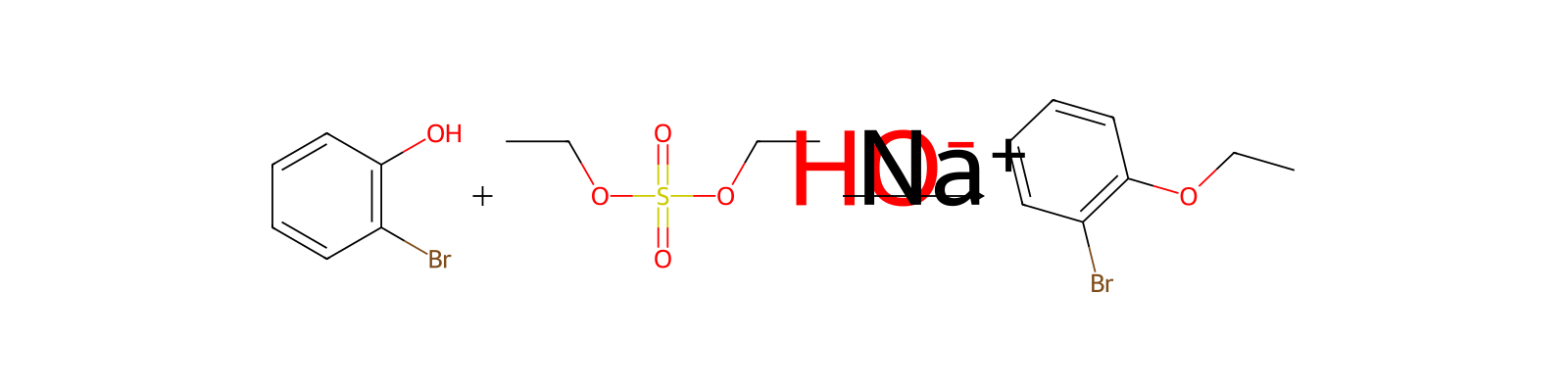


연결된 노트
불러오는 중…