

기본 정보
- 표준 SMILES
CCOC(=O)C(=O)OCC- InChIKey
WYACBZDAHNBPPB-UHFFFAOYSA-N- 분자식
- C6H10O4
- 평균 분자량
- 146.14 g/mol
- 단동위원소 질량
- 146.0579088
개요
Ethyl oxalate appears as a colorless liquid. Slightly denser than water and insoluble in water. Hence sinks in water. May irritate skin and mucous membranes; may be mildly toxic by ingestion; may emit irritating fumes in a fire. Vapors are much heavier than air. Used as a solvent for plastics and in the manufacture of perfumes and pharmaceuticals.
이름 및 식별자
- 우선 이름
- Diethyl Oxalate
- IUPAC
- diethyl oxalate
- 현지명
- 옥살산디에틸
- 영어명
- Diethyl oxalate
- 분자식
- C6H10O4
- 분자량
- 146.14
이름 및 동의어
DIETHYL OXALATE95-92-1Ethyl oxalateOxalic etherEthyl oxalate (VAN)NSC 8851Diethylester kyseliny staveloveDTXSID2044472HSDB 2131EINECS 202-464-1UNII-860M3ZWF6JDiethyl ester of oxalic acid
이름 더 보기
다이에틸옥살레이트디에틸옥살산옥살산디에틸디에틸옥살산다이에틸 옥살레이트디에틸옥살레이트OXALIC ACID DIETHYL ESTERDEOiethyl oxalateCeftriaxone Impurity 5GKSWoxalicetherEthyIoxalateDiethyl oxate
UN2525Diethylester kyseliny stavelove [Czech]BRN 0606350860M3ZWF6JETHYL OXOLATENSC-8851C2H5OCOCOOC2H5Ethanedioic acid, 1,2-diethyl ester
데이터베이스 식별자
- CAS
95-92-1- PubChem CID
- 7268
- DTXSID
DTXSID2044472- ChEMBL
CHEMBL3183226- UNII
- 860M3ZWF6J
- EC Number
- 202-464-1
- Nikkaji
- J43.379I
물성
구조 계산 물성
- XLogP
- 0.6
- 극성 표면적
- 52.6 Ų
- 수소 결합 공여자 수
- 0
- 수소 결합 수용자 수
- 4
- 회전 가능 결합 수
- 5
- 무거운 원자 수
- 10
- 형식 전하
- 0
- 복잡도
- 114
실험 및 물리화학적 성질
Chemical Classes
Other Classes -> Esters, Other
Flammable agents - 2nd degree
CosmeticsChelating; Plasticiser; Hair conditioning
SpringerMaterials PropertiesBoiling point
LogP0.56
OdorAROMATIC ODOR
Food AdditivesFood
Density
1.0785 @ 20 °C/4 °C
1.079 @ 20°C
Flavoring AgentsEU Flavoring substances
Color/FormCOLORLESS, OILY LIQUID
Solubility
SPARINGLY SOL IN WATER WHICH DECOMP IT GRADUALLY; MISCIBLE WITH USUAL ORG SOLVENTS
SOL IN ALL PROPORTIONS IN ALCOHOL, ETHER, ACETONE
MISCIBLE WITH ETHYL ACETATE
Flash Point
168 °F (NFPA, 2010)
168 °F CC
Boiling Point
185.7 °C @ 760 MM HG
185.4 °C @760 [mm Hg]
물리화학적 성질
- 녹는점
- -41 °C · -41 °C (lit.)
- 끓는 점
- 185 °C · 185 °C (lit.)
- 밀도
- 1.076 g/mL · 1.076 g/mL at 25 °C (lit.)
- 증기 밀도
- 5.03 · 5.03 (vs air)
- 증기압
- 1 mm · 1 mm Hg ( 47 °C)
- 굴절률
- 20 · n20/D 1.410(lit.)
- 인화점
- 168 °F · 168 °F
- 저장 조건
- 30 °C · Store below +30°C.
- 용해도
- 알코올, 에테르 및 기타 일반적인 유기 용매와 섞일 수 있습니다.
- 물리적 상태
- 액체
- 색상
- 투명한
- 폭발한계
- 0.42 · 0.42-2.67%(V)
- 수용성
- 분해될 수 있음
- Merck
- 14 · 14,3125
- BRN
- 606350 · 606350
- Henry's Law Constant
- 4.5 · 4.5×100 mol/(m3Pa) at 25℃, Duchowicz et al. (2020)
- Dielectric constant
- 8.2 · 8.2(21℃)
- 안정성
- 안정적이지만 습기에 민감합니다. 강한 산화제와 호환되지 않습니다.
- 화장품 원료 기능
- 킬레이팅가소제향기헤어 컨디셔닝용제
- InChI
- 1S/C6H10O4/c1-3-9-5(7)6(8)10-4-2/h3-4H2,1-2H3
- InChIKey
- WYACBZDAHNBPPB-UHFFFAOYSA-N
- SMILES
- CCOC(=O)C(=O)OCC
- LogP
- 0.56 · 0.560
- NIST
- Ethanedioic acid, diethyl ester(95-92-1)
- EPA
- Ethyl oxalate (95-92-1)
화학적 성질
A colourless, oily liquid with an aromatic odour. It is miscible with ethanol, ether, acetone, and other common organic solvents, but only slightly soluble in water.
안전 및 규제
GHS 분류
GHS Classification
Warning
H302: Harmful if swallowed [Warning Acute toxicity, oral]
P264, P264+P265, P270, P280, P301+P317, P305+P351+P338, P330, P337+P317, and P501 (click each P-code to see the statement)
Danger
H302 (100%): Harmful if swallowed [Warning Acute toxicity, oral]
P260, P264, P264+P265, P270, P280, P301+P317, P301+P330+P331, P302+P361+P354, P304+P340, P305+P351+P338, P305+P354+P338, P316, P319, P321, P330, P337+P317, P363, P405, and P501 (click each P-code to see the statement)
유해성 정보
Regulatory Information
Chemical: Ethanedioic acid, diethyl ester
Commission Regulation (EC) No 1565/2000 (Repealed by Com. Implementing Reg. (EU) No 872/2012)
Ethanedioic acid, 1,2-diethyl ester is listed on the EPA's Chemical Data Reporting (CDR) system. Manufacturers and importers of Ethanedioic acid, 1,2-diethyl ester are required to report information about their production and use of this chemical to the EPA under the Toxic Substances Control Act (TSCA). (40 eCFR Part 711)
Status: Active Update: 28-02-2022 https://echa.europa.eu/registration-dossier/-/registered-dossier/14261
Diethyl oxalate: Does not have an individual approval but may be used under an appropriate group standard
The New Jersey Worker and Community Right to Know Act requires public and private employers to provide information about hazardous substances at their workplaces. (N.J.S.A. 34:5A-1 et. seq.)
Other Safety InformationIMAP assessments - Oxalate esters (C1-C4): Human health tier II assessment
DOT LabelPoison
Fire Hazards
Excerpt from ERG Guide 156 [Substances - Toxic and/or Corrosive (Combustible / Water-Sensitive)]:
· Combustible material: may burn but does not ignite readily.
Fire Potential
MODERATE WHEN EXPOSED TO HEAT OR FLAME
THIS ESTER IS A COMBUSTIBLE LIQ, BUT IT DOES NOT PRODUCE A FLAMMABLE CONCN OF VAPOR @ ROOM TEMP.
SOME ESTERS WITH HIGHER FLASH POINTS, LIKE...ETHYL OXALATE, ARE NOT SO DANGEROUS AT ROOM TEMP. THEY ARE NEVERTHELESS READILY IGNITED AS FLAMMABLE LIQ, & SOURCE OF IGNITION MUST NOT BE ALLOWED TO COME IN CONTACT WITH THEM.
Health Hazards
Excerpt from ERG Guide 156 [Substances - Toxic and/or Corrosive (Combustible / Water-Sensitive)]:
· TOXIC and/or CORROSIVE; inhalation, ingestion or contact (skin, eyes) with vapors, dusts or substance may cause severe injury, burns or death.
Hazards SummaryA strong skin and mucous membrane irritant; [Hawley] An eye irritant; [eChemPortal: ERMA; ESIS] An irritant; [MSDSonline]
DOT ID and Guide2525 156
Reactive GroupEsters, Sulfate Esters, Phosphate Esters, Thiophosphate Esters, and Borate Esters
Reactivity Profile
ETHYL OXALATE is an ester. Esters react with acids to liberate heat along with alcohols and acids. Strong oxidizing acids may cause a vigorous reaction that is sufficiently exothermic to ignite the reaction products. Heat is also generated by the interaction of esters with caustic solutions. Flammable hydrogen is generated by mixing esters with alkali metals and hydrides
DOT Emergency Guidelines
/GUIDE 156: SUBSTANCES - TOXIC AND/OR CORROSIVE (COMBUSTIBLE/WATER-SENSITIVE)/ Fire or Explosion: Combustible material: may burn but does not ignite readily. Substance will react with water (some violently) releasing flammable, toxic or corrosive gases and runoff. When heated, vapors may form explosive mixtures with air: indoors, outdoors and sewers explosion hazards. Most vapors are heavier than air. They will spread along ground and collect in low or confined areas (sewers, basements, tanks). Vapors may travel to source of ignition and flash back. Contact with metals may evolve flammable hydrogen gas. Containers may explode when heated or if contaminated with water.
/GUIDE 156: SUBSTANCES - TOXIC AND/OR CORROSIVE (COMBUSTIBLE/WATER-SENSITIVE)/ Health: TOXIC; inhalation, ingestion or contact (skin, eyes) with vapors, dusts or substance may cause severe injury, burns or death. Contact with molten substance may cause severe burns to skin and eyes. Reaction with water or moist air will release toxic, corrosive or flammable gases. Reaction with water may generate much heat which will increase the concentration of fumes in the air. Fire will produce irritating, corrosive and/or toxic gases. Runoff from fire control or dilution water may be corrosive and/or toxic and cause pollution.
/GUIDE 156: SUBSTANCES - TOXIC AND/OR CORROSIVE (COMBUSTIBLE/WATER-SENSITIVE)/ Public Safety: CALL Emergency Response Telephone Number ... . As an immediate precautionary measure, isolate spill or leak area in all directions for at least 50 meters (150 feet) for liquids and at least 25 meters (75 feet) for solids. Keep unauthorized personnel away. Stay upwind. Keep out of low areas. Ventilate enclosed areas.
/GUIDE 156: SUBSTANCES - TOXIC AND/OR CORROSIVE (COMBUSTIBLE/WATER-SENSITIVE)/ Protective Clothing: Wear positive pressure self-contained breathing apparatus (SCBA). Wear chemical protective clothing that is specifically recommended by the manufacturer. It may provide little or no thermal protection. Structural firefighters' protective clothing provides limited protection in fire situations ONLY; it is not effective in spill situations where direct contact with the substance is possible.
For more DOT Emergency Guidelines (Complete) data for DIETHYL OXALATE (8 total), please visit the HSDB record page.
DOT Hazard Classification
Ethyl oxalate
UN2525
Div 6.1 Poisonous materials (49 eCFR § 173.132)
PG III: the degree of danger presented by the material is minor
안전 및 보호
Fire FightingExcerpt from ERG Guide 156 [Substances - Toxic and/or Corrosive (Combustible / Water-Sensitive)]:
Accidental Release Measures
· CALL 911. Then call emergency response telephone number on shipping paper. If shipping paper not available or no answer, refer to appropriate telephone number listed on the inside back cover.
· ELIMINATE all ignition sources (no smoking, flares, sparks or flames) from immediate area.
First Aid
Excerpt from ERG Guide 156 [Substances - Toxic and/or Corrosive (Combustible / Water-Sensitive)]:
General First Aid:
Exposure Control and Personal Protection· Wear positive pressure self-contained breathing apparatus (SCBA).
Fire Fighting ProceduresFOAM, CARBON DIOXIDE, DRY CHEMICAL
Storage Conditions
STORAGE TANKS CONTAINING FLAMMABLE ESTERS SHOULD BE SITUATED IN MOUNDED COMPOUND CONSTRUCTED TO RETAIN MAX QUANTITY OF LIQ THAT COULD ESCAPE FROM TANKS. /ESTERS/
...DRUMS & OTHER SMALLER RECEPTACLES CONTAINING ESTERS SHOULD BE KEPT IN /FIRE RESISTANT/ STOREROOM...WITH MOUNDED OR RAMPED DOORWAY TO PREVENT ESCAPE OF SPILLED LIQ. /ESTERS/
Nonfire Spill ResponseExcerpt from ERG Guide 156 [Substances - Toxic and/or Corrosive (Combustible / Water-Sensitive)]:
Preventive Measures
...PROVISION SHOULD BE MADE FOR REMOVAL OF VAPORS AS THEY ARE EVOLVED &...HEATING SHOULD NOT BE SUCH AS TO EXPOSE VAPOR TO OPEN FLAME. /ESTERS/
BEFORE HEAT (EG IN FORM OF WELDING OR CUTTING FLAME) IS USED TO CUT OR REPAIR A VESSEL THAT HAS CONTAINED ORGANIC ESTER, ANY SLUDGE...MUST BE REMOVED & VESSEL PURGED WITH STEAM TO INSURE THAT EXPLOSIVE CONCN OF VAPOR WILL NOT FORM IN COURSE OF WORK. /ESTERS/
ATMOSPHERE SHOULD BE TESTED FOR PRESENCE OF FLAMMABLE VAPOR & ONLY WHEN TESTING ESTABLISHES THAT VESSEL IS SAFE SHOULD HEAT BE APPLIED. /ESTERS/
Isolation and Evacuation
Excerpt from ERG Guide 156 [Substances - Toxic and/or Corrosive (Combustible / Water-Sensitive)]:
Immediate precautionary measure
Protective Action Criteria (PAC)
1.2 [mg/m3]
13 [mg/m3]
79 [mg/m3]
Personal Protective Equipment (PPE)
Excerpt from ERG Guide 156 [Substances - Toxic and/or Corrosive (Combustible / Water-Sensitive)]:
EYE & FACE PROTECTION & RESPIRATORY PROTECTIVE EQUIPMENT SHOULD BE AVAILABLE...IN CASE OF EXPOSURE TO THESE ESTERS IN EMERGENCIES ASSOC, FOR EXAMPLE, WITH SERIOUS ESCAPE OF LIQUID. /ESTERS/
Emergency Response Planning Guidelines· Note: Most foams will react with the material and release corrosive/toxic gases.
독성 정보
Adverse EffectsNeurotoxin - Acute solvent syndrome
Human Toxicity Excerpts
...COMPLAINTS OF WEAKNESS, HEADACHE, AND NAUSEA, TOGETHER WITH EVIDENCE OF SOME SLIGHT ANEMIA AND LEUKOPENIA, NEUTROPENIA, AND EOSINOPHILIA WERE ENCOUNTERED IN WORKMEN WHO HAD BEEN EXPOSED FOR SEVERAL MONTHS TO CONCN OF 0.76 MG/L. ...SYMPTOMS REGRESSED WHEN EXPOSURE CEASED.
SYMPTOMATOLOGY: 1. BURNING PAIN IN THROAT, ESOPHAGUS, & STOMACH. ... 2. VOMITING...BURNING PAIN, SEVERE PURGING. 3. PULSE...WEAK, IRREGULAR... SOMETIMES IMPERCEPTIBLE. HYPOTENSION &...SIGNS OF CARDIOVASCULAR COLLAPSE APPEAR. 5. ...OLIGURIA, ALBUMINURIA, & HEMATURIA MAY PERSIST FOR WK. /OXALATE/
SYMPTOMATOLOGY: 4. IF DEATH IS DELAYED FOR FEW HR, NERVOUS OR NEUROMUSCULAR SYMPTOMS DEVELOP: HEADACHE, MUSCLE CRAMP (PARTICULARLY OF JAWS & EXTREMITIES), TETANY, SOMETIMES CONVULSIONS, STUPOR, COMA, & DEATH. /OXALATE/
WHILE EVIDENCE FOR TOXICITY...REMAINS OBSCURE, IT WOULD SEEM REASONABLE TO USE STRICT PRECAUTIONS TO AVOID PROLONGED INHALATION OR SKIN CONTACT...
STRONG IRRITANT TO SKIN AND MUCOUS MEMBRANES, ESP BY INGESTION.
Non-Human Toxicity Excerpts
DOSES OF 10 ML/KG ON GUINEA PIG SKIN CAUSED NO FATALITIES AND LITTLE IRRITATION.
RAT ORAL LD50 IS 0.4-1.6 G/KG WITH DISTURBANCE OF RESPIRATION AND MUSCLE TWITCHING NOTED AS PROMINENT SYMPTOMS. MASSIVE RENAL OXALATE DEPOSITS AND DILATATION OF TUBULES WERE SEEN AFTER ORAL DOSE OF 400 MG/KG IN RAT.
Probable Routes of Human ExposureNO CASES OF LETHAL POISONING FROM ETHYL OXALATE IN INDUSTRY ARE KNOWN, BUT ITS POTENTIAL TOXIC ACTION MUST BE TAKEN INTO CONSIDERATION.
안전 데이터
- wgk
- 1
- tsca
- TSCA listed
- rtecs
- RO2800000
- ridadr
- UN 2525
- 독성
- LD50 orally in Rabbit: 400 mg/kg
- HS 번호
- 29171900
- risk_code
- 22-36-68/21-48/25-35-61-60
- hazard_code
- Xn,T
- safety_code
- 23-45-36/37/39-28-26-25-24-53
- 포장분류
- III
- 위험 등급
- 6.1
- 기존화학 물질
- KE-13158
- 자연 발화 온도
- 410 °C
- Hazard Classifications
- Acute Tox. 4 OralEye Dam. 1Skin Corr. 1BSTOT RE 2 Oral
- 스토리지 클래스
- 6.1C - Combustible acute toxic Cat.3toxic compounds or compounds which causing chronic effects
- 유해 물질 데이터
- 95-92-1(Hazardous Substances Data)
화학 및 산업
약리 정보
Metabolism/MetabolitesETHYL OXALATE IS HYDROLYZED IN BODY TO FORM OXALIC ACID WHICH ACCOUNTS FOR ITS TOXIC ACTION.
용도 및 제조
Uses
Used to make pharmaceuticals, plastics, dyes, and dyestuff intermediates; Also used as a solvent for cellulose esters, ethers, resins, perfumes, and lacquers for electronics; [HSDB]
Semiconductor Manufacturing [Category: Industry]
MANUFACTURE OF PHENOBARBITAL, ETHYLBENZYL MALONATE, TRIETHYLAMINE, & SIMILAR CHEMICALS; MANUFACTURE OF PLASTICS, DYESTUFF INTERMEDIATES; SOLVENT FOR CELLULOSE ESTERS
ORGANIC SYNTHESES, ESP IN MFR OF PHARMACEUTICALS; SOLVENT FOR ETHERS & RESINS
RADIO TUBE CATHODE FIXING LACQUERS
SOLVENT FOR PERFUMES & FOR NATURAL & SYNTHETIC RESINS (CELLULOSE ESTERS); AGENT IN RADIO TUBE CATHODE FIXING LACQUERS; CHEM INT FOR PHARMACEUTICALS, PLASTICS & DYES
U.S. Exports
(1972) No Data
(1975) No Data
U.S. Imports
(1972) No Data
(1975) No Data
U.S. Production
2023: 70,547 lb
(1972) PROBABLY GREATER THAN 4.54X10+5 GRAMS
(1975) PROBABLY GREATER THAN 1.36X10+6 GRAMS
Industry UsesSoil amendments (fertilizers)
Methods of Manufacturing
ESTERIFICATION OF OXALIC ACID WITH ETHANOL
PREPN: CLARKE, DAVIS, ORG SYN 2, 23 (1922); COLL VOL I, 256; KENYON, COLL VOL I, 258 (P 261 IN 2ND ED).
ETHYL OXALATE IS PRODUCED BY STANDARD ESTERIFICATION PROCEDURE, USING ETHYL ALCOHOL AND OXALIC ACID.
Use ClassificationCosmetics -> Chelating; Plasticiser; Hair conditioning
General Manufacturing Information
Pesticide, Fertilizer, and Other Agricultural Chemical Manufacturing
Ethanedioic acid, 1,2-diethyl ester: ACTIVE
응용 분야
용도Diethyl oxalate is used to prepare active pharmaceutical ingredients (API), plastics and dyestuff intermediates. It is also used as a solvent for cellulose esters, ethers, resins, perfumes and lacquers for electronics. It is involved in the transesterification reaction with phenol to get dipheny oxalate. It is also involved in the Claisen condensation ketosteroids to prepare glyoxalyl derivatives. Further, it is used to prepare sym-1,4-diphenyl-1,4-dihydro-1,2,4,5-polytetrazine. In addition to this, it is utilized in the microemulsion synthesis of zinc oxide nanoparticles.
일반 설명Ethyl oxalate appears as a colorless liquid. Slightly denser than water and insoluble in water. Hence sinks in water. May irritate skin and mucous membranes; may be mildly toxic by ingestion; may emit irritating fumes in a fire. Vapors are much heavier than air. Used as a solvent for plastics and in the manufacture of perfumes and pharmaceuticals.
제조 방법
생산 방법Diethyl oxalate is produced via esterification of ethanol and oxalic acid. It is a preferred solvent for cellulose acetate and nitrate.
상·하류 제품 정보
상류 원료
하류 제품
공급사50 곳
国药集团化学试剂有限公司86-21-63210123 · [email protected]
梯希爱(上海)化成工业发展有限公司021-67121386 · [email protected]
上海阿拉丁生化科技股份有限公司400-6206333 13167063860 · [email protected]
邹平铭远进出口贸易有限公司18364991597
河北创海生物科技有限公司+86-86-13131129325 · [email protected]
河北展药生物科技有限公司15369953316 +8615369953316 · [email protected]
北京安司莫森技术有限公司010-82954736 13391601435 · [email protected]
Syntechem Co.,Ltd[email protected]
上海迈瑞尔生化科技有限公司4006356688 18621169109 · [email protected]
阿法埃莎(中国)化学有限公司400-6106006 · [email protected]
安耐吉化学&3A(安徽泽升科技股份有限公司)400-0056266 · [email protected]
南京诚亿化工有限公司025-57286088 13327733630
上海瀚鸿科技股份有限公司021-54306202 13764082696 · [email protected]
上海柯维化学技术有限公司021-64609169 18901607656 · [email protected]
上海景颜化工科技有限公司13817811078 · [email protected]
嘉兴市艾森化工有限公司0573-85285100 18627885956 · [email protected]
池州捷峰生物科技有限公司0566-8928158 · [email protected]
合肥天健化工有限公司551-65418679 15856988503;15837135945 · [email protected]
山东西亚化学有限公司13355009207 13355009207 · [email protected]
玛雅试剂+86 (573) 82222445 (0)18006601000 452520369 · [email protected]
四川库利南科技有限公司400-1166-196 18981987031 · [email protected]
天津希恩思生化科技有限公司400 638 7771 · [email protected]
南京维奥化工有限公司Please Send Email 18652950785 · [email protected]
Connect Chemicals GmbH+49 2102 2077 19 · [email protected]
斯百全化学(上海)有限公司021-021-021-67601398-809-809-809 15221380277 · [email protected]
艾科试剂4008-755-333 18080918076 · [email protected]
上海思域化工科技有限公司86-21-34053660 · [email protected]
赛默飞世尔科技(中国)有限公司800-810-5118 · [email protected]
北京伊诺凯科技有限公司400-810-7969 010-59572699 · [email protected]
上海遐瑞医药科技有限公司+86 21 61551611
江苏艾康生物医药研发有限公司025-66113011 13913916777 · [email protected]
TCI AMERICA800-4238616 · [email protected]
TOKYO CHEMICAL INDUSTRY CO., LTD.03-36680489 · [email protected]
TCI Europe320-37350700 · [email protected]
深圳康特腾科技有限公司86-0755-86635001 · [email protected]
淄博市张店区沣水社会福利化工厂13792166025
北京环宇世纪化学科技有限公司hysj_bj.com
上海湄水化工科技有限公司021-60549325 18616193163
安徽科迪达化工有限公司0554-2106669 · [email protected]
HBCChem, Inc.+1-510-219-6317 · [email protected]
日照力德士化工有限公司010-51268198 · [email protected]
上海石洋化工有限公司021-56795766 · [email protected]
上海爱蝶实业有限公司021-58957966 18930537195 · [email protected]
成都零六生物科技有限公司400-1166-196 13458535857 · [email protected]
广拓化学(上海)有限公司021-60899189-8001 18918189673 · [email protected]
上海御略医药科技有限公司021-60345187 13671753212 · [email protected]
上海麦克林生化科技股份有限公司15221275939 15221275939 · [email protected]
杭州杰恒化工有限公司0571-87396432 · [email protected]
上海嵩爰化工科技有限公司010-1234567 18521000990 · [email protected]
上海有朋化工有限公司021-69005955 13701776567 · [email protected]
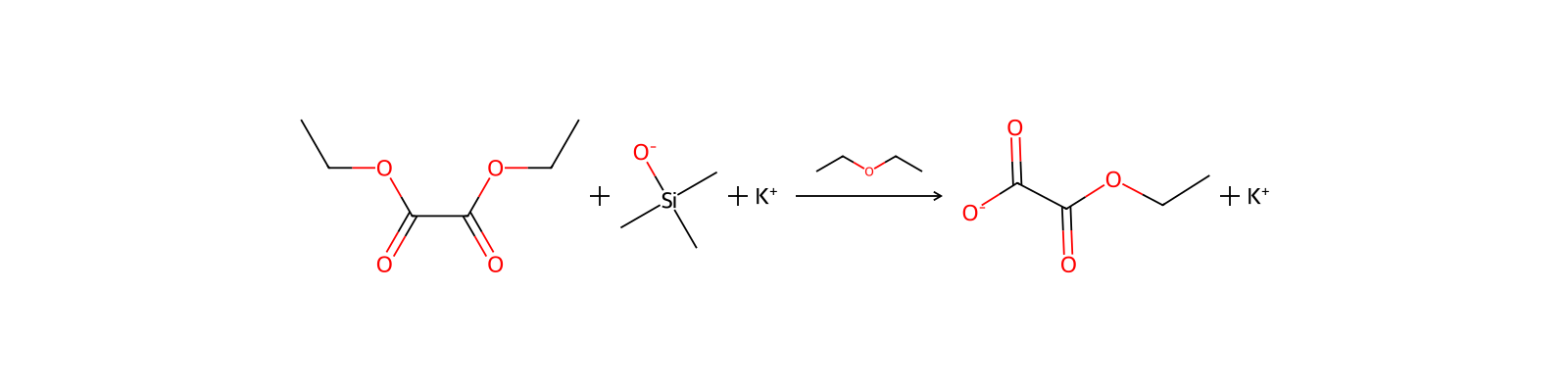
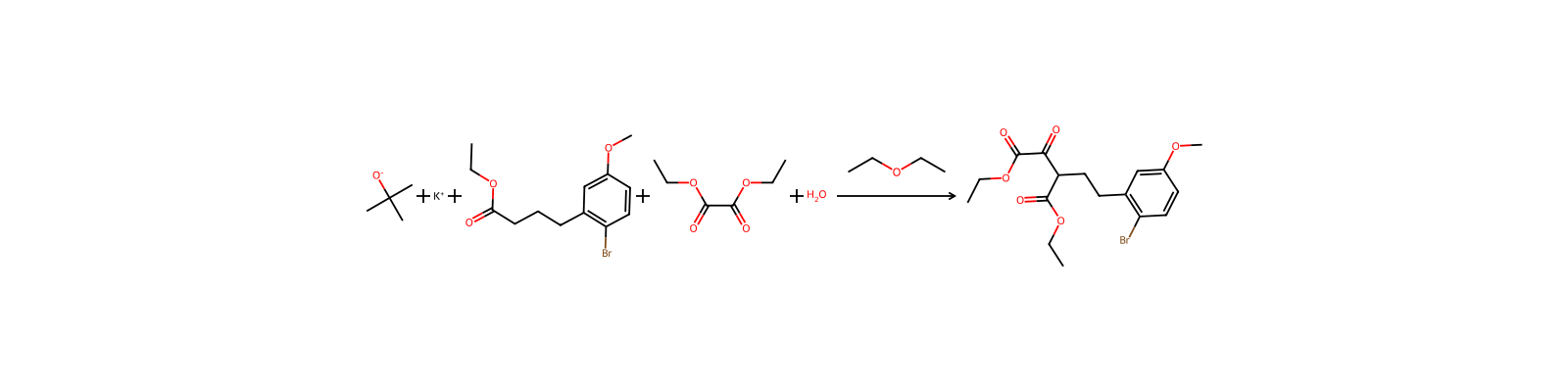
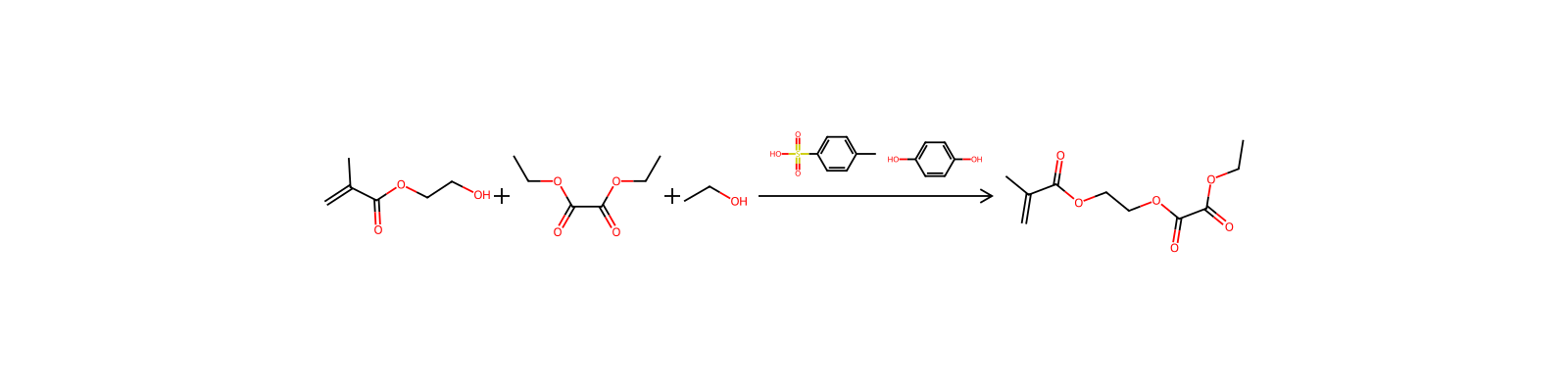
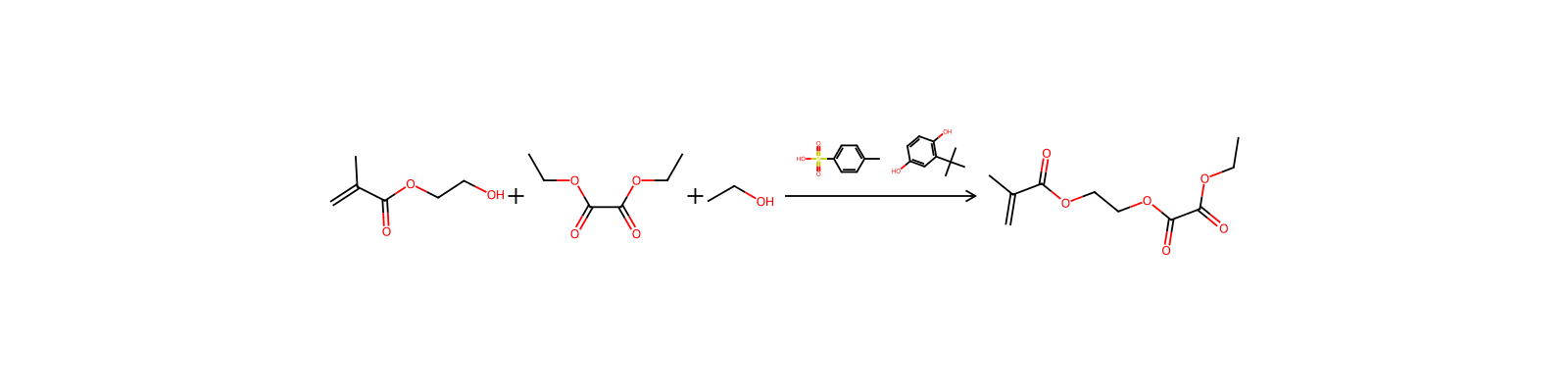
관련 반응
1,466건



연결된 노트
불러오는 중…