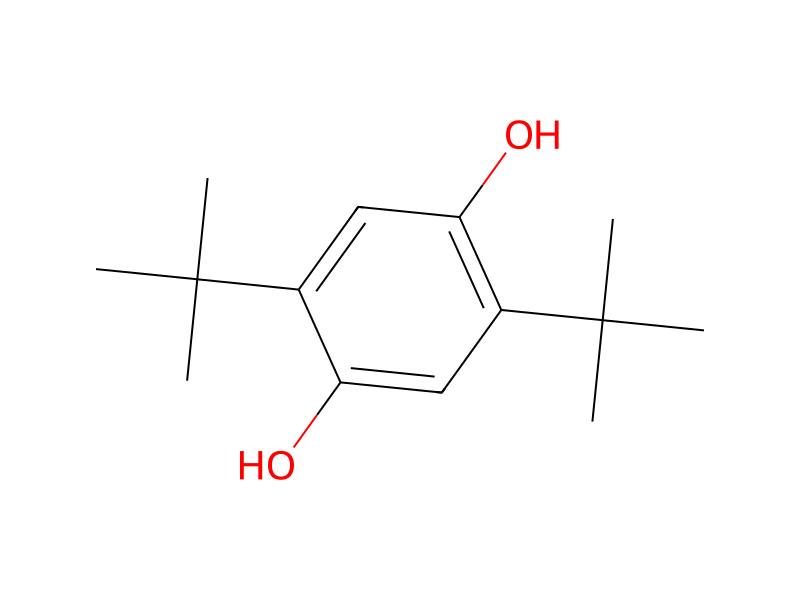
A 500 ml flask equipped with a decanter, a thermometer, a stirrer and an inlet for nitrogen gas was charged with 65.1 g (0.5 mol) of 2-hydroxyethyl methacrylate and 365.4 g (2.5 mol) of diethyl oxalate, to which 2 g (10 mmol) of p-toluenesulfonic acid (catalyst) and 4 g of 2,5-di-t-butylhydroquinone (polymerization inhibitor) were added. The mixture was heated to keep about 130° C. for 3 hours in nitrogen atmosphere with distilling 23.5 ml (0.40 mol) of ethanol away. The reaction mixture was evaporated to remove excess diethyl oxalate and then distilled under vacuum to obtain 64.8 g (yield 52.4%) of 2-ethoxalyloxyethyl methacrylate (bp 95°-125° C./0.3 mmHg).