홈MCP워크벤치Skills
홈워크벤치알림마이페이지
llms.txt · MCP 가이드개인정보처리방침 · 이용약관 · 지원v1.8.0
  1. 홈
  2. /화합물

에틸렌 메타크릴레이트

Ethylene glycol dimethacrylate

HCID 7355
새 노트새 반응견적 요청하기
인쇄 미리보기
기본 정보개요이름 및 식별자물성안전 및 규제화학 및 산업관련 반응화합물 노트
부분 구조 검색유사 구조 찾기

기본 정보

CAS
97-90-5
표준 SMILES
C=C(C)C(=O)OCCOC(=O)C(=C)C
InChIKey
STVZJERGLQHEKB-UHFFFAOYSA-N
분자식
C10H14O4
평균 분자량
198.22 g/mol
단동위원소 질량
198.08920893

개요

Ethylene glycol dimethacrylate is the enoate ester that is the 1,2-bis(methacryloyl) derivative of ethylene glycol. It has a role as a cross-linking reagent, an allergen and a polymerisation monomer. It is functionally related to a methacrylic acid and an ethylene glycol.

이름 및 식별자

우선 이름
Ethylene glycol dimethacrylate
IUPAC
2-(2-methylprop-2-enoyloxy)ethyl 2-methylprop-2-enoate
현지명
에틸렌 메타크릴레이트
영어명
Ethylene dimethacrylate
분자식
C10H14O4
분자량
198.22

이름 및 동의어

Ethylene glycol dimethacrylate97-90-5Ethylene dimethacrylateGlycol dimethacrylateETHYLENE METHACRYLATEDiglycol dimethacrylateEthanediol dimethacrylate1,2-Bis(methacryloyloxy)ethaneEthylenedimethyacrylateEthyldiol metacrylateEGDMASartomer SR 206
이름 더 보기
디메타클릴레이트에틸렌글리콜에틸렌글리콜디메타크릴산에틸렌메타크릴레이트에틸렌글리콜메타크릴산염에틸렌글라이콜다이메타크릴레이트글라이콜다이메타크릴레이트에틸렌글리콜디메타크릴산에틸렌 메타크릴레이트1,2-비스(메타크릴로일옥시)에테인1,2-에테인다이올 다이메타크릴레이트2-(2-메틸프로프-2-엔오일옥시)에틸 2-메틸프로프-2-엔오에이트2-메틸-2-프로펜산, 1,2-에테인다이일 에스터2-프로펜산, 2-메틸-, 1,1'-(1,2-에테인다이일) 에스터2-프로펜산, 2-메틸-, 1,2-에테인다이일 에스터메타크릴산, 에틸렌 에스터에틸렌 글라이콜 다이메타크릴레이트에틸렌 다이메타크릴레이트에틸렌디메타크릴레이트EDMAEthylene glycol dimethylacrylateGLYCOL HEMA-METHACRYLATEethane-1,2-diyl bis(2-Methylacrylate)Ethylene Glycol Dimethacrylate (stabilized with HQ)sr206TGM 1
Ageflex EGDMMethacrylic acid, ethylene esterEthylene glycol bis(methacrylate)1,2-Ethanediol dimethacrylateEthyldiol methacrylateMethacrylic acid ethylene esterSR 206DTXSID1026615

데이터베이스 식별자

CAS
97-90-5
PubChem CID
7355
DTXSID
DTXSID1026615
ChEMBL
CHEMBL1709582
ChEBI
CHEBI:53436
UNII
7BK5G69305
EC Number
202-617-2
Nikkaji
J38.144F

물성

구조 계산 물성

XLogP
1.9
극성 표면적
52.6 Ų
수소 결합 공여자 수
0
수소 결합 수용자 수
4
회전 가능 결합 수
7
무거운 원자 수
14
형식 전하
0
복잡도
237

실험 및 물리화학적 성질

PolymersPlastics & Rubber -> (Meth)acrylates
Cosmetics · 2건

Cosmetic ingredients (Ethylene glycol dimethacrylate) -> CIR (Cosmetic Ingredient Review)

Cosmetic ingredients (Glycol Dimethacylate) -> CIR (Cosmetic Ingredient Review)

SpringerMaterials PropertiesViscosity
LogP · 2건

2.4

1.22

Density · 3건

1.055 at 20 °C/20 °C

Relative density (water = 1): 1.05

1.055 @ 20°C

Viscosity3.03 mm²/s at 20 °C
Solubility · 4건

> 10% in benzene

> 10% in ethanol

> 10% in ligroin

Solubility in water, g/l at 20 °C: 1.1 (slightly soluble)

Flash Point101 °C c.c.
Boiling Point · 3건

260

260 °C

260 °C @760 [mm Hg]

DecompositionWhen heated to decomp it emits acrid smoke and irritating fumes.

안전 및 규제

안전 정보는 참고용이며, 공급업체의 물질안전보건자료(SDS), 관련 법규 및 전문가 평가를 대체하지 않습니다.

GHS 분류

GHS Classification · 6건

Warning

H317: May cause an allergic skin reaction [Warning Sensitization, Skin]

P261, P271, P272, P280, P302+P352, P304+P340, P319, P321, P333+P317, P362+P364, P403+P233, P405, and P501 (click each P-code to see the statement)

This chemical does not meet GHS hazard criteria for < 0.1% (1 of 1326) of reports.

Warning

H317 (> 99.9%): May cause an allergic skin reaction [Warning Sensitization, Skin]

유해성 정보

Regulatory Information · 4건

Chemical: 2-Propenoic acid, 2-methyl-, 1,2-ethanediyl ester

2-Propenoic acid, 2-methyl-, 1,1'-(1,2-ethanediyl) ester is listed on the EPA's Chemical Data Reporting (CDR) system. Manufacturers and importers of 2-Propenoic acid, 2-methyl-, 1,1'-(1,2-ethanediyl) ester are required to report information about their production and use of this chemical to the EPA under the Toxic Substances Control Act (TSCA). (40 eCFR Part 711)

Status: Active Update: 05-05-2023 https://echa.europa.eu/registration-dossier/-/registered-dossier/14351

Ethylene glycol dimethacrylate: Does not have an individual approval but may be used under an appropriate group standard

Fire HazardsCombustible.
Hazards Summary · 1건

Allergic contact dermatitis reported in dental technicians, dental assistants, and a manufacturing worker (making rear-view mirrors) ; [Kanerva, p. 1749] A lachrymator; [CHEMINFO] An eye and respiratory tract irritant; Not a sensitizer in one study of guinea pigs; Emergency treatment: Acrylates, multifunctional; [HSDB] May polymerize; An eye and respiratory tract irritant; May cause skin sensitization; [ICSC] Danger of skin sensitization; [MAK] An irritant; May cause skin sensitization; [Aldrich MSDS]

TSCA RequirementsSection 8(a) of TSCA requires manufacturers of this chemical substance to report preliminary assessment information concerned with production, use, and exposure to EPA as cited in the preamble of the 51 FR 41329.

화학 및 산업

약리 정보

Metabolism/MetabolitesSMALL QUANTITIES OF METHACRYLATES MAY READILY BE METABOLIZED BY SAPONIFICATION INTO THE ALCOHOL AND METHACRYLIC ACID. THE LATTER MAY FORM AN ACETYL-COENZYME A DERIVATIVE, WHICH THEN ENTERS THE NORMAL LIPID METABOLISM. /METHACRYLATES/
MeSH Pharmacological Classification · 1건

Reagents with two reactive groups, usually at opposite ends of the molecule, that are capable of reacting with and thereby forming bridges between side chains of amino acids in proteins; the locations of naturally reactive areas within proteins can thereby be identified; may also be used for other macromolecules, like glycoproteins, nucleic acids, or other.

용도 및 제조

Uses · 6건

CIR ingredient: Ethylene glycol dimethacrylate

CIR ingredient: Glycol Dimethacylate

In polymers for dental restorative resins; in synthetic wound dressings; as rate-controlling barrier in slow release capsules; in acrylic nail preparation; as curing agent for acrylics and rubbers; [HSDB]

Plastic Composites Manufacturing [Category: Industry]

/SRP/: IN POLYMERS FOR DENTAL RESTORATIVE RESINS; IN SYNTHETIC WOUND DRESSINGS; AS RATE-CONTROLLING BARRIER IN SLOW RELEASE CAPSULES; IN ACRYLIC NAIL PREPN.

CROSSLINKING AGENT FOR THERMOSET & UV CURABLE ACRYLICS.

U.S. Production · 3건

2023: 2,500,000 - <4,000,000 lb

(1979) PROBABLY GREATER THAN 4.54X10+6 G

(1981) PROBABLY GREATER THAN 2.27X10+6 G

Consumer UsesMonomers
Industry UsesIntermediate
Methods of Manufacturing · 2건

TRANSESTERIFICATION OR ESTERIFICATION OF ETHYLENE GLYCOL WITH AN EXCESS OF EITHER METHYL METHACRYLATE OR METHACRYLIC ACID

The methacrylates can be synthesized by catalytic oxidation of isobutylene and subsequent esterification with the appropriate alcohol, or by reacting acetone with hydrocyanic acid and subsequent esterification in sulfuric acid with the appropriate alcohol. /Methacrylic esters/

관련 반응

39건
반응 기록 만들기
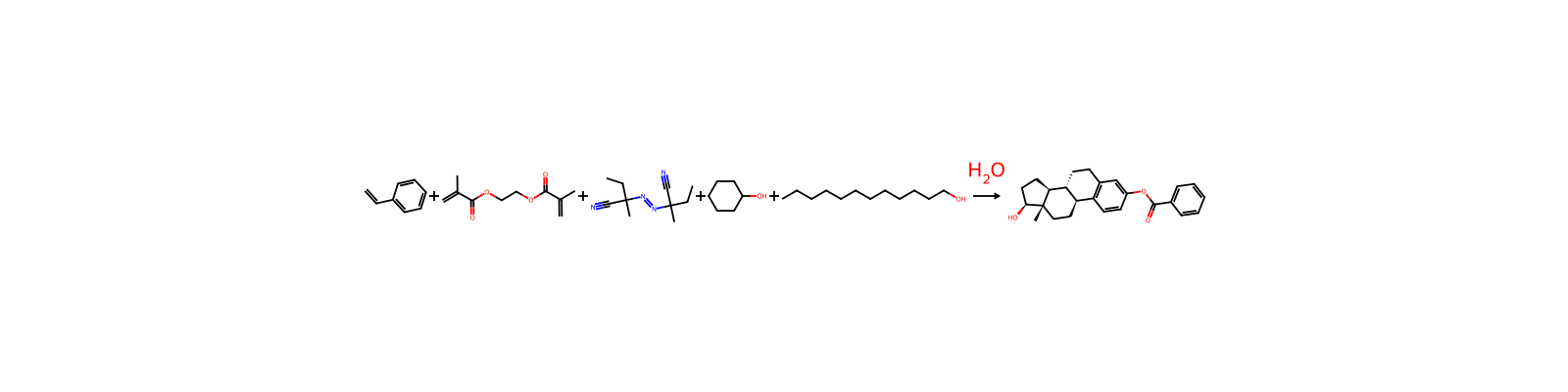
HRID 23004 반응식
HRID 23004반응물로uspto-grants-2005_02
HRID 323845 반응식
HRID 323845반응물로uspto-grants-2001_04
HRID 323846 반응식
HRID 323846반응물로uspto-grants-2001_04
HRID 323847 반응식
HRID 323847반응물로uspto-grants-2001_04
HRID 323848 반응식
HRID 323848반응물로uspto-grants-2001_04
HRID 323849 반응식
HRID 323849반응물로uspto-grants-2001_04
HRID 323912 반응식
HRID 323912생성물로uspto-grants-2001_04
HRID 342365 반응식
HRID 342365반응물로uspto-grants-1999_01
1 / 5 페이지

화합물 노트

불러오는 중…

이 페이지에서기본 정보개요이름 및 식별자물성안전 및 규제화학 및 산업관련 반응화합물 노트
더보기
새 노트새 반응견적 요청하기
Melting Point · 2건

-40 °C

-40 °C

Vapor DensityRelative vapor density (air = 1): 6.8

물리화학적 성질

녹는점
-40 °C · -40 °C
끓는 점
98 · 98-100 °C/5 mmHg (lit.)
밀도
1.051 g/mL · 1.051 g/mL at 25 °C (lit.)
증기 밀도
1 · >1 (vs air)
증기압
0.1 mm · <0.1 mm Hg ( 21.1 °C)
굴절률
20 · n20/D 1.454(lit.)
인화점
230 °F · >230 °F
저장 조건
30 °C · Store below +30°C.
용해도
5 g/L · <5g/L
물리적 상태
액체
색상
무색~담황색
수용성
녹는
BRN
1776663 · 1776663
안정성
불안정 - 빛에 노출되면 중합될 수 있습니다. 강산, 강산화제, 강염기와 호환되지 않습니다.
화장품 원료 기능
손톱 컨디셔닝
InChI
1S/C10H14O4/c1-7(2)9(11)13-5-6-14-10(12)8(3)4/h1,3,5-6H2,2,4H3
InChIKey
STVZJERGLQHEKB-UHFFFAOYSA-N
SMILES
CC(=C)C(=O)OCCOC(=O)C(C)=C
LogP
2.4 at · 2.4 at 20℃
NIST
2 · 2-Propenoic acid, 2-methyl-, 1,2-ethanediyl ester(97-90-5)
EPA
Ethylene glycol dimethacrylate (97-90-5)
Chemical DangersThe substance may polymerize.
Physical DangersVapours are uninhibited and may polymerize, causing blockage of vents.
Hazard Classes and Categories · 5건

Skin Sens. 1 (> 99.9%)

Specific target organ toxicity (single exposure) - category 3

Skin sensitization - Category 1

Skin sensitization - Category 1B

STOT SE 3

Skin, Eye, and Respiratory IrritationsIrritating to eyes & respiratory system.

안전 및 보호

Fire FightingUse water, foam, powder, carbon dioxide.
First Aid Measures · 4건

Fresh air, rest.

Wear protective gloves when administering first aid. Remove contaminated clothes. Rinse and then wash skin with water and soap.

Rinse with plenty of water (remove contact lenses if easily possible).

Rinse mouth.

Safe StorageStore only if stabilized. Cool. Refer to the manufacturer's instructions for proper storage conditions.
Storage Conditions · 1건

Temp during storage must be kept low to minimize formation of peroxides and other oxidation products. ... Storage temp below 30 °C are recommended for the polyfunctional methacrylates. ... The methacrylate monomers should not be stored for longer than one year. Shorter storage times are recommended for the aminomethacrylates, ie, three months, and the polyfunctional methacrylates, ie, six months. Many of these cmpd are sensitive to UV light and should, therefore, be stored in the dark. The methacrylic esters may be stored in mild steel, stainless steel, or aluminum. /Methacrylic acid & derivatives/

Spillage DisposalCollect leaking and spilled liquid in sealable containers as far as possible. Absorb remaining liquid in sand or inert absorbent. Then store and dispose of according to local regulations.
Preventive Measures · 3건

... Hazard is the generation of considerable exothermic heat in some of the reactions, so that high pressures & temp may develop. This danger ... should be borne in mind when designing plant. Awareness of the dangers and of good engineering design are essential to safety. Employees should be instructed about the necessity of cleansing the skin if it is contaminated by materials which are irritants or skin-absorbed. With careful design, however, and complete enclosure of those processes where toxic chemicals or intermediates occur, dangerous exposures can be avoided. /Acrylic acid & derivatives/

SRP: The scientific literature for the use of contact lenses in industry is conflicting. The benefit or detrimental effects of wearing contact lenses depend not only upon the substance, but also on factors including the form of the substance, characteristics and duration of the exposure, the uses of other eye protection equipment, and the hygiene of the lenses. However, there may be individual substances whose irritating or corrosive properties are such that the wearing of contact lenses would be harmful to the eye. In those specific cases, contact lenses should not be worn. In any event, the usual eye protection equipment should be worn even when contact lenses are in place.

SRP: Contaminated protective clothing should be segregated in such a manner so that there is no direct personal contact by personnel who handle, dispose, or clean the clothing. Quality assurance to ascertain the completeness of the cleaning procedures should be implemented before the decontaminated protective clothing is returned for reuse by the workers. Contaminated clothing should not be taken home at end of shift, but should remain at employee's place of work for cleaning.

Eye PreventionWear face shield.
Fire PreventionNO open flames.
Inhalation RiskNo indication can be given about the rate at which a harmful concentration of this substance in the air is reached on evaporation at 20 °C.
Skin PreventionProtective gloves. Protective clothing.
Exposure PreventionSTRICT HYGIENE!
Ingestion PreventionDo not eat, drink, or smoke during work.

독성 정보

Adverse EffectsLacrimator (Lachrymator) - A substance that irritates the eyes and induces the flow of tears.
Exposure RoutesThe substance can be absorbed into the body by inhalation, through the skin and by ingestion.
ICSC Environmental DataThe substance is harmful to aquatic organisms.
TSCA Test Submissions · 1건

The ability of ethylene dimethacrylate to induce mutations at the TK gene locus in L5178Y mouse lymphoma cells was evaluated in vitro. Cells were exposed to test article at concentrations ranging from 31.3 to 800 nl/ml both with and without Aroclor-induced rat liver S9 metabolic activation. In the presence of activation, a 2.4 to 10 fold increase in mutation frequency was observed in cells exposed to concentrations ranging from 400 to 700 nl/ml, while the percent relative growth decreased from 78.3 to 33.6%. In the absence of activation, exposure to concentrations of up to 800 nl/ml caused high toxicity but no increase in mutation rate.

Human Toxicity Excerpts · 1건

BIOLOGICALLY, METHACRYLATES RESEMBLE ACRYLATES, EXCEPT FOR LOWER REACTIVITY & THUS DECR TOXICITY. THIS IS PROBABLY DUE TO STERIC HINDRANCE BY ITS METHYL GROUP & IN TURN DECR RATES OF MEMBRANE TRANSPORT & SYSTEMIC TRANSLOCATION. /METHACRYLIC ESTERS/

Non-Human Toxicity Excerpts · 1건

TWENTY-ONE DIFFERENT ACRYLATE & METHACRYLATE COMPOUNDS, INCLUDING ETHYLENE METHACRYLATE, WERE SCANNED FOR THEIR ABILITY TO INDUCE CONTACT SENSITIVITY, USING 5 DIFFERENT SENSITIZATION PROTOCOLS. CONTACT REACTIONS OF VARYING INTENSITIES WERE PRODUCED TO ALL THE MONO-, DI-, AND TRIACRYLATES TESTED. METHACRYLATES DID NOT SENSITIZE GUINEA PIGS.

규제 정보

TSCA RequirementsSection 8(a) of TSCA requires manufacturers of this chemical substance to report preliminary assessment information concerned with production, use, and exposure to EPA as cited in the preamble of the 51 FR 41329.

안전 데이터

wgk
1
tsca
TSCA listed
rtecs
OZ4400000
ridadr
UN 3334
독성
LD50 orally in Rabbit: 3300 mg/kg
HS 번호
29161490
risk_code
37-43
hazard_code
Xi
safety_code
24-37-36/37
기존화학 물질
KE-24996
F 고인화성물질
8-19
Hazard Classifications
Skin Sens. 1STOT SE 3
스토리지 클래스
10 - Combustible liquids
유해 물질 데이터
97-90-5(Hazardous Substances Data)
General Manufacturing Information · 2건

Printing and Related Support Activities

2-Propenoic acid, 2-methyl-, 1,1'-(1,2-ethanediyl) ester: ACTIVE

응용 분야 · 2건

개요The crosslinking agent of acrylic resins, ethyleneglycol dimethacrylate (EGDMA), is employed to optimize the dilution of high-viscosity monomers and to link together the macromolecules costituting the polymer. It caused contact dermatitis in dental technicians and dental assistants. A case was also reported in a car rear-view mirror manufacturer.

일반 설명Ethylene glycol dimethylacrylate (EGDMA) is a diester formed by condensation of two equivalents of methacrylic acid and one equivalent of ethylene glycol.

상·하류 제품 정보

상류 원료

메타크릴 산
추가 설명 · 1건

정의ChEBI: Ethylene glycol dimethacrylate is the enoate ester that is the 1,2-bis(methacryloyl) derivative of ethylene glycol. It has a role as a cross-linking reagent, a polymerisation monomer and an allergen. It is functionally related to an ethylene glycol and a methacrylic acid.