

기본 정보
- 표준 SMILES
O=C(Cl)c1ccccc1- InChIKey
PASDCCFISLVPSO-UHFFFAOYSA-N- 분자식
- C7H5ClO
- 평균 분자량
- 140.56 g/mol
- 단동위원소 질량
- 140.00289246
개요
Benzoyl chloride appears as a colorless fuming liquid with a pungent odor. Flash point 162 °F. Lachrymator, irritating to skin and eyes. Corrosive to metals and tissue. Density 10.2 lb / gal. Used in medicine and in the manufacture of other chemicals.
이름 및 식별자
- 우선 이름
- Benzoyl chloride
- IUPAC
- benzoyl chloride
- 현지명
- 염화벤조일
- 영어명
- Benzoyl chloride
- 분자식
- C7H5ClO
- 분자량
- 140.57
이름 및 동의어
BENZOYL CHLORIDE98-88-4Benzenecarbonyl chlorideBenzoic acid, chloridealpha-Chlorobenzaldehydebenzoic acid chlorideDTXSID9026631Benzaldehyde, alpha-chloro-VTY8706W36DTXCID106631CHEBI:82275RefChem:5591
이름 더 보기
염화벤조일벤조일클로라이드벤젠카르보닐클로라이드염화벤조일벤질 클로라이드벤젠카보닐 염화물벤조산 클로라이드BzClBasic Red 1BENZOYL CHLORIDE Extra PureB 0105BENZOXALONEBenzoylChlorideGr
202-710-8BenzoylchlorideBenzoylChloride-13C7Benzoyl Chloride-13C6MFCD00000653Benzaldehyde, .alpha.-chloro-benzoyl-carbonyl-13c chloridebenzoylchlorid
데이터베이스 식별자
- CAS
98-88-4- PubChem CID
- 7412
- DTXSID
DTXSID9026631- ChEMBL
CHEMBL2260719- ChEBI
CHEBI:82275- UNII
- VTY8706W36
- EC Number
- 202-710-8
- Nikkaji
- J3.987J
물성
구조 계산 물성
- XLogP
- 2.9
- 극성 표면적
- 17.1 Ų
- 수소 결합 공여자 수
- 0
- 수소 결합 수용자 수
- 1
- 회전 가능 결합 수
- 1
- 무거운 원자 수
- 9
- 형식 전하
- 0
- 복잡도
- 105
실험 및 물리화학적 성질
Chemical Classes
Toxic Gases & Vapors -> Acid Halides
Carcinogens
SpringerMaterials Properties13C nuclear magnetic resonance spectrum
Odor
Penetrating odor
Fuming pungent
Pungent, aromatic
Density
1.211 at 77 °F (USCG, 1999) - Denser than water; will sink
1.2070 at 25 °C/4 °C
Relative density (water = 1): 1.21
1.211
1.22 @ 15°C
Color/Form
Liquid
Transparent, colorless liquid
Colorless, fuming liquid
Colorless to slightly yellow liquid
Solubility
Decomposes (NTP, 1992)
Decomposed by water, alcohol
Miscible with ethyl ether; soluble in benzene, carbon tetrachloride, carbon disulfide
Miscible with ether, benzene, carbon disulfide, oils
Soluble in ether and carbon disulfide
Solubility in water: reaction
CorrosivitySlow corrosion of metals
Flash Point
162 °F (NTP, 1992)
68 °C
72 °C (162 °F) - closed cup
162 °F (72 °C)(open cup)
68 °C (closed cup)
72 °C c.c.
Boiling Point
387 °F at 760 mmHg (NTP, 1992)
201 °C
BP: 197.2 °C at 760 mm Hg
197.2 °C
387 °F
197 °C @760 [mm Hg]
Decomposition
Hazardous decomposition products formed under fire conditions: Carbon oxides, hydrogen chloride gas.
When heated to decomposition it emits toxic fumes of /chloride/.
Decomposes in water
Melting Point
30.2 °F (NTP, 1992)
-0.5 °C
-1 °C
30.2 °F
-0.5 °C
Vapor Density
4.88 (NTP, 1992) - Heavier than air; will sink (Relative to Air)
4.88 (Air = 1)
Relative vapor density (air = 1): 4.88
4.88
물리화학적 성질
- 녹는점
- -1 °C · -1 °C (lit.)
- 끓는 점
- 198 °C · 198 °C (lit.)
- 밀도
- 1.211 g/mL · 1.211 g/mL at 25 °C (lit.)
- 증기 밀도
- 4.88 · 4.88 (vs air)
- 증기압
- 1 mm · 1 mm Hg ( 32 °C)
- 굴절률
- 20 · n20/D 1.553(lit.)
- 인화점
- 156 °F · 156 °F
- 저장 조건
- 30 °C · Store below +30°C.
- 용해도
- 아세토니트릴(약간 용해됨), 클로로포름(약간 용해됨)
- 물리적 상태
- 액체
- 색상
- 투명한
- 수소이온지수(pH)
- 2 · 2 (1g/l, H2O, 20℃)
- 냄새
- 매운 특성.
- 폭발한계
- 2.5 · 2.5-27%(V)
- 수용성
- 물과 반응
- Merck
- 14 · 14,1112
- BRN
- 471389 · 471389
- Dielectric constant
- 23 · 23.0(0℃)
- 안정성
- 안정적인. 타기 쉬운. 강한 산화제, 물, 알코올, 강염기와 호환되지 않습니다. DMSO와 격렬하게 반응하고 알칼리와 격렬하게 반응합니다.
- 화장품 원료 기능
- 피부 컨디셔닝
- InChI
- 1S/C7H5ClO/c8-7(9)6-4-2-1-3-5-6/h1-5H
- InChIKey
- PASDCCFISLVPSO-UHFFFAOYSA-N
- SMILES
- ClC(=O)c1ccccc1
- LogP
- 1.44 at · 1.44 at 21℃ and pH6
- NIST
- Benzoyl chloride(98-88-4)
- EPA
- Benzoyl chloride (98-88-4)
화학적 성질
Benzoyl chloride is a colorless to slight brown liquid with a strong, penetrating odor; vapor causes tears. Soluble in ether and carbon disulfide; decomposes in water. Combustible. It is a liquid acyl chloride used as a benzoylating agent.
안전 및 규제
GHS 분류
GHS Classification
Danger
H302: Harmful if swallowed [Warning Acute toxicity, oral]
P260, P261, P264, P270, P271, P272, P280, P301+P317, P301+P330+P331, P302+P352, P302+P361+P354, P304+P340, P305+P354+P338, P316, P317, P321, P330, P333+P317, P362+P364, P363, P405, and P501 (click each P-code to see the statement)
Danger
H302 (97.1%): Harmful if swallowed [Warning Acute toxicity, oral]
P260, P261, P262, P264, P264+P265, P270, P271, P272, P280, P284, P301+P317, P301+P330+P331, P302+P352, P302+P361+P354, P304+P340, P305+P354+P338, P316, P317, P320, P321, P330, P333+P317, P361+P364, P362+P364, P363, P403+P233, P405, and P501 (click each P-code to see the statement)
유해성 정보
Regulatory Information
Chemical: Benzoyl chloride
Hazard Traits - Carcinogenicity
Benzoyl chloride is listed on the EPA's Chemical Data Reporting (CDR) system. Manufacturers and importers of Benzoyl chloride are required to report information about their production and use of this chemical to the EPA under the Toxic Substances Control Act (TSCA). (40 eCFR Part 711)
Status: Active Update: 24-04-2022 https://echa.europa.eu/registration-dossier/-/registered-dossier/13134
Benzoyl chloride: Does not have an individual approval but may be used under an appropriate group standard
The New Jersey Worker and Community Right to Know Act requires public and private employers to provide information about hazardous substances at their workplaces. (N.J.S.A. 34:5A-1 et. seq.)
Other Safety InformationIMAP assessments - Benzoyl chloride: Human health tier II assessment
DOT LabelCorrosive
Fire Hazards
Special Hazards of Combustion Products: Highly poisonous phosgene gas may be formed in fires.
· EXCEPT FOR ACETIC ANHYDRIDE (UN1715), THAT IS FLAMMABLE, some of these materials may burn, but none ignite readily.
Combustible. Many reactions may cause fire or explosion. Gives off irritating or toxic fumes (or gases) in a fire. Above 72 °C explosive vapour/air mixtures may be formed.
Fire Potential
Flamable when exposed to heat or flame.
At fire temperatures the compound may react violently with water or steam.
Health Hazards
INHALATION: may irritate eyes, nose and throat. INGESTION: causes acute discomfort. SKIN: causes irritation and burning. (USCG, 1999)
· CORROSIVE and/or TOXIC; inhalation, ingestion or contact (skin, eyes) with vapors, dusts or substance may cause severe injury, burns or death.
Hazards Summary
Corrosive to skin; [Quick CPC] A lachrymator; High inhalation exposure can cause pulmonary edema; [HSDB] A corrosive substance that can cause pulmonary edema; [ICSC] In lethal concentration studies, rats had labored breathing and histological evidence of emphysema; Hydrolyzes to produce corrosive HCl in biological systems, and this is the mechanism of toxicity; Danger of dermal sensitization; [AIHA] Slowly reacts with water forming hydrochloric acid (reacts more rapidly with steam); Short-term exposure causes second- and third-degree skin burns and severe eye injury; Vapors cause severe eye and throat irritation (and possibly eye and lung injury) and are intolerable even at low concentrations; [CHRIS] Human inhalation of 2 ppm for 1 minute causes other changes in olfaction and lungs, thorax, or respiration; [RTECS] Causes burns; A lachrymator; Inhalation may cause corrosive injuries to upper respiratory tract and lungs; May cause skin sensitization; Harmful by ingestion, inhalation, and skin absorption; [Alfa Aesar MSDS]
DOT ID and Guide1736 137
Reactive GroupAcyl Halides, Sulfonyl Halides, and Chloroformates
EC ClassificationSymbol: C; R: 34; S: (1/2)-26-45
UN ClassificationUN Hazard Class: 8; UN Pack Group: II
Special ReportsTSCA Chemical Hazard Information Profile present a preliminary assessment of benzoyl chloride's potential for injury to human health & the environment (available at EPA's TSCA Assistance Office: (202) 554-1404).
안전 및 보호
Fire Fighting
Excerpt from ERG Guide 137 [Substances - Water-Reactive - Corrosive]:
Use alcohol-resistant foam, powder, carbon dioxide. NO water. In case of fire: keep drums, etc., cool by spraying with water. NO direct contact with water.
First Aid Measures
Fresh air, rest. Half-upright position. Artificial respiration may be needed. Refer for medical attention.
Remove contaminated clothes. Rinse skin with plenty of water or shower. Refer for medical attention . Wear protective gloves when administering first aid.
First rinse with plenty of water for several minutes (remove contact lenses if easily possible), then refer for medical attention.
Rinse mouth. Rest. Do NOT induce vomiting. Refer for medical attention .
Accidental Release Measures
· CALL 911. Then call emergency response telephone number on shipping paper. If shipping paper not available or no answer, refer to appropriate telephone number listed on the inside back cover.
· Do not touch damaged containers or spilled material unless wearing appropriate protective clothing.
First Aid
EYES: First check the victim for contact lenses and remove if present. Flush victim's eyes with water or normal saline solution for 20 to 30 minutes while simultaneously calling a hospital or poison control center. Do not put any ointments, oils, or medication in the victim's eyes without specific instructions from a physician. IMMEDIATELY transport the victim after flushing eyes to a hospital even if no symptoms (such as redness or irritation) develop.
General First Aid:
Safe StorageSee Chemical Dangers. Separated from food and feedstuffs and incompatible materials. Dry. Well closed.
Exposure Control and Personal Protection· Wear positive pressure self-contained breathing apparatus (SCBA).
Fire Fighting Procedures
Suitable extinguishing media: Use water spray, alcohol-resistant foam, dry chemical or carbon dioxide.
Advice for firefighters: Wear self-contained breathing apparatus for firefighting if necessary.
Water hydrolyzes material liberating acidic gas which in contact with metal surfaces can generate flammable and/or explosive hydrogen gas. Use water spray to cool unopened containers.
If material on fire or involved in fire: Use dry chemical or carbon dioxide. Do not use water on material itself. If large quantities of combustibles are involved, use water in flooding quantities as spray and fog. Use water spray to knock-down vapors. Cool all affected containers with flooding quantities of water. Apply water from as far a distance as possible.
For more Fire Fighting Procedures (Complete) data for Benzoyl chloride (6 total), please visit the HSDB record page.
Storage Conditions
Keep container tightly closed in a dry and well-ventilated place. Containers which are opened must be carefully resealed and kept upright to prevent leakage. Store under inert gas. Moisture sensitive. Storage class (TRGS 510): Combustible, corrosive hazardous materials.
Store in a cool, dry, well-ventilated location. Separate from alkalies, oxidizing materials, alcohol, and water.
Cleanup Methods
Personal precautions, protective equipment and emergency procedures: Use personal protective equipment. Avoid breathing vapors, mist or gas. Ensure adequate ventilation. Remove all sources of ignition. Evacuate personnel to safe areas. Beware of vapors accumulating to form explosive concentrations. Vapors can accumulate in low areas. Environmental precautions: Prevent further leakage or spillage if safe to do so. Do not let product enter drains. Discharge into the environment must be avoided. Methods and materials for containment and cleaning up: Contain spillage, and then collect with an electrically protected vacuum cleaner or by wet-brushing and place in container for disposal according to local regulations. Keep in suitable, closed containers for disposal.
Environmental considerations: Land spill: Dig a pit, pond, lagoon, or holding area to contain liquid or solid material. /SRP: If time permits, pits, ponds, lagoons, soak holes, or holding areas should be sealed with an impermeable flexible membrane liner./ Dike surface flow using soil, sand bags, foamed polyurethane, or foamed concrete. Absorb bulk liquid with fly ash or cement powder. Neutralize with agricultural lime (CaO), crushed limestone (CaCO3) or sodium bicarbonate (NaHCO3).
Environmental considerations: Water spill: Neutralize with agricultural lime (CaO), crushed limestone (CaCO3) or sodium bicarbonate (NaHCO3). If dissolved, in region of 10 ppm or greater concentration, apply activated carbon at ten times the spilled amount. Use mechanical dredges or lifts to remove immobilized masses of pollutants and precipitates.
Environmental considerations: Air spill: Apply water spray or mist to knock down vapors.
For more Cleanup Methods (Complete) data for Benzoyl chloride (6 total), please visit the HSDB record page.
Nonfire Spill ResponseExcerpt from ERG Guide 137 [Substances - Water-Reactive - Corrosive]:
Disposal Methods
SRP: Recycle any unused portion of the material for its approved use or return it to the manufacturer or supplier. Ultimate disposal of the chemical must consider: the material's impact on air quality; potential migration in air, soil or water; effects on animal, aquatic and plant life; and conformance with environmental and public health regulations. If it is possible or reasonable use an alternative chemical product with less inherent propensity for occupational harm/injury/toxicity or environmental contamination.
Product: This combustible material may be burned in a chemical incinerator equipped with an afterburner and scrubber. Offer surplus and non-recyclable solutions to a licensed disposal company. Contact a licensed professional waste disposal service to dispose of this material. Contaminated packaging: Dispose of as unused product.
Spillage Disposal
Personal protection: chemical protection suit including self-contained breathing apparatus. Collect leaking liquid in sealable containers. Absorb remaining liquid in sand or inert absorbent. Then store and dispose of according to local regulations. Do NOT wash away into sewer.
독성 정보
Ecotoxicity Values
LC50; Species: Palaemonetes pugio (grass shrimp); Conditions: static, synthetic salt water of the following quality was used: 25 +/- 1 g/L salinity, 30,000-40,000 microsiemens/cm conductivity, pH 8.3-8.7, temperature= 22 +/- 1 °C; Concentration: 180 mg/L for 96 hr (95% confidence interval: 139.0-233.0 mg/L)
LC50; Species: Pimephales promelas (fathead minnow) length 3.2-4.2 cm; Conditions: freshwater, static, 22 °C, pH 7.2-7.9, hardness 40-48 mg/L CaCO3, alkalinity 30-35 mg/L CaCO3; Concentration: 42600 ug/L for 24 hr (95% confidence interval: 35400-57400 ug/L)
LC50; Species: Pimephales promelas (fathead minnow) length 3.2-4.2 cm; Conditions: freshwater, static, 22 °C, pH 7.2-7.9, hardness 40-48 mg/L CaCO3, alkalinity 30-35 mg/L CaCO3; Concentration: 34700 ug/L for 48 hr (95% confidence interval: 28500-45300 ug/L)
LC50; Species: Pimephales promelas (fathead minnow) length 3.2-4.2 cm; Conditions: freshwater, static, 22 °C, pH 7.2-7.9, hardness 40-48 mg/L CaCO3, alkalinity 30-35 mg/L CaCO3; Concentration: 34700 ug/L for 96 hr (95% confidence interval: 28500-45300 ug/L)
Environmental Fate
TERRESTRIAL FATE: Data concerning the hydrolysis of benzoyl chloride in soil are not available. However, the rate constant for the hydrolysis of benzoyl chloride in water is 4.2X10⁻² sec-1 at 25 °C, corresponding to a hydrolysis half-life of 16 sec(1). The hydrolysis half-life is so short that the predominant terrestrial fate of benzoyl chloride is expected to be hydrolysis(SRC). In the absence of water, however, benzoyl chloride could form a variety of esters upon reaction with common soil constituents(SRC). Benzoyl chloride is not expected to adsorb to soils, biodegrade, photolyze, volatilize, or leach(SRC).
AQUATIC FATE: The hydrolysis rate constant for benzoyl chloride in water is 4.2X10⁻² sec-1 at 25 °C, which corresponds to a half-life of 16 seconds(1). The products of the hydrolysis reaction are benzoic acid and hydrochloric acid(2). The rapid rate of hydrolysis suggests that hydrolysis is the major aquatic fate process for benzoyl chloride. Volatilization, photolysis, photooxidation, bioconcentration, biodegradation, and adsorption to sediments are not expected to be important processes in water(SRC).
ATMOSPHERIC FATE: According to a model of gas/particle partitioning of semivolatile organic compounds in the atmosphere(1), benzoyl chloride, which has a vapor pressure of 0.700 mm Hg at 25 deg(2), is expected to exist solely as a vapor in the ambient atmosphere. Vapor-phase benzoyl chloride is degraded in the atmosphere by reaction with photochemically-produced hydroxyl radicals(SRC); the half-life for this reaction in air is estimated to be 9 days(SRC), calculated from its rate constant of 1.8X10⁻¹² cu cm/molecule-sec at 25 °C(SRC) that was derived using a structure estimation method(3). Benzoyl chloride exhibits an absorption maximum of 282.9 nm (Epsilon = 1752) and also absorption at 293.0 nm (Epsilon = 1108) in methyl cyclohexane(4). Benzoyl chloride in the vapor phase absorbs light from 225-292 nm, but only qualitative estimates of the absorption intensities (weak-strong) were given(4). This suggests that benzoyl chloride may be susceptible to direct photolysis by sunlight(SRC).(SRC).
Adverse EffectsDermatotoxin - Skin burns.
Exposure RoutesThe substance can be absorbed into the body by inhalation and by ingestion.
Toxicity Summary
IDENTIFICATION AND USE: Benzoyl chloride is a transparent, colorless liquid, or slightly brown liquid with a penetrating odor. It is used for for acylation (introduction of benzoyl group into alcohols, phenols, and amines). It is also used in the manufacture of benzoyl peroxide and of dye intermediates, and in organic analysis for making benzoyl derivates for identification purposes. HUMAN STUDIES: Benzoyl chloride has a corrosive effects on the skin, eyes, and mucous membranes by inhalation. It can cause cough, labored breathing, nausea, and sore throat after inhalation. Redness and irritant pain on contact with the eye and skin. Burning sensation, nausea and vomiting upon ingestion. Three cases of lung cancer have been reported among workers engaged in production of benzoyl chloride. ANIMAL STUDIES: Benzoyl chloride was found to be corrosive to rabbit eyes. In male rats exposed to benzoyl chloride by inhalation signs of intoxication included inactivity, piloerection, unkempt fur, and difficulties in breathing up to 19 days post exposure in all rats. Rats that died during the test showed dark red colored lungs always with emphysema, some rats showed lung edema. Rats that survived showed no pathologic findings up to 0.708 mg/L. At higher concentrations lungs showed emphysema and were mottled, some showed enlarged adrenals. Benzoyl chloride was found to induce tumors in mice following inhalation exposure. Benzoyl chloride was positive in the bacterial gene mutation assay, preincubation method in Escherichia coli WP2uvrA/pKM101 with and without activation at concentrations up to 1000 ug/plate. Benzoyl chloride was not mutagenic in Salmonella typhimurium strains His g46, His c3076, His d3052, TA1535, TA1536, TA1537, TA98 or TA100, nor in Escherichia coli strains Wp2 and Wp2 uvra- with or without metabolic activation. Benzoyl chloride was weakly mutagenic to Salmonella strain TA98 in the absence of metabolic activation. ECOTOXICITY STUDIES: In a 96 hr lethality study with the Zebrafish (Brachydanio rerio) no toxicity was found at 7.5 mg/L and all the fish died at 10 mg/L. Benzoyl chloride reacted with water to give benzoic acid and hydrogen chloride, causing a decrease in pH to 5.2 in freshwater and 7.2 in salt water. However, the biological oxygen demand of the benzoic acid was a far more serious effect. In the saltwater test of grass shrimp this was believed to be the major cause of mortality since dissolved oxygen levels plunged below 1 mg/L in direct correspondence to initial benzoyl chloride concentration.
Ecotoxicity Excerpts
/AQUATIC SPECIES/ The minnows /(Pimephales promelas)/ were raised from controlled breeding stocks at the EPA Newton Fish Toxicology Station, Cincinnati, OH and were observed for a minimum of 14 days prior to testing. The fish were acclimated for 2 days in 100% test dlution water at 22 °C. Bioassay containers were filled with 12 liters of dilution water. Test substance was added in the form of a stock solution in deionized water. Five fish were placed in each of two duplicate aquaria (10 fish/concentration). At 24 hr intervals, fish were observed for survival, and water tested for dissolved oxygen and temperature. At the end of the 96 hr exposure period, pH and test substance concentration was measured by electron capture gas chromatography (benzene: 15% ether extraction). With concentration versus mortality results, 96 hr LC50 and 95% confidence limits were calculated by Probit, Moving average, or Binomial test (depending on the number of partial kills observed). Benzoyl chloride reacted with water to give benzoic acid and HCl, causing a decrease in pH to 5.2 in freshwater and 7.2 in salt water. However, the biological oxygen demand of the benzoic acid was a far more serious effect. ... /The LC50 was calculated at 34.1 mg/L;/ 95% confidence interval = 28.5-45.3 mg/L. Reconstituted soft water of the following quality was used: 40-48 mg/L hardness as CaC03; 30-35 mg/L alkalinity as CaC03; 120-160 uS/cm conductivity; pH 7.2 - 7.9; temperature = 22 +/- 1 °C.
/AQUATIC SPECIES/ In a 96 hr lethality study with the Zebrafish (Brachydanio rerio) no toxicity was found at 7.5 mg/L (LC0) and all the fish died at 10 mg/L. The geometric mean of the two values is 8.7 mg/L. Test conditions: ventillated test medium , static system, 10 animals/vessel. The test substance was weighed directly into the dillution water.
/AQUATIC SPECIES/ The grass shrimp /(Palaeomonetes pugio)/ were collected from wild poulations in an estuary near Galveston Bay, Texas and were observed for a minimum of 10 days prior to testing. Bioassay containers were filled with 12 liters of dilution water. Test substance was added in the form of a stock solution in deionized water. Five grass shrimp were placed in each of two duplicate aquaria (10 fish/concentration). At 24 hr intervals, grass shrimp were observed for survival, and water tested for dissolved oxygen and temperature. At the end of the 96 hr exposure period, pH and test substance concentration was measured by electron capture gas chromatography (benzene:15% ether extraction). With concentration versus mortality results, 96 hr LC50 and 95% confidence limits were calculated by Probit, Moving average, or Binomial test (depending on the number of partial kills observed). Benzoyl chloride reacted with water to give benzoic acid and HCl, causing a decrease in pH to 5.2 in freshwater and 7.2 in salt water. However, the biological oxygen demand of the benzoic acid was a far more serious effect. In the saltwater test of grass shrimp this was believed to be the major cause of mortality since dissolved oxygen levels plunged below 1 mg/L in direct correspondence to initial benzoyl chloride concentration.
Signs and Symptoms
Burning sensation. Cough. Shortness of breath. Sore throat. Laboured breathing. Symptoms may be delayed.
Redness. Skin burns. Burning sensation. Pain. Blisters.
Redness. Pain. Severe deep burns.
Burning sensation. Abdominal pain. Shock or collapse. Further see Inhalation.
Ongoing Test Status
EPA has released the Interactive Chemical Safety for Sustainability (iCSS) Dashboard. The iCSS Dashboard provides an interactive tool to explore rapid, automated (or in vitro high-throughput) chemical screening data generated by the Toxicity Forecaster (ToxCast) project and the federal Toxicity Testing in the 21st century (Tox21) collaboration. /The title compound was tested by ToxCast and/or Tox21 assays/[USEPA; ICSS Dashboard Application; Available from, as of November 16, 2017: http://actor.epa.gov/dashboard/]
ICSC Environmental DataThe substance is harmful to aquatic organisms.
Soil Adsorption/Mobility
Benzoyl chloride is expected to hydrolyze on contact with moisture based on a hydrolysis rate constant of 4.2X10⁻² sec-1 at 25 °C in water which corresponds to a half-life of 16 seconds(1). Therefore, due to the rapid rate of hydrolysis, absorption is not expected to be an important environmental fate process in moist soil(SRC).
TSCA Test Submissions
Benzoyl chloride was examined for mutagenic activity in Saccharomyces cerevisiae strain D4, and in Salmonella typhimurium tester strains TA1535, TA1537, TA1538, TA98, and TA100 both with and without the addition of Aroclor induced rat liver S9 metabolic activation. The test article was not mutagenic when administered at concentrations ranging from 0.0001 to 1 ul/plate in the presence or absence of activation. Toxicity was observed in all strains at doses of 1.0 ul/plate.
The absorption and excretion of (14)C-benzoyl chloride (BC) was studied in groups of male and female Holtzman albino rats (1-3/group) exposed by gavage to single doses of BC. Five groups of females were exposed to average concentrations ranging from 11.8-12.6 mg/kg and sacrificed 8 (1 group), 24 (3 groups) or 48 hr (1 group) after dosing, respectively. One group of males were exposed to an average concentration of 8.8 mg/kg and sacrificed 48 hr after dosing. BC was rapidly absorbed in the gastrointestinal tract and efficiently eliminated in the urine (90%) and feces (2%) in 48 hr. Radioactivity in the blood (as BC equivalents) peaked at 4 ppm by 4 hr after dosing and then rapidly decreased to 0.02 ppm by 24 hr. The elimination half-life of (14)C in the blood was 1.5 hr. Total radiocarbon residue in tissues was approximately 1.5% of the dose after 72 hr with fat, liver, and kidneys containing the highest residue levels. The pharmacokinetics of BC appeared to follow a one-compartment open model system. BC was rapidly distributed in the body and the rate of elimination in the urine is proportional to the concentration of BC in the blood. At 8 hr, about 0.8% of the administered (14)C was present in the tissues. The radiocarbon elimination half-lives in the tissues ranged from 2.9-16.0 hr (brain, 16.0 hr, ovary, 10.1 hr).
Human Toxicity Excerpts
/SIGNS AND SYMPTOMS/ Corrosive effects on the skin, eyes, and mucous membranes by inhalation.
/SIGNS AND SYMPTOMS/... Workers /engaged in production of benzoyl chloride/ suffered from chronic pharyngitis, chronic sinusitis, hyposmia or anosmia, and skin troubles classed as parachroma and warts. Because ... /benzyl chloride/ goes through several intermediates before ... final product, exactly what substance(s) contributes ... has yet to be determined.
/SIGNS AND SYMPTOMS/ Cough, labored breathing, nausea, and sore throat after inhalation. Redness and irritant pain on contact with the eye and skin. Burning sensation, nausea and vomiting upon ingestion. /from table/
/CASE REPORTS/ 3 cases of cancer of lung have been reported among ... workers engaged in production of benzoyl chloride. ... Case of malignant, maxillary lymphoma occurred at another plant ... because ... it goes through several intermediates before its final product, exactly what substance(s) contributes ... has yet to be determined.
For more Human Toxicity Excerpts (Complete) data for Benzoyl chloride (6 total), please visit the HSDB record page.
규제 정보
Atmospheric Standards
This action promulgates standards of performance for equipment leaks of Volatile Organic Compounds (VOC) in the Synthetic Organic Chemical Manufacturing Industry (SOCMI). The intended effect of these standards is to require all newly constructed, modified, and reconstructed SOCMI process units to use the best demonstrated system of continuous emission reduction for equipment leaks of VOC, considering costs, non air quality health and environmental impact and energy requirements. Benzoyl chloride is produced, as an intermediate or a final product, by process units covered under this subpart.
CERCLA Reportable Quantities
Persons in charge of vessels or facilities are required to notify the National Response Center (NRC) immediately, when there is a release of this designated hazardous substance, in an amount equal to or greater than its reportable quantity of 1000 lb or 454 kg. The toll free number of the NRC is (800) 424-8802. The rule for determining when notification is required is stated in 40 CFR 302.4 (section IV. D.3.b).
Clean Water Act Requirements
Benzoyl chloride is designated as a hazardous substance under section 311(b)(2)(A) of the Federal Water Pollution Control Act and further regulated by the Clean Water Act Amendments of 1977 and 1978. These regulations apply to discharges of this substance. This designation includes any isomers and hydrates, as well as any solutions and mixtures containing this substance.
안전 데이터
- wgk
- 1
- tsca
- TSCA listed
- rtecs
- DM6600000
- ridadr
- UN 1736
- 독성
- LD50 orally in Rabbit: 2460 mg/kg LD50 dermal Rabbit 790 mg/kg
- HS 번호
- 29310095
- risk_code
- 34-43-20/21/22
- hazard_code
- C
- safety_code
- 26-45-36/37/39
- 포장분류
- II
- 위험 등급
- 8
- 기존화학 물질
- KE-02765
- 위험 참고 사항
- Corrosive
- 자연 발화 온도
- 600 °C
- Hazard Classifications
- Acute Tox. 3 InhalationAcute Tox. 4 DermalAcute Tox. 4 OralEye Dam. 1Skin Corr. 1BSkin Sens. 1
- 스토리지 클래스
- 6.1C - Combustible acute toxic Cat.3toxic compounds or compounds which causing chronic effects
- 유해 물질 데이터
- 98-88-4(Hazardous Substances Data)
- 중점관리물질 필터링
- 별표1-45
화학 및 산업
약리 정보
Biological Half-LifeThe half-life of the labeled material /(benzoyl chloride)/ in the blood was 1.5 hours.
Metabolism/Metabolites
When 14C-labeled benzoyl chloride was applied to the dorsal musculature of a male Wistar rat through a small incision, only traces of radioactivity were found in the urine and feces. At 3 days post-application, most of the radioactivity remained at the site of application. The benzoyl chloride appeared to react mostly by acylation of nucleophilic groups and very little hydrolyzed to benzoic acid.
/After/ a single oral dose of labelled benzoyl chloride (9-13 mg/kg bw) administered to rats,/ ... over 90% of the metabolites in the urine were identified as benzoic acid and hippuric acid.
Absorption, Distribution and Excretion
The absorption and excretion of (14)C-benzoyl chloride was studied in male and female Holtzman albino rats. Following single oral doses of 9 to 13 mg/kg, benzoyl chloride was rapidly absorbed from the gastrointestinal tract and efficiently eliminated in the urine (90%) and feces (2%) within 48 hours. ... After 72 hours, the total radiocarbon residue in tissues was approximately 1.5% of the dose; fat liver, and kidneys contained the highest residue levels.
Elimination and distribution of (14)C-labeled benzoyl chloride in rats were very similar in many respects to that of benzoic acid.
Only a small amount of radioactivity was found in the urine and the feces after application of 10 uL labeled benzoyl chloride through a small incision on the dorsal musculature of male Wistar rats, measured over a period of 15 days. Organ distribution of radioactivity 3 days after application of 10 uL labeled benzoyl chloride through a small incision on the dorsal musculature of male Wistar rats: brain< heart< kidneys< lungs< spleen< skin/muscle.
용도 및 제조
Uses
Used in chemical production; [HSDB]
For acylation, i.e., introduction of benzoyl group into alcohols, phenols, and amines;. ... in the manufacture of benzoyl peroxide and of dye intermediates. In organic analysis for making benzoyl derivates for identification purposes.
Analytical reagent.
The major industrial use of benzoyl chloride is in the production of benzoyl peroxide. Secondary uses include the formulation of herbicides and the production of drugs, plasticizers, and perfumes.
Chemical intermediate for benzoyl peroxide, a polymerization initiator; chloramben, an herbicide; dyes; Benzophenone, a perfume fixative; other benzoyl derivatives; fastness improver for dyed fibers or fabrics; cellulosic yarn treatment agent; chemical intermediate for benzoate plasticizers (former use), pharmaceuticals (former use)
Intermediate for stabilizers and pesticides
ImpuritiesMaximum Limits of Impurities: residue after ignition 0.005%; phosphorus compounds (as P) 0.002%; heavy metals (as Pb) 0.001%; iron (Fe) 0.001%.
U.S. Exports
(1977) No Data
(1982) No Data
U.S. Imports
(1977) 1.99X10+8 G (PRINCPL CUSTMS DISTS)
(1982) 9.24X10+8 G (PRINCPL CUSTMS DISTS)
(1975) 203,700 lb
(1976) 166,230 lb
For more U.S. Imports (Complete) data for Benzoyl chloride (8 total), please visit the HSDB record page.
U.S. Production
2023: 10,000,000 - <25,000,000 lb
(1977) AT LEAST 4.54X10+9 G
(1982) PROBABLY GREATER THAN 4.54X10+6 G
Non-confidential 2016 Chemical Data Reporting (CDR) information on the production and use of chemicals manufactured or imported into the United States. Chemical: Benzoyl chloride:
Consumption PatternsBenzoic peroxide, 57%; herbicides, 39%; dyes, 3%; and plasticizers and drugs, 1% (1977)
Industry UsesPolymerization promoter
Methods of Manufacturing
Benzoyl chloride is produced commercially from benzotrichloride, which is available by the chlorination of toluene. The chlorination reaction proceeds stepwise via benzyl chloride and benzal chloride. The benzotrichloride is then partially hydrolyzed with a limited amount of water. This series of reactions consumes a large quantity of chlorine. An alternative process uses benzoic acid. Phosphorous chlorides or iron chlorides are used as catalysts at the solvolytic stage of both processes. Benzoyl chloride can also be made by the reaction of benzoic acid with phosgene, thionyl chloride, or phosphorous pentachloride; chlorination of benzaldehyde, benzyl alcohol, or benzyl benzoate; and direct reaction of benzene with phosgene or the combination of carbon monoxide and chlorine. The benzoyl chloride prepared by the conventional processes may contain trace amounts of chlorobenzoyl chloride, but the product obtained by the reaction of molten phthalic anhydride with hydrogen chloride at 200 °C is free of such impurities.
(1) Interaction of benzoic acid and sulfuryl chloride, (2) benzotrichloride and water in the presence of zinc chloride, (3) phosphorous tri- or pentachloride and benzoic acid.
Formulations/Preparations
Grade: Technical, CP /chemically pure/
Benzoyl chloride is available in the USA with a minimum of 99.0% active ingredient
Peroxide and agricultural grades
General Manufacturing Information
Synthetic Dye and Pigment Manufacturing
Benzoyl chloride: ACTIVE
An adhesive system was formulated comprising benzoyl chloride and a solution of silicone in dichloroethylene.
Prepared by partial hydrolysis of benzotrichloride; by chlorination of benzaldehyde. Lab preparation from benzoic acid and thionyl chloride.
응용 분야
개요벤조산의 산염화물. 자극적인 냄새가 나는 무색 액체로, 에테르에 녹고 물에서 분해된다.
용도벤조일화제(benzoyl化劑)로 널리 쓴다.
일반 설명Benzoyl chloride appears as a colorless fuming liquid with a pungent odor. Flash point 162 °F. Lachrymator, irritating to skin and eyes. Corrosive to metals and tissue. Density 10.2 lb / gal. Used in medicine and in the manufacture of other chemicals.
제조 방법
생산 방법Benzoyl chloride can be prepared from benzoic acid by reaction with PCl5 or SOCl2, from benzaldehyde by treatment with POCl3 or SO2 Cl2, from benzotrichloride by partial hydrolysis in the presence of H2SO4 or FeCl3, from benzal chloride by treatment with oxygen in a radical source, and from several other miscellaneous reactions. Benzoyl chloride can be reduced to benzaldehyde, oxidized to benzoyl peroxide, chlorinated to chlorobenzoyl chloride and sulfonated to m-sulfobenzoic acid. It will undergo various reactions with organic reagents. For example, it will add across an unsaturated (alkene or alkyne) bond in the presence of a catalyst to give the phenylchloroketone:
상·하류 제품 정보
상류 원료
하류 제품
공급사50 곳
国药集团化学试剂有限公司86-21-63210123 · [email protected]
梯希爱(上海)化成工业发展有限公司021-67121386 · [email protected]
上海阿拉丁生化科技股份有限公司400-6206333 13167063860 · [email protected]
爱斯特(成都)生物制药股份有限公司+86-28-85122536 85324413 · [email protected]
Syntechem Co.,Ltd[email protected]
上海迈瑞尔生化科技有限公司4006356688 18621169109 · [email protected]
阿法埃莎(中国)化学有限公司400-6106006 · [email protected]
安耐吉化学&3A(安徽泽升科技股份有限公司)400-0056266 · [email protected]
常州市程益生物科技有限公司13338800824 · [email protected]
南京欣丰康生物科技有限公司025-84683399 13952017251 · [email protected]
山东昱轩化工产品有限公司15315790065 15315790065 · [email protected]
上海景颜化工科技有限公司13817811078 · [email protected]
池州捷峰生物科技有限公司0566-8928158 · [email protected]
上海泰坦科技股份有限公司400-6009262 15618770481 · [email protected]
上海隆盛化工有限公司58099637 13585536065 · [email protected]
合肥天健化工有限公司551-65418679 15856988503;15837135945 · [email protected]
山东信恒化工有限公司152-15269160605-0605 15269160605 · [email protected]
山东西亚化学有限公司13355009207 13355009207 · [email protected]
四川库利南科技有限公司400-1166-196 18981987031 · [email protected]
天津希恩思生化科技有限公司400 638 7771 · [email protected]
南京维奥化工有限公司Please Send Email 18652950785 · [email protected]
斯百全化学(上海)有限公司021-021-021-67601398-809-809-809 15221380277 · [email protected]
艾科试剂4008-755-333 18080918076 · [email protected]
上海思域化工科技有限公司86-21-34053660 · [email protected]
赛默飞世尔科技(中国)有限公司800-810-5118 · [email protected]
北京伊诺凯科技有限公司400-810-7969 010-59572699 · [email protected]
TCI AMERICA800-4238616 · [email protected]
TOKYO CHEMICAL INDUSTRY CO., LTD.03-36680489 · [email protected]
TCI Europe320-37350700 · [email protected]
深圳康特腾科技有限公司86-0755-86635001 · [email protected]
上海汇凯化学科技有限公司021-61995394 18916691159 · [email protected]
上海乐晨国际贸易有限公司021-67256163 · [email protected]
北京环宇世纪化学科技有限公司hysj_bj.com
安徽科迪达化工有限公司0554-2106669 · [email protected]
HBCChem, Inc.+1-510-219-6317 · [email protected]
日照力德士化工有限公司010-51268198 · [email protected]
美岚实业(上海)有限公司021-58958189 · [email protected]
上海爱蝶实业有限公司021-58957966 18930537195 · [email protected]
广拓化学(上海)有限公司021-60899189-8001 18918189673 · [email protected]
上海麦克林生化科技股份有限公司15221275939 15221275939 · [email protected]
上海有朋化工有限公司021-69005955 13701776567 · [email protected]
上海凯赛化工有限公司021-33516722 13701817765 · [email protected]
上海彤源化工有限公司021-021-69182866 13701855675 · [email protected]
成都润泽本土化工有限公司13096311329 028-88469284 616445927 · [email protected]
凯试(上海)科技有限公司021-50135380 · [email protected]
上海蓝润化学有限公司021-69515658 ; 69515628 13701998368 · [email protected]
上海容立化学科技有限公司021-69992220 13701886816 · [email protected]
上海康拓化工有限公司021-69185552 13701777608 · [email protected]
Sigma-Aldrich西格玛奥德里奇(上海)贸易有限公司021-61415566 800-8193336 · [email protected]
郑州科豫隆化工产品有限公司17319789407 17319789407 · [email protected]
추가 설명
정의ChEBI: Benzoyl chloride is an acyl chloride consisting of benzene in which a hydrogen is replaced by an acyl chloride group. It is an important chemical intermediate for the manufacture of other chemicals, dyes, perfumes, herbicides and pharmaceuticals. It has a role as a carcinogenic agent. It is an acyl chloride and a member of benzenes. It is functionally related to a benzoic acid.
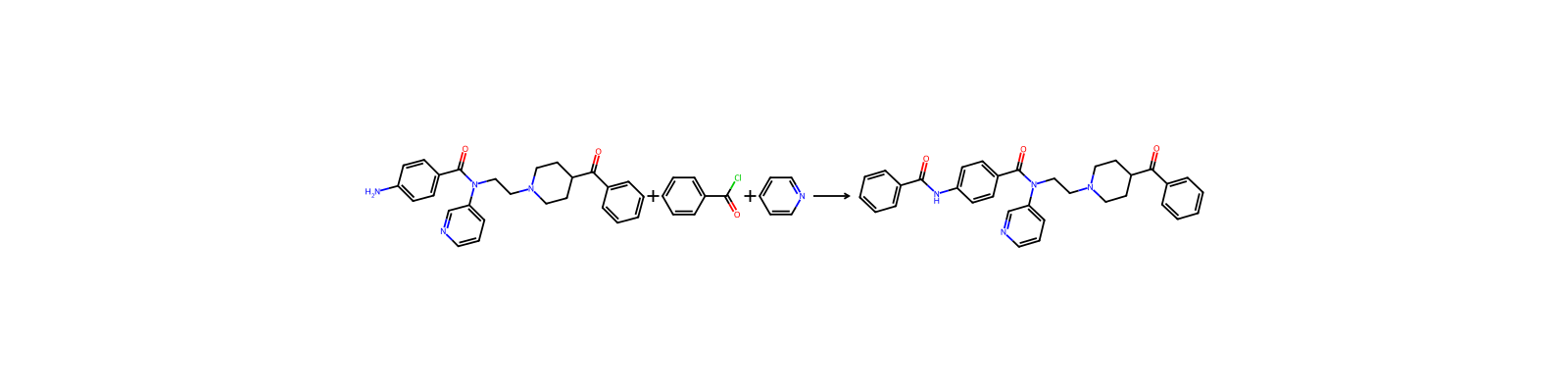
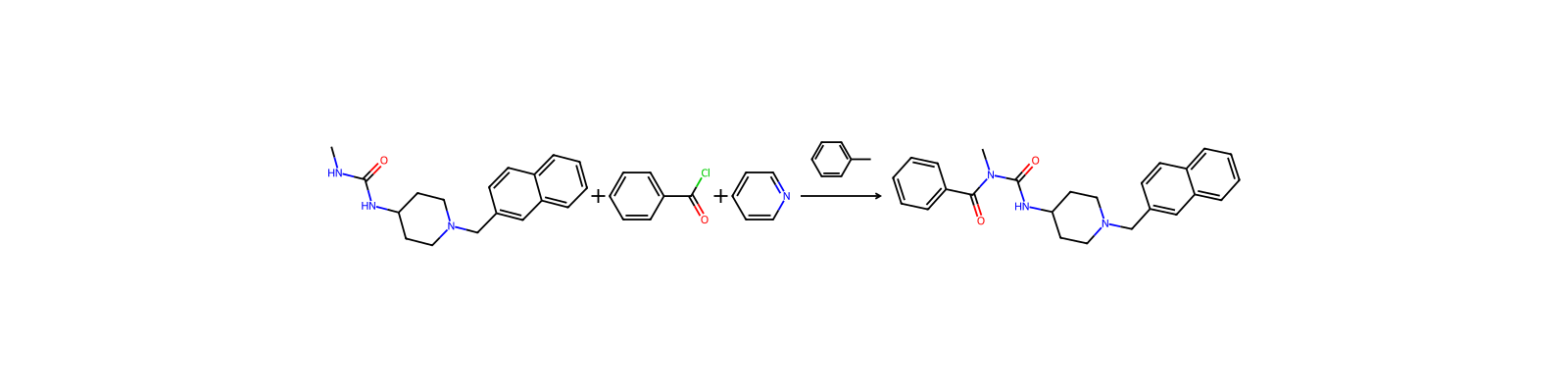
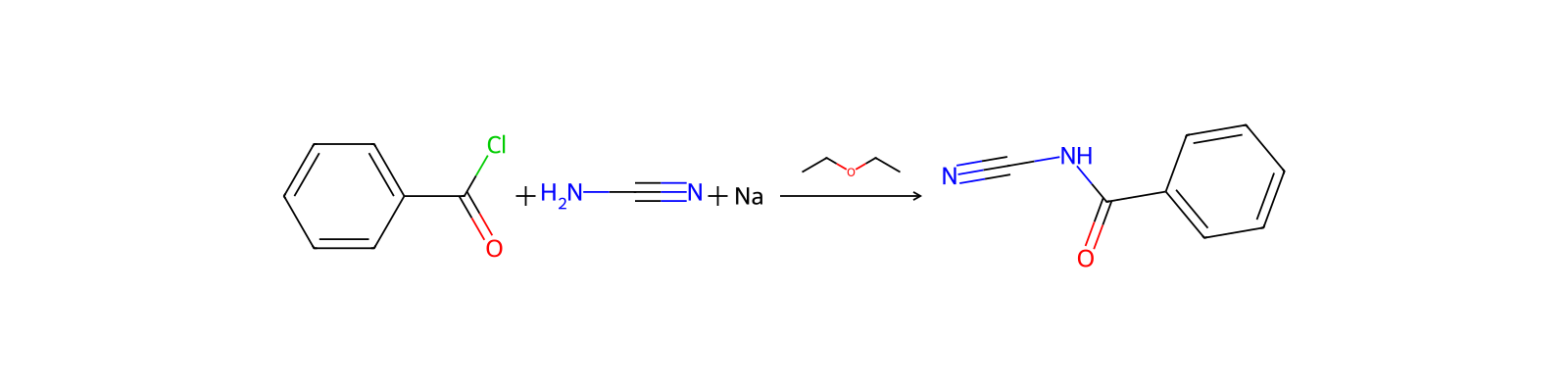
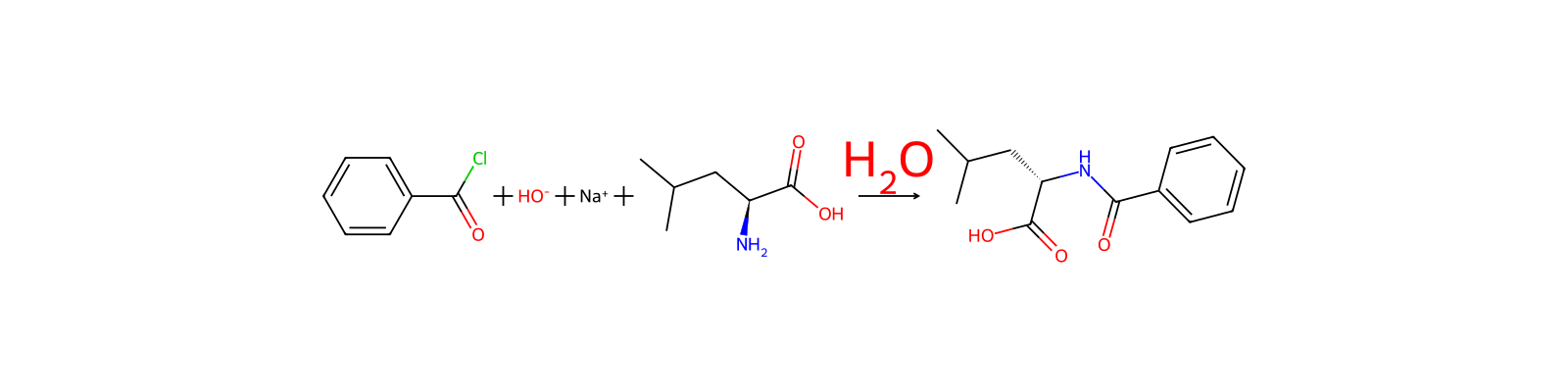
관련 반응
5,735건



연결된 노트
불러오는 중…