
2-메틸-4-나이트로아닐린
2-Methyl-4-nitroaniline

기본 정보
- CAS
99-52-5- 표준 SMILES
Cc1cc([N+](=O)[O-])ccc1N- InChIKey
XTTIQGSLJBWVIV-UHFFFAOYSA-N- 분자식
- C7H8N2O2
- 평균 분자량
- 152.15 g/mol
- 단동위원소 질량
- 152.0585775
개요
2-methyl-4-nitroaniline appears as yellow needles or mustard yellow powder. (NTP, 1992)
이름 및 식별자
- 우선 이름
- 2-Methyl-4-nitroaniline
- IUPAC
- 2-methyl-4-nitroaniline
- 현지명
- 2-메틸-4-나이트로아닐린
- 영어명
- 2-Methyl-4-nitroaniline
- 분자식
- C7H8N2O2
- 분자량
- 152.15
이름 및 동의어
2-Methyl-4-nitroaniline99-52-52-Amino-5-nitrotoluene4-Nitro-o-toluidineBenzenamine, 2-methyl-4-nitro-2-Methyl-4-nitrobenzenamine2-Methyl-4-nitrophenylamine4-NITRO-2-TOLUIDINE4-Nitro-o-toludine2-Methyl-p-nitroaniline3-Methyl-4-aminonitrobenzeneCCRIS 2877
이름 더 보기
2-메틸-4-나이트로아닐린2-메틸-4-니트로아닐린FAST REDPNOTredrlbase2-AMino-5-FAST RED RL BASETemloTempraCI 37100
Azoic diazo component 34, baseDTXSID30256292-Amino-1-methyl-5-nitrobenzeneFFY36EWC4RNSC 2075EINECS 202-762-1BRN 0775772AI3-16312
데이터베이스 식별자
- CAS
99-52-5- PubChem CID
- 7441
- DTXSID
DTXSID3025629- ChEMBL
CHEMBL1319213- UNII
- FFY36EWC4R
- EC Number
- 202-762-1
- Nikkaji
- J95.088B
물성
구조 계산 물성
- XLogP
- 1.1
- 극성 표면적
- 71.8 Ų
- 수소 결합 공여자 수
- 1
- 수소 결합 수용자 수
- 3
- 회전 가능 결합 수
- 0
- 무거운 원자 수
- 11
- 형식 전하
- 0
- 복잡도
- 155
실험 및 물리화학적 성질
SpringerMaterials PropertiesDensity
Density1.1586 at 284 °F (NTP, 1992) - Denser than water; will sink
Solubilityless than 1 mg/mL at 72 °F (NTP, 1992)
Melting Point268 to 271 °F (NTP, 1992)
Physical Description2-methyl-4-nitroaniline appears as yellow needles or mustard yellow powder. (NTP, 1992)
물리화학적 성질
- 녹는점
- 130 · 130-132 °C(lit.)
- 끓는 점
- 294.61 °C · 294.61°C (rough estimate)
- 밀도
- 1.1586 · 1.1586
- 증기압
- 20.4 hPa · 20.4hPa at 133.5℃
- 굴절률
- 1.6276 · 1.6276 (estimate)
- 인화점
- 157.2 ℃ · 157.2℃
- 저장 조건
- 30 °C · Store below +30°C.
- 용해도
- 디클로로메탄, DMSO, 에틸아세테이트, 메탄올에 용해됨
- 물리적 상태
- 결정성 분말 또는 가는 바늘
- 산도 계수 (pKa)
안전 및 규제
안전 정보는 참고용이며, 공급업체의 물질안전보건자료(SDS), 관련 법규 및 전문가 평가를 대체하지 않습니다.
GHS 분류
GHS Classification
Danger
H301 (100%): Toxic if swallowed [Danger Acute toxicity, oral]
P260, P261, P262, P264, P270, P271, P273, P280, P301+P316, P302+P352, P304+P340, P316, P319, P321, P330, P361+P364, P391, P403+P233, P405, and P501 (click each P-code to see the statement)
Aggregated GHS information provided per 47 reports by companies from 7 notifications to the ECHA C&L Inventory. Each notification may be associated with multiple companies.
Not Classified
유해성 정보
Regulatory Information
Chemical: Benzenamine, 2-methyl-4-nitro-
REACH registered substance: 4-nitro-o-toluidine (EC: 202-762-1)
2-Methyl-4-nitroaniline: Does not have an individual approval but may be used under an appropriate group standard
DOT LabelPoison
Fire HazardsFlash point data for this chemical are not available; however, it is probably combustible. (NTP, 1992)
Health HazardsSYMPTOMS: Symptoms of exposure to this compound include irritation of the eyes and skin. Structurally similar chemicals may cause methemoglobinemia.
Reactive GroupNitro, Nitroso, Nitrate, and Nitrite Compounds, Organic
Reactivity Profile2-METHYL-4-NITROANILINE is incompatible with acids, acid chlorides, acid anhydrides, chloroformates and strong oxidizing agents. (NTP, 1992)
Air and Water ReactionsInsoluble in water.
Hazard Classes and Categories
Acute Tox. 3 (100%)
화학 및 산업
용도 및 제조
General Manufacturing InformationBenzenamine, 2-methyl-4-nitro-: ACTIVE
응용 분야
용도2-Methyl-4-nitroaniline was used in preparing in-plane aligned nanofibers by the electrospinning technique. It was the starting reagent in the synthesis of 3-chloro-5-methylphenyl isocyanate. It was used to deposit polycrystalline thin films on Ag, Cu and Si by conventional and partially ionized beam deposition.
일반 설명Yellow needles or mustard yellow powder.
제조 방법
생산 방법N-Benzenesulfonyl-o-toluidine is dissolved in chlorobenzene at 40 – 50 ℃, and 62 % nitric acid is added gradually to give 5- nitro-N-benzenesulfonyl-o-toluidine, which is isolated and hydrolyzed in sulfuric acid to give 5-nitro-o-toluidine in 80 % yield.
상·하류 제품 정보
상류 원료
하류 제품
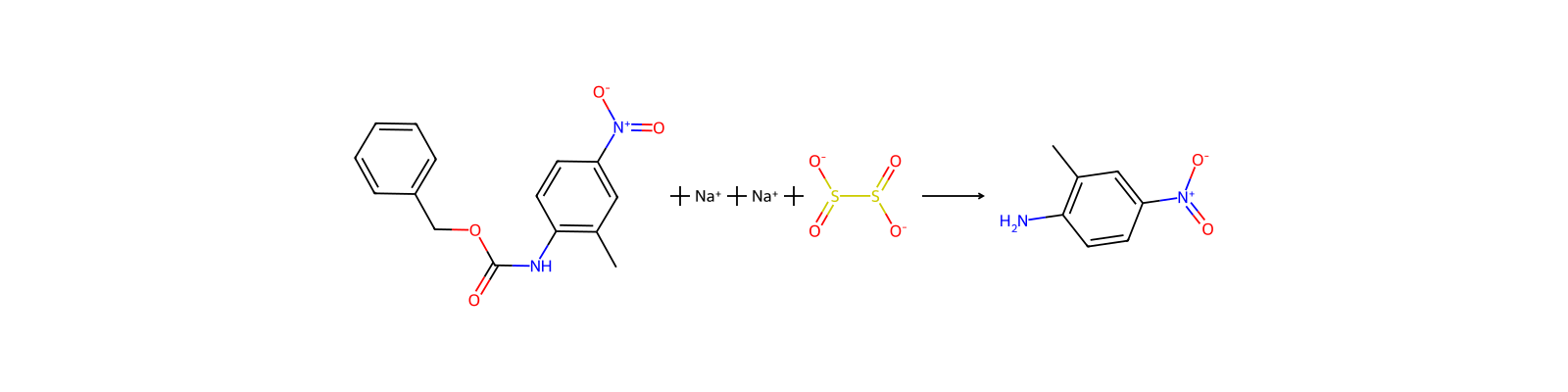
관련 반응
155건



화합물 노트
불러오는 중…