홈MCP워크벤치Skills
홈워크벤치알림마이페이지
llms.txt · MCP 가이드개인정보처리방침 · 이용약관 · 지원v1.8.0
  1. 홈
  2. /화합물

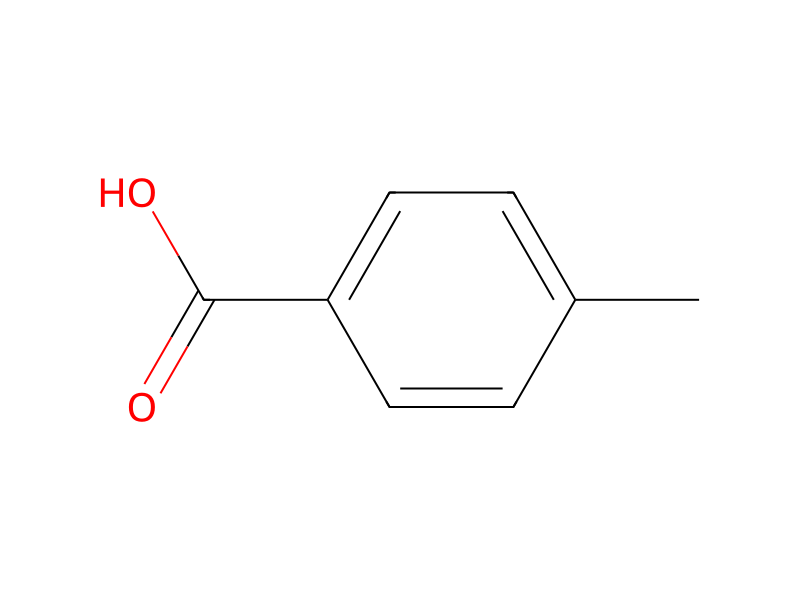
파라-톨룰일산

P-Toluic Acid

HCID 7470
새 노트새 반응견적 요청하기
인쇄 미리보기

데이터를 보충하는 중입니다. 잠시 후 페이지를 새로 고치면 최신 내용을 볼 수 있습니다
기본 정보개요이름 및 식별자물성안전 및 규제화학 및 산업관련 반응화합물 노트
부분 구조 검색유사 구조 찾기

기본 정보

CAS
99-94-5
표준 SMILES
Cc1ccc(C(=O)O)cc1
InChIKey
LPNBBFKOUUSUDB-UHFFFAOYSA-N
분자식
C8H8O2
평균 분자량
136.15 g/mol
단동위원소 질량
136.0524295

개요

P-toluic acid is a white powder. Sublimes. (NTP, 1992)

이름 및 식별자

우선 이름
P-Toluic Acid
IUPAC
4-methylbenzoic acid
현지명
파라-톨룰일산
영어명
p-Toluic acid
분자식
C8H8O2
분자량
136.15

이름 및 동의어

4-Methylbenzoic acidP-TOLUIC ACID99-94-54-Toluic acidp-Methylbenzoic acidCrithminic acidBenzoic acid, 4-methyl-p-Toluylic acidp-CarboxytolueneToluenecarboxylic acidDTXSID6021618A26GBX5SSV
이름 더 보기
P-토루산파라-톨룰일산P-토루산p-톨루산PTLAp-Tolylcarboxylic acidp-toluic
NSC-2215DTXCID801618CHEBI:36635RefChem:858222202-803-3para-Toluic acid4-Methyl-Benzoic AcidMFCD00002565

데이터베이스 식별자

CAS
99-94-5
PubChem CID
7470
DTXSID
DTXSID6021618
ChEMBL
CHEMBL21708
ChEBI
CHEBI:36635
UNII
A26GBX5SSV
EC Number
202-803-3
Nikkaji
J5.162D

물성

구조 계산 물성보충 중

XLogP
2.3
극성 표면적
37.3 Ų
수소 결합 공여자 수
1
수소 결합 수용자 수
2
회전 가능 결합 수
1
무거운 원자 수
10
형식 전하
0
복잡도
123

실험 및 물리화학적 성질

Chemical ClassesOther Classes -> Organic Acids
SpringerMaterials PropertiesBoiling point
LogP · 2건

2.27

2.43

Solubility · 2건

less than 1 mg/mL at 66 °F (NTP, 1992)

0.34 mg/mL at 25 °C

Boiling Point525 to 527 °F at 760 mmHg (NTP, 1992)
Melting Point · 2건

356 to 360 °F (NTP, 1992)

181 °C

Vapor Pressure0.0061 [mmHg]
Physical Description · 4건

P-toluic acid is a white powder. Sublimes. (NTP, 1992)

Dry Powder

White solid; [CAMEO] White to yellow-brown solid; [OECD SIDS] White powder; [Alfa Aesar MSDS]

Solid

물리화학적 성질

녹는점
177 · 177-180 °C (lit.)

안전 및 규제

안전 정보는 참고용이며, 공급업체의 물질안전보건자료(SDS), 관련 법규 및 전문가 평가를 대체하지 않습니다.

GHS 분류

GHS Classification · 5건

This chemical does not meet GHS hazard criteria for 2.8% (5 of 180) of reports.

Warning

H315 (10.6%): Causes skin irritation [Warning Skin corrosion/irritation]

P261, P264, P264+P265, P272, P280, P302+P352, P305+P351+P338, P321, P332+P317, P333+P317, P337+P317, P362+P364, and P501 (click each P-code to see the statement)

Aggregated GHS information provided per 180 reports by companies from 12 notifications to the ECHA C&L Inventory. Each notification may be associated with multiple companies.

유해성 정보

Regulatory Information · 4건

Chemical: Benzoic acid, 4-methyl-

Benzoic acid, 4-methyl- is listed on the EPA's Chemical Data Reporting (CDR) system. Manufacturers and importers of Benzoic acid, 4-methyl- are required to report information about their production and use of this chemical to the EPA under the Toxic Substances Control Act (TSCA). (40 eCFR Part 711)

Status: Active Update: 20-12-2019 https://echa.europa.eu/registration-dossier/-/registered-dossier/25126

4-Methylbenzoic acid: Does not have an individual approval but may be used under an appropriate group standard

Fire HazardsFlash point data for this chemical are not available; however, it is probably combustible. (NTP, 1992)
Health HazardsSYMPTOMS: Symptoms of exposure to this compound may include skin and eye irritation.
Hazards Summary · 1건

May cause skin and eye irritation; Harmful by ingestion, inhalation, and skin absorption; [NTP] A skin sensitizer in human volunteers; [OECD SIDS] An irritant; Harmful by ingestion; [Alfa Aesar MSDS] See Methyl 4-methylbenzoate and Phenylacetic acid.

Reactive GroupAcids, Carboxylic
Reactivity Profile

화학 및 산업

약리 정보

Cellular LocationsCytoplasm

용도 및 제조

Uses · 2건

Used in agricultural chemicals and as an animal feed supplement; [NTP] Used as an intermediate for photosensitive pigments, fluorescent dyes, and colorants; [OECD SIDS]

Farming (Feed Additives) [Category: Industry]

U.S. Production2023: 1,000,000 - <8,500,000 lb
Consumer UsesCorrosion inhibitor
Industry UsesAnti-adhesive/cohesive
General Manufacturing Information · 2건

All Other Basic Organic Chemical Manufacturing

Benzoic acid, 4-methyl-: ACTIVE

응용 분야

용도p-Toluic Acid is used as a reagent in the synthesis of several organic compounds including that of 2-aryl-1,3,4-oxadiazole derivatives which are potential antibacterial agents. Also used in the synthesis of 4-(bromomethyl) benzoic acid.

상·하류 제품 정보

상류 원료

Concentrated hydrochloric acidp-자일렌산소, 냉각된 액체코발트 나프텐산, 용액질산

관련 반응

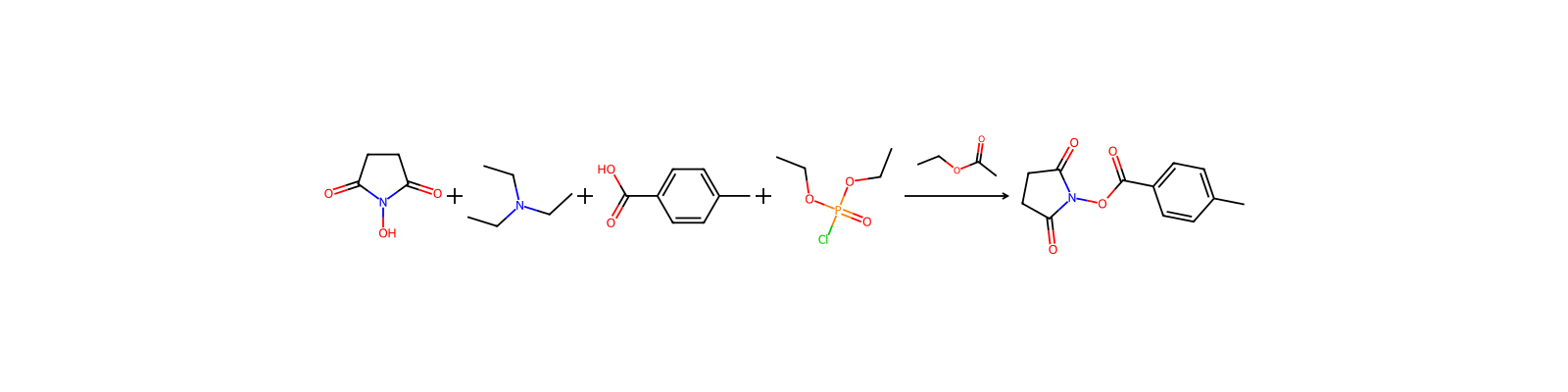
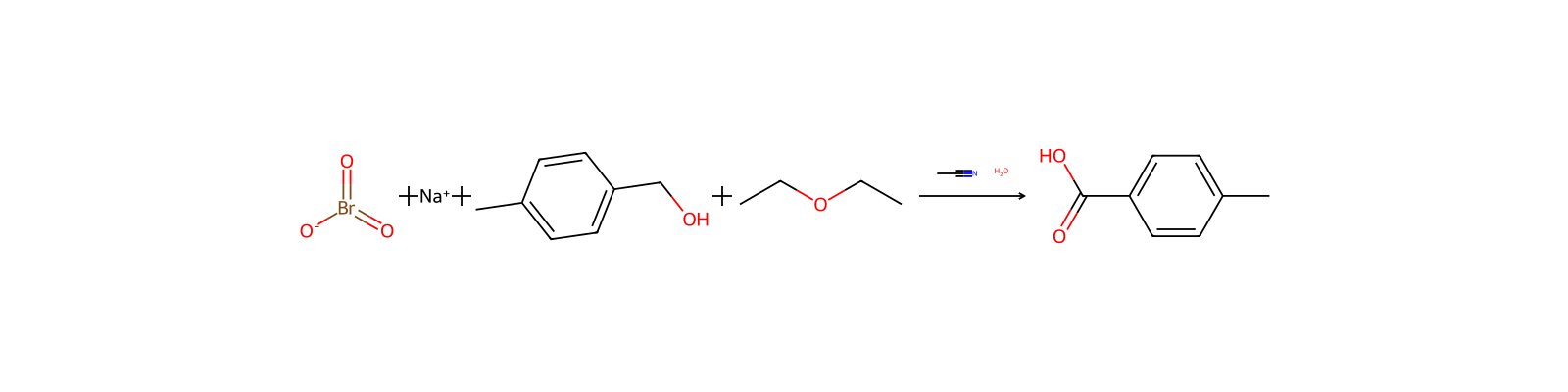
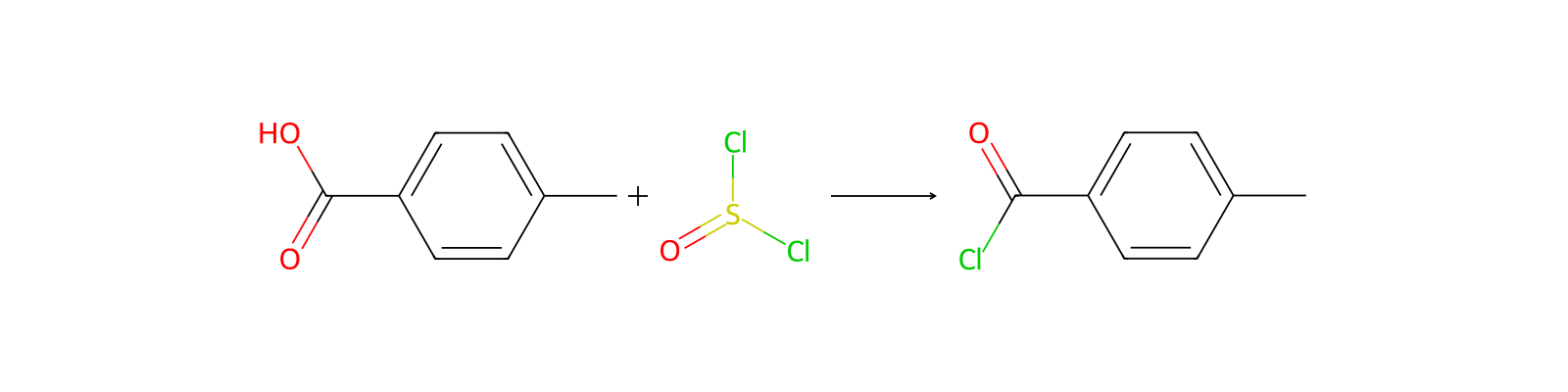
539건
반응 기록 만들기
HRID 1158 반응식
HRID 1158반응물로uspto-grants-1998_03
HRID 1421 반응식
HRID 1421반응물로uspto-grants-1998_03
HRID 3669 반응식
HRID 3669반응물로uspto-grants-1998_03
HRID 3671 반응식
HRID 3671반응물로uspto-grants-1998_03
HRID 9740 반응식
HRID 9740생성물로반응물로uspto-grants-2006_08
HRID 9741 반응식
HRID 9741생성물로반응물로uspto-grants-2006_08
HRID 13740 반응식
HRID 13740생성물로uspto-grants-2010_06
HRID 14750 반응식
HRID 14750반응물로uspto-grants-2010_06
1 / 68 페이지

화합물 노트

불러오는 중…

이 페이지에서기본 정보개요이름 및 식별자물성안전 및 규제화학 및 산업관련 반응화합물 노트
더보기
새 노트새 반응견적 요청하기
끓는 점
274 · 274-275 °C (lit.)
밀도
1 · 1,06 g/cm3
증기압
0.02 hPa · 0.02 hPa (70 °C)
굴절률
1.512 · 1.5120 (estimate)
인화점
181 °C · 181°C
저장 조건
30 °C · Store below +30°C.
용해도
0.3 g/L · 0.3g/L
물리적 상태
가루
산도 계수 (pKa)
4.36 · 4.36(at 25℃)
색상
흰색 ~ 약간 노란색 크림색
수소이온지수(pH)
3.73 · 3.73(1 mM solution);3.2(10 mM solution);2.69(100 mM solution)
수용성
19 · 19ºC에서 <0.1g/100mL
비열
1.24 J/ · Cp(crystal): 1.24 J/(g·K), at 25℃
Merck
14 · 14,9535
BRN
507600 · 507600
Henry's Law Constant
2.7 · 2.7×102 mol/(m3Pa) at 25℃, Wang et al. (2017)
안정성
안정적인. 강한 산화제, 강한 염기와 호환되지 않습니다.
InChI
1S/C8H8O2/c1-6-2-4-7(5-3-6)8(9)10/h2-5H,1H3,(H,9,10)
InChIKey
LPNBBFKOUUSUDB-UHFFFAOYSA-N
SMILES
Cc1ccc(cc1)C(O)=O
LogP
2.44 · 2.44
NIST
4 · Benzoic acid, 4-methyl-(99-94-5)
EPA
4 · Benzoic acid, 4-methyl- (99-94-5)

화학적 성질

colourless crystals or white crystalline powder. Slightly soluble in water; soluble in alcohol and ether. Combustible.

· 1건

P-TOLUIC ACID is a carboxylic acid. Carboxylic acids donate hydrogen ions if a base is present to accept them. They react in this way with all bases, both organic (for example, the amines) and inorganic. Their reactions with bases, called "neutralizations", are accompanied by the evolution of substantial amounts of heat. Neutralization between an acid and a base produces water plus a salt. Carboxylic acids with six or fewer carbon atoms are freely or moderately soluble in water; those with more than six carbons are slightly soluble in water. Soluble carboxylic acid dissociate to an extent in water to yield hydrogen ions. The pH of solutions of carboxylic acids is therefore less than 7.0. Many insoluble carboxylic acids react rapidly with aqueous solutions containing a chemical base and dissolve as the neutralization generates a soluble salt. Carboxylic acids in aqueous solution and liquid or molten carboxylic acids can react with active metals to form gaseous hydrogen and a metal salt. Such reactions occur in principle for solid carboxylic acids as well, but are slow if the solid acid remains dry. Even "insoluble" carboxylic acids may absorb enough water from the air and dissolve sufficiently in it to corrode or dissolve iron, steel, and aluminum parts and containers. Carboxylic acids, like other acids, react with cyanide salts to generate gaseous hydrogen cyanide. The reaction is slower for dry, solid carboxylic acids. Insoluble carboxylic acids react with solutions of cyanides to cause the release of gaseous hydrogen cyanide. Flammable and/or toxic gases and heat are generated by the reaction of carboxylic acids with diazo compounds, dithiocarbamates, isocyanates, mercaptans, nitrides, and sulfides. Carboxylic acids, especially in aqueous solution, also react with sulfites, nitrites, thiosulfates (to give H2S and SO3), dithionites (SO2), to generate flammable and/or toxic gases and heat. Their reaction with carbonates and bicarbonates generates a harmless gas (carbon dioxide) but still heat. Like other organic compounds, carboxylic acids can be oxidized by strong oxidizing agents and reduced by strong reducing agents. These reactions generate heat. A wide variety of products is possible. Like other acids, carboxylic acids may initiate polymerization reactions; like other acids, they often catalyze (increase the rate of) chemical reactions. This chemical is incompatible with strong oxidizers. It is also incompatible with strong bases. (NTP, 1992).

Air and Water ReactionsFine dust dispensed in air in sufficient concentrations, and in the presence of an ignition source is a potential dust explosion hazard. (NTP, 1992). Insoluble in water.
Hazard Classes and CategoriesSkin Irrit. 2 (10.6%)

안전 및 보호

Fire FightingFires involving this material can be controlled with a dry chemical, carbon dioxide or Halon extinguisher. A water spray may also be used. (NTP, 1992)
First Aid · 1건

EYES: First check the victim for contact lenses and remove if present. Flush victim's eyes with water or normal saline solution for 20 to 30 minutes while simultaneously calling a hospital or poison control center. Do not put any ointments, oils, or medication in the victim's eyes without specific instructions from a physician. IMMEDIATELY transport the victim after flushing eyes to a hospital even if no symptoms (such as redness or irritation) develop.

Nonfire Spill Response · 1건

SMALL SPILLS AND LEAKAGE: Should a spill occur while you are handling this chemical, FIRST REMOVE ALL SOURCES OF IGNITION, then you should dampen the solid spill material with 60-70% ethanol and transfer the dampened material to a suitable container. Use absorbent paper dampened with 60-70% ethanol to pick up any remaining material. Seal the absorbent paper, and any of your clothes, which may be contaminated, in a vapor-tight plastic bag for eventual disposal. Solvent wash all contaminated surfaces with 60-70% ethanol followed by washing with a soap and water solution. Do not reenter the contaminated area until the Safety Officer (or other responsible person) has verified that the area has been properly cleaned.

Personal Protective Equipment (PPE) · 1건

RECOMMENDED RESPIRATOR: Where the neat test chemical is weighed and diluted, wear a NIOSH-approved half face respirator equipped with an organic vapor/acid gas cartridge (specific for organic vapors, HCl, acid gas and SO2) with a dust/mist filter. (NTP, 1992)

독성 정보

Adverse EffectsSkin Sensitizer - An agent that can induce an allergic reaction in the skin.
RAIS Toxicity Values · 4건

0.005

PPRTV Current

0.05

PPRTV Current

EPA Provisional Peer-Reviewed Toxicity Values · 6건

p-Toluic Acid

5 x 10^-3 mg/kg-day

5 x 10^-2 mg/kg-day

PDF Document

Inadequate information to assess carcinogenic potential

2017

Hazard Quotient Level 0.1 or Cancer Risk Level 1E-06 · 6건

3.20e+02

4.10e+03

9.00e+01

1.00e+03

2.30e-02

5.00e-03

Hazard Quotient Level 3 or Cancer Risk Level 1E-04 · 6건

9.50e+02

1.20e+04

2.70e+02

1.00e+03

5.00e-03

Volatile

안전 데이터

wgk
1
tsca
TSCA listed
rtecs
XU1575000
독성
LD50 orally in Rabbit: 400 mg/kg
HS 번호
29163900
risk_code
22
hazard_code
Xn
safety_code
22-24/25
기존화학 물질
KE-23487
자연 발화 온도
570 °C
Hazard Classifications
Skin Sens. 1
스토리지 클래스
11 - Combustible Solids
파라시멘

하류 제품

4-히드록시-3-메틸벤조산Methyl 4-amino-6-indolecarboxylateO,O-비스이소프로필O-(4-(메틸설피닐)페닐)포스포로티오에이트4-브로모메틸벤즈아미드1-(3-Chloro-4-((cyclopropylamino)methyl)phenyl)ethanone4-(Chloromethyl)benzoic acid4-(브로모메틸)-N-(L-메틸레틸)벤즈아미드4-브로모메틸벤조산파라-토릴 아이소사이아네이트3-Amino-4-methylbenzoic acid4-브로모메틸벤조일브로마이드963-Chloro-4-((cyclopropylamino)methyl)benzaldehydeN-Benzylhydroxylamine hydrochloridep-톨루오일 염화물메틸 p-톨루에이트2,3,5,6-Tetrafluoro-4-methylbenzyl alcohol4,N-Dimethyl-N-methoxybenzamideMordant Blue 524-포르밀페닐4-메틸벤조에이트

추가 설명

정의ChEBI: A methylbenzoic acid in which the methyl substituent is located at position 4.