스티렌 모노머
Styrene
데이터를 보충하는 중입니다. 잠시 후 페이지를 새로 고치면 최신 내용을 볼 수 있습니다

기본 정보
- CAS
100-42-5- 표준 SMILES
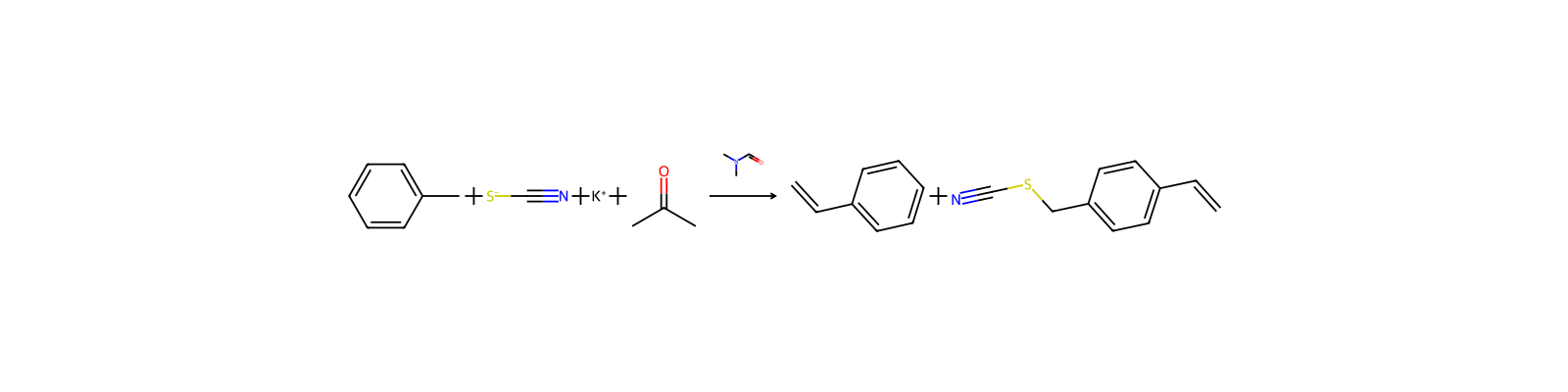
C=Cc1ccccc1- InChIKey
PPBRXRYQALVLMV-UHFFFAOYSA-N- 분자식
- C8H8
- 평균 분자량
- 104.15 g/mol
- 단동위원소 질량
- 104.06260026
이름 및 식별자
- 우선 이름
- Styrene
- IUPAC
- styrene
- 현지명
- 스티렌 모노머
- 영어명
- Styrene
- 분자식
- C8H8
- 분자량
- 104.15
이름 및 동의어
STYRENE100-42-5EthenylbenzenePhenylethyleneVinylbenzeneStyrolBenzene, ethenyl-CinnameneStyrene monomerPhenyletheneStyrolenePhenethylene
이름 더 보기
스티렌비닐벤젠스티렌모노머,억제제에텐일벤젠페닐에텐스타이렌스티렌모노머페닐에틸렌SMOligosaccharidemethyl 2-methylprop-2-enoate
VinylbenzolStyroleVinyl benzeneStyropol SOCinnamolStyrenBenzene, vinyl-Cinnamenol
데이터베이스 식별자
- CAS
100-42-5、79637-11-9、98444-30-5- PubChem CID
- 7501
- DTXSID
DTXSID2021284- ChEMBL
CHEMBL285235- ChEBI
CHEBI:27452- UNII
- 44LJ2U959V
- EC Number
- 202-851-5、616-714-6、619-344-3
- Nikkaji
- J4.006A
물성
구조 계산 물성보충 중
- XLogP
- 2.9
- 극성 표면적
- 0 Ų
- 수소 결합 공여자 수
- 0
- 수소 결합 수용자 수
- 0
- 회전 가능 결합 수
- 1
- 무거운 원자 수
- 8
- 형식 전하
- 0
- 복잡도
- 68
물리화학적 성질
- 녹는점
- 30 °C · −30 °C (−22 °F; 243 K)
- 끓는 점
- 145 °C · 145 °C (293 °F; 418 K)
- 밀도
- 0.909 g/cm3 · 0.909 g/cm3
- 증기 밀도
- 3.6 · 3.6 (vs air)
- 증기압
- 12.4 mm · 12.4 mm Hg ( 37.7 °C)
- 굴절률
- 1.5469 · 1.5469
- 인화점
- 31 °C · 31 °C (88 °F; 304 K)
- 저장 조건
- 20 °C · Store at <= 20°C.
- 용해도
- 0.24 g/L · 0.24g/L
- 산도 계수 (pKa)
- 14 · >14 (Schwarzenbach et al., 1993)
- 물리적 상태
- oily liquid
- 색상
- colorless
- Specific Gravity
- 0.909 · 0.909
- 냄새
- 0.1 % · 트리아세틴 중 0.10%. 달콤한 발삼 꽃무늬 플라스틱
- 냄새 유형
- 발사믹
- 생물학적 소스
- synthetic
- 폭발한계
- 1.1 · 1.1-8.9%(V)
- Odor Threshold
- 0.035 ppm · 0.035ppm
- 수용성
- 0.3 g/L · 0.3g/L(20℃)
안전 및 규제
안전 정보는 참고용이며, 공급업체의 물질안전보건자료(SDS), 관련 법규 및 전문가 평가를 대체하지 않습니다.
안전 데이터
- OEB
- A
- OEL
- TWA: 50 ppm (215 mg/m3), STEL: 100 ppm (425 mg/m3)
- wgk
- 2
- IDLA
- 700 ppm
- tsca
- TSCA listed
- rtecs
- WL3675000
- ridadr
- UN 2055 (STYRENE MONOMER, STABILIZED)
- 독성
- LD50 in mice (mg/kg): 660 ± 44.3 i.p.; 90 ± 5.2 i.v.
- HS 번호
- 2902 50 00
- risk_code
- 10-20-36/38-40-36/37/38-39/23/24/25-23/24/25-11-48/20-63
- hazard_code
- Xn,T,F
- safety_code
- 23-36-26-16-45-36/37-7-46
- 포장분류
- III
- 위험 등급
- 3
- 기존화학 물질
- KE-35342
- 자연 발화 온도
- 914 °F
- Hazard Classifications
- Acute Tox. 4 InhalationAquatic Chronic 3Asp. Tox. 1Eye Irrit. 2Flam. Liq. 3Repr. 2Skin Irrit. 2STOT RE 1 InhalationSTOT SE 3
- 스토리지 클래스
- 3 - Flammable liquids
- 유해 물질 데이터
- 100-42-5(Hazardous Substances Data)
- 함량 및 규제정보
- 물질구분: 유독물질; 혼합물(제품)함량정보: 스티렌[Styrene; Ethenylbenzene; Vinylbenzene; 100-42-5] 및 이를 10% 이상 함유한 혼합물
- 유해화학물질 필터링
- 2021-1-1054
- 중점관리물질 필터링
- 별표1-47
화학 및 산업
응용 분야
개요화학명은 비닐벤젠으로 일명 스티롤이라고도 한다. 무색의 액체이며 비중은 0.9로 물보다 낮고 비등점은 섭씨 1백45.1도, 인화점은 섭씨 32도이다. 유화제품을 크게 지방족탄화수소와 방향족탄화수소로 나누면 후자에 속하며 방향족의 벤젠계, 톨루엔계 크실렌계, 중벤젠계에 속하는 중간원료다.
용도폴리스틸렌, ABS, SBR 제조용으로 사용
개요Styrene has a characteristic, sweet, balsamic, almost floral odor that is extremely penetrating. Styrene occurs naturally in plants. It was first isolated from a resin called storax obtained from the inner bark of the Oriental sweet gum tree (Liquidambar orientalis) by Bonastre. In 1839, the German apothecary Eduard Simon prepared styrene by distilling it from storax and called it styrol. Simon observed it solidifi ed into a rubbery substance after being stored and believed it had oxidized into styrol oxide. Subsequent analysis showed the solid did not contain oxygen and it was renamed metastyrol. This was the first written record of polymerization in chemistry. In 1845, the English chemist, John Blyth, and the German chemist, August Wilhelm von Hofmann (1818 1892), observed that styrene was converted to polystyrene by sunlight and that styrene could be polymerized to polystyrene by heating in the absence of oxygen. It took another 70 years for the polymerization of styrene to be described by Hermann Staudinger (1881 1965) in the 1920s. This laid the foundation for the commercial polystyrene industry that developed in the 1930s.
용도메트포르민은 다낭성 난소 증후군치료에도 사용되며 다른 적응증도 연구중이다. 메트포르민은 간에서 포도당의 생성을 억제한다.
출처Reported found in cranberry and bilberry, currants, grape, parsley, milk and dairy products, whiskey, cocoa, coffee, tea, roasted filberts and roasted peanuts. Also reported found in fresh apple, guava fruit, pineapple, vinegar, butter, fish oil, black tea, roasted filbert, roasted peanut, soybean, plum brandy, apple brandy, Brazil nut, rice bran, Bourbon vanilla, grapes, peach, strawberry, onion, peas, bell pepper, cassia leaf, cheeses, parsley, milk, boiled and scrambled egg, lean fish, fish oil, cooked chicken and beef, rum, malt and Scotch whiskey, cider, grape, wine, cocoa, coffee, honey, cloudberry, plum, rose apple, beans, trassi, walnut, buckwheat, soursop, watercress, kiwifruit, wild rice, sapodilla fruit, nectarine, okra, crab, crayfish and pawpaw.
용도Styrene (monomer) is a viscous, highly flammable liquid that evaporates easily and polymerizes readily to polystyrene unless a stabilizer is added. Styrene is used in multiple industries, especially in reinforced plastics (e.g., fiberglass boats), and is widely used to make plastics and rubber, packaging materials (e.g., packing peanuts ), insulation for buildings, plastic pipes, food containers (e.g., takeout containers), and carpet backing) (ATSDR, 2010).
관련 반응
1,526건





화합물 노트
불러오는 중…