홈MCP워크벤치Skills
홈워크벤치알림마이페이지
llms.txt · MCP 가이드개인정보처리방침 · 이용약관 · 지원v1.8.0
  1. 홈
  2. /화합물

염화벤질

Benzyl Chloride

HCID 7503
새 노트새 반응견적 요청하기
인쇄 미리보기

데이터를 보충하는 중입니다. 잠시 후 페이지를 새로 고치면 최신 내용을 볼 수 있습니다

기본 정보개요이름 및 식별자물성안전 및 규제화학 및 산업관련 반응화합물 노트
부분 구조 검색유사 구조 찾기

기본 정보

CAS
100-44-7
표준 SMILES
ClCc1ccccc1
InChIKey
KCXMKQUNVWSEMD-UHFFFAOYSA-N
분자식
C7H7Cl
평균 분자량
126.58 g/mol
단동위원소 질량
126.0236279

개요

Benzyl Chloride can cause cancer according to The World Health Organization's International Agency for Research on Cancer (IARC).

이름 및 식별자

우선 이름
Benzyl Chloride
IUPAC
chloromethylbenzene
현지명
염화벤질
영어명
Benzyl chloride
분자식
C7H7Cl
분자량
126.58

이름 및 동의어

BENZYL CHLORIDE(Chloromethyl)benzene100-44-7Chloromethylbenzenealpha-ChlorotolueneBenzylchlorideBenzylchloridChlorophenylmethaneTolyl chlorideChlorure de benzylealpha-Chlortoluolomega-Chlorotoluene
이름 더 보기
염화벤질알파-클로로톨루엔염화벤질OMEGA-CHLOROTOLUENE오메가-클로로톨루엔클로로페닐메탄톨릴클로라이드(클로로메틸)벤젠염화벤질염화 벤질α-클로로톨루엔벤질 클로라이드BnClBenzileα-ChlorotolueneBzl-ClC6H5CH2ClA-CHLOROTOLUENE
Benzene, (chloromethyl)-RCRA waste number P028Toluene, alpha-chloro-NCI-C06360Benzile (cloruro di)Benzyle (chlorure de)DTXSID0020153Phenylmethyl chloride

데이터베이스 식별자

CAS
100-44-7
PubChem CID
7503
DTXSID
DTXSID0020153
ChEMBL
CHEMBL498878
ChEBI
CHEBI:615597
UNII
83H19HW7K6
EC Number
202-853-6、905-236-6
Nikkaji
J4.007J

물성

구조 계산 물성보충 중

XLogP
2.3
극성 표면적
0 Ų
수소 결합 공여자 수
0
수소 결합 수용자 수
0
회전 가능 결합 수
1
무거운 원자 수
8
형식 전하
0
복잡도
55.4

실험 및 물리화학적 성질

Chemical Classes · 3건

Hazardous Air Pollutants (HAPs)

Other Classes -> Halogenated Monoaromatics

Carcinogens

SpringerMaterials Properties13C nuclear magnetic resonance spectrum
PesticidesPesticide -> EPA IRIS
LogP · 3건

log Kow = 2.30

2.3

2.3

Odor · 2건

Rather unpleasant, irritating odor

Pungent, aromatic odor

Density · 6건

1.1 at 68 °F (EPA, 1998) - Denser than water; will sink

1.1004 g/cu cm at 20 °C

Relative density (water = 1): 1.1

1.1

1.1004 @ 20°C

1.10

Color/FormColorless to slightly yellow liquid
Solubility · 6건

Reaction (NTP, 1992)

In water, 525 mg/L at 25 °C

Miscible with ethanol, ethyl ether, chloroform; slightly soluble in carbon tetrachloride

Miscible in most organic solvents

Soluble in ethanol(>10%), ethyl ether(>10%), and chloroform(>10%)

Solubility in water, g/100ml:

안전 및 규제

안전 정보는 참고용이며, 공급업체의 물질안전보건자료(SDS), 관련 법규 및 전문가 평가를 대체하지 않습니다.

GHS 분류

GHS Classification · 6건

Danger

H302: Harmful if swallowed [Warning Acute toxicity, oral]

P203, P260, P261, P264, P264+P265, P270, P271, P280, P301+P317, P302+P352, P304+P340, P305+P354+P338, P316, P317, P318, P319, P321, P330, P332+P317, P362+P364, P403+P233, P405, and P501 (click each P-code to see the statement)

Danger

H302 (100%): Harmful if swallowed [Warning Acute toxicity, oral]

P203, P260, P261, P264, P264+P265, P270, P271, P272, P280, P301+P317, P302+P352, P304+P340, P305+P354+P338, P316, P317, P318, P319, P321, P330, P332+P317, P333+P317, P362+P364, P403+P233, P405, and P501 (click each P-code to see the statement)

유해성 정보

Regulatory Information · 6건

Chemical: Benzene, (chloromethyl)-

Hazard Traits - Carcinogenicity; Dermatotoxicity; Ocular Toxicity; Respiratory Toxicity

List II Chemical: A chemical, other than a List I chemical, specified by regulation that, in addition to legitimate uses, is used in manufacturing a controlled substance in violation of the Act. (21 eCFR 1310.02)

Benzene, (chloromethyl)- is listed on the EPA's Chemical Data Reporting (CDR) system. Manufacturers and importers of Benzene, (chloromethyl)- are required to report information about their production and use of this chemical to the EPA under the Toxic Substances Control Act (TSCA). (40 eCFR Part 711)

Status: Active Update: 29-05-2013 https://echa.europa.eu/registration-dossier/-/registered-dossier/10666

Status: Active Update: 22-08-2022 https://echa.europa.eu/registration-dossier/-/registered-dossier/14202

Other Safety InformationIMAP assessments - Benzene, (chloromethyl)-: Human health tier II assessment
DOT LabelPoison Corrosive
Fire Hazards · 3건

It burns but does not ignite readily. It may ignite combustibles. When heated to decomposition, it emits toxic and corrosive fumes. Some organic chlorides decompose to yield phosgene. Incompatible with active metals such as copper, aluminum, magnesium, iron, zinc, and tin and keep from strong oxidizing agents. Avoid contact with acids or acid fumes. Keep separate from oxidizing materials. May become unstable at elevated temperatures and pressures; may react with water resulting in some nonviolent release of energy. Polymerizes with evolution of heat and hydrogen chloride when in contact with all common metals except nickel and lead. (EPA, 1998)

화학 및 산업

약리 정보

Biological Half-Life · 4건

Whole body (animal studies): 2-3 days; [TDR, p. 177]

Male Sprague Dawley rats were exposed to benzyl chloride vapor (1.05 mg/L) for 6 hr. ... The absorption half-life was 0.53 hr and the elimination half-life 1.12 hr. ...

In rats receiving (14)C-benzyl chloride in corn oil by gavage, the peak plasma level was reached after 30 min. The distribution half-life was 1.3 hr, while the elimination half-life was 58.5 hr.

... Male Sprague-Dawley-rats were fed single 50mg/kg doses of carbon-14 (C-14) tagged /benzyl chloride/ (BCl). ... half life was 1.3 hours, and elimination took 58.5 hours. ...

Metabolism/Metabolites · 5건

Benzyl chloride ... and other compounds with labile halogen atom give mercapturic acids /benzylmercapturic acid/ in which the l-acetylcysteine moiety replaces the labile halogen.

/Benzyl chloride/ can react with tissue proteins and is metabolized in rodents and rabbits to N-acetyl-S-benzylcysteine (benzyl mercapturic acid) through side-chain conjugation and to benzoic acid and the glycine conjugate of benzoic acid (hippuric acid). The percentages of the dose excreted in the urine as benzyl mercapturic acid in rats, guinea-pigs and rabbits, respectively, were 27%, 4% and 49%. Rabbits also excrete about 37% as benzoic acid (17% free acid and 20% conjugated). In rats, 30% of the dose was recovered as the hippuric acid derivative.

Isolation of aralkylmercapturic acids following administration of aralkyl halides, eg benzyl chloride to animals led to the detection of glutathione s-aralkyl transferase.

Yields benzoic acid in rabbits; yields S-benzylglutathione in rat, guinea pig, mouse, man, dog and rabbit /from table/

For more Metabolism/Metabolites (Complete) data for BENZYL CHLORIDE (11 total), please visit the HSDB record page.

Absorption, Distribution and Excretion · 5건

In rats receiving (14)C benzyl chloride in corn oil by gavage, the peak plasma level was reached after 30 min. The distribution half-life was 1.3 hr, while the elimination half-life was 58.5 hr. After 48 hr, the higher concentrations were found in the stomach, gastric contents, ileum and duodenum, followed by liver, adrenal, bone marrow and blood. After 72 hr, approximately 76% was excreted in urine and, in expired air, 7% as (14)CO2 and less than 1.3% as benzyl chloride or its metabolites.

관련 반응

2,190건
반응 기록 만들기
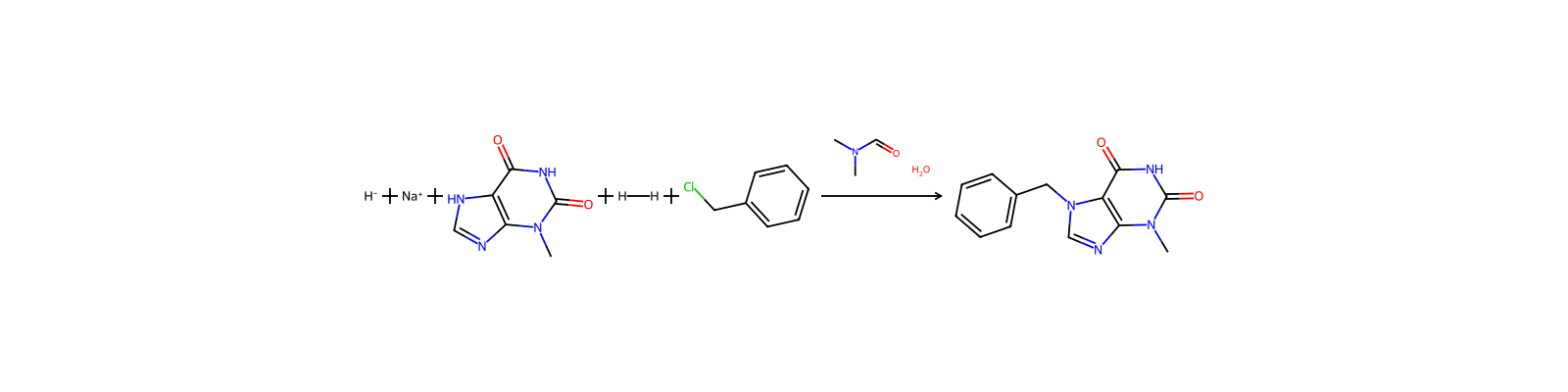
HRID 1171 반응식
HRID 1171반응물로uspto-grants-1998_03
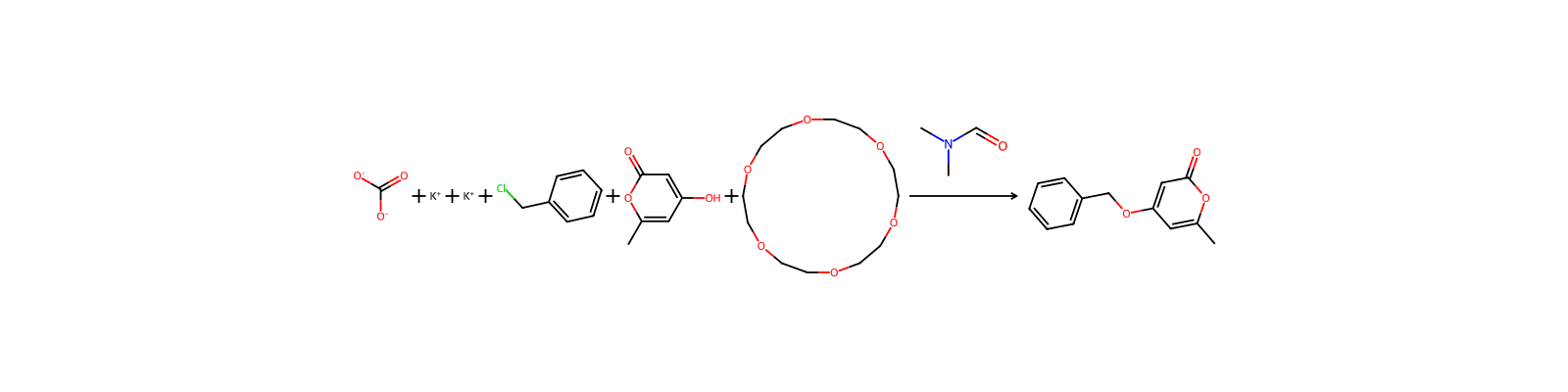
HRID 1542 반응식
HRID 1542반응물로uspto-grants-1998_03
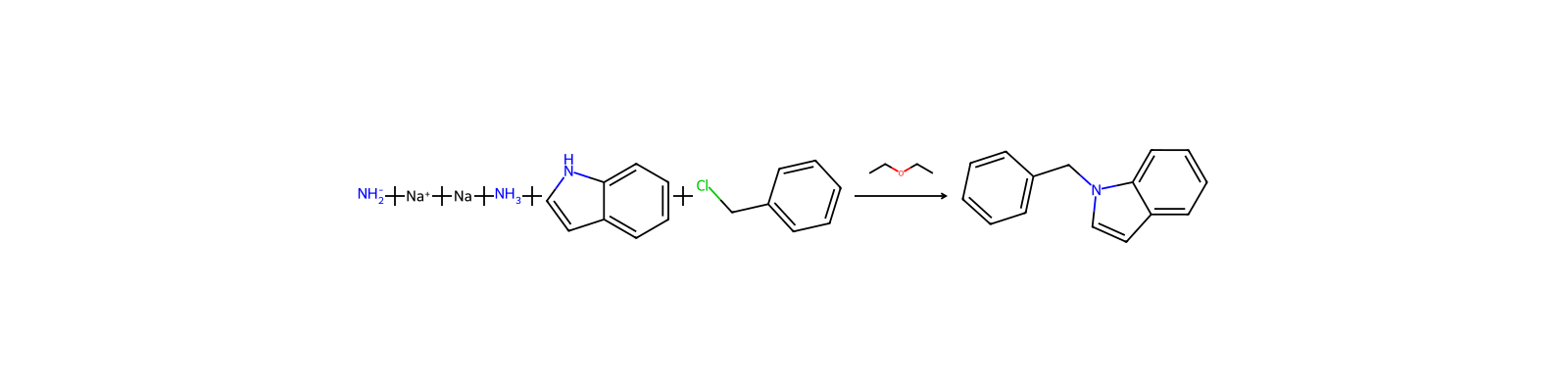
HRID 1995 반응식
HRID 1995반응물로uspto-grants-1998_03
HRID 2405 반응식
HRID 2405반응물로uspto-grants-1998_03
HRID 2689 반응식
HRID 2689반응물로uspto-grants-1998_03
HRID 2909 반응식
HRID 2909반응물로uspto-grants-1998_03
HRID 4943 반응식
HRID 4943반응물로uspto-grants-1993_09
HRID 5592 반응식
HRID 5592반응물로uspto-grants-1993_09
1 / 274 페이지

화합물 노트

불러오는 중…

이 페이지에서기본 정보개요이름 및 식별자물성안전 및 규제화학 및 산업관련 반응화합물 노트
더보기
새 노트새 반응견적 요청하기
Corrosivity · 2건

Corrosive to metal ... .

Corrosive

Flash Point · 6건

153 °F (EPA, 1998)

153 °F

153 °F (67 °C) (closed cup)

74 °C (open cup)

67 °C c.c.

153 °F

Endocrine DisruptorsPotential endocrine disrupting compound
Boiling Point · 6건

354 °F at 760 mmHg (EPA, 1998)

174 °C

BP: 99 °C at 62 mm Hg

179 °C

354 °F

179 °C @760 [mm Hg]

물리화학적 성질

녹는점
39 °C · −39 °C (−38 °F; 234 K)
끓는 점
179 °C · 179 °C (354 °F; 452 K)
밀도
1.1 g/cm3 · 1.100 g/cm3
증기 밀도
4.36 · 4.36 (vs air)
증기압
10.3 mm · 10.3 mm Hg ( 60 °C)
굴절률
1.5415 · 1.5415 (15 °C)
인화점
67 °C · 67 °C (153 °F; 340 K)
저장 조건
30 °C · Store below +30°C.
용해도
0.46 g/L · 용해성0.46g/L @ 30°C (물과 접촉 시 분해)
물리적 상태
liquid
색상
Colorless to slightly yellow
냄새
자극적이고 자극적입니다.
폭발한계
1.1 · 1.1-14%(V)
수용성
0.3 g/L · 0.3g/L(20℃)
Merck
14 · 14,1129
BRN
471308 · 471308
Henry's Law Constant
(x 10-4 atmm3/mol): 3.57 at 20.00 °C (inert gas stripping, Hovorka and Dohnal, 1997)
Dielectric constant
7 · 7.0(13℃)
안정성
Unstable - inhibitors such as propylene oxide or trimethylamine are usually added to prevent polymerization. Combustible. Incompatible with strong oxidizing agents, water, acids, most common metals, dimethyl sulfoxide. Above flash point vapour-air mixtures are explosive within the limits noted above. Contact with water produces toxic fumes.
InChI
1S/C7H7Cl/c8-6-7-4-2-1-3-5-7/h1-5H,6H2
InChIKey
KCXMKQUNVWSEMD-UHFFFAOYSA-N
SMILES
ClCc1ccccc1
LogP
2.3 at · 2.3 at 20℃ and pH7
표면장력
39.36 mN/m · 39.36mN/m at 298.15K
NIST
Benzyl chloride(100-44-7)
EPA
Benzyl chloride (100-44-7)
화학적 성질 · 1건

Benzyl chloride is a colorless to s lightly yellow liquid with a strong, unpleasant, irritating odor. The Odor Threshold is 0.05 ppm.The stabilized form of benzyl chloride contains a fixed amount of a sodium carbonate solution or propylene oxide.

· Combustible material: may burn but does not ignite readily.

Combustible. Gives off irritating or toxic fumes (or gases) in a fire. Above 67 °C explosive vapour/air mixtures may be formed.

Fire Potential · 2건

Combustible. Gives off irritating or toxic fumes (or gases) in a fire.

Flammable and moderately explosive when exposed to heat or flame.

Health Hazards · 2건

Intensely irritating to skin, eyes, and mucous membranes. Highly toxic; may cause death or permanent injury after very short exposure to small quantities. Has been listed as a direct-acting or primary carcinogen. Large doses cause central nervous system depression. (EPA, 1998)

· TOXIC and/or CORROSIVE; inhalation, ingestion or contact (skin, eyes) with vapors, dusts or substance may cause severe injury, burns or death.

Hazards Summary · 3건

Benzyl chloride is used as a chemical intermediate in the manufacture of certain dyes and pharmaceutical products and as a photographic developer. The acute (short-term) effects of benzyl chloride from inhalation exposure in humans consist of severe irritation of the upper respiratory tract, skin, eyes, and mucous membranes, and lung damage along with pulmonary edema (fluid in lungs). Exposure to high concentrations also causes effects on the central nervous system (CNS). Animal data indicate that long- term exposure to benzyl chloride by gavage (placing it experimentally in the stomachs of mice) increased the incidence of benign and malignant tumors at multiple sites and resulted in a significant increase in thyroid tumors in female rats. EPA has classified benzyl chloride as a Group B2, probable human carcinogen.

A mucous membrane and respiratory irritant; [ACGIH] A lachrymator; [CHEMINFO] Corrosive to the eyes; Irritating to the respiratory tract and may cause pulmonary edema; May damage the liver and kidneys and cause CNS depression; [ICSC]

The major hazards encountered in the use and handling of benzyl chloride stem from both its toxicologic and chemical/physical properties. Toxic by all routes (ie, oral, dermal, inhalation), exposure to benzyl chloride may occur occupationally at sites where the substance is used as a chemical intermediate in the synthesis of a wide range of commercial products (eg, dyes, perfumes, resins, plasticizers, and pesticides), or environmentally, from industrial sources, incinerators, and certain floor tiles. This colorless to slightly yellow liquid is an severe irritant to skin, eyes, and mucous membranes. Lung damage, pulmonary edema, permanent eye damage, and CNS depression are all possible. While the OSHA permissible exposure level for benzyl chloride is set at 5 mg/cu m (1 ppm), as an 8-hour time weighted average (TWA), its pungent odor can be detected at levels as low as 0.235 mg/cu m. The manufacturing process should be enclosed as completely as possible, and local exhaust ventilation applied wherever there are point source emissions. In benzyl chloride atmospheres of 10 ppm (the IDLH level) or higher, respirators are required. Respirators considered for selection should include: self-contained, supplied-air with full facepiece, and operated in positive pressure mode, and powered air-purifying with organic vapor and acid gas cartridge. Protective clothing and rubber gloves also should be worn. Any material which contacts the body must be washed away with copious amounts of water. Eyewash and quick drench facilities should be provided for this purpose. While considered to be only a moderate fire hazard (flashpoint: 153 °F), benzyl chloride, if heated to decomposition (in the presence of common metals such as iron, copper, aluminum, and tin), can reach explosive violence. Also, benzyl chloride fires may produce irritating or poisonous gases. Fire fighters must wear a self-contained breathing apparatus, and can extinguish the fire using water spray, alcohol foam, CO2, or dry chemical. Benzyl chloride may ract with water, with some release of energy. Therefore, water should be applied in flooding quantities as a fog from as far a distance as possible. Runoff from fire control water should be prevented from entering water sources and sewers. Benzyl chloride should be stored in a cool, dry, well ventilated location; away from sparks, flames, oxidizing materials, and combustibles, i.e., wood or oil. Packaging materials are limited by the fact benzyl chloride polymerizes (with evolution of heat and hydrochloric acid (HCl) when in contact with all common metals except nickel and lead. If this occurs in a container, there is the possibility of violent rupture. Containers of benzyl chloride may be shipped by air, rail, road, or water, and should be affixed with labels stating, "Poison and Corrosive." Regulatory requirements of the DOT should be consulted before transport. For all benzyl chloride spills, water spray may be needed to knock down vapor. Small spills of benzyl chloride should be taken up with sand or other noncombustible absorbent and placed in containers for later disposal. Large land spills should be deposited in excavated pits, ponds, or other holding areas (fitted with impermeable flexible membrane liners, if possible) for later disposal. Any surface flow should be diked with soil or sand bags, and a "universal" gelling agent applied to immobilize the spill. For water spill, trap the substance at the bottom with sand bag barriers and remove with suction hoses, or apply activated carbon and remove immobilized masses of pollutants and precipitates with mechanical dredges of lifts. Benzyl chloride is a good candidate for liquid injection and rotary forms of incineration. Generators of waste (equal to or greater than 100 kg/mo) containing benzyl chloride (EPA hazardous waste number P028) must conform with USEPA regulations in storage, transportation, treatment and disposal of waste

DOT ID and Guide · 2건

1738 156

1738 156

Reactive GroupHalogenated Organic Compounds
EC ClassificationSymbol: T; R: 45-22-23-37/38-41-48/22; S: 53-45; Note: E
UN ClassificationUN Hazard Class: 6.1; UN Subsidiary Risks: 8; UN Pack Group: II
Special Reports · 2건

Barber LB et al; Environ Sci Technol 22 (2): 205-11 (1988). Organic pollutant fate in groundwater; Chlorides in groundwater.

Lijinsky W et al; J Nat'l Cancer Inst 76 (6): 1231-5 (1986). Route: oral, gavage; Species: rats and mice.

안전 및 보호

Fire Fighting · 2건

Areas may be entered freely with full-faced mask, self-contained breathing apparatus which provides eye protection, rubber gloves, and hand and arm protection.

Use powder, AFFF, foam, carbon dioxide. In case of fire: keep drums, etc., cool by spraying with water.

First Aid Measures · 4건

Fresh air, rest. Half-upright position. Refer for medical attention.

Remove contaminated clothes. Rinse skin with plenty of water or shower. Refer for medical attention .

First rinse with plenty of water for several minutes (remove contact lenses if easily possible), then refer for medical attention.

Rinse mouth. Refer for medical attention .

Accidental Release Measures · 2건

· CALL 911. Then call emergency response telephone number on shipping paper. If shipping paper not available or no answer, refer to appropriate telephone number listed on the inside back cover.

· ELIMINATE all ignition sources (no smoking, flares, sparks or flames) from immediate area.

First Aid · 3건

Signs and Symptoms of Acute Benzyl Chloride Exposure: Benzyl chloride may be very irritating to the skin, eyes, and mucous membranes. Eye irritation may be severe, and permanent eye damage may result. Lacrimation (tearing) is common. Other signs and symptoms of acute exposure may include headache, dizziness, weakness, fatigue, irritability, itching of the skin, profuse sweating, insomnia, tremors, unsteadiness, and central nervous system depression. Gastrointestinal effects may include nausea, vomiting, cramps, anorexia, and diarrhea. Pulmonary edema and disturbance of liver function may also occur.

General First Aid:

(General first aid procedures)

Safe StorageSeparated from food and feedstuffs and incompatible materials. See Chemical Dangers. Dry. Ventilation along the floor. Store only if stabilized.
Exposure Control and Personal Protection · 2건

· Wear positive pressure self-contained breathing apparatus (SCBA).

17.0 [ppm]

Fire Fighting Procedures · 4건

Use water spray, dry chemical, foam, or carbon dioxide. Use water to keep fire-exposed containers cool. Approach fire from upwind to avoid hazardous vapors and toxic decomposition products.

If material on fire or involved in fire: Use water in flooding quantities as fog. Cool all affected containers with flooding quantities of water. Apply water from as far a distance as possible. Solid streams of water may be ineffective. Use "alcohol" foam, dry chemical or carbon dioxide.

/If material on fire or involved in fire/ use powder, AFFF /Aqueous Film-Forming Foam/, foam, carbon dioxide.

Inhaltion - /Provide/ fresh air, rest. /Keep person in/ half-upright position. Skin /exposure/ - remove contaminated clothes. Rinse skin with plenty of water or shower. Eyes /exposure/ - First rinse with plenty of water for several minutes (remove contact lenses if easily possible). Ingestion - rinse mouth.

Storage Conditions · 3건

Separated from food and feedstuffs and incompatible materials . Ventilation along the floor. Store only if stabilized.

Store in a cool, dry, well-ventilated location. Outside or detached storage is preferred. Store away from oxidizing materials..

Should be closed in tightly closed containers in a cool, well-ventilated area away from sunlight, heat, moisture, active metals, oxidizers. Metal containers involving the transfer of this chemical should be grounded and bonded. ... Drums must be equipped with self-closing valves, pressure vacuum bungs; and flame arresters. Use only non-sparking tools and equipment, especially when opening and closing containers of this chemical. Sources of ignition, such as smoking and open flames, are prohibited where this chemical is used, handled or stored in a manner that could create a potential fire or explosion hazard.

Cleanup Methods · 5건

Environmental considerations: Air spill: Apply water spray or mist to knock down vapors. Vapor knockdown water is corrosive or toxic and should be diked for containment.

Environmental considerations: Land spill: Dig a pit, pond, lagoon, or holding area to contain liquid or solid material. /SRP: If time permits, pits, ponds, lagoons, soak holes, or holding areas should be sealed with an impermeable flexible membrane liner./ Dike surface flow using soil, sand bags, foamed polyurethane, or foamed concrete. Apply "universal" gelling agent to immobilize spill.

Environmental considerations: Water spill: Use natural deep water pockets, excavated lagoons, or sand bag barriers to trap material at bottom. Remove trapped material with suction hoses. If dissolved, in region of 10 ppm or greater concentration, apply activated carbon at ten times the spill amount. Use mechanical dredges or lifts to remove immobilized masses of pollutants and precipitates.

Stop or control leak, if this can be done without undue risk. Use water spray to cool and protect personnel. Approach release from upwind. Absorb in noncombustible material for proper disposal.

For more Cleanup Methods (Complete) data for BENZYL CHLORIDE (6 total), please visit the HSDB record page.

Nonfire Spill ResponseExcerpt from ERG Guide 156 [Substances - Toxic and/or Corrosive (Combustible / Water-Sensitive)]:
Disposal Methods · 4건

Generators of waste (equal to or greater than 100 kg/mo) containing this contaminant, EPA hazardous waste number P028, must conform with USEPA regulations in storage, transportation, treatment and disposal of waste.

SRP: Wastewater from contaminant suppression, cleaning of protective clothing/equipment, or contaminated sites should be contained and evaluated for subject chemical or decomposition product concentrations. Concentrations shall be lower than applicable environmental discharge or disposal criteria. Alternatively, pretreatment and/or discharge to a permitted wastewater treatment facility is acceptable only after review by the governing authority and assurance that "pass through" violations will not occur. Due consideration shall be given to remediation worker exposure (inhalation, dermal and ingestion) as well as fate during treatment, transfer and disposal. If it is not practicable to manage the chemical in this fashion, it must be evaluated in accordance with EPA 40 CFR Part 261, specifically Subpart B, in order to determine the appropriate local, state and federal requirements for disposal.

Incineration at 1500 °F for 0.5 sec minimum for primary combustion and 2200 °F for 12.0 sec for secondary combustion. Elemental chlorine formation may be alleviated by injection of steam or methane into the combustion process.

A good candidate for liquid injection incineration at a temperature range of 650 to 1,600 °C and a residence time of 0.1 to 2 seconds. A good candidate for rotary kiln incineration at a temperature range of 820 to 1,600 °C and residence times of seconds for liquids and gases, and hours for solids.

Spillage Disposal · 1건

Personal protection: chemical protection suit including self-contained breathing apparatus. Do NOT let this chemical enter the environment. Collect leaking and spilled liquid in covered non-metallic containers as far as possible. Absorb remaining liquid in sand or inert absorbent. Then store and dispose of according to local regulations.

독성 정보

Cancer SitesEndocrine
Target OrgansEyes, skin, respiratory system, central nervous system
Ecotoxicity Values · 5건

LC50; Species: Penaeus setiferus (white shrimp); Conditions: /static/; Concentration: 7.1 mg/L for 24 hr

LC50; Species: Penaeus setiferus (white shrimp); Conditions: /static/; Concentration: 4.4 mg/L for 48 hr

LC50; Species: Penaeus setiferus (white shrimp); Conditions: /static/; Concentration: 3.9 mg/L for 96 hr

LC50; Species: Pimephales promelas (fathead minnow); Conditions: /static/; Concentration: 11.6 mg/L for 24 hr

For more Ecotoxicity Values (Complete) data for BENZYL CHLORIDE (15 total), please visit the HSDB record page.

Environmental Fate · 3건

TERRESTRIAL FATE: Based on a classification scheme(1), an estimated Koc value of 100(SRC), determined from a log Kow of 2.30(2) and a regression-derived equation(3), indicates that benzyl chloride is expected to have high mobility in soil(SRC). Volatilization of benzyl chloride from moist soil surfaces is expected to be an important fate process(SRC) given an estimated Henry's Law constant of 4.1X10⁻⁴ atm-cu m/mole(SRC), derived from its vapor pressure, 1.23 mm Hg(4), and water solubility, 525 mg/L(5). Benzyl chloride is expected to volatilize from dry soil surfaces(SRC) based upon its vapor pressure(4). Utilizing the Japanese MITI test, 70.9% of the Theoretical BOD was reached in 2 weeks(6) indicating that biodegradation is an important environmental fate process(SRC). However, because of its rapid reaction in water, the percent biodegradation may be that of the hydrolysis product, benzyl alcohol(6).

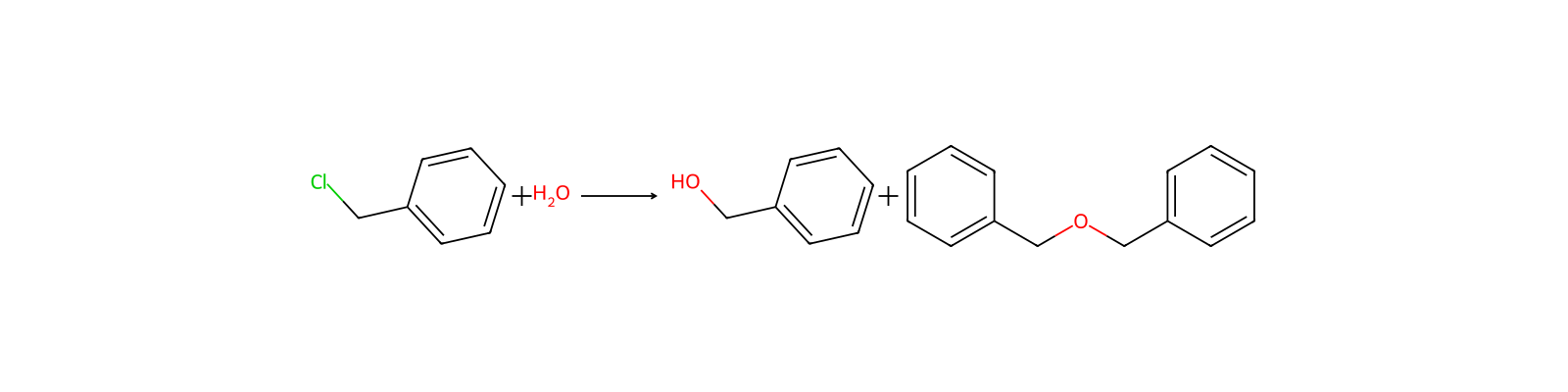
AQUATIC FATE: Based on a classification scheme(1), an estimated Koc value of 100(SRC), determined from a log Kow of 2.30(2) and a regression-derived equation(3), indicates that benzyl chloride is not expected to adsorb to suspended solids and sediment(SRC). Volatilization from water surfaces is expected(4) based upon an estimated Henry's Law constant of 4.1X10⁻⁴ atm-cu m/mole(SRC), derived from its vapor pressure, 1.23 mm Hg(5), and water solubility, 525 mg/L(6). Using this Henry's Law constant and an estimation method(4), volatilization half-lives for a model river and model lake are 6 hrs and 5 days, respectively(SRC). Benzyl chloride hydrolyzes in water with a reported half-life of 15 hours reported(7). According to a classification scheme(8), an estimated BCF of 20(SRC), from its log Kow(2) and a regression-derived equation(3), suggests the potential for bioconcentration in aquatic organisms is low(SRC). Utilizing the Japanese MITI test, 70.9% of the Theoretical BOD was reached in 2 weeks(9) indicating that biodegradation is an important environmental fate process(SRC). However, because of its rapid reaction in water, the percent biodegradation may be that of the hydrolysis product, benzyl alcohol(9).

ATMOSPHERIC FATE: According to a model of gas/particle partitioning of semivolatile organic compounds in the atmosphere(1), benzyl chloride, which has a vapor pressure of 1.23 mm Hg at 25 °C(2), is expected to exist solely as a vapor in the ambient atmosphere. Vapor-phase benzyl chloride is degraded in the atmosphere by reaction with photochemically-produced hydroxyl radicals(SRC); the half-life for this reaction in air is estimated to be 7 days(SRC), calculated from its rate constant of 2.90X10⁻¹² cu cm/molecule-sec at 25 °C(3). Benzyl chloride does not contain chromophores that absorb at wavelengths >290 nm(4) and, therefore, is not expected to be susceptible to direct photolysis by sunlight(SRC).

Adverse EffectsNeurotoxin - Other CNS neurotoxin
Exposure Routes · 2건

The substance can be absorbed into the body by inhalation, through the skin and by ingestion.

inhalation, ingestion, skin and/or eye contact

Toxicity Summary · 1건

Toxic by all routes (ie, oral, dermal, inhalation), exposure to benzyl chloride may occur occupationally at sites where the substance is used as a chemical intermediate in the synthesis of a wide range of commercial products (eg, dyes, perfumes, resins, plasticizers, and pesticides), or environmentally, from air contaminated by industrial sources, incinerators, and certain floor tiles. This colorless to slightly yellow liquid is an extreme irritant to skin, eyes, and mucous membranes. Symptomatology may include severe irritation of the upper respiratory tract (with coughing), conjuctivitis, dizziness, weakness, headache, tremors in eyelids and fingers, increased bilirubin in blood, and decrease in number of leukocytes. Lung damage, pulmonary edema, permanent eye damage, and CNS depression are all possible from severe exposure. While listed in one source as an example of primary carcinogen, IARC reports that inadequate evidence in humans, and only limited evidence in animals prevents benzyl chloride from being classified as to its carcinogenicity to humans. Acute oral dosing of rats led to severe gastritis, hyperkeratosis and hyperplasia of the squamouns stomach, and progressive lesions of the heart (including necrosis of myocardial fibers). In short-term tests, skin sensitization was show in guinea pigs, and both eye and respiratory tract irritation in cats and rabbits. Benzyl chloride tested positive for mutagenicity in Salmonella, E coli, hamster embryonal cell transformation, and S cerevisiae recombination assays. Also, benzyl chloride, given iv to male mice, caused an increase in the degree of alkylation of DNA in the lung, and alkylation of hemoglobin. BD rats, given weekly sc injections of benzyl chloride for 51 weeks, developed injection site sarcomas; with most animals experiencing lung metastases, as well. Another study with sc injected rats, also reported massive local sarcomas. However, benzyl chloride applied twice weekly to the shaved dorsal region of Swiss albino mice for seven months, resulted in no discernible neoplastic changes. A/HE mice, of both sexes, after receiving ip injections thrice weekly for 24 weeks, experienced a statistically insignificant incidence of lung tumors. Benzyl chloride, given orally to Wistar rats from 1-19 days of gestation, produced a high incidence of embryolethality and retarded development in surviving offspring; but, no malformations. Likewise, benzyl chloride, given orally to female Sprague-Dawley rats from day 6 through 15 of gestation, resulted in reduced fetal length, but no toxic symptoms and no major skeletal or visceral abnormalities were seen. Benzyl chloride is absorbed through the lung and gut. Studies with rats showed urinary excretion 80-90% of the substance to occur in 24 hours. Products of benzyl chloride metabolism have been reported to include benzyl mercapturic acid and s-benzylgluthione.

Ecotoxicity Excerpts · 3건

/AQUATIC SPECIES/ Mosquito Fish (Gambusia affinis) were exposed for 7 days to 0.05 and 0.5 mg/L of benzyl chloride; chemosensory system had affect at both concentrations, effectiveness was proportionate to exposure concentrations (determination of response to standard stimulant L-serine).

/AQUATIC SPECIES/ Cyprinus carpio (Fish, fresh water) were force-fed /Benzyl chloride/ for 44 hrs. NOEC /No Observable Effect Level/ was 107 - 176 mg/kg bw

/AQUATIC SPECIES/ Benzyl chloride produced differential cytotoxicity for a mutant of Saccharomyces cerevisiae, the extent of which was dependent on the presence of genes regulating DNA repair

Signs and Symptoms · 5건

Burning sensation. Cough. Nausea. Headache. Shortness of breath. Dizziness.

MAY BE ABSORBED! Redness. Pain.

Watering of the eyes. Redness. Pain. Blurred vision. Severe deep burns.

Abdominal pain. Diarrhoea. Vomiting. Burning sensation.

irritation eyes, skin, nose; lassitude (weakness, exhaustion); irritability; headache; skin eruption; pulmonary edema

Ongoing Test Status · 1건

The following link will take the user to the National Toxicology Program (NTP) Test Agent Search Results page, which tabulates all of the "Standard Toxicology & Carcinogenesis Studies", "Developmental Studies", and "Genetic Toxicity Studies" performed with this chemical. Clicking on the "Testing Status" link will take the user to the status (i.e., in review, in progress, in preparation, on test, completed, etc.) and results of all the studies that the NTP has done on this chemical.[Available from, as of February 18, 2014: http://ntp-apps.niehs.nih.gov/ntp_tox/index.cfm?fuseaction=ntpsearch.searchresults&searchterm=100-44-7]

Effluent Concentrations · 1건

Benzyl chloride has been detected in various unidentified industrial effluents(1). In the USA, benzyl chloride is emitted to the atmosphere from its commercial production and use at an estimated rate of 45,000 lbs/year with the emissions originating from scrubber vents, vacuum jets, storage and fugitive emissions, and equipment leaks(2). Stack emissions from waste incineration have been found to contain benzyl chloride(3). Emissions of benzyl chloride from floor tile manufactured with butyl benzyl phthalate have been reported(4).

ICSC Environmental DataThe substance is toxic to aquatic organisms.

규제 정보

RCRA Requirements · 1건

P028; As stipulated in 40 CFR 261.33, when benzyl chloride, as a commercial chemical product or manufacturing chemical intermediate or an off-specification commercial chemical product or a manufacturing chemical intermediate, becomes a waste, it must be managed according to federal and/or state hazardous waste regulations. Also defined as a hazardous waste is any container or inner liner used to hold this waste or any residue, contaminated soil, water, or other debris resulting from the cleanup of a spill, into water or on dry land, of this waste. Generators of small quantities of this waste may qualify for partial exclusion from hazardous waste regulations (40 CFR 261.5(e)).

TSCA Requirements · 2건

Section 8(a) of TSCA requires manufacturers of this chemical substance to report preliminary assessment information concerned with production, exposure, and use to EPA as cited in the preamble in 51 FR 41329. Effective date: 3/11/94; Reporting date: 5/10/94.

Pursuant to section 8(d) of TSCA, EPA promulgated a model Health and Safety Data Reporting Rule. The section 8(d) model rule requires manufacturers, importers, and processors of listed chemical substances and mixtures to submit to EPA copies and lists of unpublished health and safety studies. Benzyl chloride is included on this list. Effective date: 3/11/94; Sunset date: 6/30/98.

Atmospheric Standards · 2건

This action promulgates standards of performance for equipment leaks of Volatile Organic Compounds (VOC) in the Synthetic Organic Chemical Manufacturing Industry (SOCMI). The intended effect of these standards is to require all newly constructed, modified, and reconstructed SOCMI process units to use the best demonstrated system of continuous emission reduction for equipment leaks of VOC, considering costs, non air quality health and environmental impact and energy requirements. Benzyl chloride is produced, as an intermediate or a final product, by process units covered under this subpart.

Listed as a hazardous air pollutant (HAP) generally known or suspected to cause serious health problems. The Clean Air Act, as amended in 1990, directs EPA to set standards requiring major sources to sharply reduce routine emissions of toxic pollutants. EPA is required to establish and phase in specific performance based standards for all air emission sources that emit one or more of the listed pollutants. Benzyl chloride is included on this list.

CERCLA Reportable Quantities · 2건

Persons in charge of vessels or facilities are required to notify the National Response Center (NRC) immediately, when there is a release of this designated hazardous substance, in an amount equal to or greater than its reportable quantity of 100 lb or 45.4 kg. The toll free number of the NRC is (800) 424-8802. The rule for determining when notification is required is stated in 40 CFR 302.4 (section IV.D.3.b).

Releases of CERCLA hazardous substances are subject to the release reporting requirement of CERCLA section 103, codified at 40 CFR part 302, in addition to the requirements of 40 CFR part 355. Benzyl chloride is an extremely hazardous substance (EHS) subject to reporting requirements when stored in amounts in excess of its threshold planning quantity (TPQ) of 500 lbs.

Clean Water Act Requirements · 1건

Benzyl chloride is designated as a hazardous substance under section 311(b)(2)(A) of the Federal Water Pollution Control Act and further regulated by the Clean Water Act Amendments of 1977 and 1978. These regulations apply to discharges of this substance. This designation includes any isomers and hydrates, as well as any solutions and mixtures containing this substance.

State Drinking Water Guidelines(FL) FLORIDA 0.5 ug/l

안전 데이터

OEL
Ceiling: 1 ppm (5 mg/m3) [15-minute]
wgk
3
IDLA
10 ppm
tsca
TSCA listed
rtecs
XS8925000
ridadr
UN 1738
독성
LD50 orally in Rabbit: 440 mg/kg
HS 번호
29039990
risk_code
45-22-23-37/38-41-48/22-43-26-46
hazard_code
T,T+
safety_code
53-45-36/37/39-28-26-36/37
포장분류
II
위험 등급
6.1
기존화학 물질
KE-05729
F 고인화성물질
8-19
자연 발화 온도
585 °C
Hazard Classifications
Acute Tox. 3 InhalationAcute Tox. 4 OralCarc. 1BEye Dam. 1Muta. 1BSkin Irrit. 2Skin Sens. 1STOT RE 2 OralSTOT SE 3
스토리지 클래스
6.1A - Combustible acute toxic Cat. 1 and 2very toxic hazardous materials
유해 물질 데이터
100-44-7(Hazardous Substances Data)
함량 및 규제정보
물질구분: 유독물질; 혼합물(제품)함량정보: 염화벤질[Benzyl chloride; (Chloromethyl)benzene; 100-44-7] 및 이를 0.1% 이상 함유한 혼합물
유해화학물질 필터링
2020-1-989
중점관리물질 필터링
별표1-48
사고대비 물질 필터링
21

Benzyl chloride is absorbed through lung and gastrointestinal tract.

The tissue distribution and excretion of (14)C-labeled benzyl chloride was investigated in adult male and female rats after admin of a single oral dose at 25 mg/kg. Radioactivity was detected in all tissues selected for exam. Elimination of the isotope occurred predominantly in the urine. Female rats excreted the isotope at a faster rate than the males and also maintained slightly lower tissue concentration (with the exception of blood and kidneys). Isotope recovery was achieved at 90% in the urine and feces of female rats at 24 hr, compared with an 80% recovery in the males.

Male Sprague Dawley rats were exposed to benzyl chloride vapor (1.05 mg/L) for 6 hr. Benzyl chloride was absorbed from the lungs into the blood, where most of it was retained. Blood concn of benzyl chloride reached a steady state level between 4 and 6 hr of exposure. Very little benzyl chloride was present in the blood 4 hr after termination of exposure. The absorption half-life was 0.53 hr and the elimination half-life 1.12 hr. Next to the blood, benzyl chloride was present in the adipose tissue and no concentrations of benzyl chloride found in the brain, lungs, pancreas and testis.

For more Absorption, Distribution and Excretion (Complete) data for BENZYL CHLORIDE (10 total), please visit the HSDB record page.

Cellular LocationsMembrane

용도 및 제조

Uses · 6건

Benzyl chloride is used as a chemical intermediate in the manufacture of certain dyes and pharmaceutical, perfume and flavor products. It is also used as a photographic developer. Benzyl chloride has been used as an irritant gas in chemical warfare.

Used in the manufacture of dyes, plasticizers, lubricants, pharmaceuticals, and other organic chemicals; [ACGIH]

... Used mainly to produce plasticizers (e.g., benzyl butyl phthalate), benzyl alcohol, and phenylacetic acid via benzyl cyanide (used in the production of synthetic penicillin). On a smaller scale, it is used to produce quaternary ammonium salts (for disinfectants and phase-transfer catalysts), benzyl esters (benzyl benzoate and benzyl acetate for the flavors and perfumes industry), dyes of the triphenylmethane series, dibenzyl disulfide (antioxidant for lubricants), benzylphenol, and benzylamines.

Manufacture of benzyl compounds, perfumes, pharmaceutical products, dyes, synthetic tannins, and artificial resins

As an irritant gas in chemical warfare (former use)

Manufacture of photographic developer; penicillin precursors; gasoline gum inhibitors; quarternary compounds; intermediates

Impurities · 3건

Benzyl chloride is sold in two quality grades, identified as ''benzyl chloride, pure'' and ''benzyl chloride, pure and stabilized''. Their assay is in both cases > 99 %. Impurities include benzal chloride, toluene, chlorotoluene, chlorobenzene, and hydrogen chloride.

Benzyl chloride available in the USA ... has maximum of 1.0% benzal chloride, chlorotoluenes and toluene. ... One stabilized grade of benzyl chloride contained a fixed amount of sodium carbonate solution or propylene oxide.

Benzaldehyde, benzyl alcohol, toluene, chloro derivatives of toluene, and dibenzyl ether are compounds that may be found as impurities in technical benzyl chloride.

U.S. Imports · 4건

(1978) 1.09X10+7 G (PRINCPL CUSTMS DISTS)

(1982) 4.64X10+8 G (PRINCPL CUSTMS DISTS)

(1985) 7.69X10+8 g

(1986) 1306664 lb

U.S. Production · 6건

2023: 10,000,000 - <50,000,000 lb

4.99X10+10 g (estimate)

(1989) Plant capacities for production of benzyl chloride in the western world totaled 144,200 metric ton/year

Benzyl chloride is listed as a High Production Volume (HPV) chemical (65FR81686). Chemicals listed as HPV were produced in or imported into the U.S. in >1 million pounds in 1990 and/or 1994. The HPV list is based on the 1990 Inventory Update Rule. (IUR) (40 CFR part 710 subpart B; 51FR21438).

Production volumes for non-confidential chemicals reported under the Inventory Update Rule.[Table#1123]

For more U.S. Production (Complete) data for BENZYL CHLORIDE (8 total), please visit the HSDB record page.

Consumption Patterns · 5건

/Chem int:/ benzyl phthalate, 62%; benzyl alcohol, 11%; benzyl quaternary ammonium salts, 10%; and pharmaceuticals, 8% (1978)

Chem int for n-butyl benzyl phthalate, 60%; chem int for pharmaceuticals, 12%; chem int for quaternary ammonium salts, 10%; chem int for other benzyl phthalates, 7%; chem int for benzyl alcohol, 6%; other uses, 5% (1981)

Butyl benzyl phthalate, 60%; benzyl alcohol, 12.5%; quaternary ammonium compounds, 11%; benzyl cyanide, 3%; other, including benzyl acetate, benzyl salicylate and benzyl cinnamate, 13.5% (1985)

CHEMICAL PROFILE: Benzyl Chloride. Butyl benzyl phthalate, 65%; benzyl quaternary ammonium compounds, 15%; benzyl alcohol, 10%; miscellaneous, including benzyl acetate, salicylate, propionate and cinnamante, 10%.

CHEMICAL PROFILE: Benzyl chloride. Demand: 1986: 65 million lb; 1987: 67 million lb; 1991 /projected/: 72 million lb (In addition, 1.3 million lb were imported in 1986; exports are minimal).

Industry UsesPlasticizer
Methods of Manufacturing · 2건

By passing chlorine over boiling toluene until it has increased 38% in wt. The product is washed with water and separated by fractional distillation.

... Manufactured by the thermal or photochemical chlorination of toluene at 65-100 °C. At lower temperatures the amount of ring-chlorinated by-products is increased. The chlorination is usually carried to no more than about 50% toluene conversion in order to minimize the amount of benzal chloride formed. Once toluene is recycled and the overchlorinated products are removed by distillation, overall yield based on toluene is more than 90%. Various materials, including phosphorus pentachloride, have been reported to catalyze the side-chain chlorination. These compounds and others such as amides also reduce ring chlorination by complexing metallic impurities. ... In commercial practice, chlorination may be carried out either batchwise or continuously.

Formulations/Preparations · 5건

Grades: Technical: CP; 95%; redistilled. ... Forms: anhydrous; stabilized (with aqueous sodium carbonate solution).

Benzyl chloride is available in USA as technical and refined grades. Small amount of sodium bicarbonate or lime are generally added as a stabilizer when it is shipped in steel drums. Other stabilizers ... include amines such as triethylamine or dioctylamine, alcohols such as hexyl alcohol and dialkylthioureas.

Benzyl chloride available in the USA has ... a minimum of 98.5% active ingredient.

May be stabilized with 0.25% propylene oxide.

Benzyl chloride is sold in two quality grades, identified as ''benzyl chloride, pure'' and ''benzyl chloride, pure and stabilized''. Their assay is in both cases > 99 %.

Household Products · 2건

Cosmetics product ingredient: Benzyl chloride

Information on 2 consumer products that contain Benzyl chloride in the following categories is provided:

DEA Listed Chemicals · 2건

Benzyl chloride

A chemical, other than a List I chemical, specified by regulation that, in addition to legitimate uses, is used in manufacturing a controlled substance in violation of the Act. (21 eCFR 1310.02)

General Manufacturing Information · 5건

All Other Basic Organic Chemical Manufacturing

Benzene, (chloromethyl)-: ACTIVE

Nearly all uses and applications of benzyl chloride are related to reactions of the active halide substituent. More than two-thirds of benzyl chloride produced is used in the manufacture of benzyl butyl phthalate, a plasticizer used extensively in vinyl flooring and other flexible poly(vinyl chloride) uses such as food packaging.

Because of the limited number of producers and the dominant position of Monsanto, the USA International Trade Commission does not report production or sales of benzyl chloride.

Used in production of drugs of abuse.

응용 분야 · 2건

용도Benzyl chloride is used in the manufacture of benzyl Compounds, dyes, artificial resins, tanning agents, phar maceuticals, plasticizers, synthetic tannins, perfumes, lubricants, and quaternary ammonium compounds. It is also an intermediate in the preparation of phenylacetic acid (precursor to phamaceuticals).

일반 설명Benzyl chloride appears as a colorless liquid with an irritating odor. Toxic by inhalation and skin absorption. Flash point 153°F. Slightly soluble in water. Corrosive to metals and tissue. A lachrymator. Density 9.2 lb /gal.

제조 방법 · 3건

Benzyl chloride is the starting material for a large number of industrial syntheses. The first preparation of it involved not the chlorination of toluene, however, but the reaction of benzyl alcohol with hydrochloric acid (S. Cannizzaro, 1853). Today, most side-chain chlorination of toluene to produce benzyl chloride. Dibenzyl ether is formed as a byproduct in the alkaline hydrolysis of benzyl chloride to benzyl alcohol. This ether can be re-converted to benzyl chloride by cleavage with hydrogen chloride at a temperature below 100°C.

생산 방법Benzyl chloride can be synthesized by chloromethylation of benzene in the presence of a catalyst (ZnCl2) or by treatment of benzyl alcohol with SO2Cl2. Commercially it is produced by chlorination of boiling toluene in the presence of light.

톨루엔(toluene)의 염소화 이것이 38 % 증가할때까지 끓는 톨루엔(toluene)에 클로린(chlorine)을 통과. 생성물은 수계로 세정 처리하고 분별 증류에 의해 분리 염화벤질(benzyl chloride)는 65-100 ℃에서 톨루엔(toluene)의 열적 또는 광화학적 염소화에 의해 제조

상·하류 제품 정보

상류 원료

염화 아연2,6-Dichlorotoluene

하류 제품

2-Benzyl-2-thiopseudourea hydrochloride벤질 뷰틸산염화벤잘코늄4-(아세트아미도메틸)벤젠술포닐클로라이드4-Benzyloxy-2-nitrotoluene에틸5-벤질록시인돌-2-카르복실레이트Fast Scarlet Base LG3-(Benzyloxy)phenol디벤질 디설파이드Meclozine벤질부틸프탈레이트암모늄O,O-디이소프로필티오포스페이트염화 벤질디메틸옥타데실암모늄N-벤질안트라닐산살리실산벤질N-Benzylcinchonidinium chloride에틸벤젤아닐린염화트리메틸벤질암모늄S-Benzyl-L-cysteine비벤질4-벤질피리딘염화 벤질다이메틸테트라데실암모늄pesticide emulsifier BCHazelaic acid, compound with morpholinebenzyltrimeehyl ammonium chloridesoftener BCHsoftener DODleucotrope O벤질 3-페닐프로펜산프로피온산 벤질Levelling agent S디벤질에테르2,3-Diphenylpropionic acid1-Benzyloxy-2-methoxy-4-propenylbenzene1-벤질-3-하이드록시-1H-인다졸4-(페닐메톡시)아조벤젠sodium dibenzyl amine enzene sulfonate4-메틸-1-페닐-2-펜타놀디벤질프탈레이트6-benzylaminopurine hydrochloride

추가 설명

정의ChEBI: Benzyl chloride is a member of the class of benzyl chlorides that is toluene substituted on the alpha-carbon with chlorine.