

기본 정보
- 표준 SMILES
CCOC(=O)Cc1ccccc1- InChIKey
DULCUDSUACXJJC-UHFFFAOYSA-N- 분자식
- C10H12O2
- 평균 분자량
- 164.2 g/mol
- 단동위원소 질량
- 164.08372962
개요
Ethyl phenylacetate is a member of benzenes.
이름 및 식별자
- 우선 이름
- Ethyl phenylacetate
- IUPAC
- ethyl 2-phenylacetate
- 현지명
- 에틸 페닐아세트산
- 영어명
- Ethyl phenylacetate
- 분자식
- C10H12O2
- 분자량
- 164.2
이름 및 동의어
ETHYL PHENYLACETATE101-97-3ethyl 2-phenylacetateBenzeneacetic acid, ethyl esterEthyl phenacetateEthyl 2-phenylethanoateEthyl benzeneacetateEthyl phenylethanoatePhenylacetic acid, ethyl esterEthyl alpha-toluateAcetic acid, phenyl-, ethyl esterFEMA No. 2452
이름 더 보기
에틸페닐아세트산에틸페닐아세트산에틸페닐아세테이트BENZENEACETIC ACID ETHYL ESTERFEMA 2452PHENYLACETIC ACID ETHYL ESTER2-phenylbutanoateethylbenzeneacetateNatural Ethyl phenylacetate
alpha-Toluic acid, ethyl esterNSC 406259DTXSID6044353V6CNZ04D8ONSC-8894NSC-406259DTXCID4024353EPhA ester
데이터베이스 식별자
- CAS
101-97-3- PubChem CID
- 7590
- DTXSID
DTXSID6044353- ChEMBL
CHEMBL3183476- ChEBI
CHEBI:180411- UNII
- V6CNZ04D8O
- EC Number
- 202-993-8
- Nikkaji
- J2.846K
물성
구조 계산 물성
- XLogP
- 2.3
- 극성 표면적
- 26.3 Ų
- 수소 결합 공여자 수
- 0
- 수소 결합 수용자 수
- 2
- 회전 가능 결합 수
- 4
- 무거운 원자 수
- 12
- 형식 전하
- 0
- 복잡도
- 137
실험 및 물리화학적 성질
Chemical ClassesOther Classes -> Esters, Other
CosmeticsTonic; Solvent
SpringerMaterials PropertiesBoiling point
FragrancesFragrance Ingredient (Ethyl phenylacetate) -> IFRA transparency List
LogP
log Kow = 2.28
2.28
Odor
Sweet, honey odor
Pleasant odor
Taste
Taste characteristics at 10 ppm: sweet, fruity, honey, cocoa, apple and woody
Floral, Fruit, Honey, Rose
Food AdditivesFLAVORING AGENT OR ADJUVANT -> FDA Substance added to food
Density
1.0333 g/cu cm at 20 °C
1.027-1.032
Flavoring AgentsEU Flavoring substances
Color/Form
Liquid
Colorless liquid
Solubility
In water, 1,478 mg/L at 25 °C
Soluble in water
Very soluble in ethyl ether, ethanol
Soluble in fixed oils; insol in glycerin, propylene glycol
Soluble in 8 parts of 60% alcohol
Insoluble in water glyceryl, propylene glycol; soluble in oils
물리화학적 성질
- 녹는점
- -29 °C · -29 °C
- 끓는 점
- 229 °C · 229 °C(lit.)
- 밀도
- 1.03 g/mL · 1.03 g/mL at 25 °C(lit.)
- 증기압
- 22.7 Pa · 22.7Pa at 20℃
- FEMA
- 2452 · 2452 | ETHYL PHENYLACETATE
- 굴절률
- 20 · n20/D 1.497(lit.)
- 인화점
- 172 °F · 172 °F
- 저장 조건
- 30 °C · Store below +30°C.
- 용해도
- 클로로포름(약간 용해됨), 에틸아세테이트(약간 용해됨)
- 색상
- 무색
- 냄새
- 10 % · 디프로필렌 글리콜 중 10.00%. 달콤한 꽃 꿀 장미 발삼 코코아
- 냄새 유형
- 꽃향기
- 생물학적 소스
- synthetic
- 수용성
- 불용성
- Merck
- 14 · 14,3840
- JECFA Number
- 1009 · 1009
- BRN
- 509140 · 509140
- Dielectric constant
- 5.4 · 5.4(21℃)
- 주요 응용
- 향료 및 향
- 화장품 원료 기능
- 향수
- InChI
- 1S/C10H12O2/c1-2-12-10(11)8-9-6-4-3-5-7-9/h3-7H,2,8H2,1H3
- InChIKey
- DULCUDSUACXJJC-UHFFFAOYSA-N
- SMILES
- CCOC(=O)Cc1ccccc1
- LogP
- 2.36 at · 2.36 at 22℃
- NIST
- Benzeneacetic acid, ethyl ester(101-97-3)
- EPA
- Benzeneacetic acid, ethyl ester (101-97-3)
화학적 성질
Ethyl Phenylacetate is a volatile aroma component of fruit and honey. It is a clear colourless to pale yellowish liquid with a pleasant, strong, sweet odor reminiscent of honey and a bittersweet flavor. Small amounts are used in flower perfumes and in fruit flavors.
안전 및 규제
GHS 분류
GHS Classification
This chemical does not meet GHS hazard criteria for 99.8% (1778 of 1782) of all reports.
Not Classified
Aggregated GHS information provided per 1782 reports by companies from 4 notifications to the ECHA C&L Inventory.
유해성 정보
Regulatory Information
Chemical: Benzeneacetic acid, ethyl ester
Commission Regulation (EC) No 1565/2000 (Repealed by Com. Implementing Reg. (EU) No 872/2012)
Status: Active Update: 24-07-2018 https://echa.europa.eu/registration-dossier/-/registered-dossier/16453
Benzeneacetic acid, ethyl ester: Non hazardous
Other Safety InformationIMAP assessments - Benzeneacetic acid, ethyl ester: Human health tier I assessment
Fire PotentialCombustible liquid
Hazards SummarySafe when used as a flavoring agent in food; [JECFA] May cause irritation; [Sigma-Aldrich MSDS] See Phenylacetic acid.
FDA Requirements
Ethyl phenylacetate is a food additive permitted for direct addition to food for human consumption as a synthetic flavoring substance and adjuvant in accordance with the following conditions: a) they are used in the minimum quantity required to produce their intended effect, and otherwise in accordance with all the principles of good manufacturing practice, and b) they consist of one or more of the following, used alone or in combination with flavoring substances and adjuvants generally recognized as safe in food, prior-sanctioned for such use, or regulated by an appropriate section in this part.
NFPA Hazard Classification
1 - Materials that, under emergency conditions, can cause significant irritation.
1 - Materials that must be preheated before ignition can occur. Materials require considerable preheating, under all ambient temperature conditions, before ignition and combustion can occur.
0 - Materials that in themselves are normally stable, even under fire conditions.
Hazard Classes and CategoriesNot Classified
Skin, Eye, and Respiratory Irritations
In a human patch pretest the skin irritation potential of the test material was determined. No irritation was found.
Four female albino rabbits were exposed to 0.1 mL of the test article in the left eye. ... Slight signs of irritation were observed on the treated eyes. All effects were fully reversible within 72 hours. Ethyl phenyl acetate shall not be classified as eye irritating.
Hazardous Reactivities and IncompatibilitiesIncompatible materials: Strong oxidizing agents, Strong bases
안전 및 보호
Firefighting HazardsCarbon oxides
Fire Fighting Procedures
Use water spray, alcohol-resistant foam, dry chemical or carbon dioxide.
Wear self contained breathing apparatus for fire fighting if necessary.
Storage ConditionsKeep container tightly closed in a dry and well-ventilated place. Containers which are opened must be carefully resealed and kept upright to prevent leakage.
Cleanup Methods
ACCIDENTAL RELEASE MEASURES; Personal precautions, protective equipment and emergency procedures: Use personal protective equipment. Avoid breathing vapours, mist or gas. Do not let product enter drains. Soak up with inert absorbent material and dispose of as hazardous waste. Keep in suitable, closed containers for disposal.
Disposal Methods
SRP: Recycle any unused portion of the material for its approved use or return it to the manufacturer or supplier. Ultimate disposal of the chemical must consider: the material's impact on air quality; potential migration in air, soil or water; effects on animal, aquatic and plant life; and conformance with environmental and public health regulations. If it is possible or reasonable use an alternative chemical product with less inherent propensity for occupational harm/injury/toxicity or environmental contamination.
Product: Offer surplus and non-recyclable solutions to a licensed disposal company. Contaminated packaging: Dispose of as unused product.
Preventive Measures
ACCIDENTAL RELEASE MEASURES; Personal precautions, protective equipment and emergency procedures: Use personal protective equipment. Avoid breathing vapours, mist or gas. Do not let product enter drains.
Handle in accordance with good industrial hygiene and safety practice. Wash hands before breaks and at the end of workday.
Gloves must be inspected prior to use. Use proper glove removal technique (without touching glove's outer surface) to avoid skin contact with this product. Dispose of contaminated gloves after use in accordance with applicable laws and good laboratory practices. Wash and dry hands.
Personal Protective Equipment (PPE)
Eye/face protection: Use equipment for eye protection tested and approved under appropriate government standards such as NIOSH (US) or EN 166(EU).
Skin protection: Handle with gloves.
Body Protection: Impervious clothing. The type of protective equipment must be selected according to the concentration and amount of the dangerous substance at the specific workplace.
Respiratory protection: Where risk assessment shows air-purifying respirators are appropriate use a full-face respirator with multipurpose combination (US) or type ABEK (EN 14387) respirator cartridges as a backup to engineering controls. If the respirator is the sole means of protection, use a full-face supplied air respirator. Use respirators and components tested and approved under appropriate government standards such as NIOSH (US) or CEN (EU).
독성 정보
Body Burden
Ethyl phenyl acetate was detected in human expired air, collected from 28 healthy individuals, with concentrations ranging between approximately 0.3 to 1.05 ng/L of expired air, and a geometric mean of approximately 0.65 ng/L of expired air(1). Ethyl phenyl acetate was detected in human expired air, collected from 54 healthy individuals, with concentrations ranging between approximately 0.038 to 0.349 ng/L of expired air, and a geometric mean of approximately 0.115 ng/L of expired air(2).
Environmental Fate
TERRESTRIAL FATE: Based on a classification scheme(1), Koc values of 78, 110, and 129(2-4) indicate that ethyl phenylacetate is expected to have high mobility in soil(SRC). Volatilization of ethyl phenylacetate from moist soil surfaces is expected to be an important fate process(SRC) given an estimated Henry's Law constant of 1.88X10⁻⁵ atm-cu m/mole(SRC), using a fragment constant estimation method(5). Ethyl phenylacetate has an estimated vapor pressure of 6.24X10⁻² mm Hg(SRC), determined from a fragment constant method(6) and exists as a liquid under environmental conditions; therefore, ethyl phenylacetate may volatilize from dry soil. Utilizing the Closed Bottle test, 78% degradation was reached in 28 days(7) indicating that biodegradation is an important environmental fate process in soil(SRC).
AQUATIC FATE: Based on a classification scheme(1), Koc values of 78, 110, and 129(2-4) indicate that ethyl phenylacetate is not expected to adsorb to suspended solids and sediment(SRC). Volatilization from water surfaces is expected(5) based upon an estimated Henry's Law constant of 1.88X10⁻⁵ atm-cu m/mole(SRC), developed using a fragment constant estimation method(6). Using this Henry's Law constant and an estimation method(7), volatilization half-lives for a model river and model lake are 1.7 days and 23 days, respectively(SRC). According to a classification scheme(8), an estimated BCF of 15(SRC), from its log Kow of 2.28(9) and a regression-derived equation(7), suggests the potential for bioconcentration in aquatic organisms is low. Utilizing the Closed Bottle test, 78% degradation was reached in 28 days(10) indicating that biodegradation is an important environmental fate process in water(SRC).
ATMOSPHERIC FATE: According to a model of gas/particle partitioning of semivolatile organic compounds in the atmosphere(1), ethyl phenylacetate, which has an estimated vapor pressure of 6.24X10⁻² mm Hg at 25 °C(SRC), determined from a fragment constant method(2), is expected to exist solely as a vapor in the ambient atmosphere. Vapor-phase ethyl phenylacetate is degraded in the atmosphere by reaction with photochemically-produced hydroxyl radicals(SRC); the half-life for this reaction in air is estimated to be 6.2 days(SRC), calculated from its rate constant of 5.2X10⁻¹² cu cm/molecule-sec at 25 °C(SRC) that was derived using a structure estimation method(3). Ethyl phenylacetate does not contain chromophores that absorb at wavelengths >290 nm(4) and, therefore, is not expected to be susceptible to direct photolysis by sunlight(SRC).
Food Survey Values
Ethyl phenylacetate was detected in 3 commercial samples of fermented soybean (Glycine max) curds obtained from a Hong Kong market, at concentrations of 191.2 ug/kg, 296.4 ug/kg, and 150.1 ug/kg(1). It is a constituent of cider, grape wines and port wine(2).
Toxicity Summary
IDENTIFICATION AND USE: Ethyl phenyl acetate is a colorless liquid and a flavor ingredient found in food and drinks such as juices and wines. HUMAN STUDIES: In a human patch pretest, no skin irritation was found. There were no instances of contact-sensitization in healthy male volunteers. It was negative in the in vitro study performed to assess the irritation potential in the Human Skin Model Test. ANIMAL STUDIES: Ethyl phenyl acetate was not irritating to the eyes of rabbits. It was not sensitizing in guinea pigs. In a mutagenesis study with the Salmonella strains TA92, TA1535, TA100, TA1537, TA94, TA98 and for some samples TA2637 with and without metabolic activation no mutagenic effects were observed.
Plant Concentrations
Ethyl phenylacetate is a volatile aroma component of fruit and honey(1). It is a constituent of grapefruit juice, apple juice, figs, guava, pineapple, and papaya(2).
Ethyl phenylacetate occurrence in plants(1).[Table#8418]
Ongoing Test Status
EPA has released the Interactive Chemical Safety for Sustainability (iCSS) Dashboard. The iCSS Dashboard provides an interactive tool to explore rapid, automated (or in vitro high-throughput) chemical screening data generated by the Toxicity Forecaster (ToxCast) project and the federal Toxicity Testing in the 21st century (Tox21) collaboration. /The title compound was tested by ToxCast and/or Tox21 assays/[USEPA; ICSS Dashboard Application; Available from, as of May 1, 2017: http://actor.epa.gov/dashboard/]
Effluent Concentrations
Ethyl phenylacetate was detected in 2 samples of waste water collected from a rural New Jersey publicly owned treatment works facility, at a concentration of 3 ppb; it was not detected in samples collected from two NJ POTWs located in industrial areas(1).
Soil Adsorption/Mobility
Experimental Koc values for ethyl phenylacetate have been reported to be 78(1), 110(2), and 129 (alfisol soil, 1.25% organic carbon, 69.7%sand, 14.4% silt, and 15.9% clay)(3). According to a classification scheme(4), these Koc values suggest that ethyl phenylacetate is expected to have high mobility in soil(SRC).
Natural Pollution Sources
Ethyl phenylacetate is a volatile aroma component of fruit and honey(1). Ethyl phenylacetate is a component of some tissues and essential oils of various plant species and plant parts(2). Ethyl phenyl acetate was detected in human expired air(3).
Human Toxicity Excerpts
/HUMAN EXPOSURE STUDIES/ In a pre-test for a human maximization study, a patch was applied under occlusion to normal sites on the backs of 5 subjects for 48 hours. No skin irritation effects were observed. On the basis of these results the substance was considered to be non irritating to the skin. Conclusions: In a human patch pretest the skin irritation potential of the test material was determined. No irritation was found.
/HUMAN EXPOSURE STUDIES/ A maximization test was conducted to determine the contact-sensitizing potential of the test item. 25 healthy male inmate volunteers were used in a maximization test. In the main test the test item was applied under occlusion to the same sites on the volar forearms of all subjects for five alternate-day 48 hour periods. The patch sites were pre-treated for 24 hours with 5 % aqueous sodium lauryl sulfate under occlusion. Following a ten day rest period, challenge patches of all materials were applied under occlusion to fresh sites for 48 hours. No instances of contact-sensitization from any material on the maximization test were found. Conclusions: There were no instances of contact-sensitization from any material on the maximization test. It is unlikely that these materials would present a danger of contact-sensitization in normal, intended use.
/ALTERNATIVE and IN VITRO TESTS/ This in vitro study was performed to assess the irritation potential of the test item by means of the Human Skin Model Test. The test item did not prove to be a MTT reducer (test for direct MTT reduction), and it did not change color when mixed with deionized water (test for color interference). Also its intrinsic color was not intensive. Consequently, additional tests with freeze-killed or viable tissues were not necessary. Each three tissues of the human skin model EpiDerm were treated with the test item, the negative or the positive control for 60 minutes. Each 30 uL of the test item, of the negative control (DPBS), and of the positive control (5% SLS) were applied to each tissue and spread to match the surface of the tissue. After treatment with the negative control the absorbance values were well in the required range of the acceptability criterion of mean OD = 0.8 and = 2.8 for the 60 minutes treatment interval, thus assuring the quality of the tissues. Treatment with the positive control induced a sufficient decrease in the relative absorbance as compared to the negative control for the 60 minutes treatment interval, and thus assuring the validity of the test system. After treatment with the test item the mean relative absorbance value decreased to 89.1% compared to the relative absorbance value of the negative control. This value is above the threshold for irritancy of = 50%. Therefore, the test item is not considered to possess an irritant potential.
Artificial Pollution Sources
Ethyl phenylacetate's production and use in food flavorings and as a chemical intermediate(1,2) may result in its release to the environment through various waste streams(SRC). Its use in perfumery(1) will result in its direct release to the environment(SRC). Ethyl phenylacetate has been detected in wastewater effluents from publicly-owned water treatment facilities(3).
Environmental BiodegradationAEROBIC: Ethyl phenylacetate passed the 14-day window criteria and reached 78% degradation after 28 days using an activated sludge inoculum in the Closed Bottle Test EU Method C.4-E, and is therefore readily biodegradable(1).
규제 정보
FDA Requirements
Ethyl phenylacetate is a food additive permitted for direct addition to food for human consumption as a synthetic flavoring substance and adjuvant in accordance with the following conditions: a) they are used in the minimum quantity required to produce their intended effect, and otherwise in accordance with all the principles of good manufacturing practice, and b) they consist of one or more of the following, used alone or in combination with flavoring substances and adjuvants generally recognized as safe in food, prior-sanctioned for such use, or regulated by an appropriate section in this part.
안전 데이터
- wgk
- 2
- tsca
- TSCA listed
- rtecs
- AJ2824000
- 독성
- The acute oral LD50 value in rats was reported as 3.30g/kg(2.52-4.08 g/kg) (Moreno,1973).The acute dermal LD50 in rabbits was reported as > 5g/kg(Moreno, 1973).
- HS 번호
- 29163500
- safety_code
- 23-24/25
- 기존화학 물질
- KE-14030
- 스토리지 클래스
- 10 - Combustible liquids
- 유해 물질 데이터
- 101-97-3(Hazardous Substances Data)
화학 및 산업
약리 정보
Cellular LocationsCytoplasm
용도 및 제조
Uses
Used to make perfumes; [Merck Index] Used as a flavoring agent; [FDA] Used to flavor animal feeds; [ExPub: EFSA - FEEDAP]
Farming (Feed Additives) [Category: Industry]
Table: Reported uses (ppm): (Flavor and Extract Manufacturers' Association, 1994) [Table#8420]
Perfumery; flavors; intermediate, especially for phenobarbital; herbicide.
Food additive permitted for direct addition to food for human consumption. Synthetic flavoring substance and adjuvant.
Ethyl phenylacetate is a less toxic, greener solvent. It is non-mutagenic and is a certified Kosher food additive. Ethyl phenylacetate is used in perfumery.
U.S. Production
Non-confidential 2012 Chemical Data Reporting (CDR) information on the production and use of chemicals manufactured or imported into the United States. Chemical: Benzeneacetic acid, ethyl ester. National Production Volume: 35,273 lb/yr.
Non-confidential 2016 Chemical Data Reporting (CDR) information on the production and use of chemicals manufactured or imported into the United States. Chemical: Benzeneacetic acid, ethyl ester:
Methods of Manufacturing
Prepd by heating benzyl cyanide with alcohol and /sulfuric acid/.
Synthesis: By heating at the boil phenylacetonitrile and sulfuric acid in alcohol solution; by esterification of the acid catalyzed by HCl or H2SO4.
Formulations/PreparationsGrade: Technical, FCC.
Use Classification
Fragrance Ingredients
Flavouring Agent -> FLAVOURING_AGENT -> JECFA Functional Classes
Flavoring Agents -> JECFA Flavorings Index
Flavouring Agent -> FLAVOURING_AGENT -> JECFA Functional Classes
Flavouring Agent -> FLAVOURING_AGENT -> JECFA Functional Classes
Cosmetics -> Tonic; Solvent
General Manufacturing Information
Benzeneacetic acid, ethyl ester: ACTIVE
Natural occurrence: Reported found in grapefruit juice, apple juice, figs, guava, pineapple, papaya, cognac, cider, grape wines and port wine.
응용 분야
출처Reported found in grapefruit juice, apple juice, figs, guava, pineapple, papaya, cognac, cider, grape wines and port wine.
용도Ethyl phenylacetate was used to study the solvent-based self-healing of epoxy materials. It is also used as a flavoring agent, flavor animal feeds, In perfumery.
일반 설명Ethyl phenylacetate is a less toxic, greener solvent. It is non-mutagenic.
제조 방법
Ethyl phenylacetate is prepared by heating at the boil phenylacetonitrile and sulfuric acid in alcohol solution; by esterification of the acid catalyzed by HCl or H2SO4.
상·하류 제품 정보
상류 원료
하류 제품
공급사50 곳
国药集团化学试剂有限公司86-21-63210123 · [email protected]
梯希爱(上海)化成工业发展有限公司021-67121386 · [email protected]
上海阿拉丁生化科技股份有限公司400-6206333 13167063860 · [email protected]
河南国生化工有限公司17610068021 · [email protected]
北京安司莫森技术有限公司010-82954736 13391601435 · [email protected]
科瑞迪化学400-821-5857 021-64326257 · [email protected]
Syntechem Co.,Ltd[email protected]
上海迈瑞尔生化科技有限公司4006356688 18621169109 · [email protected]
阿法埃莎(中国)化学有限公司400-6106006 · [email protected]
安耐吉化学&3A(安徽泽升科技股份有限公司)400-0056266 · [email protected]
石家庄斯迪亚诺精细化工有限公司0311-89250318 13582355795 · [email protected]
上海瀚鸿科技股份有限公司021-54306202 13764082696 · [email protected]
吉良化学21-62165282 · [email protected]
上海景颜化工科技有限公司13817811078 · [email protected]
嘉兴市艾森化工有限公司0573-85285100 18627885956 · [email protected]
池州捷峰生物科技有限公司0566-8928158 · [email protected]
孝感深远化工有限公司15527621225; 15527621225 · [email protected]
山东西亚化学有限公司13355009207 13355009207 · [email protected]
玛雅试剂+86 (573) 82222445 (0)18006601000 452520369 · [email protected]
四川库利南科技有限公司400-1166-196 18981987031 · [email protected]
天津希恩思生化科技有限公司400 638 7771 · [email protected]
河南多贝化工有限公司0370-2785118 17550508557 · [email protected]
艾科试剂4008-755-333 18080918076 · [email protected]
青岛保税区鲁联国际贸易有限公司0532-83893697 18561902820 · [email protected]
国威化学有限公司+86 (512) 8883-1178
上海思域化工科技有限公司86-21-34053660 · [email protected]
赛默飞世尔科技(中国)有限公司800-810-5118 · [email protected]
北京伊诺凯科技有限公司400-810-7969 010-59572699 · [email protected]
上海遐瑞医药科技有限公司+86 21 61551611
TCI AMERICA800-4238616 · [email protected]
TOKYO CHEMICAL INDUSTRY CO., LTD.03-36680489 · [email protected]
TCI Europe320-37350700 · [email protected]
上海贤鼎生物科技有限公司4009209199 · [email protected]
深圳振强药物研发有限公司0755-66853366 13670046396 · [email protected]
越林试剂021-62960152 · [email protected]
上海汇凯化学科技有限公司021-61995394 18916691159 · [email protected]
北京环宇世纪化学科技有限公司hysj_bj.com
上海将来实业股份有限公司021-61552785 · [email protected]
日照力德士化工有限公司010-51268198 · [email protected]
郑州鸿晟医药科技有限公司0371-0371-13526885213 15637198702 · [email protected]
美岚实业(上海)有限公司021-58958189 · [email protected]
上海爱蝶实业有限公司021-58957966 18930537195 · [email protected]
成都零六生物科技有限公司400-1166-196 13458535857 · [email protected]
湖北瑞今化学有限公司027 83642615 13995607107 · [email protected]
广拓化学(上海)有限公司021-60899189-8001 18918189673 · [email protected]
上海御略医药科技有限公司021-60345187 13671753212 · [email protected]
上海麦克林生化科技股份有限公司15221275939 15221275939 · [email protected]
上海嵩爰化工科技有限公司010-1234567 18521000990 · [email protected]
江苏艾康生物医药研发有限公司025-66028182 17714375163 · [email protected]
上海孚一生物科技有限公司+86 (21) 61124340
추가 설명
순도시험(1) 비중 : 이 품목의 비중은 1.027~1.032이어야 한다. (2) 굴절률 : 이 품목의 굴절률 은 1.496~1.500이어야 한다. (3) 용상 : 이 품목 1mL를 70% 에탄올 2mL에 녹일 때, 그 액은 징명하여야 한다. (4) 산가 : 이 품목의 산가는 향료시험법 중 산가측정법에 따라 시험할 때, 1 이하이어야 한다. (5) 염소화합물 : 이 품목은 향료시험법 중 할로겐시험법의 동망법에 따라 시험할 때, 이에 적합하여야 한다.
확인시험이 품목 2mL에 10% 알콜성수산화칼륨시액 10mL를 넣어 환류냉각기를 부착한 수욕중에서 1시간 조용히 끓이면 특이한 향기가 없어진다. 이를 증류하여 처음 증류액 4mL를 버리고 나머지 증류액에 묽은염산을 넣어 산성으로 하여 식히면 결정이 생긴다. 이 결정을 취해 물로 씻고 열탕으로 재결정할 때, 그 융점은 약 76℃이다.
정량법이 품목 약 1g을 정밀히 달아 향료시험법 중 에스테르가 및 에스테르함량측정법에 따라 시험한다.0.5N 알콜성수산화칼륨용액 1mL = 82.10mg C10H12O2
정의ChEBI: Ethyl phenylacetate is a member of benzenes. It is a less toxic, greener solvent. It is non-mutagenic.
관련 반응
165건
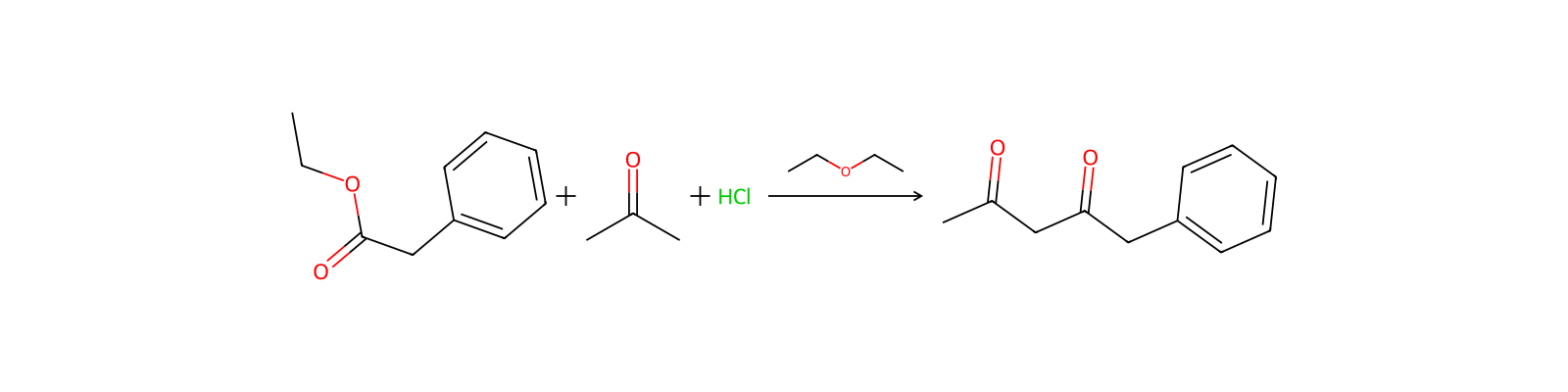

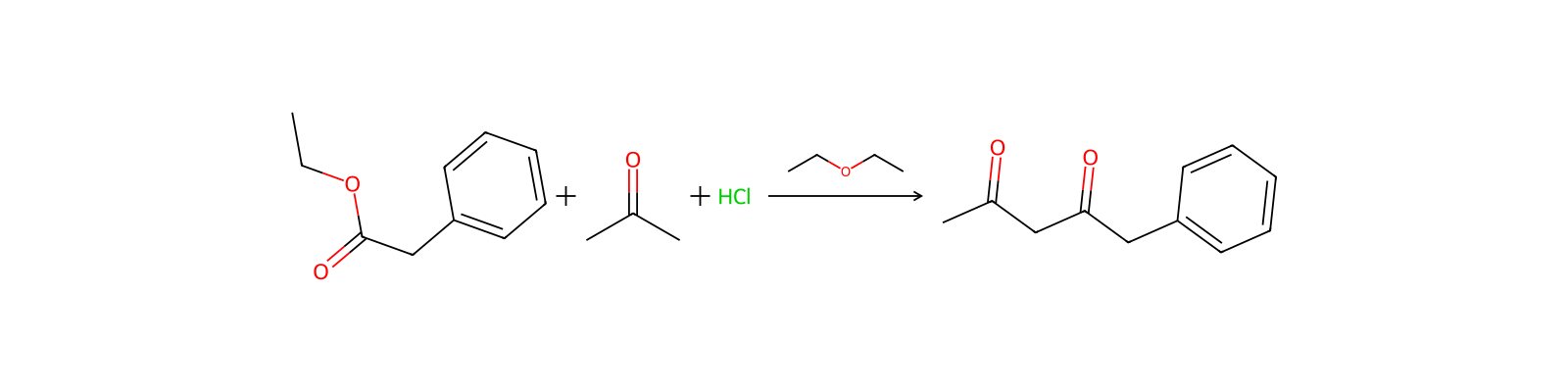
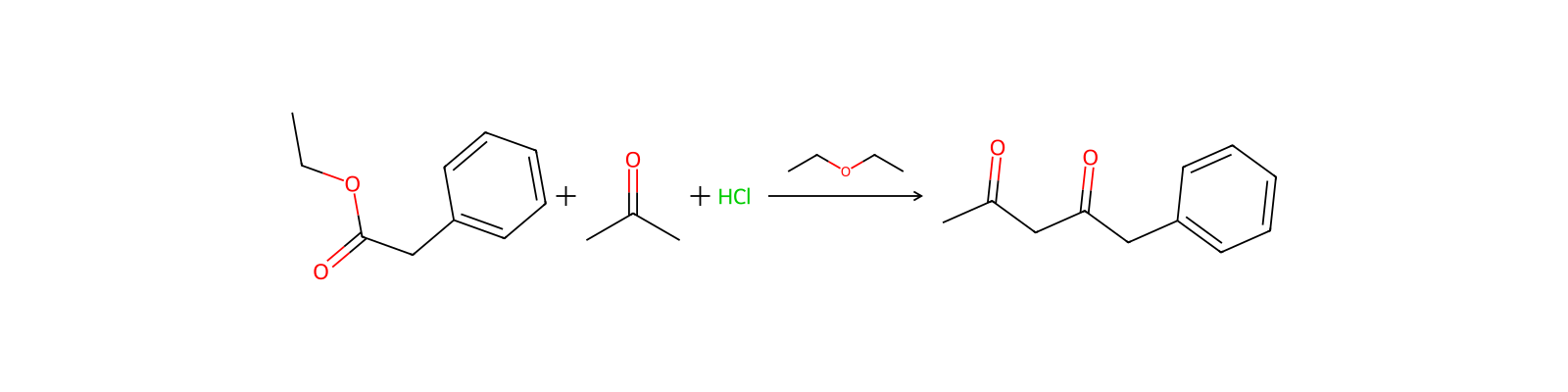



연결된 노트
불러오는 중…