
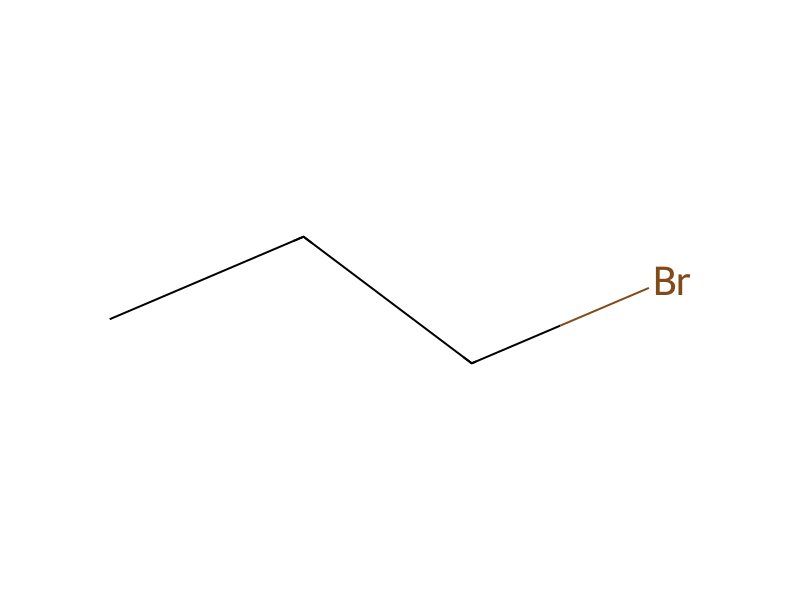
기본 정보
- 표준 SMILES
CCCBr- InChIKey
CYNYIHKIEHGYOZ-UHFFFAOYSA-N- 분자식
- C3H7Br
- 평균 분자량
- 122.99 g/mol
- 단동위원소 질량
- 121.97311232
개요
1-Bromopropane is a colorless liquid. Commercial 1-bromopropane includes not only 1-bromopropane, but also additives that improve its performance in the desired application and stabilizers to inhibit decomposition. 1-Bromopropane was originally used in the production of pesticides, flavors and fragrances, pharmaceuticals, and other chemicals.
이름 및 식별자
- 우선 이름
- 1-Bromopropane
- IUPAC
- 1-bromopropane
- 영어명
- 1-bromopropane
- 분자식
- C3H7Br
- 분자량
- 122.99
이름 및 동의어
1-BROMOPROPANE106-94-5N-Propyl bromidePropyl bromidePropane, 1-bromo-1-BROMO-PROPANEpropylbromiden-propylbromideDTXSID6021874CCRIS 30Y9746DNE68DTXCID401874
이름 더 보기
CHEBI:471051-BP, propaneRefChem:430780203-445-0Propane, bromo-BROMOPROPANE1-Propyl bromideMFCD00000254
데이터베이스 식별자
- CAS
106-94-5、26446-77-5- PubChem CID
- 7840
- DTXSID
DTXSID6021874- ChEMBL
CHEMBL1230095- ChEBI
CHEBI:47105- UNII
- Y9746DNE68
- EC Number
- 203-445-0
- Nikkaji
- J4.039H
물성
구조 계산 물성
- XLogP
- 2.1
- 극성 표면적
- 0 Ų
- 수소 결합 공여자 수
- 0
- 수소 결합 수용자 수
- 0
- 회전 가능 결합 수
- 1
- 무거운 원자 수
- 4
- 형식 전하
- 0
- 복잡도
- 7.2
실험 및 물리화학적 성질
Chemical ClassesFlammable agents - 3rd degree
SolventsSolvents -> Brominated Solvents
SpringerMaterials PropertiesSchoenflies notation
LogP
log Kow = 2.10
2.1
2.1
OdorSweet odor
Density
1.3537 at 68 °F (USCG, 1999) - Denser than water; will sink
1.353 at 20 °C/20 °C
Relative density (water = 1): 1.35
1.3537
1.35 @ 20°C
Viscosity0.489 mPa.s at 25 °C
Color/FormColorless liquid
Solubility
In water, 2,450 mg/L at 20 °C
Slightly soluble in water
Soluble in acetone, ethanol, ether, benzene chloroform, carbon tetrachloride
Solubility in water, g/l at 20 °C: 2.5 (slightly soluble)
Flash Point
78 °F (USCG, 1999)
22 °C (72 °F) - closed cup
22 °C c.c.
71.6 °F (closed cup)
Endocrine DisruptorsPotential endocrine disrupting compound
Boiling Point
160 °F at 760 mmHg (USCG, 1999)
71 °C at 760 mm
71.0 °C
159.6 °F
71 °C @760 [mm Hg]
물리화학적 성질
- EPA
- Propane, bromo- (26446-77-5)
안전 및 규제
GHS 분류
GHS Classification
Danger
H225: Highly Flammable liquid and vapor [Danger Flammable liquids]
P203, P210, P233, P240, P241, P242, P243, P260, P261, P264, P264+P265, P271, P280, P302+P352, P303+P361+P353, P304+P340, P305+P351+P338, P318, P319, P321, P332+P317, P337+P317, P362+P364, P370+P378, P403+P233, P403+P235, P405, and P501 (click each P-code to see the statement)
Danger
H225 (100%): Highly Flammable liquid and vapor [Danger Flammable liquids]
P203, P210, P233, P240, P241, P242, P243, P260, P261, P264, P264+P265, P271, P280, P302+P352, P303+P361+P353, P304+P340, P305+P351+P338, P318, P319, P321, P332+P317, P337+P317, P362+P364, P370+P378, P403+P233, P403+P235, P405, and P501 (click each P-code to see the statement)
유해성 정보
Regulatory Information
Chemical: Propane, 1-bromo-
Hazard Traits - Carcinogenicity; Developmental Toxicity; Neurotoxicity; Reproductive Toxicity
Propane, 1-bromo- is listed on the EPA's Chemical Data Reporting (CDR) system. Manufacturers and importers of Propane, 1-bromo- are required to report information about their production and use of this chemical to the EPA under the Toxic Substances Control Act (TSCA). (40 eCFR Part 711)
Status: Active Update: 15-09-2022 https://echa.europa.eu/registration-dossier/-/registered-dossier/15004
Substance: 1-bromopropane (n-propyl bromide)
Propane, 1-bromo-: Does not have an individual approval but may be used under an appropriate group standard
Other Safety InformationIMAP assessments - Propane, 1-bromo-: Human health tier II assessment
DOT LabelFlammable Liquid
Fire Hazards
Excerpt from ERG Guide 129 [Flammable Liquids (Water-Miscible / Noxious)]:
Highly flammable. Gives off irritating or toxic fumes (or gases) in a fire. Vapour/air mixtures are explosive.
Fire Potential
Highly flammable. Gives off irritating or toxic fumes (or gases) in a fire.
Dangerous fire hazard when heated or exposed to flame or oxidizers.
Health HazardsIrritating to the eyes, nose, throat, upper respiratory tract, and skin. (USCG, 1999)
Hazards Summary
1-Bromopropane is a colorless liquid. Commercial 1-bromopropane includes not only 1-bromopropane, but also additives that improve its performance in the desired application and stabilizers to inhibit decomposition. 1-Bromopropane was originally used in the production of pesticides, flavors and fragrances, pharmaceuticals, and other chemicals.
If left on clothes, may cause reddening of skin; [CHRIS] A case of peripheral neuropathy was reported in a 19 year old male after 2 months of occupational exposure to a degreasing solvent containing 95.5% 1-BP. Reproductive toxicity and hepatotoxicity are observed in animals repeatedly exposed to levels above 250 ppm and 200 ppm, respectively. LOAEL was 1.28 ppm for loss of vibratory sensation in toes and reduced RBC count in 60 factory workers exposed to 1-BP. TLV Basis: CNS impairment; peripheral neuropathy; hematologic effects, reproductive, and developmental toxicity; [ACGIH] 1-BP causes neurotoxicity and reproductive toxicity in animal studies. A study of 27 workers producing 1-BP in a Chinese factory found evidence of toxicity to the CNS and peripheral nerves. [PMID 15345346] Six cases of neurotoxicity (possible central distal axonopathy) were reported among foam cushion gluers. [PMID 17453879] A cross-sectional study of 60 female and 26 male workers in three 1-BP factories in China found neurotoxicity in females exposed to >1.28 ppm. [PMID 20657306] Potential adverse effects include CNS depression and anesthesia; [HSDB] See Carcinogenicity of some industrial chemicals, Volume 115. [IARC, News Release, 23 February 2016] See 2-Bromopropane.
Reactive GroupHalogenated Organic Compounds
UN ClassificationUN Hazard Class: 3; UN Pack Group: II
Special Reports
OSHA/NIOSH; Hazard Alert for 1-Bromopropane. DHHS (NIOSH) Publication Number 2013-150. OSHA issues a hazard alert or letter to warn employers about the dangers of specific industry hazards and provide information on how to protect workers exposed to those safety and health hazards.[Available from, as of April 10, 2018: https://www.osha.gov/dts/hazardalerts/1bromopropane_hazard_alert.html]
Reactivity AlertsHighly Flammable
Reactivity Profile
Halogenated aliphatic compounds, such as 1-BROMOPROPANE, are moderately or very reactive. Halogenated organics generally become less reactive as more of their hydrogen atoms are replaced with halogen atoms. Low molecular weight haloalkanes are highly flammable and can react with some metals to form dangerous products. Materials in this group are incompatible with strong oxidizing and reducing agents. Also, they are incompatible with many amines, nitrides, azo/diazo compounds, alkali metals, and epoxides. Emits toxic fumes of bromine when burned.
안전 및 보호
Fire Fighting
Excerpt from ERG Guide 129 [Flammable Liquids (Water-Miscible / Noxious)]:
Use water spray, powder, alcohol-resistant foam, carbon dioxide. In case of fire: keep drums, etc., cool by spraying with water.
First Aid Measures
Fresh air, rest. Refer for medical attention.
Remove contaminated clothes. Rinse and then wash skin with water and soap. Seek medical attention if you feel unwell.
First rinse with plenty of water for several minutes (remove contact lenses if easily possible), then refer for medical attention.
Rinse mouth.
First AidCall a physician.
Safe StorageFireproof. Well closed. Separated from strong oxidants and strong bases. Store in an area without drain or sewer access. Ventilation along the floor.
Fire Fighting Procedures
Suitable extinguishing media: Use water spray, alcohol-resistant foam, dry chemical or carbon dioxide.
Advice for firefighters: Wear self-contained breathing apparatus for firefighting if necessary.
Use water spray to cool unopened containers.
If material on fire or involved in fire: Do not extinguish fire unless flow can be stopped. Use water in flooding quantities as fog. Solid streams of water may be ineffective. Cool all affected containers with flooding quantities of water. Use "alcohol" foam, dry chemical, or carbon dioxide. Keep run-off water out of sewers and water sources. /Bromopropanes/
To fight fire, use water, foam, CO2, dry chemical.
Storage Conditions
PRECAUTIONS FOR "CARCINOGENS": Storage site should be as close as practical to lab in which carcinogens are to be used, so that only small quantities required for ... expt need to be carried. Carcinogens should be kept in only one section of cupboard, an explosion-proof refrigerator or freezer (depending on chemicophysical properties ...) that bears appropriate label. An inventory ... should be kept, showing quantity of carcinogen & date it was acquired ... Facilities for dispensing ... should be contiguous to storage area. /Chemical Carcinogens/
Keep container tightly closed in a dry and well-ventilated place. Containers which are opened must be carefully resealed and kept upright to prevent leakage.
Fireproof. Separated from strong oxidants, strong bases.
Cleanup Methods
PRECAUTIONS FOR "CARCINOGENS": A high-efficiency particulate arrestor (HEPA) or charcoal filters can be used to minimize amt of carcinogen in exhausted air ventilated safety cabinets, lab hoods, glove boxes or animal rooms ... Filter housing that is designed so that used filters can be transferred into plastic bag without contaminating maintenance staff is avail commercially. Filters should be placed in plastic bags immediately after removal ... The plastic bag should be sealed immediately ... The sealed bag should be labelled properly ... Waste liquids ... should be placed or collected in proper containers for disposal. The lid should be secured & the bottles properly labelled. Once filled, bottles should be placed in plastic bag, so that outer surface ... is not contaminated ... The plastic bag should also be sealed & labelled. ... Broken glassware ... should be decontaminated by solvent extraction, by chemical destruction, or in specially designed incinerators. /Chemical Carcinogens/
ACCIDENTAL RELEASE MEASURES: Personal precautions, protective equipment and emergency procedures: Use personal protective equipment. Avoid breathing vapors, mist or gas. Ensure adequate ventilation. Remove all sources of ignition. Evacuate personnel to safe areas. Beware of vapors accumulating to form explosive concentrations. Vapors can accumulate in low areas. Environmental precautions: Prevent further leakage or spillage if safe to do so. Do not let product enter drains. Discharge into the environment must be avoided. Methods and materials for containment and cleaning up: Contain spillage, and then collect with an electrically protected vacuum cleaner or by wet-brushing and place in container for disposal according to local regulations.
Personal protection: filter respirator for organic gases and vapors adapted to the airborne concentration of the substance. Remove all ignition sources. Collect leaking and spilled liquid in sealable containers as far as possible. Absorb remaining liquid in sand or inert absorbent. Then store and dispose of according to local regulations. Do NOT wash away into sewer.
Nonfire Spill ResponseExcerpt from ERG Guide 129 [Flammable Liquids (Water-Miscible / Noxious)]:
Disposal Methods
SRP: Recycle any unused portion of the material for its approved use or return it to the manufacturer or supplier. Ultimate disposal of the chemical must consider: the material's impact on air quality; potential migration in air, soil or water; effects on animal, aquatic and plant life; and conformance with environmental and public health regulations. If it is possible or reasonable use an alternative chemical product with less inherent propensity for occupational harm/injury/toxicity or environmental contamination.
Product: Burn in a chemical incinerator equipped with an afterburner and scrubber but exert extra care in igniting as this material is highly flammable. Offer surplus and non-recyclable solutions to a licensed disposal company. Contact a licensed professional waste disposal service to dispose of this material; Contaminated packaging: Dispose of as unused product.
PRECAUTIONS FOR "CARCINOGENS": There is no universal method of disposal that has been proved satisfactory for all carcinogenic compounds & specific methods of chem destruction ... published have not been tested on all kinds of carcinogen-containing waste. ... summary of avail methods & recommendations ... /given/ must be treated as guide only. /Chemical Carcinogens/
PRECAUTIONS FOR "CARCINOGENS": ... Incineration may be only feasible method for disposal of contaminated laboratory waste from biological expt. However, not all incinerators are suitable for this purpose. The most efficient type ... is probably the gas-fired type, in which a first-stage combustion with a less than stoichiometric air:fuel ratio is followed by a second stage with excess air. Some ... are designed to accept ... aqueous & organic-solvent solutions, otherwise it is necessary ... to absorb soln onto suitable combustible material, such as sawdust. Alternatively, chem destruction may be used, esp when small quantities ... are to be destroyed in laboratory. /Chemical Carcinogens/
For more Disposal Methods (Complete) data for 1-Bromopropane (7 total), please visit the HSDB record page.
Spillage Disposal
Remove all ignition sources. Evacuate danger area! Consult an expert! Personal protection: filter respirator for organic gases and vapours adapted to the airborne concentration of the substance. Collect leaking and spilled liquid in sealable containers as far as possible. Absorb remaining liquid in sand or inert absorbent. Then store and dispose of according to local regulations. Do NOT wash away into sewer.
Preventive Measures
PRECAUTIONS FOR "CARCINOGENS": Smoking, drinking, eating, storage of food or of food & beverage containers or utensils, & the application of cosmetics should be prohibited in any laboratory. All personnel should remove gloves, if worn, after completion of procedures in which carcinogens have been used. They should ... wash ... hands, preferably using dispensers of liq detergent, & rinse ... thoroughly. Consideration should be given to appropriate methods for cleaning the skin, depending on nature of the contaminant. No standard procedure can be recommended, but the use of organic solvents should be avoided. Safety pipettes should be used for all pipetting. /Chemical Carcinogens/
PRECAUTIONS FOR "CARCINOGENS": In animal laboratory, personnel should remove their outdoor clothes & wear protective suits (preferably disposable, one-piece & close-fitting at ankles & wrists), gloves, hair covering & overshoes. ... Clothing should be changed daily but ... discarded immediately if obvious contamination occurs ... /also,/ workers should shower immediately. In chemical laboratory, gloves & gowns should always be worn ... however, gloves should not be assumed to provide full protection. Carefully fitted masks or respirators may be necessary when working with particulates or gases, & disposable plastic aprons might provide addnl protection. If gowns are of distinctive color, this is a reminder that they should not be worn outside of lab. /Chemical Carcinogens/
PRECAUTIONS FOR "CARCINOGENS": ... Operations connected with synth & purification ... should be carried out under well-ventilated hood. Analytical procedures ... should be carried out with care & vapors evolved during ... procedures should be removed. ... Expert advice should be obtained before existing fume cupboards are used ... & when new fume cupboards are installed. It is desirable that there be means for decreasing the rate of air extraction, so that carcinogenic powders can be handled without ... powder being blown around the hood. Glove boxes should be kept under negative air pressure. Air changes should be adequate, so that concn of vapors of volatile carcinogens will not occur. /Chemical Carcinogens/
PRECAUTIONS FOR "CARCINOGENS": Vertical laminar-flow biological safety cabinets may be used for containment of in vitro procedures ... provided that the exhaust air flow is sufficient to provide an inward air flow at the face opening of the cabinet, & contaminated air plenums that are under positive pressure are leak-tight. Horizontal laminar-flow hoods or safety cabinets, where filtered air is blown across the working area towards the operator, should never be used ... Each cabinet or fume cupboard to be used ... should be tested before work is begun (eg, with fume bomb) & label fixed to it, giving date of test & avg air-flow measured. This test should be repeated periodically & after any structural changes. /Chemical Carcinogens/
For more Preventive Measures (Complete) data for 1-Bromopropane (17 total), please visit the HSDB record page.
Isolation and EvacuationExcerpt from ERG Guide 129 [Flammable Liquids (Water-Miscible / Noxious)]:
독성 정보
Toxicological InformationCDC-ATSDR Toxicological Profile
Treatment
EYES: irrigate opened eyes for several minutes under running water. INGESTION: do not induce vomiting. Rinse mouth with water (never give anything by mouth to an unconscious person). Seek immediate medical advice. SKIN: should be treated immediately by rinsing the affected parts in cold running water for at least 15 minutes, followed by thorough washing with soap and water. If necessary, the person should shower and change contaminated clothing and shoes, and then must seek medical attention. INHALATION: supply fresh air. If required provide artificial respiration.
Interactions
1-Bromopropane (1-BP) has been used as an alternative for fluoride compounds and 1-BP intoxication may involve lung, liver, and central neural system (CNS). Our previous studies showed that 1-BP impaired memory ability by compromising antioxidant cellular defenses. Melatonin is a powerful endogenous antioxidant, and the objective of this study was to explore the therapeutic role of melatonin in the treatment of 1-BP intoxication. Rats were intragastrically treated with 1-BP with or without melatonin, and then sacrificed on 27th day after 1-BP administration. The Morris water maze (MWM) test was used to evaluate the spatial learning and memory ability of the experimental animals, and NeuN staining was performed to assess neuron loss in hippocampus. We found that rats treated with 1-BP spent more time and swam longer distance before landing on the hidden platform with a comparable swimming speed, which was markedly mitigated by the pretreatment with melatonin in a concentration-dependent manner. In addition, 1-BP-induced notable decrease in neuron population in hippocampus by promoting apoptosis, and melatonin pretreatment attenuated those changes in brain. The GSH/GSSG ratio was proportionately decreased and heme oxygenase 1 was increased in the rats exposed to 1-BP, and administration of melatonin restored them. Meanwhile, MDA, the level of lipid peroxidation product, was significantly increased upon exposed to 1-BP, which was significantly attenuated by melatonin pretreatment, indicating that administration of 1-BP could interfere with redox homeostasis of brain in rat, and such 1-BP-induced biomedical changes were reversed by treatment with melatonin. We conclude that treatment with melatonin attenuates 1-BP-induced CNS toxicity through its ROS scavenging effect.
Neurotoxicity of 1-bromopropane (1-BP) has been reported in both human cases and animal studies. To date, neurotoxicity of 1-BP has been induced in rats but not in mice due to the lethal hepatotoxicity of 1-BP. Oxidization by cytochromes P450 and conjugation with glutathione (GSH) are two critical metabolism pathways of 1-BP and play important roles in toxicity of 1-BP. The aim of the present study was to establish a murine model of 1-BP neurotoxicity, by reducing the hepatotoxicity of 1-BP with 1-aminobenzotriazole (1-ABT); a commonly used nonspecific P450s inhibitor. The results showed that subcutaneous or intraperitoneal injection of 1-ABT at 50 mg/kg body weight BID (100 mg/kg BW/day) for 3 days, inhibited about 92-96% of hepatic microsomal CYP2E1 activity, but only inhibited about 62-64% of CYP2E1 activity in brain microsomes. Mice treated with 1-ABT survived even after exposure to 1200 ppm 1-BP for 4 weeks and histopathological studies showed that treatment with 1-ABT protected mice from 1-BP-induced hepatic necrosis, hepatocyte degeneration, and hemorrhage. After 4-week exposure to 1-BP, the brain weight of 1-ABT(+)/1200ppm 1-BP group was decreased significantly. In 1-ABT-treated groups, expression of hippocampal Ran protein and cerebral cortical GRP78 was dose-dependently increased by exposure to 1-BP. We conclude that the control of hepatic P450 activity allows the observation of effects of 1-BP on the murine brain at a higher concentration by reduction of hepatotoxicity. The study suggests that further experiments with liver-specific control of P450 activity using gene technology might provide better murine models for 1-bromopropane-induced neurotoxicity.
OBJECTIVE: To investigate the protective effects of docosahexaenoic acid (DHA) and nervonic acid (NA) on the learning and memory abilities in rats exposed to 1-bromopropane (1-BP) and their action mechanisms. METHODS: Forty male Wistar rats (specific pathogen-free) were randomly divided into 4 groups (n = 10 for each), i.e., solvent control group, 1-BP (800 mg/kg) group, NA (150 mg/kg) + 1-BP (800 mg/kg) group, and DHA (500 mg/kg) + 1-BP (800 mg/kg) group. The rats were given respective test substances by gavage for 7 d. The Morris water maze (MWM) test was performed from days 8 to 12 to evaluate the rats' learning and memory abilities. After MWM test, rats were sacrificed in the next day, and cerebral cortex was quickly dissected and homogenized in an ice bath. The supernatant of the obtained homogenate was collected to measure the content of glutathione (GSH) and malondialdehyde (MDA) and the activities of glutathione reductase (GR) and gamma-glutamate cysteine ligase (gamma-GCL). RESULTS: The MWM spatial navigation test showed that the 1-BP group had significantly longer escape latency and significantly longer total swimming distance compared with the control group (P<0.05), while the DHA+1-BP group had significant decreases in escape latency and total swimming distance compared with the 1-BP group (P<0.05). The spatial probe test showed that the number of platform crossings was significantly greater in the DHA+1-BP group and NA+1-BP group than in the 1-BP group (P<0.05); compared with the control group, the 1-BP group had a significantly lower ratio of time spent in the zone around the platform to total time (P < 0.05), and the ratio was significantly higher in the DHA+1-BP group than in the 1-BP group (P < 0.05). Compared with the control group, the 1-BP group had a 18.1% decrease in GSH content, and DHA could significantly reverse 1-BP-induced decrease in GSH content (P < 0.05). Compared with the 1-BP group, the DHA+1-BP group and NA+1-BP group had significantly decreased MDA content (P < 0.05), the DHA+1-BP group had significantly increased GR activity (P < 0.05), and the NA+1-BP group had significantly increased gamma-GCL activity (P < 0.05). CONCLUSION: The rats exposed to 1-BP have oxidative stress in the brain and impaired cognitive function. DHA and NA can reduce 1-BP-induced cognitive function impairment in rats, possibly by increasing the activities of GR and gamma-GCL and the content of GSH in the brain.
Target OrgansCancer, Neurological (Nervous System)
Health Effects
Skin irritation if contacts skin, redness and itching of skin and eyes. Acute exposure may lead to coughing, shortness of breath, headache, nausea, vomiting. Chronic exposure can lead to damage of the blood, liver and CNS. Neurotoxicity can arise due to chronic exposure through inhalation or skin. Human cases of 1-bromopropane (1-BP) toxicity exhibit ataxic gait and cognitive dysfunction, whereas rat studies showed pyknotic shrinkage in cerebellar Purkinje cells and electrophysiological changes in the hippocampus. Inhalation exposure to 1-bromopropane causes skin tumors in male rats, large intestine tumors in female and male rats, and lung tumors in female mice. 1-bromopropane, either directly or via reactive metabolites, can cause molecular alterations that typically are associated with carcinogenesis, including genotoxicity, oxidative stress, and glutathione depletion. Hepatotoxicity and reproductive toxicity have been noted in rodent studies.
Ecotoxicity ValuesLC50; Species: Pimephales promelas (Fathead minnow) age 30 days; Conditions: freshwater, flow through; Concentration: 67300 ug/L for 96 hr /99% purity/
Environmental Fate
TERRESTRIAL FATE: Based on a classification scheme(1), an estimated Koc value of 37(SRC), determined from a structure estimation method(2), indicates that 1-bromopropane is expected to have very high mobility in soil(SRC). Volatilization of 1-bromopropane from moist soil surfaces is expected to be an important fate process(SRC) given an estimated Henry's Law constant of 7.3X10⁻³ atm-cu m/mole(SRC) derived from a vapor pressure of 111 mm Hg(3) and water solubility of 2450 mg/L(4). 1-Bromopropane is expected to volatilize from dry soil surfaces based upon its vapor pressure(SRC). A 70% of theoretical BOD using activated sludge in the Japanese MITI test(5) suggests that biodegradation may be an important environmental fate process in soil(SRC). A number of pure culture studies(6-9) have shown that microorganisms are capable of degrading 1-bromopropane.
AQUATIC FATE: Based on a classification scheme(1), an estimated Koc value of 37(SRC), determined from a structure estimation method(2), indicates that 1-bromopropane is not expected to adsorb to suspended solids and sediment(SRC). Volatilization from water surfaces is expected(3) based upon an estimated Henry's Law constant of 7.3X10⁻³ atm-cu m/mole(SRC), derived from a vapor pressure of 111 mm Hg(4) and water solubility of 2450 mg/L(5). Using this Henry's Law constant and an estimation method(3), volatilization half-lives for a model river and model lake are 3.4 hours and 4.4 days, respectively(SRC). According to a classification scheme(6), an estimated BCF of 11(SRC), from its log Kow of 2.10(7) and a regression-derived equation(2), suggests the potential for bioconcentration in aquatic organisms is low(SRC). The hydrolysis half-life of 1-bromopropane is approximately 26 days at pH 7 and 25 °C(8). A 70% of theoretical BOD using activated sludge in the Japanese MITI test(9) suggests that biodegradation may be an important environmental fate process in water(SRC). A number of pure culture studies(10-13) have shown that microorganisms are capable of degrading 1-bromopropane.
ATMOSPHERIC FATE: According to a model of gas/particle partitioning of semivolatile organic compounds in the atmosphere(1), 1-bromopropane, which has a vapor pressure of 111 mm Hg at 25 °C(2), is expected to exist solely as a vapor in the ambient atmosphere. Vapor-phase 1-bromopropane is degraded in the atmosphere by reaction with photochemically-produced hydroxyl radicals(SRC); the half-life for this reaction in air is estimated to be 15 days(SRC), calculated from its rate constant of 1.06X10⁻¹² cu cm/molecule-sec at 25 °C(3). 1-Bromopropane does not contain chromophores that absorb at wavelengths >290 nm(4) and, therefore, is not expected to be susceptible to direct photolysis by sunlight(SRC).
Adverse EffectsNeurotoxin - Acute solvent syndrome
Exposure Routes
The substance can be absorbed into the body by inhalation of its vapour, through the skin and by ingestion.
Oral (L626) ; inhalation (L626) ; dermal (L626)
Toxicity Summary
IDENTIFICATION AND USE: 1-Bromopropane (1-BP) is a colorless liquid. 1-BP is used primarily as a solvent cleaner in vapor and immersion degreasing operations to clean optics, electronics, and metals and as a solvent vehicle in industries using aerosol-applied adhesives, such as foam cushion manufacturing. HUMAN STUDIES: Occupational exposure to 1-BP has been linked to neurological illnesses. Exposure to 1-BP could adversely affect peripheral nerves or/and the central nervous system. A 43-year-old male industrial worker developed muscle weakness, pain, numbness, and gait disturbance. Neurological examination indicated sensory ataxic neuropathy associated with mild impairment of upper motor neurons. He had used 1-BP as a cleaning agent for metal parts at his workplace without appropriate protection. Another case study reported that a 19-year-old male experienced weakness of the lower extremities and the right hand, numbness, and difficulty swallowing and urinating after 2 months of occupational exposure to a degreasing solvent based on 1-BP. 1-BP is cytotoxic but not corrosive, based on results from a cultured reconstructed human epidermal model (EpiDerm Skin Corrosivity Test). 1-BP can induce DNA damage in vitro in human leukocytes. ANIMAL STUDIES: 1-BP did not produce cutaneous reactions in guinea pigs attributable to skin sensitization. Inhalation exposure to 1-BP caused skin tumors in male rats, large intestine tumors in female and male rats, and lung tumors in female mice. Also noted was that 1-BP, either directly or via reactive metabolites, caused molecular alterations that typically are associated with carcinogenesis, including genotoxicity, oxidative stress, and glutathione depletion. It is unclear whether induction of immunotoxicity by 1-BP plays a role in tumor development. 1-BP caused immunosuppression in rodents. In particular, it reduced the numbers of T cells and T-cell subpopulations. In addition, there is evidence that 1-BP caused an inflammatory response. In rats, exposure to 1-BP did not affect memory function or motor coordination but muscle strength decreased dose-dependently. Dose-dependent increases in spontaneous locomotor activity and open-field behavior indicated that 1-BP has excitatory effects on the CNS of male rats. Rats exposed at 1000 and 1500 ppm 1-BP for 4 to 7 weeks exhibited decreases in body weight and motor nerve conduction velocities, increased distal latency of peripheral nerves, and neuronal dysfunction in the dentate gyrus of the brain. In two-generation study, 7-week-old rats were exposed 6 hours/day, 7 days/week for 70 days prior to mating at 0, 100, 250, 500, or 750 ppm 1-BP. Females were not exposed on postnatal day 0 to 4 and only they, not their litters, were exposed during postnatal days 5 to 21. F1 rats began direct exposure at weaning. Dose-related increases in estrous cycle length at >/=250 ppm, and follicular cysts and interstitial hyperplasia of ovaries at 500 ppm were observed in F0 and F1 females. Reduced fertility and litter size was observed in the F0 and F1 generations at >/=250 ppm. Prenatal 1-BP exposure in dams can cause delayed adverse effects on excitability of pyramidal cells in the hippocampal CA1 subfield of offspring. 1-BP was mutagenic with or without metabolic activation toward Salmonella typhimurium tester strains TA1535 and TA100 when tested in a closed system, but it was not mutagenic toward strains TA1537, TA1538, or TA98. However in other studies, 1-BP was not mutagenic in either of two independent bacterial mutagenicity assays, each conducted with and without metabolic activation. Bacterial strains tested included Salmonella typhimurium strains TA97, TA98, TA100, and TA1535, and Escherichia coli strain WP2 uvrA/pKM101. 1-BP was not mutagenic in vivo when tested in mice and rats.
Organobromide compounds, especially alkylbromides are strong alkylating agents. Consequently they can randomly modify the surfaces of proteins and lipids, leading to the disruption of enzyme, transporter or membrane functions. Alkylation of DNA by alkylbromides may also lead to mutations. 1-bromopropane reacts quickly with hepatic glutathione (GSH) leading to its rapid depletion and subsequent liver damage. Long-term exposure to 1-bromopropane decreases neurogenesis in the dentate gyrus which may contribute to the neurotoxicity. Downregulation of brain derived neurotrophic factor and glucocoritoid receptor mRNA expression and low hippocampal norepinephrine levels might contribute, at least in part, to the reduced neurogenesis.
Signs and Symptoms
Cough. Sore throat. Dizziness. Drowsiness.
MAY BE ABSORBED! Redness. See Inhalation.
Redness. Pain.
See Inhalation.
Reported symptoms to overexposure include confusion, dysarthria, dizziness, paresthesias, and ataxia; unusual fatigue and headaches, development of arthralgias, visual disturbances (difficulty focusing), paresthesias, and muscular twitching. Symptoms may persist over one year after termination of exposure. Vapors may cause dizziness and suffocation. Inhalation of high concentrations may affect behavior/central nervous system (CNS depression) characterized by nausea, headache, dizziness, somnolence, unconsciousness and coma. It may also cause liver and kidney damage, lung injury, weight loss/ anorexia, bone marrow changes, and blood abnormalities.
Ongoing Test Status
EPA has released the Interactive Chemical Safety for Sustainability (iCSS) Dashboard. The iCSS Dashboard provides an interactive tool to explore rapid, automated (or in vitro high-throughput) chemical screening data generated by the Toxicity Forecaster (ToxCast) project and the federal Toxicity Testing in the 21st century (Tox21) collaboration. /The title compound was tested by ToxCast and/or Tox21 assays/[USEPA; ICSS Dashboard Application; Available from, as of March 27, 2018: http://actor.epa.gov/dashboard/]
The following link will take the user to the National Toxicology Program (NTP) Test Status of Agents Search page, which tabulates the results and current status of tests such as "Short-Term Toxicity Studies", "Long-term Carcinogenicity Studies", "Developmental Studies", "Genetic Toxicology Studies", etc., performed with this chemical. Testing status for 1-bromopropane is available.[Available from, as of March 27, 2018: https://ntpsearch.niehs.nih.gov/?e=True&ContentType=Testing+Status]
화학 및 산업
약리 정보
Mechanism of Action
1-Bromopropane, either directly or via reactive metabolites, causes molecular alterations that typically are associated with carcinogenesis, including genotoxicity, oxidative stress, and glutathione depletion. These alterations, observed mainly in vitro and in toxicity studies in rodents, are relevant to possible mechanisms of human carcinogenicity and support the relevance of the cancer studies in experimental animals to human carcinogenicity.
Biological Half-Life
Wistar male rats were exposed to 1-bromopromane (1-BP) vapor for 6 hr a day, 5 days a week, for 3 and 4 weeks (1500 ppm) and 1 day, and 4 and 12 weeks (700 ppm). ... 1-BP in blood decreased rapidly to the detection limit within 0.7 hr. On the other hand, bromide ion persisted longer in both blood and urine; the biological half-life of bromide ion was 4.7-15.0 days in blood and 5.0-7.5 days in urine. ...
Metabolism/Metabolites
... Six workers, 1 male and 5 female, were exposed to high ambient 1-Bromopropane (1-BP) concentrations while employed in a golf club cleaning factory. 1-BP was identified in the bulk solvent sample used by the workers and confirmed the workers' daily occupational exposure to 1-BP for 3-10 months. The major presenting symptoms were tingling pain, soreness in lower extremities, and paresthesia. N-acetyl-S-(n-propyl)-L-cysteine (AcPrCys), a 1-BP metabolite, was identified by LC/MS/MS in the urine (0.171-1.74 mg/g-Cr) of these workers 5-26 days following 1-BP exposure. ...
... In this study, the factors influencing the disposition and biotransformation of 1-bromopropane (1-BrP) were examined in male F344 rats and B6C3F1 mice following inhalation exposure (800 ppm) or intravenous administration (5, 20, and 100 mg/kg). (1,2,3-(13)C)1-BrP and (1-(14)C)1-BrP were administered to enable characterization of urinary metabolites using NMR spectroscopy, LC-MS/MS, and HPLC coupled radiochromatography. ... Metabolites characterized in urine of rats and mice include N-acetyl-S-propylcysteine, N-acetyl-3-(propylsulfinyl)alanine, N-acetyl-S-(2-hydroxypropyl)cysteine, 1-bromo-2-hydroxypropane-O-glucuronide, N-acetyl-S-(2-oxopropyl)cysteine, and N-acetyl-3-[(2-oxopropyl)sulfinyl]alanine. These metabolites may be formed following oxidation of 1-bromopropane to 1-bromo-2-propanol and bromoacetone and following subsequent glutathione conjugation with either of these compounds. ...
Three metabolites of 1-bromopropane (1-BP) were measured in urine samples collected from 30 workers exposed to 1-BP at two facilities making furniture seat cushions and evaluated for use as biomarkers of exposure. The mercapturic acid metabolite, N-acetyl-S-(n-propyl)-l-cysteine (AcPrCys), 3-bromopropionic acid (3-BPA), and bromide ion levels (Br(-)) were quantitated for this evaluation. ...
Glutathione S-alkyl transferase catalyzes the conjugation of alkyl halides and nitroalkanes in which halogen or nitro group is replaced. Further metabolism of conjugates of this group to alkylmercapturic acid sulfoxides has been reported for...1-bromopropane.
For more Metabolism/Metabolites (Complete) data for 1-Bromopropane (13 total), please visit the HSDB record page.
1-bromopropane is metabolized rapidly in the liver. Three mercapturic acids are produced: N-acetyl-S-propyl cysteine, N-acetyl-S-propyl cysteine-S-oxide and N-acetyl-S-(2-hydroxypropyl)cysteine. 1-bromopropoane also reacts rapidly with glutathione and can form glutathione conjugates.
Absorption, Distribution and Excretion
... In this study, the factors influencing the disposition and biotransformation of 1-bromopropane (1-BrP) were examined in male F344 rats and B6C3F1 mice following inhalation exposure (800 ppm) or intravenous administration (5, 20, and 100 mg/kg). (1,2,3-(13)C)1-BrP and (1-(14)C)1-BrP were administered to enable characterization of urinary metabolites using NMR spectroscopy, LC-MS/MS, and HPLC coupled radiochromatography. Exhaled breath volatile organic chemicals (VOC), exhaled CO(2), urine, feces, and tissues were collected for up to 48 h post-administration for determination of radioactivity distribution. Rats and mice exhaled a majority of the administered dose as either VOC (40-72%) or (14)CO(2) (10-30%). For rats, but not mice, the percentage of the dose exhaled as VOC increased between the mid ( approximately 50%) and high ( approximately 71%) dose groups; while the percentage of the dose exhaled as (14)CO(2) decreased (19 to 10%). The molar ratio of exhaled (14)CO(2) to total released bromide, which decreased as dose increased, demonstrated that the proportion of 1-BrP metabolized via oxidation relative to pathways dependent on glutathione conjugation is inversely proportional to dose in the rat. ((14)C)1-BrP equivalents were recovered in urine (13-17%, rats; 14-23% mice), feces (<2%), or retained in the tissues and carcass (<6%) of rats and mice administered i.v. 5 to 100 mg/kg ((14)C)1-BrP. ... Rats pretreated with 1-aminobenzotriazole (ABT), a potent inhibitor of P450 excreted less in urine (down 30%), exhaled as (14)CO2 (down 80%), or retained in liver (down 90%), with a concomitant increase in radioactivity expired as VOC (up 52%). Following ABT pretreatment, rat urinary metabolites were reduced in number from 10 to 1, N-acetyl-S-propylcysteine, which accounted for >90% of the total urinary radioactivity in ABT pretreated rats. Together, these data demonstrate a role for cytochrome P450 and glutathione in the dose-dependent metabolism and disposition of 1-BrP in the rat.
.../It is/ reported that orally administered 1-bromopropane is excreted in expired air.
Parent compound and metabolites are excreted in urine as mercapturic acids.
/Investigators/ injected Sprague-Dawley rats intraperitoneally with 200 mg/kg 1-BP and observed a rapid excretion of greater than half of the administered dose in expired air. By hour 100, 25% of the 1-BP dose was excreted in the urine.
For more Absorption, Distribution and Excretion (Complete) data for 1-Bromopropane (7 total), please visit the HSDB record page.
용도 및 제조
Uses
Used as a solvent substitute to clean metals and electronics, in adhesive and coating applications, and in aerosol propellant applications. Has also been used to replace perchloroethylene in dry cleaning; [ACGIH]
Metal Degreasing [Category: Clean]
Solvent for fats, waxes and resins; intermediate in synthesis of pharmaceuticals, insecticides and other compounds; in spray adhesives; degreaser; cleaner for metal and precision electronic components.
Production of penconazole, valproic acid /From table/
In the early to mid 1990s, 1-bromopropane was used primarily as an intermediate in the production of pesticides, quaternary ammonium compounds, flavors and fragrances, pharmaceuticals, and other chemicals in well-controlled, closed processes. In the mid to late 1990s, it was introduced as a less toxic replacement for methylene chloride in emissive applications such as vapor and immersion degreasing operations and critical cleaning of electronics and metals. 1-Bromopropane was also introduced as a nonflammable, nontoxic, fast-drying, and inexpensive solvent for adhesive resins, and has been marketed as a replacement for ozone depleting refrigerants.
1-Bromopropane is used primarily as a solvent cleaner in vapor and immersion degreasing operations to clean optics, electronics, and metals and as a solvent vehicle in industries using aerosol-applied adhesives, such as foam cushion manufacturing. ...1-Bromopropane also has potential for use as a spot remover in the textile industry... In the past, 1-bromopropane was used primarily as a solvent for fats, waxes, and resins and as an intermediate in the synthesis of pharmaceuticals, insecticides, quaternary ammonium compounds, flavors, and fragrances in generally well-controlled, closed processes.
Impurities2-Bromopropane (75-26-3) is present as a contaminant in commercial grade bromopropane at 0.1% to 0.2%. 2-BP is also known as isopropylbromide; 2-propylbromide; and sec-propylbromide.
U.S. Production
2023: 10,000,000 - <50,000,000 lb
Production volumes for non-confidential chemicals reported under the Inventory Update Rule.[Table#2796]
Production volume for non-confidential chemicals reported under the 2006 Inventory Update Rule. Chemical: Propane, 1-bromo-. Aggregated National Production Volume: 1 to < 10 million pounds.
Non-confidential 2016 Chemical Data Reporting (CDR) information on the production and use of chemicals manufactured or imported into the United States. Chemical: 1-Bromopropane:
Industry UsesCleaning agent
Methods of Manufacturing
Treatment of the parent hydroxyl compound with a bromide and sulfuric acid, as in the preparation of methyl bromide. If the parent compound is unstable toward sulfuric acid, hydrobromic acid is passed in and alkyl bromide is flashed over from the hot mixture. The product is condensed, neutralized, and fractionated. In modifications of these procedures, bromine may be used along with a reducing agent such as sulfur, sulfur dioxide, phosphorus, or sodium borohydride.
Household ProductsInformation on 2 consumer products that contain 1-bromopropane in the following categories is provided:
General Manufacturing Information
All Other Basic Inorganic Chemical Manufacturing
Propane, 1-bromo-: ACTIVE
Propyl bromide has had but minor use in industry. It has been studied as an anesthetic but has not found significant use.
/1-Bromopropane/ (1-BP) is currently under review per the US EPA Significant New Alternatives Policy (SNAP) program in identification of substitutes for ozone-depleting substances. 1-BP is being considered as a possible replacement for CFC-113, methyl chloroform, and HCFC-141b for non-aerosol solvent cleaning of metals and electronics and for adhesives, coatings, aerosol propellant, and solvent applications.
At least three manufacturers are limiting or eliminating use of /1-bromopropane/ (1-BP) for solvent applications. Great Lakes Chemical no longer sells 1-BP solvent blends. ATOFINA has decided not to market 1-BP for solvent applications. Albemarle has stated that use of 1-BP in adhesive and other applications in which 1-BP exposure cannot be controlled should be restricted or prohibited.
관련 반응
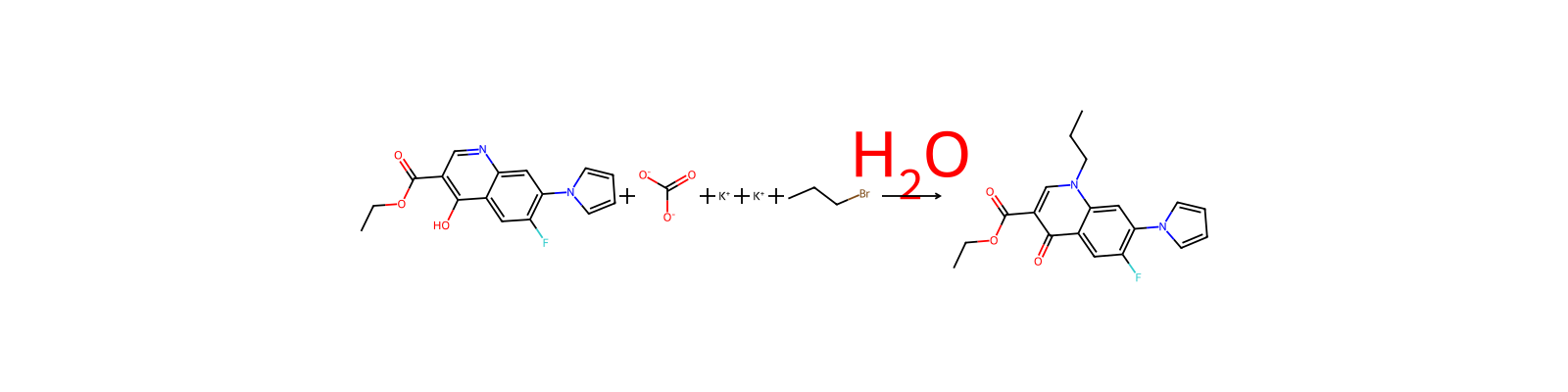
917건




연결된 노트
불러오는 중…