

기본 정보
- 표준 SMILES
CCCC(C)=O- InChIKey
XNLICIUVMPYHGG-UHFFFAOYSA-N- 분자식
- C5H10O
- 평균 분자량
- 86.13 g/mol
- 단동위원소 질량
- 86.07316494
개요
Methyl propyl ketone appears as a clear colorless liquid with the odor of fingernail polish. Flash point 45 °F. Less dense than water and soluble in water. Hence floats on water. Density 0.809 g / cm3. Vapors heavier than air.
이름 및 식별자
- 우선 이름
- 2-Pentanone
- IUPAC
- pentan-2-one
- 현지명
- 펜타논-2
- 영어명
- 2-Pentanone
- 분자식
- C5H10O
- 분자량
- 86.13
이름 및 동의어
2-Pentanone107-87-9PENTAN-2-ONEMETHYL PROPYL KETONEEthyl acetoneEthylacetoneMethyl n-propyl ketonePropyl methyl ketoneMetylopropyloketonMethylpropyl ketoneMethyl-propyl-cetoneFEMA No. 2842
이름 더 보기
2-펜탄온메틸프로필케톤펜타논-2메틸프로필케톤2-펜타논MPK2-PentanonPENTANONE-2FEMA 28422-Pentanone, 99%, pure2-PENTANONE, REAGENTPLUS, >=99%, PURIFIED BY REDISTILLATION2-WT
FEMA Number 28424-methyl-2-butanoneMethyl-n-propyl ketoneDTXSID0021888AI3-32118NSC-5350I97392I10VDTXCID301888
데이터베이스 식별자
- CAS
107-87-9- PubChem CID
- 7895
- DTXSID
DTXSID0021888- ChEMBL
CHEMBL45345- ChEBI
CHEBI:16472- UNII
- I97392I10V
- EC Number
- 203-528-1
- Nikkaji
- J5.065B
물성
구조 계산 물성
- XLogP
- 0.9
- 극성 표면적
- 17.1 Ų
- 수소 결합 공여자 수
- 0
- 수소 결합 수용자 수
- 1
- 회전 가능 결합 수
- 2
- 무거운 원자 수
- 6
- 형식 전하
- 0
- 복잡도
- 47.9
실험 및 물리화학적 성질
Chemical ClassesFlammable agents - 3rd degree
LipidsFatty Acyls [FA] -> Oxygenated hydrocarbons [FA12]
SolventsSolvents -> Ketones (<C12)
SpringerMaterials PropertiesBoiling point
FragrancesFragrance Ingredient (2-Pentanone) -> IFRA transparency List
LogP
log Kow = 0.91
0.91
0.91
OdorCharacteristic acetone-like odor
Food AdditivesANTIOXIDANT, FLAVORING AGENT OR ADJUVANT -> FDA Substance added to food
Density
0.809 at 68 °F (USCG, 1999) - Less dense than water; will float
0.809 at 20 °C/4 °C
Relative density (water = 1): 0.8
0.801-0.806
0.81
0.801-0.806 @25 °C
Flavoring AgentsEU Flavoring substances
Viscosity0.473 cp at 25 °C
Color/Form
Colorless liquid
Colorless to water-white liquid
물리화학적 성질
- 녹는점
- -78 °C · -78 °C (lit.)
- 끓는 점
- 101 · 101-105 °C (lit.)
- 밀도
- 0.809 g/mL · 0.809 g/mL at 25 °C (lit.)
- 증기압
- 27 mm · 27 mm Hg ( 20 °C)
- 굴절률
- 20 · n20/D 1.39(lit.)
- FEMA
- 2842 · 2842 | 2-PENTANONE
- 인화점
- 45 °F · 45 °F
- 저장 조건
- 30 °C · Store below +30°C.
- 용해도
- 72.6 g/L · 물: 용해성72.6g/L @ 20°C (OECD 테스트 가이드라인 105)
- 물리적 상태
- 액체
- 색상
- 무색 내지 거의 무색
- 냄새
- 1 % · 디프로필렌 글리콜 중 1.00%. 달콤한 과일향이 나는 천상의 와인 바나나 우디
- 폭발한계
- 1.56 · 1.56-8.70%(V)
- 냄새 유형
- 과일 같은
- Odor Threshold
- 0.028 ppm · 0.028ppm
- 생물학적 소스
- synthetic
- 수용성
- 43 g/L · 43g/L(20℃)
- 비열
- 2.14 J/ · Cp(liquid): 2.14 J/(g·K), at 25℃
- JECFA Number
- 279 · 279
- Merck
- 14 · 14,6114
- BRN
- 506058 · 506058
- Henry's Law Constant
- 12.3 at · 12.30 at 25.00 °C (headspace-GC, Straver and de Loos, 2005)
- Dielectric constant
- 16.8 · 16.8(14℃)
- 안정성
- 안정적인. 인화성이 높으며 인화점이 낮습니다. 강염기, 산화제, 환원제와 호환되지 않습니다.
- 화장품 원료 기능
- 용제
- InChI
- 1S/C5H10O/c1-3-4-5(2)6/h3-4H2,1-2H3
- InChIKey
- XNLICIUVMPYHGG-UHFFFAOYSA-N
- SMILES
- CCCC(C)=O
- LogP
- 0.857 at · 0.857 at 20℃
- NIST
- 2 · 2-Pentanone(107-87-9)
- EPA
- 2 · 2-Pentanone (107-87-9)
화학적 성질
2-Pentanone has an ethereal, fruity odor.
안전 및 규제
GHS 분류
GHS Classification
This chemical does not meet GHS hazard criteria for 0.3% (6 of 1881) of reports.
Danger
H225 (31.3%): Highly Flammable liquid and vapor [Danger Flammable liquids]
P210, P233, P240, P241, P242, P243, P261, P264, P264+P265, P270, P271, P280, P301+P317, P303+P361+P353, P304+P340, P305+P351+P338, P319, P330, P337+P317, P370+P378, P403+P233, P403+P235, P405, and P501 (click each P-code to see the statement)
Aggregated GHS information provided per 1881 reports by companies from 24 notifications to the ECHA C&L Inventory. Each notification may be associated with multiple companies.
Danger
유해성 정보
Regulatory Information
Chemical: 2-Pentanone
Regulation (EC) No 1831/2003 (amended)
2-Pentanone is listed on the EPA's Chemical Data Reporting (CDR) system. Manufacturers and importers of 2-Pentanone are required to report information about their production and use of this chemical to the EPA under the Toxic Substances Control Act (TSCA). (40 eCFR Part 711)
Status: Active Update: 12-09-2022 https://echa.europa.eu/registration-dossier/-/registered-dossier/11491
2-Pentanone: HSNO Approval: HSR001046 Approved with controls
The New Jersey Worker and Community Right to Know Act requires public and private employers to provide information about hazardous substances at their workplaces. (N.J.S.A. 34:5A-1 et. seq.)
DOT LabelFlammable Liquid
Fire Hazards
Special Hazards of Combustion Products: Irritating vapors and toxic gases, such as carbon dioxide and carbon monoxide, may be formed when involved in fire.
· HIGHLY FLAMMABLE: Will be easily ignited by heat, sparks or flames.
Highly flammable. Vapour/air mixtures are explosive.
Fire PotentialA highly flammable liquid. A very dangerous fire hazard when exposed to heat or flame ...
Health Hazards
Exposure can cause irritation of eyes, nose and throat. (USCG, 1999)
· Inhalation or contact with material may irritate or burn skin and eyes.
Hazards SummaryCauses CNS depression and fatty degeneration of the liver after inhalation of high doses by experimental animals; A respiratory tract irritant; [ACGIH]
DOT ID and Guide
1249 127
1249 127
FDA Requirements
Methyl propyl ketone is a food additive permitted for direct addition to food for human consumption as a synthetic flavoring substance and adjuvant in accordance with the following conditions: a) they are used in the minimum quantity required to produce their intended effect, and otherwise in accordance with all the principles of good manufacturing practice, and 2) they consist of one or more of the following, used alone or in combination with flavoring substances and adjuvants generally recognized as safe in food, prior-sanctioned for such use, or regulated by an appropriate section in this part.
Reactive GroupKetones
UN ClassificationUN Hazard Class: 3; UN Pack Group: II
Reactivity AlertsHighly Flammable
OSHA Standards
Permissible Exposure Limit: Table Z-1 8-hr Time Weighted Avg: 200 ppm (700 mg/cu m).
Vacated 1989 OSHA PEL TWA 200 ppm (700 mg/cu m); STEL 250 ppm (875 mg/cu m) is still enforced in some states.
안전 및 보호
Fire Fighting
Excerpt from ERG Guide 127 [Flammable Liquids (Water-Miscible)]:
Use alcohol-resistant foam, powder, carbon dioxide. In case of fire: keep drums, etc., cool by spraying with water.
First Aid Measures
Fresh air, rest. Refer for medical attention.
Remove contaminated clothes. Rinse skin with plenty of water or shower.
First rinse with plenty of water for several minutes (remove contact lenses if easily possible), then refer for medical attention.
Rinse mouth. Do NOT induce vomiting. Refer for medical attention .
Accidental Release Measures
· CALL 911. Then call emergency response telephone number on shipping paper. If shipping paper not available or no answer, refer to appropriate telephone number listed on the inside back cover.
· ELIMINATE all ignition sources (no smoking, flares, sparks or flames) from immediate area.
First Aid
EYES: First check the victim for contact lenses and remove if present. Flush victim's eyes with water or normal saline solution for 20 to 30 minutes while simultaneously calling a hospital or poison control center. Do not put any ointments, oils, or medication in the victim's eyes without specific instructions from a physician. IMMEDIATELY transport the victim after flushing eyes to a hospital even if no symptoms (such as redness or irritation) develop.
General First Aid:
(General first aid procedures)
Safe StorageFireproof.
Exposure Control and Personal Protection
· Wear positive pressure self-contained breathing apparatus (SCBA).
12832.0 [ppm]
Fire Fighting Procedures
In case of fire: keep drums, etc., cool by spraying with water. AFFF, alcohol-resistant foam, powder, carbon dioxide.
If material on fire or involved in fire: Do not extinguish fire unless flow can be stopped. Use water in flooding quantities as fog. Solid streams of water may be ineffective. Cool all affected containers with flooding quantities of water. Apply water from as far a distance as possible. Use "alcohol" foam, carbon dioxide, or dry chemical.
Storage Conditions
Store in tightly closed containers in a cool, well ventilated area away from oxidizers. Where possible, automatically pump liquid from drums or other storage containers to process containers. Sources of ignition such as smoking and open flames are prohibited where this chemical is handled, used or stored. Metal containers involving the transfer of 5 gallons or more of this chemical should be grounded and bonded. Drums must be equipped with self-closing valves, pressure vacuum bungs, and flame arresters. Use only non-sparking tools and equipment, especially when opening and closing containers of this chemical. Wherever this chemical is used, handled, manufactured, or stored, use explosion-proof electrical equipment and fittings.
Cleanup Methods
Evacuate and restrict persons not wearing protective equipment from area of spill or leak until cleanup is complete. Remove all ignition sources. Establish forced ventilation to keep levels below explosive limit. Absorb liquids in vermiculite, dry sand, earth, peat, carbon, or similar material and deposit in sealed containers. Keep this chemical out of a confined space ... because of the possibility of an explosion ... It may be necessary to contain and dispose of this chemical as a hazardous waste. If material or contaminated runoff enters waterways, notify downstream users of potentially contaminated waters. Contact your Department of Environmental Protection or your regional office of the federal EPA for specific recommendations. If employees are required to clean up spills, they must be properly trained and equipped. OSHA 1910.120(q) may be applicable.
Nonfire Spill ResponseExcerpt from ERG Guide 127 [Flammable Liquids (Water-Miscible)]:
Disposal Methods
SRP: The most favorable course of action is to use an alternative chemical product with less inherent propensity for occupational exposure or environmental contamination. Recycle any unused portion of the material for its approved use or return it to the manufacturer or supplier. Ultimate disposal of the chemical must consider: the material's impact on air quality; potential migration in soil or water; effects on animal, aquatic, and plant life; and conformance with environmental and public health regulations.
Incineration /SRP: with effective emission controls./
... In this study, a strain of the dimorphic black yeast Exophiala lecanii-corni, which has been shown to degrade high concentrations of toluene in a bioreactor, was evaluated for its ability to degrade a variety of VOCs, both individually and in mixtures. The fungus was found to be able to use toluene, ethyl benzene, methyl propyl ketone, n-butyl acetate, and ethyl ethoxypropionate as sole sources of carbon and energy; however, E. lecanii-corni was unable to degrade either xylene or benzene. When mixtures of chemicals were added to cultures of E. lecanii-corni, the fungus again degraded all of the chemicals except xylene and benzene. ... . These preliminary studies indicate that E. Lecanii-corni would be a feasible organism to use in biofiltration due to its ability to degrade a wide range of VOCs, even under harsh environmental conditions.
... The biofilter, packed with cubed polyurethane foam media and operated with an empty bed residence time of 15s, was supplied with a four-component mixture of n-butyl acetate, methyl ethyl ketone, methyl propyl ketone, and toluene at target influent concentrations of 124, 50.5, 174, and 44.6 mg/cu m, respectively. This corresponds to a total VOC loading rate of 94.3g/(cu m.hr). Biofilter performance was evaluated over a 94-day period for three loading conditions intended to simulate processes generating contaminated gases only during daytime operation, daytime operation with weekend shutdown periods, and with long term (9-day) shutdown. Results indicate that fungal biofilters can be an effective alternative to conventional abatement technologies for treating solvent contaminated off-gases even under discontinuous loading conditions.
Spillage DisposalVentilation. Collect leaking and spilled liquid in sealable containers as far as possible. Absorb remaining liquid in sand or inert absorbent. Then store and dispose of according to local regulations. Do NOT wash away into sewer.
독성 정보
Body Burden2-Pentanone was detected, but not quantified, in 2 of 12 samples of human milk from 4 urban/industrial areas in the USA(1). 2-Pentanone was detected, not quantified in human milk samples from Jersey City and Bayonne, New Jersey(2).
Interactions
Thresholds responses of odor, nasal pungency (irritation), and eye irritation were measured for single chemicals (1-propanol, 1-hexanol, ethyl acetate, heptyl acetate, 2-pentanone, 2-heptanone, toluene, ethyl benzene, and propyl benzene) and mixtures of them (two three-component mixtures, two six-component mixtures, and one nine-component mixture). Nasal pungency was measured in subjects lacking a functional sense of smell (i.e., anosmics) to avoid interference from olfaction. Various degrees of stimulus agonism (additive effects) were observed for each of the three sensory channels when testing mixtures. As the number of components and the lipophilicity of such components in the mixtures decreased, so did the degree of agonism. Synergistic stimulus agonism characterized the eye-irritation response for the most complex (the nine-component) and the most lipophilic (one of the six-component) mixtures. Physicochemical properties play a large role in the determination of sensitivity to airborne chemicals, particularly to their ability to evoke irritation. While this has revealed itself previously with respect to single chemicals, it seems to have relevance to mixtures as well.
Chloroform-induced liver injury was evaluated in male rats pretreated (15 mmol/kg, orally) with 2-pentanone. After 18 hr, a challenging dose of chloroform (0.50 or 0.75 mL/kg, ip) was given, it potentiated chloroform-induced liver damage. The severity of the potentiated hepatotoxic response increased significantly with the ketone C chain length.
Target OrgansEyes, skin, respiratory system, central nervous system
Ecotoxicity Values
LC50 Pimephales promelas (Fathead minnow, age 32 days, mean length 18.4 mm, mean weight 0.095 g) 1240 mg/L/96 hr (95% confidence limit: 1190-1290 mg/L); flow through, 24.4 °C, pH 7.7, dissolved oxygen 7.2 mg/L, hardness 44.5 mg/L CaCO3, alkalinity 42.6 mg/L CaCO3 /97% purity/
EC50 Pimephales promelas (Fathead minnow, age 32 days, mean length 18.4 mm, mean weight 0.095 g) 1210 mg/L/96 hr; flow through, 24.4 °C, pH 7.7, dissolved oxygen 7.2 mg/L, hardness 44.5 mg/L CaCO3, alkalinity 42.6 mg/L CaCO3; Effect: Affected fish lost schooling behavior and swam in a corkscrew/spiral pattern near the tank surface. They were hyperactive and overreactive to external stimuli, had increased respiration and edema, were darkly colored, and lost equilibrium prior to death. /97% purity/
Environmental Fate
TERRESTRIAL FATE: Based on a classification scheme(1), an estimated Koc value of 75(SRC), determined from a log Kow of 0.91(2) and a regression-derived equation(3), indicates that 2-pentanone is expected to have high mobility in soil(SRC). Volatilization of 2-pentanone from moist soil surfaces is expected to be an important fate process(SRC) given a Henry's Law constant of 8.36X10⁻⁵ atm-cu m/mole(4). 2-Pentanone is expected to volatilize from dry soil surfaces(SRC) based upon a vapor pressure of 35.4 mm Hg(5). 2-Pentanone has been shown to biodegrade under aerobic conditions(6-8).
AQUATIC FATE: Based on a classification scheme(1), an estimated Koc value of 75(SRC), determined from a log Kow of 0.91(2) and a regression-derived equation(3), indicates that 2-pentanone is not expected to adsorb to suspended solids and sediment(SRC). Volatilization from water surfaces is expected(3) based upon a Henry's Law constant of 8.36X10⁻⁵ atm-cu m/mole(4). Using this Henry's Law constant and an estimation method(3), volatilization half-lives for a model river and model lake are 12 hours and 6.6 days, respectively(SRC). According to a classification scheme(5), an estimated BCF of 3(SRC), from its log Kow(2) and a regression-derived equation(6), suggests the potential for bioconcentration in aquatic organisms is low(SRC). 2-Pentanone is expected to biodegrade in water based on a screening test designed to simulate a polluted river, where the 5 day theoretical BOD for 2-pentanone was 43%(7).
ATMOSPHERIC FATE: According to a model of gas/particle partitioning of semivolatile organic compounds in the atmosphere(1), 2-pentanone, which has a vapor pressure of 35.4 mm Hg at 25 °C(2), is expected to exist solely as a vapor in the ambient atmosphere. Vapor-phase 2-pentanone is degraded in the atmosphere by reaction with photochemically-produced hydroxyl radicals(SRC); the half-life for this reaction in air is estimated to be 3.5 days(SRC), calculated from its rate constant of 4.56X10⁻¹² cu cm/molecule-sec at 25 °C(3). 2-Pentanone contains chromophores that absorb at wavelengths >290 nm and therefore may be susceptible to direct photolysis by sunlight(4).
Food Survey Values
/IT IS USED IN/ NON-ALCOHOLIC BEVERAGES AT 13 PPM; ICE CREAM, ICES, ETC 34 PPM; CANDY & BAKED GOODS AT 32 PPM.
2-Pentanone was detected at a concn of 0.01 ug/g in the volatiles of pineapples(1). 2-Pentanone was identified, not quantified, in the volatiles of blue cheese(2), cured pork(3), beef(4), bananas(5), mango(6), chickpea seeds(7), chicken, mutton and pork(8), kiwi(9), Beaufort cheese(10), roasted filberts(11), fish sauce(12), and dry cured and spoiled ham(13). 2-Pentanone was identified, not quantified, in the volatiles of bananas, white bread, soybeans, potato chips, and toasted oats(14). 2-Pentanone was detected at a concn of 45-245 ppb in dry beans, and 59 and 29 ppb in split peas and lentils(15).
Adverse EffectsNeurotoxin - Acute solvent syndrome
Exposure Routes
The substance can be absorbed into the body by inhalation of its vapour and by ingestion.
inhalation, ingestion, skin and/or eye contact
Milk Concentrations
ENVIRONMENTAL: 2-Pentanone was identified, not quantified, in milk samples from Australia(1). 2-Pentanone was detected, but not quantified, in 2 of 12 samples of human milk from 4 urban/industrial areas in the USA(2). 2-Pentanone was detected, not quantified in human milk samples from Jersey City and Bayonne, New Jersey(3).
Plant Concentrations
REPORTED FOUND IN WOOD SPIRIT ... ALSO REPORTED PRESENT IN ANANAS SATIVUS ... FEW BANANA SPECIES, GRAPE VINES, & SOME CITRUS FRUITS. /FROM TABLE/
Trees and other plants including bay-leafed willow, European fir, evergreen cypress, red bilberry shrub, bilberry shrub, and fern emit 2-pentanone(1). 2-Pentanone has been found in split peas and lentils(2), pineapples(3), mango(4), chickpea seeds(5), kiwi(6) and bananas(7).
Signs and Symptoms
Cough. Dizziness. Drowsiness. Lethargy. Headache. Sore throat.
Dry skin. Redness.
Redness. Pain.
Abdominal pain. Nausea. See Inhalation.
irritation eyes, skin, mucous membrane; headache; dermatitis; narcosis, coma
Effluent Concentrations
2-Pentanone was identified in the effluent of 1 of 63 industrial plants in the US at a concn of less than 10 ppb(1). 2-Pentanone was detected in the effluent of a timber plant (median concn, 422.5 ppb); 5 organics and plastics plants (median concn, 40.4 ppb); 2 inorganic chemical producing plants (median concn, 108.1 ppb); 1 petroleum refinery (median concn, 8.3 ppb); 1 plastics and synthetics plant (median concn, 109.1 ppb); 5 pulp and paper products plants (median concn, 10.7 ppb); 2 oil and gas extraction facilities (median concn, 137.6 ppb); 3 public treatment facilities (median concn, 190.0 ppb)(2). 2-Pentanone was identified, not quantified, in the effluent of common household and garden waste in Denmark(3-6). 2-Pentanone was detected at a concn of 0.9 mg/L in the effluent of a shale oil retort facility in Logan Wash, Colorado(7). Air emissions of 2-pentanone (reported as percentage of total emissions) from various locations in Cairo, Egypt were identified with cyclohexene in regular whole (liquid) gas (3.01%), high grade whole (liquid) gas (2.73%) sampled directly from the pump at a gas station; along a roadway (2.32%), from a bus parking garage hot soak (0.69%), bus parking garage cold start (1.70%), motorcycle emissions (3.23%), petroleum refinery emissions (0.96%), lead smelter (0.36%), cast iron factory emissions (0.49%), and uncombusted natural gas (0.05%)(8). 2-Pentanone was found in highway tunnels in Tuscarora; light duty trucks emitted 0.043 mg/km traveled or 0.632 mg/L fuel used, heavy duty trucks emitted 0.973 mg/km traveled or 3.063 mg/L fuel used(9). 2-Pentanone was not found in rush hour traffic air samples taken at the Oakland-San Francisco Bay Bridge toll plaza 4/23/2001, 3-7 pm, 4/24/2001, 6-10 am, and 3-7 pm(10).
규제 정보
FDA Requirements
Methyl propyl ketone is a food additive permitted for direct addition to food for human consumption as a synthetic flavoring substance and adjuvant in accordance with the following conditions: a) they are used in the minimum quantity required to produce their intended effect, and otherwise in accordance with all the principles of good manufacturing practice, and 2) they consist of one or more of the following, used alone or in combination with flavoring substances and adjuvants generally recognized as safe in food, prior-sanctioned for such use, or regulated by an appropriate section in this part.
안전 데이터
- OEB
- A
- OEL
- TWA: 150 ppm (530 mg/m3)
- wgk
- 1
- IDLA
- 1,500 ppm
- tsca
- TSCA listed
- rtecs
- SA7875000
- ridadr
- UN 1249
- 독성
- LD50 orally in rats: 3.73 g/kg (Smyth)
- HS 번호
- 2914 19 90
- risk_code
- 11-22-36/37/38
- hazard_code
- F,Xn
- safety_code
- 9-16-29-33-37/39-26
- 포장분류
- II
- 위험 등급
- 3
- 기존화학 물질
- KE-28009
- 자연 발화 온도
- 941 °F
- Hazard Classifications
- Acute Tox. 4 OralEye Irrit. 2Flam. Liq. 2
- 스토리지 클래스
- 3 - Flammable liquids
- 유해 물질 데이터
- 107-87-9(Hazardous Substances Data)
화학 및 산업
약리 정보
Metabolism/Metabolites
... Male mice of ICR strain were exposed to about 5% n-pentane for one hour while the oxygen in the environmental air was maintained at about 20%. Then their blood and liver tissue were collected and analyzed by means of GC and GC-MS. The metabolites thus obtained were 2-pentanol, 3-pentanol and 2-pentanone. ... In the presence of the NADPH-generating system liver microsomes were made to react to the substrate of saturated n-pentane or isopentane aqueous solution at 37 degrees C for one hour. As a result, the same metabolites were produced as obtained in the exposure experiment. It was therefore suggested that n-pentane ... /was/ metabolized chiefly by liver microsomes. Male mice of ICR strain were fed with 80 mg/kg b.w. of phenobarbital for consecutive four days and exposed to n-pentane ... for one hour. This resulted in an increase in the amount of 2-pentanol and 2-pentanone in the n-pentane inhalation .... inhalation experiment. ...
METHYL-N-PROPYL KETONE CAN BE ABSORBED ... THROUGH SKIN ... ELIMINATION TAKES PLACE MAINLY UNCHANGED IN EXPIRED AIR, TO EXTENT OF 38-54% IN ABOUT 25-35 HR ... RATE OF ELIMINATION FROM BLOOD STREAM IS ONLY HALF AS FAST AS ... CORRESPONDING ALCOHOL, BUT IT IS EXCRETED TO SOME EXTENT IN COMBINATION WITH GLUCURONIC ACID.
Absorption, Distribution and Excretion
METHYL-N-PROPYL KETONE CAN BE ABSORBED ... THROUGH SKIN ... ELIMINATION TAKES PLACE MAINLY UNCHANGED IN EXPIRED AIR, TO EXTENT OF 38-54% IN ABOUT 25-35 HR ... RATE OF ELIMINATION FROM BLOOD STREAM IS ONLY HALF AS FAST AS ... CORRESPONDING ALCOHOL, BUT IT IS EXCRETED TO SOME EXTENT IN COMBINATION WITH GLUCURONIC ACID.
Cellular LocationsCytoplasm
용도 및 제조
Uses
Used as a solvent, a flavoring agent, and in organic synthesis; [ACGIH] Used as a solvent for lacquers and surface coatings; [HSDB]
Painting (Solvents) [Category: Paint]
SYNTHETIC FLAVOR INGREDIENT
Solvent, substitute for diethyl ketone, flavoring.
Solvent
INT FOR COSMETICS & PHARMACEUTICALS; SOLVENT FOR SURFACE COATINGS, IN LACQUERS & IN LACQUER REMOVERS
Impurities... The commercial material consists of a mixture of methyl propyl and diethyl ketones in the approximate ratio of 3:1 and contains at least 97% of these ketones, the balance being sec-amyl alcohol. ...
U.S. Production
2023: 10,000,000 - <25,000,000 lb
Production volumes for non-confidential chemicals reported under the Inventory Update Rule. [Table#529]
2-Pentanone is listed as a High Production Volume (HPV) chemical (65FR81686). Chemicals listed as HPV were produced in or imported into the U.S. in >1 million pounds in 1990 and/or 1994. The HPV list is based on the 1990 Inventory Update Rule. (IUR) (40 CFR part 710 subpart B; 51FR21438).
Consumer UsesNot Known or Reasonably Ascertainable
Industry UsesSolvent
Methods of Manufacturing
OXIDATION OF PENTAN-2-OL
DRY DISTILLATION OF A MIXTURE OF CALCIUM ACETATE & CALCIUM BUTYRAT FRIEDEL, ANNALEN, 108, 124, 1858. ALSO /PREPARED/ BY OXIDATION OF SODIUM OR AMMONIUM N-CAPROATE WITH HYDROGEN PEROXIDE.
Ethylene + methyl acetoacetate
From isoamyl chloride and sodamide in liquid ammonia; by reduction of isoamyl nitrile.
Formulations/Preparations
Grade: Technical
90.0% PURITY PRODUCT AVAILABLE FROM EASTMAN CHEMICAL PRODUCTS, INC.
Household ProductsInformation on 16 consumer products that contain Methyl Propyl Ketone in the following categories is provided:
Use Classification
Fragrance Ingredients
Flavouring Agent -> FLAVOURING_AGENT -> JECFA Functional Classes
Flavoring Agents -> JECFA Flavorings Index
Flavouring Agent -> FLAVOURING_AGENT -> JECFA Functional Classes
General Manufacturing Information
Transportation Equipment Manufacturing
2-Pentanone: ACTIVE
응용 분야
출처Reported found in wood spirit; also present in Ananas sativus; a few banana species, grapevines and some citrus fruits. Also reported found in over 120 foods and beverages including fresh apple, papaya, fresh blackberry, vinegar, wheaten bread, other types of bread, Swiss cheese, Camembert cheese, cheddar cheese, other cheeses, white wine, unprocessed rice, water yam, apricot, orange juice, guava, grapes, pear, pineapple, strawberry, asparagus, carrot, celery, peas, tomato, butter, yogurt, cream, milk powder, buttermilk, boiled egg, caviar, raw fish, cooked chicken and beef, pork fat, pork liver, hop oil, beer, cognac, rum, bourbon whiskey, white wine, cocoa, coffee, roasted filberts and peanuts, peanut oil, potato chips, oat flakes, honey, soybean, passion fruit, plum, beans, mushroom, starfruit, trassi, mango, globe artichoke, rice, soursop, malt, loquat, endive, shrimp, crab, lamb’s lettuce and cape gooseberry.
용도2-Pentanone is used as a solvent for lacquers and surface coatings. It acts as a flavoring agent. It is also used as a solvent for cleaning and degreasing purpose. Further, it serves as an intermediate, paint additive and coating additive.
일반 설명A clear colorless liquid with the odor of fingernail polish. Flash point 45°F. Less dense than water and soluble in water. Hence floats on water. Density 0.809 g / cm3. Vapors heavier than air.
제조 방법
2-Pentanone was Prepared by dry distillation of a mixture consisting of calcium acetate and calcium butyrate; also by oxidation of sodium or ammonium n-caproate with H2O2.
생산 방법MPK can be manufactured by oxidation of 2-pentanol, from ethylene and methyl acetoacetate, or by distillation of a mixture of calcium acetate and calcium butyrate. Commercial purity can be 90% MPK; however, some commercial materials are a mixture of MPK and diethylketone with small amounts of sec-amyl acetate.
상·하류 제품 정보
상류 원료
하류 제품
공급사50 곳
国药集团化学试剂有限公司86-21-63210123 · [email protected]
梯希爱(上海)化成工业发展有限公司021-67121386 · [email protected]
上海犇特化工有限公司13761726461 · [email protected]
上海阿拉丁生化科技股份有限公司400-6206333 13167063860 · [email protected]
山东昱轩化工产品有限公司18953919089
爱斯特(成都)生物制药股份有限公司+86-28-85122536 85324413 · [email protected]
Dayang Chem (Hangzhou) Co.,Ltd.+86-0571-88938639 17705817739 · [email protected]
Hebei Yanxi Chemical Co., Ltd.+86-17531190177 · [email protected]
北京安司莫森技术有限公司010-82954736 13391601435 · [email protected]
科瑞迪化学400-821-5857 021-64326257 · [email protected]
上海迈瑞尔生化科技有限公司4006356688 18621169109 · [email protected]
阿法埃莎(中国)化学有限公司400-6106006 · [email protected]
安耐吉化学&3A(安徽泽升科技股份有限公司)400-0056266 · [email protected]
上海瀚鸿科技股份有限公司021-54306202 13764082696 · [email protected]
山东昱轩化工产品有限公司15315790065 15315790065 · [email protected]
吉良化学21-62165282 · [email protected]
上海景颜化工科技有限公司13817811078 · [email protected]
玛雅试剂+86 (573) 82222445 (0)18006601000 452520369 · [email protected]
四川库利南科技有限公司400-1166-196 18981987031 · [email protected]
天津希恩思生化科技有限公司400 638 7771 · [email protected]
斯百全化学(上海)有限公司021-021-021-67601398-809-809-809 15221380277 · [email protected]
艾科试剂4008-755-333 18080918076 · [email protected]
上海思域化工科技有限公司86-21-34053660 · [email protected]
赛默飞世尔科技(中国)有限公司800-810-5118 · [email protected]
北京伊诺凯科技有限公司400-810-7969 010-59572699 · [email protected]
TCI AMERICA800-4238616 · [email protected]
TOKYO CHEMICAL INDUSTRY CO., LTD.03-36680489 · [email protected]
TCI Europe320-37350700 · [email protected]
深圳康特腾科技有限公司86-0755-86635001 · [email protected]
越林试剂021-62960152 · [email protected]
上海汇凯化学科技有限公司021-61995394 18916691159 · [email protected]
上海倍卓生物科技有限公司021-61119791,13386096464 · [email protected]
北京环宇世纪化学科技有限公司hysj_bj.com
上海将来实业股份有限公司021-61552785 · [email protected]
HBCChem, Inc.+1-510-219-6317 · [email protected]
日照力德士化工有限公司010-51268198 · [email protected]
郑州阿尔法化工有限公司0371-53732842 15981811963 · [email protected]
美岚实业(上海)有限公司021-58958189 · [email protected]
上海爱蝶实业有限公司021-58957966 18930537195 · [email protected]
成都零六生物科技有限公司400-1166-196 13458535857 · [email protected]
广拓化学(上海)有限公司021-60899189-8001 18918189673 · [email protected]
上海麦克林生化科技股份有限公司15221275939 15221275939 · [email protected]
上海乾劲化工科技有限公司021-20900665 17321230821 · [email protected]
上海有朋化工有限公司021-69005955 13701776567 · [email protected]
上海凯赛化工有限公司021-33516722 13701817765 · [email protected]
上海彤源化工有限公司021-021-69182866 13701855675 · [email protected]
上海兴鲁化工科技有限公司02120970332 · [email protected]
成都润泽本土化工有限公司13096311329 028-88469284 616445927 · [email protected]
上海蓝润化学有限公司021-69515658 ; 69515628 13701998368 · [email protected]
上海容立化学科技有限公司021-69992220 13701886816 · [email protected]
추가 설명
정의ChEBI: 2-Pentanone is a pentanone carrying an oxo substituent at position 2. It has a role as a plant metabolite. It is a methyl ketone and a pentanone.
관련 반응
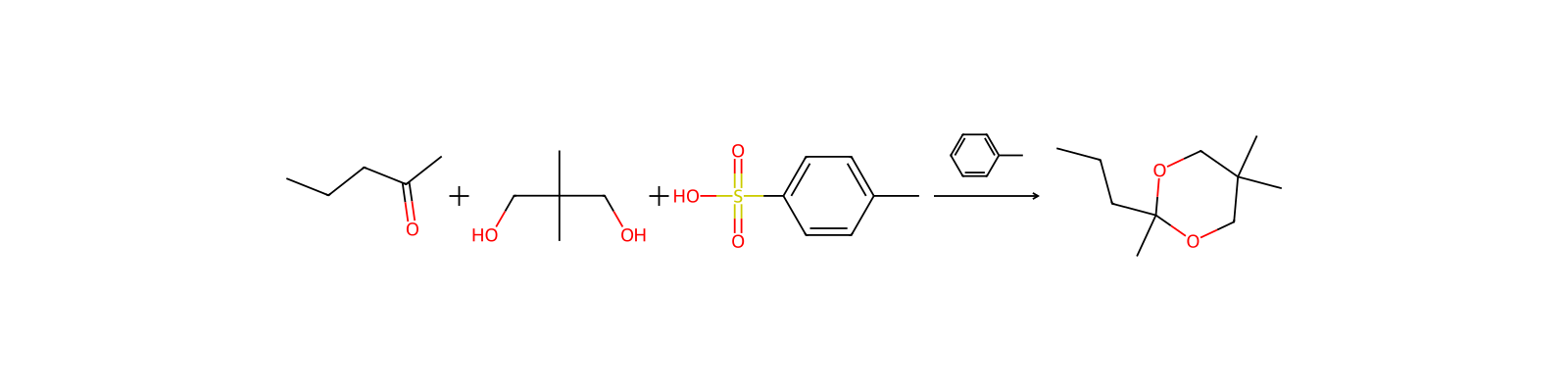
94건



연결된 노트
불러오는 중…