홈MCP워크벤치Skills
홈워크벤치알림마이페이지
llms.txt · MCP 가이드개인정보처리방침 · 이용약관 · 지원v1.8.0
  1. 홈
  2. /화합물

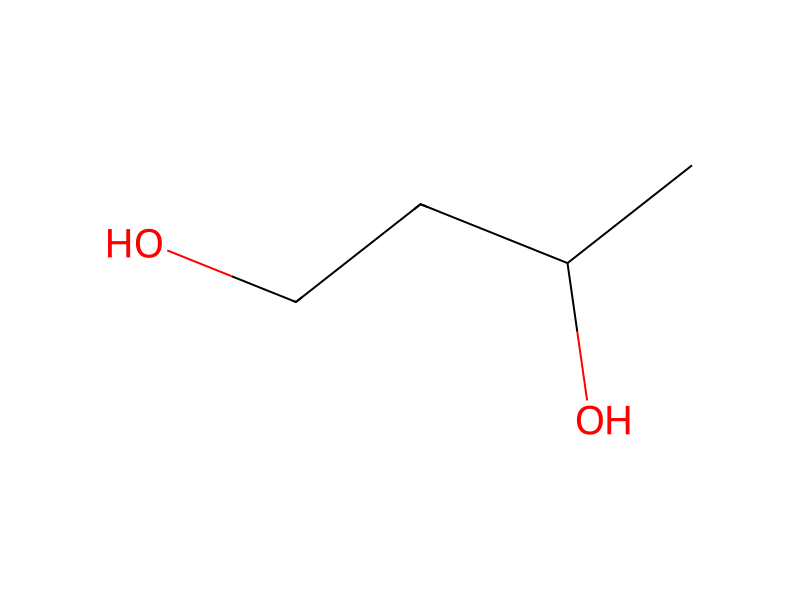
1,3-부탄디올

1,3-Butanediol

HCID 7896
새 노트새 반응견적 요청하기
인쇄 미리보기

데이터를 보충하는 중입니다. 잠시 후 페이지를 새로 고치면 최신 내용을 볼 수 있습니다
기본 정보개요이름 및 식별자물성안전 및 규제화학 및 산업관련 반응화합물 노트
부분 구조 검색유사 구조 찾기

기본 정보

CAS
107-88-0
표준 SMILES
CC(O)CCO
InChIKey
PUPZLCDOIYMWBV-UHFFFAOYSA-N
분자식
C4H10O2
평균 분자량
90.12 g/mol
단동위원소 질량
90.06807956

개요

Butane-1,3-diol is a butanediol compound having two hydroxy groups in the 1- and 3-positions. It is a glycol and a butanediol.

이름 및 식별자

우선 이름
1,3-Butanediol
IUPAC
butane-1,3-diol
현지명
1,3-부탄디올
영어명
1,3-Butanediol
분자식
C4H10O2
분자량
90.12

이름 및 동의어

1,3-BUTANEDIOLButane-1,3-diol107-88-01,3-Butylene glycolButylene glycol1,3-Dihydroxybutanebeta-Butylene glycolMethyltrimethylene glycol1-Methyl-1,3-propanediol1,3 Butylene glycol1,3-Butandiol(RS)-1,3-Butandiol
이름 더 보기
1,3-부탄디올부탄디올(1,3)부틸렌글라이콜1,3-부탄다이올BDBUTAN-1,3-DIOL(±)-butane-1,3-diol(3S)-butane-1,3-diol
1,3-ButylenglykolCaswell No. 128GGDTXSID8026773NSC-4021453XUS85K0RABRN 1731276AI3-11077DTXCID306773

데이터베이스 식별자

CAS
107-88-0
PubChem CID
7896
DTXSID
DTXSID8026773
ChEMBL
CHEMBL1231501、CHEMBL3186475
ChEBI
CHEBI:52683
UNII
3XUS85K0RA
EC Number
203-529-7
Nikkaji
J5.066K

물성

구조 계산 물성보충 중

XLogP
-0.4
극성 표면적
40.5 Ų
수소 결합 공여자 수
2
수소 결합 수용자 수
2
회전 가능 결합 수
2
무거운 원자 수
6
형식 전하
0
복잡도
28.7

실험 및 물리화학적 성질

PolymersOther Classes -> Alcohols and Polyols, Other
Cosmetics · 2건

Cosmetic ingredients (Butylene Glycol) -> CIR (Cosmetic Ingredient Review)

Humectant; Solvent

FragrancesFragrance Ingredient (1,3-Butanediol) -> IFRA transparency List
LogP · 2건

-0.290

-0.79

Odor · 2건

Practically odorless

Odorless when pure

TasteSweet flavor with bitter aftertaste
Food AdditivesFLAVORING AGENT OR ADJUVANT, SOLVENT OR VEHICLE -> FDA Substance added to food
Density · 3건

1.0053 g/cu cm at 20 °C

Relative density (water = 1): 1.00

1.006 @ 20°C

Flavoring AgentsEU Flavoring substances
Viscosity96 cSt at 25 °C
Color/Form · 2건

안전 및 규제

안전 정보는 참고용이며, 공급업체의 물질안전보건자료(SDS), 관련 법규 및 전문가 평가를 대체하지 않습니다.

GHS 분류

GHS Classification · 5건

This chemical does not meet GHS hazard criteria for 46.2% (1160 of 2513) of reports.

Warning

H226 (51.2%): Flammable liquid and vapor [Warning Flammable liquids]

P210, P233, P240, P241, P242, P243, P280, P303+P361+P353, P370+P378, P403+P235, and P501 (click each P-code to see the statement)

Aggregated GHS information provided per 2513 reports by companies from 8 notifications to the ECHA C&L Inventory.

유해성 정보

Regulatory Information · 5건

Chemical: 1,3-Butanediol

Commission Regulation (EC) No 1565/2000 (Repealed by Com. Implementing Reg. (EU) No 872/2012)

1,3-Butanediol is listed on the EPA's Chemical Data Reporting (CDR) system. Manufacturers and importers of 1,3-Butanediol are required to report information about their production and use of this chemical to the EPA under the Toxic Substances Control Act (TSCA). (40 eCFR Part 711)

Status: Active Update: 20-04-2023 https://echa.europa.eu/registration-dossier/-/registered-dossier/14962

1,3-Butylene glycol: Does not have an individual approval but may be used under an appropriate group standard

Fire HazardsCombustible.
Fire PotentialCombustible when exposed to heat or flame.
Hazards SummaryToxic if ingest large amounts; [CHRIS] A skin, eye, and respiratory tract irritant; [ICSC] An efficient antimicrobial agent, inhibiting gram-negative and gram-positive microorganisms, molds, and yeasts. [HSDB] A mild irritant; [MSDSonline]
FDA Requirements · 4건

1,3-Butanediol is an indirect food additive for use only as a component of adhesives.

1,3-Butylene glycol is a food additive permitted in feed and drinking water of animals.

1,3-Butylene glycol is a food additive permitted for direct addition to food for human consumption, as long as 1) the quantity of the substance added to food does not exceed the amount reasonably required to accomplish its intended physical, nutritive, or other technical effect in food, and 2) any substance intended for use in or on food is of appropriate food grade and is prepared and handled as a food ingredient.

화학 및 산업

약리 정보

Metabolism/Metabolites · 2건

Butanediol is metabolized by the liver... beta-hydroxybutyric acid /a main metabolite/ is further metabolized in the tricarboxylic acid cycle to carbon dioxide, which accounts for about 90% of the dose administered. In other studies... in which rats were fed 1,3-butanediol for 3 to 7 weeks, it was found that the blood level of beta-hydroxybutyrate, was also higher than normal.

R- and S-1,3-butylene glycol are taken up by the isolated liver of fed or starved rats at the same rate. R-1,3-butylene glycol is mainly transformed to the physiological ketone bodies R-3-hydroxybutyrate and acetoacetate. Only 29-38&% of the S-enantiomer are converted into physiological ketone bodies. The S-enantiomer is further metabolised to S-3-hydroxybutyrate (not a natural compound), lipids and carbon dioxide. Based on these results it can be concluded that the test item is metabolised via physiological pathways, suggesting that it has a low potential to accumulate.

Cellular LocationsCytoplasm

용도 및 제조

Uses · 6건

CIR ingredient: Butylene Glycol

Used as an intermediate in the manufacture of polyester plasticizers; as a humectant for cellophane and tobacco; in polyurethanes and special polyester resins; in surface active agents; as a coupling agent; as a solvent; as a food additive and flavoring; in the cosmetics and pharmaceutical industries as a glycerin substitute; for deicing of aircraft; [HSDB]

For 1,3-butanediol (USEPA/OPP Pesticide Code: 042205) there are 0 labels match. /SRP: Not registered for current use in the U.S., but approved pesticide uses may change periodically and so federal, state and local authorities must be consulted for currently approved uses./

The active ingredient is no longer contained in any registered pesticide products ... "cancelled."

Intermediate in manufacture of polyester plasticizers; humectant for cellophane, tobacco. Has some mold inhibiting action.

Polyesters, polyurethanes, surface active agents; plasticizers, humectant, coupling agent, solvent, food additive, flavoring.

ImpuritiesCrude diol often contains acetaldehyde, butyraldehyde, crotonaldehyde, various oligomers of the aldehydes, as well as several acetals.

관련 반응

57건
반응 기록 만들기
HRID 34683 반응식
HRID 34683반응물로uspto-grants-1988_08
HRID 127133 반응식
HRID 127133반응물로uspto-grants-1981_03
HRID 141713 반응식
HRID 141713반응물로Training data from https://doi.org/10.1039/C8SC04228D (9/10)
HRID 182447 반응식
HRID 182447반응물로Training data from https://doi.org/10.1039/C8SC04228D (6/10)
HRID 182564 반응식
HRID 182564반응물로Training data from https://doi.org/10.1039/C8SC04228D (6/10)
HRID 215532 반응식
HRID 215532반응물로Training data from https://doi.org/10.1039/C8SC04228D (6/10)
HRID 249597 반응식
HRID 249597반응물로uspto-grants-1993_05
HRID 314784 반응식
HRID 314784반응물로Training data from https://doi.org/10.1039/C8SC04228D (8/10)
1 / 8 페이지

화합물 노트

불러오는 중…

이 페이지에서기본 정보개요이름 및 식별자물성안전 및 규제화학 및 산업관련 반응화합물 노트
더보기
새 노트새 반응견적 요청하기

Viscous liquid

Pure compound is colorless

Solubility · 5건

Miscible with water

Practically insoluble in aliphatic hydrocarbons, benzene, toluene, carbon tetrachloride, ethanolamines, mineral and linseed oil; soluble in acetone, methyl ethyl ketone, ethanol, dibutyl phthalate, castor oil

Slightly soluble in ether

1000 mg/mL at 25 °C

Solubility in water: good

물리화학적 성질

녹는점
-54 °C · -54 °C
끓는 점
203 · 203-204 °C(lit.)
밀도
1.005 g/mL · 1.005 g/mL at 25 °C(lit.)
증기 밀도
3.1 · 3.1 (20 °C, vs air)
증기압
0.06 mm · 0.06 mm Hg ( 20 °C)
굴절률
20 · n20/D 1.44(lit.)
인화점
250 °F · 250 °F
저장 조건
30 °C · Store below +30°C.
용해도
500 g/l혼용 · >500g/l혼용 가능
물리적 상태
액체
산도 계수 (pKa)
14.83 · 14.83±0.20(Predicted)
Specific Gravity
1.004 · 1.004 – 1.007
색상
무색~황색 투명하며, 보관 시 갈색으로 변색될 수 있음
수소이온지수(pH)
6.1 · 6.1 (500g/l, H2O, 20℃)
냄새
냄새 없는
폭발한계
1.9 · 1.9-12.6%(V)
수용성
녹는
Merck
14 · 14,1567
BRN
1731276 · 1731276
Henry's Law Constant
7 · 7.0×103 mol/(m3Pa) at 25℃, Burkholder et al. (2019)
안정성
안정적인. 가연성. 흡습성 - 공기와 습기로부터 보호합니다. 강한 산화제와 호환되지 않습니다.
화장품 원료 기능
피부 컨디셔닝용제점도 조절보습제향기
InChI
1S/C4H10O2/c1-4(6)2-3-5/h4-6H,2-3H2,1H3
InChIKey
PUPZLCDOIYMWBV-UHFFFAOYSA-N
SMILES
CC(O)CCO
LogP
-0.9 at · -0.9 at 25℃
NIST
1 · 1,3-Butanediol(107-88-0)
EPA
1 · 1,3-Butylene glycol (107-88-0)

1,3-Butylene glycol (1,3-butanediol) may be safely used in food in accordance with the following prescribed conditions: (a) The substance meets the following specifications: (1) 1,3-Butylene glycol content: Not less than 99 percent. (2) Specific gravity at 20/20 °C: 1.004 to 1.006. (3) Distillation range: 200 deg-215 °C. (b) It is used in the minimum amount required to perform its intended effect. (c) It is used as a solvent for natural and synthetic flavoring substances except where standards of identity issued under section 401 of the act preclude such use.

EPA Safer ChemicalChemical: 1,3-Butanediol
FIFRA Requirements · 1건

As the federal pesticide law FIFRA directs, EPA is conducting a comprehensive review of older pesticides to consider their health and environmental effects and make decisions about their continued use. Under this pesticide reregistration program, EPA examines newer health and safety data for pesticide active ingredients initially registered before November 1, 1984, and determines whether the use of the pesticide does not pose unreasonable risk in accordance to newer safety standards, such as those described in the Food Quality Protection Act of 1996. Pesticides for which EPA had not issued Registration Standards prior to the effective date of FIFRA '88 were divided into three lists based upon their potential for human exposure and other factors, with List B containing pesticides of greater concern than those on List C, and with List C containing pesticides of greater concern than those on List D. Butylene glycol is found on List D. Case No: 4016; Case Status: No products containing the pesticide are actively registered ... The case /is characterized/ as "cancelled." Under FIFRA, pesticide producers may voluntarily cancel their registered products. EPA also may cancel pesticide registrations if registrants fail to pay required fees or make/meet certain reregistration commitments, or if EPA reaches findings of unreasonable adverse effects.; Active ingredient (AI): Butylene glycol; AI Status: The active ingredient is no longer contained in any registered pesticide products ... "cancelled."

Atmospheric Standards · 1건

This action promulgates standards of performance for equipment leaks of Volatile Organic Compounds (VOC) in the Synthetic Organic Chemical Manufacturing Industry (SOCMI). The intended effect of these standards is to require all newly constructed, modified, and reconstructed SOCMI process units to use the best demonstrated system of continuous emission reduction for equipment leaks of VOC, considering costs, non air quality health and environmental impact and energy requirements. 1,3-Butylene glycol is produced, as an intermediate or a final product, by process units covered under this subpart.

NFPA Hazard Classification · 3건

1 - Materials that, under emergency conditions, can cause significant irritation.

1 - Materials that must be preheated before ignition can occur. Materials require considerable preheating, under all ambient temperature conditions, before ignition and combustion can occur.

0 - Materials that in themselves are normally stable, even under fire conditions.

Toxic Combustion ProductsSpecial hazards arising from the substance or mixture: carbon oxides.
Hazard Classes and CategoriesFlam. Liq. 3 (51.2%)
Skin, Eye, and Respiratory Irritations · 3건

A tiny drop /of 1,3-butanediol/ applied to the human eye causes immediate severe stinging ... .

... /1,3-Butanediol/ is not irritating to human skin or mucous membranes.

A skin and eye irritant.

안전 및 보호

Fire FightingUse water spray, powder, alcohol-resistant foam, carbon dioxide.
First Aid Measures · 4건

Fresh air, rest.

Remove contaminated clothes. Rinse and then wash skin with water and soap.

First rinse with plenty of water for several minutes (remove contact lenses if easily possible), then refer for medical attention.

Rinse mouth. Give one or two glasses of water to drink. Rest.

Fire Fighting Procedures · 3건

Suitable extinguishing media: Use water spray, alcohol-resistant foam, dry chemical or carbon dioxide.

Advice for firefighters: Wear self-contained breathing apparatus for fighting if necessary.

To fight fire, use foam, alcohol foam, CO2, dry chemical.

Cleanup Methods · 3건

Soak up with inert absorbent material and dispose of as hazardous wast. Keep in suitable, closed containers for disposal.

Personal precautions, protective equipment and emergency procedures: Use personal protective equipment. Avoid breathing vapors, mist, or gas. Ensure adequate ventilation.

Do not let product enter drains.

Disposal Methods · 1건

SRP: Recycle any unused portion of the material for its approved use or return it to the manufacturer or supplier. Ultimate disposal of the chemical must consider: the material's impact on air quality; potential migration in air, soil or water; effects on animal, aquatic and plant life; and conformance with environmental and public health regulations. If it is possible or reasonable use an alternative chemical product with less inherent propensity for occupational harm/injury/toxicity or environmental contamination.

Spillage DisposalCollect leaking and spilled liquid in sealable containers as far as possible. Wash away remainder with plenty of water.
Preventive Measures · 4건

Avoid contact with skin and eyes. Avoid inhalation of vapor or mist.

Keep container tightly closed in a dry and well-ventilated place.

SRP: The scientific literature for the use of contact lenses by industrial workers is inconsistent. The benefits or detrimental effects of wearing contact lenses depend not only upon the substance, but also on factors including the form of the substance, characteristics and duration of the exposure, the uses of other eye protection equipment, and the hygiene of the lenses. However, there may be individual substances whose irritating or corrosive properties are such that the wearing of contact lenses would be harmful to the eye. In those specific cases, contact lenses should not be worn. In any event, the usual eye protection equipment should be worn even when contact lenses are in place.

Gloves must be inspected prior to use. Use proper glove removal technique (without touching glove's outer surface) to avoid skin contact with this product. Dispose of contaminated gloves after use in accordance with applicable laws and good laboratory practices. Wash and dry hands.

Eye PreventionWear safety spectacles.
Fire PreventionNO open flames.
Inhalation RiskNo indication can be given about the rate at which a harmful concentration of this substance in the air is reached on evaporation at 20 °C.
Skin PreventionProtective gloves.
Ingestion PreventionDo not eat, drink, or smoke during work.

독성 정보

Interactions · 4건

1,3-Butanediol and phlorhizin were used to induce ketonemia and hypoglycemia in steers. Oral administration of butanediol increased blood beta-hydroxybutyrate (BHB) and plasma nonesterified fatty acids (NEFA) and decreased serum glucose. Subcutaneous injections of phlorhizin, given in addition to butanediol orally, further increased NEFA and BHB concentrations and decreased glucose. Dietary niacin supplementation of steers given phlorhizin and butanediol caused serum glucose concentration to increase and blood BHB and plasma NEFA concentrations to decrease.

Evidence previously reported suggest that 1,3-butanediol (BD) enhances the hepatotoxic effect of a single small dose of carbon tetrachloride (CCl4) in a dose-related manner. The present study provides additional information concerning the quantitative relationship between the severity of the ketotic state produced by BD and the magnitude of the potentiation observed and emphasizes the use of ketone bodies (KB) to predict the potential hazard of the BD-CCl4 interaction. Liver damage was modulated in male Sprague-Dawley rats by varying the concentration of the BD solutions ingested prior to a CCl4 challenge (0.1 ml/kg, i.p.). These data were compared to ketone bodies in plasma, hepatic tissue and urine. BD produced a dose-dependent metabolic ketosis observable at dosages between 1.1 and 9.9 g/kg per day given for 7 days. Plasma and liver data correlated well together. Concomitantly, potentiation of the CCl4-induced liver injury was also dose-related for the same dosage range; the minimum effective dosage of BD for potentiation was estimated as 1.1 g/kg per day. The linear correlations between hepatic or plasma KB values and the indices of hepatic dysfunction (ALT, OCT) were highly significant. Using a semiquantitative method, a correlation was also found for the urinary KB data. These results suggest that plasma KB concentrations might be useful for predicting possible potentiation of the hepatonecrotic effect of CCl4 by BD.

For 28 days, four steers received l,3-butanediol, which causes ketonemia, and phlorizin, which causes glucosuria. Steers also were fasted for 9 days. Effects of treatments on concentrations of metabolites in blood and liver and on kinetics of glucose metabolism were determined. Treatments were: control, control with dietary butanediol plus injected phlorizin, and fasting. Fasting caused hypoinsulinemia and decreased liver glycogen by 60%. Butanediol plus phlorizin and fasting caused 18% and 19% decreases of plasma glucose and 2.5- and 6-fold increses of free fatty acid concentrations in blood plasma. Glucose irreversible loss averaged 371, 541, and 182 g/day during control, butanediol plus phlorizin treatment, and fasting. Butanediol plus phlorizin increased-liver ketone body concentrations, caused glucosuria, ketonuria, and ketonemia, but did not affect insulin, glucagon, or growth hormone concentrations in plasma or triglyceride and glycogen contents in liver. Steers given butane plus phlorizin did not show all the usual signs of lactation ketosis, but the treatment still offers promise for studying causes and effects of ketosis.

Rats maintained on 1,3-butanediol exhibit potentiated cholestatic responses to taurolithocholate or manganese-bilirubin injections; with alpha-naphthylisothiocyanate, the hyperbilirubinemia is enhanced but not the depression in bile flow.

Ecotoxicity ValuesEC50; Species: Lemna gibba (Inflated Duckweed); Conditions: freshwater, static, 27.5 °C; Concentration: 113.78 mM for 7 days; Effect: decreased population, inhibition of frond growth /formulation/
Environmental Fate · 3건

TERRESTRIAL FATE: Based on a classification scheme(1), an estimated Koc value of 1(SRC), determined from a structure estimation method(2), indicates that 1,3-butanediol is expected to have very high mobility in soil(SRC). Volatilization of 1,3-butanediol from moist soil surfaces is not expected(SRC) given an estimated Henry's Law constant of 2.4X10⁻⁹ atm-cu m/mole(SRC), based upon its vapor pressure, 0.02 mm Hg(3), and assigned value for water solubility, 1X10+6 mg/L (miscible)(4). 1,3-Butanediol is not expected to volatilize from dry soil surfaces(SRC) based upon its vapor pressure(3). 1,3-Butanediol is expected to be readily biodegraded based on modified Sturm test results of 80.5% in 28 days(5).

AQUATIC FATE: Based on a classification scheme(1), an estimated Koc value of 1(SRC), determined from a structure estimation method(2), indicates that 1,3-butanediol is not expected to adsorb to suspended solids and sediment(SRC). Volatilization from water surfaces is not expected(3) based upon an estimated Henry's Law constant of 2.4X10⁻⁹ atm-cu m/mole(SRC), derived from its vapor pressure, 0.02 mm Hg(4), and assigned value for water solubility, 1X10+6 mg/L (miscible)(5). 1,3-Butanediol is not expected to undergo hydrolysis in the environment due to the lack of functional groups that hydrolyze under environmental conditions(3). According to a classification scheme(6), an estimated BCF of 3(SRC), from an estimated log Kow of -0.29(2) and a regression-derived equation(2), suggests the potential for bioconcentration in aquatic organisms is low(SRC). 1,3-Butanediol is expected to be readily biodegraded based on modified Sturm test results of 80.5% in 28 days(7).

ATMOSPHERIC FATE: According to a model of gas/particle partitioning of semivolatile organic compounds in the atmosphere(1), 1,3-butanediol, which has a vapor pressure of 0.02 mm Hg at 25 °C(2), is expected to exist solely as a vapor in the ambient atmosphere. Vapor-phase 1,3-butanediol is degraded in the atmosphere by reaction with photochemically-produced hydroxyl radicals(SRC); the half-life for this reaction in air is estimated to be 12 hours(SRC), calculated from its rate constant of 3.32X10⁻¹¹ cu cm/molecule-sec at 25 °C(3). 1,3-Butanediol does not contain chromophores that absorb at wavelengths >290 nm(4) and, therefore, is not expected to be susceptible to direct photolysis by sunlight(SRC).

Food Survey Values · 1건

1,3-Butanediol was detected at <0.1 mg/kg in paprika oleoresin extracted from the Capsicum frutescens pepper obtained from Murcia, Spain(1). 1,3-Butanediol was detected in honey from Indiana and Ohio, the amount increased in some products adulterated with high fructose corn syrup(2).

Adverse EffectsNeurotoxin - Acute solvent syndrome
Exposure RoutesThe substance can be absorbed into the body by inhalation of its vapour.
Toxicity Summary · 2건

Safe in the present practices of use and concentration. Ingredient, concentration, and use information are available in documents discoverable at https://cir-reports.cir-safety.org

IDENTIFICATION AND USE: 1,3-Butanediol is an odorless, colorless, viscous liquid with a sweet flavor and bitter aftertaste. It is used as an intermediate in manufacture of polyester plasticizers; humectant for cellophane, tobacco; and in the cosmetic and pharmaceutical industry as a glycerin substitute.1,3-Butanediol also has some mold inhibiting action. It is not registered for current pesticide use in the U.S., but approved pesticide uses may change periodically and so federal, state and local authorities must be consulted for currently approved uses. HUMAN EXPOSURE AND TOXICITY: 1,3-Butanediol is not irritating to human skin or mucous membranes. When applied to the human eye it causes immediate severe stinging, but irrigation with water brings rapid complete relief. ANIMAL STUDIES: Eye irritation occurred in one individual, although its irritant potency in rabbits appeared low. It was of low acute oral toxicity to rodents. No treatment-related effects on mortality, body weight gain, organ weights, hematology, histopathology or neoplastic changes were observed in rats fed 1,3-butanediol in the diet at 1, 3 or 10% (~ 643, 1960 or 6230 mg/kg-bw/day for males or ~ 844, 2330 or 7300 mg/kg-bw/day for females) for two years. Feeding studies in which 1,3-butylene glycol replaced carbohydrate as an energy source found central nervous system effects in rats, dogs and calves. 1,3-Butanediol decreased glucose and increased beta-hydroxybutyrate in lactating goats fed 1,3-butanediol in their diets.1,3-Butylene glycol was fetotoxic when fed to rats during pregnancy, and a multigeneration feeding study in rats gave some indication of reduced male fertility. No genotoxic activity (dominant lethality or chromosomal damage) was seen in rats treated orally.

Signs and Symptoms · 3건

Cough.

Redness.

Stinging sensation. Redness.

Ongoing Test Status · 1건

EPA has released the first beta version (version 0.5) of the Interactive Chemical Safety for Sustainability (iCSS) Dashboard. The beta version of the iCSS Dashboard provides an interactive tool to explore rapid, automated (or in vitro high-throughput) chemical screening data generated by the Toxicity Forecaster (ToxCast) project and the federal Toxicity Testing in the 21st century (Tox21) collaboration. /The title compound was tested by ToxCast and/or Tox21 assays; Click on the "Chemical Explorer" button on the tool bar to see the data./[USEPA; ICSS Dashboard Application; Available from, as of April 22, 2015: http://actor.epa.gov/dashboard/]

Effluent Concentrations · 1건

1,3-Butanediol was qualitatively detected in water samples collected from an advanced waste treatment facility in Pomona, CA on Sep 25, 1974(1). 1,3-Butanediol was detected in wastewater from one of two olive oil processing sludge ponds in the months of Dec 1987, and Oct, Nov and Dec 1988; processing plants were located in Spain(2).

Soil Adsorption/Mobility · 1건

Using a structure estimation method based on molecular connectivity indices(1), the Koc of 1,3-butanediol can be estimated to be 1(SRC). According to a classification scheme(2), this estimated Koc value suggests that 1,3-butanediol is expected to have very high mobility in soil.

Human Toxicity Excerpts · 4건

/HUMAN EXPOSURE STUDIES/ The dermal safety of a 50% aqueous solution of 1,3-butylene glycol was evaluated using patch tests in 200 volunteers aged 6 to 67 years. Visible skin changes signifying reaction to injury were observed in 1 of the subjects. Challenge applications produced no reactions in any of the subjects.

/HUMAN EXPOSURE STUDIES/ ...Human volunteers tolerated a diet containing up to 10% of 1,3-butanediol for 5 to 7 days with no adverse effects as judged by blood tests; however, there was a slight decrease in blood glucose levels.

/SIGNS AND SYMPTOMS/ A tiny drop /of 1,3-butanediol/ applied to the human eye causes immediate severe stinging, but irrigation with water brings rapid complete relief.

/SIGNS AND SYMPTOMS/ ... /1,3-Butanediol/ is not irritating to human skin or mucous membranes.

규제 정보

FDA Requirements · 4건

1,3-Butanediol is an indirect food additive for use only as a component of adhesives.

1,3-Butylene glycol is a food additive permitted in feed and drinking water of animals.

1,3-Butylene glycol is a food additive permitted for direct addition to food for human consumption, as long as 1) the quantity of the substance added to food does not exceed the amount reasonably required to accomplish its intended physical, nutritive, or other technical effect in food, and 2) any substance intended for use in or on food is of appropriate food grade and is prepared and handled as a food ingredient.

1,3-Butylene glycol (1,3-butanediol) may be safely used in food in accordance with the following prescribed conditions: (a) The substance meets the following specifications: (1) 1,3-Butylene glycol content: Not less than 99 percent. (2) Specific gravity at 20/20 °C: 1.004 to 1.006. (3) Distillation range: 200 deg-215 °C. (b) It is used in the minimum amount required to perform its intended effect. (c) It is used as a solvent for natural and synthetic flavoring substances except where standards of identity issued under section 401 of the act preclude such use.

FIFRA Requirements · 1건

As the federal pesticide law FIFRA directs, EPA is conducting a comprehensive review of older pesticides to consider their health and environmental effects and make decisions about their continued use. Under this pesticide reregistration program, EPA examines newer health and safety data for pesticide active ingredients initially registered before November 1, 1984, and determines whether the use of the pesticide does not pose unreasonable risk in accordance to newer safety standards, such as those described in the Food Quality Protection Act of 1996. Pesticides for which EPA had not issued Registration Standards prior to the effective date of FIFRA '88 were divided into three lists based upon their potential for human exposure and other factors, with List B containing pesticides of greater concern than those on List C, and with List C containing pesticides of greater concern than those on List D. Butylene glycol is found on List D. Case No: 4016; Case Status: No products containing the pesticide are actively registered ... The case /is characterized/ as "cancelled." Under FIFRA, pesticide producers may voluntarily cancel their registered products. EPA also may cancel pesticide registrations if registrants fail to pay required fees or make/meet certain reregistration commitments, or if EPA reaches findings of unreasonable adverse effects.; Active ingredient (AI): Butylene glycol; AI Status: The active ingredient is no longer contained in any registered pesticide products ... "cancelled."

Atmospheric Standards · 1건

This action promulgates standards of performance for equipment leaks of Volatile Organic Compounds (VOC) in the Synthetic Organic Chemical Manufacturing Industry (SOCMI). The intended effect of these standards is to require all newly constructed, modified, and reconstructed SOCMI process units to use the best demonstrated system of continuous emission reduction for equipment leaks of VOC, considering costs, non air quality health and environmental impact and energy requirements. 1,3-Butylene glycol is produced, as an intermediate or a final product, by process units covered under this subpart.

안전 데이터

wgk
1
tsca
TSCA listed
rtecs
EK0440000
독성
LD50 orally in Rabbit: 18610 mg/kg LD50 dermal Rabbit > 20000 mg/kg
HS 번호
29053920
safety_code
24/25
기존화학 물질
KE-03787
F 고인화성물질
3
자연 발화 온도
741 °F
스토리지 클래스
10 - Combustible liquids
유해 물질 데이터
107-88-0(Hazardous Substances Data)
U.S. Production · 2건

2023: 25,000,000 - <40,000,000 lb

1,3-Butanediol is listed as a High Production Volume (HPV) chemical (65FR81686). Chemicals listed as HPV were produced in or imported into the U.S. in >1 million pounds in 1990 and/or 1994. The HPV list is based on the 1990 Inventory Update Rule. (IUR) (40 CFR part 710 subpart B; 51FR21438).

Consumer UsesSolvent
Industry UsesSolvent
Methods of Manufacturing · 4건

Acetaldol is prepared by acetaldehyde self-condensation in aqueous alkaline solutions. Acetaldehyde conversion cannot be carried higher than 66.6% because aldol and acetaldehyde combine to yield 2,6-dimethyl-1,3-dioxan-4-ol. The bound acetaldehyde is held so tenaciously that most commercial aldol is essentially equivalent to 2,6-dimethyl-1,3-dioxan-4-ol: Higher condensation products are often present. It is difficult to decompose 2,6-dimethyl-1,3-dioxan-4-ol into aldol without simultaneously dehydrating it to crotonaldehyde. Steam stripping is one of the most practical ways of removing the bound acetaldehyde. Aldol is led directly to a hydrogenation system where it is reduced in the presence of Raney nickel or other catalysts. Any of the acetaldehyde or 2,6-dimethyl-1,3-dioxan-4-ol left is reduced to ethanol and 2,4-dimethyl-1,3-dioxane, both of which are efficiency losses for the process. Low-boilers are striped from the hydrogenated product and pure 1,3-butylene glycol is obtained by distillation under reduced pressure.

Usually prepared by catalytic hydrogenation of aldol using Raney nickel.

From formaldehyde and propylene via pressure and a catalyst.

1,3-Butylene glycol can be recovered as a by-product of ethyl acetate manufactured through the Tischenko reaction of acetaldehyde.

Household ProductsInformation on 219 consumer products that contain Butylene glycol in the following categories is provided:
Use Classification · 6건

EPA Safer Chemical Functional Use Classes -> Solvents

Safer Chemical Classes -> Green circle - The chemical has been verified to be of low concern

Fragrance Ingredients

Food Additives -> CARRIER_SOLVENT -> JECFA Functional Classes

Food Additives -> CARRIER_SOLVENT -> JECFA Functional Classes

Food Additives -> CARRIER_SOLVENT -> JECFA Functional Classes

General Manufacturing Information · 4건

All Other Basic Organic Chemical Manufacturing

1,3-Butanediol: ACTIVE

1,3-Butylene glycol efficient antimicrobial agent, inhibiting gram-neg & gram-pos microorganisms, molds & yeasts. It is not sporicidal.

Produced as an intermediate in the manufacture of butadiene from acetadol. This process has, however, been abandoned by most companies.

응용 분야 · 3건

개요1,3-Butanediol(also known as 1,3-Butylene Glycol or Butylene glycol) is a viscous, colorless, transparent liquid with a boiling point of 208°C and a faint odor. It exhibits the reactivity of a diol and possesses excellent chemical stability. Currently, 1,3-Butanediol is predominantly used in the cosmetics industry as a humectant, thanks to its excellent antibacterial properties and lower irritation and allergenicity compared to glycerol and propylene glycol. In the chemical industry, it is used to synthesize various resins, improve their properties, and enhance dyeability. As a solvent, 1,3-Butanediol is used in the manufacture of coatings, adhesives, and other chemical products. It is a key raw material in the production of polyester and polyether polyols, which are polymers used to manufacture polyurethane foams, elastomers, and coatings, among others. In the pharmaceutical industry, 1,3-Butanediol serves as a key intermediate in the synthesis of various drug molecules, including antibiotics, antiviral drugs, and anticancer agents. During drug preparation, it acts as a solvent, helping to improve the solubility and stability of active pharmaceutical ingredients.

용도1,3-Butanediol is used in the synthesis of colchicine derivatives as anticancer agents. Also used in the synthesis of dual peroxisome proliferator-activated gamma and delta agonists acting as euglycem ic agents in the treatment of diabetes.

일반 설명(±)-1,3-Butanediol (BD) is a 1,3-diol. Its vapor pressure upto 270kPa, liquid-phase densities over a temperature range, two-phase (liquid + vapor) heat capacities, critical temperature and critical density have been determined. The obtained data was employed to derive various thermophysical properties.

제조 방법 · 2건

1,3-Butanediol can be produced by either chemical synthesis or biosynthesis. Chemical synthesis routes include the acetylene condensation–hydrogenation process, the propylene–formaldehyde condensation–hydrolysis process, and the one-step diacetone process. Among these methods, the acetylene condensation–hydrogenation route is currently the most widely used industrial production process.

생산 방법Butylene glycol is prepared by catalytic hydrogenation of aldol using Raney nickel.

상·하류 제품 정보

상류 원료

프로필렌n-뷰탈알데히드알돌

하류 제품

1,3-디메톡시부탄

추가 설명

정의ChEBI: A butanediol compound having two hydroxy groups in the 1- and 3-positions.