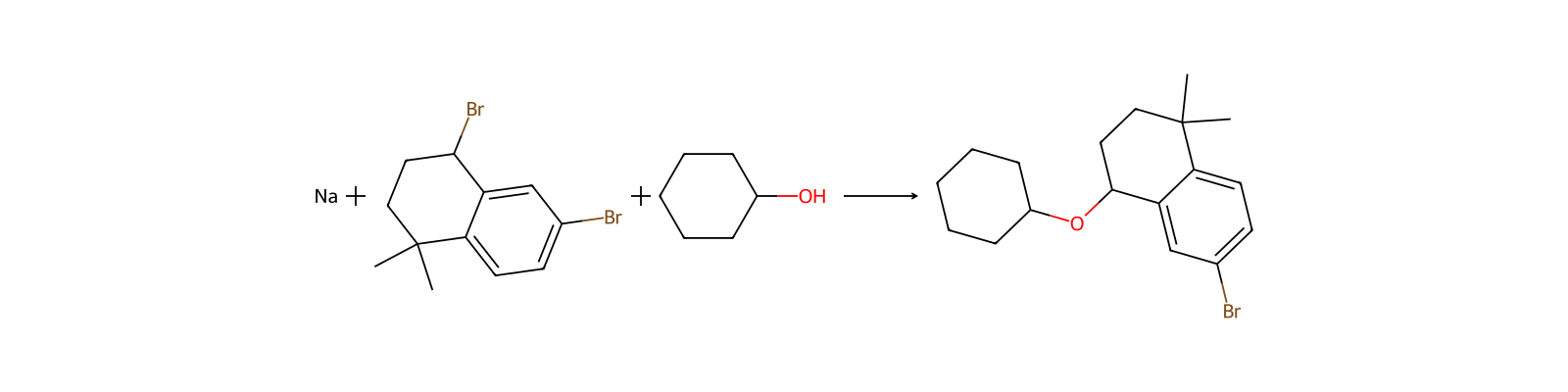
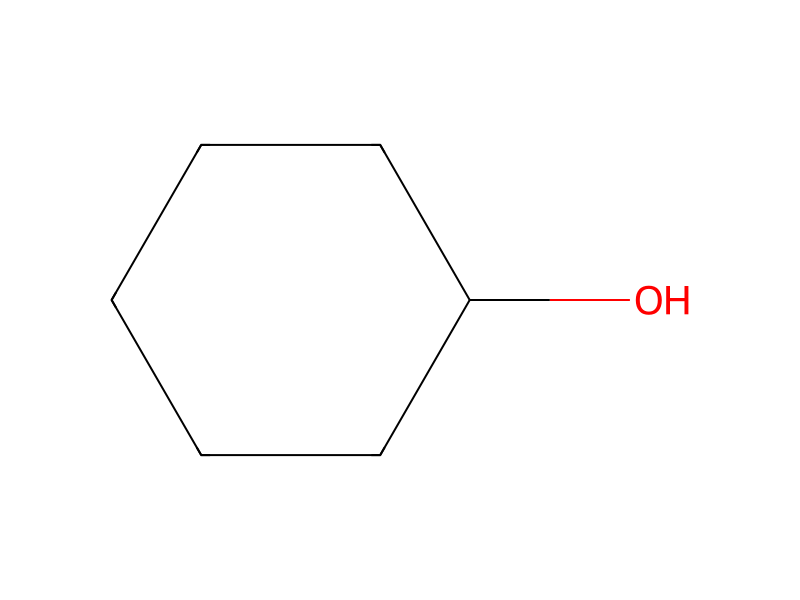
기본 정보
- 표준 SMILES
OC1CCCCC1- InChIKey
HPXRVTGHNJAIIH-UHFFFAOYSA-N- 분자식
- C6H12O
- 평균 분자량
- 100.16 g/mol
- 단동위원소 질량
- 100.088815
개요
Cyclohexanol appears as a colorless liquid with a camphor-like odor. Soluble in most organic liquids. Flash point 154 °F. May be toxic by inhalation or skin exposure. Vapors are narcotic in high concentrations. Irritates skin, eyes and mucus membranes. Used in making soap, lacquers, and plastics.
이름 및 식별자
- 우선 이름
- Cyclohexanol
- IUPAC
- cyclohexanol
- 현지명
- 사이클로헥산올
- 영어명
- Cyclohexanol
- 분자식
- C6H12O
- 분자량
- 100.16
이름 및 동의어
CYCLOHEXANOL108-93-0Cyclohexyl alcohol1-CyclohexanolHexahydrophenolHydrophenolHydroxycyclohexaneHexalinAdronalHydralinNaxolAdronol
이름 더 보기
사이클로헥산올시클로헥사놀시클로헥산올히드랄린헥사하이드로페놀시클로헥실알코올아드로날헥살린낙솔하사이클로헥실 알코올아놀헥사히드로페놀히드로페놀히드록시사이클로헥산Cyclohexanohexaline
AnolCicloesanoloCykloheksanolPhenol, hexahydro-Cyclohexan-1-olDTXSID40218948E7S519M3PNSC-403656
데이터베이스 식별자
- CAS
108-93-0- PubChem CID
- 7966
- DTXSID
DTXSID4021894- ChEMBL
CHEMBL32010- ChEBI
CHEBI:18099- UNII
- 8E7S519M3P
- EC Number
- 203-630-6
- Nikkaji
- J2.871A
물성
구조 계산 물성
- XLogP
- 1.2
- 극성 표면적
- 20.2 Ų
- 수소 결합 공여자 수
- 1
- 수소 결합 수용자 수
- 1
- 회전 가능 결합 수
- 0
- 무거운 원자 수
- 7
- 형식 전하
- 0
- 복잡도
- 46.1
실험 및 물리화학적 성질
Chemical ClassesFlammable agents - 2nd degree
DrugsPharmaceuticals -> Listed in ZINC15
PolymersOther Classes -> Alcohols and Polyols, Other
SpringerMaterials PropertiesActivity
FragrancesFragrance Ingredient (Cyclohexanol) -> IFRA transparency List
PesticidesInsecticides
LogP
log Kow = 1.23
1.2
1.36
OdorCamphor-like odor
Density
0.947 at 68 °F (USCG, 1999) - Less dense than water; will float
0.9624 at 20 °C/4 °C
Percent in "saturated" air: 0.33 (30 °C); density of "saturated" air: 1.01 (air = 1)
Relative density (water = 1): 0.96
0.96
0.962 @ 20°C
Flavoring AgentsEU Flavoring substances
Viscosity4.6 mPa.s (= cP) at 25 °C
Color/Form
Colorless needles or viscous liquid
Hygroscopic crystals
Sticky solid or colorless to light-yellow liquid (above 77 degrees F)
물리화학적 성질
- 녹는점
- 20 · 20-22 °C (lit.)
- 끓는 점
- 160 · 160-161 °C (lit.)
- 밀도
- 0.948 g/mL · 0.948 g/mL at 25 °C (lit.)
- 증기 밀도
- 3.5 · 3.5 (vs air)
- 증기압
- 0.98 mm · 0.98 mm Hg ( 25 °C)
- 굴절률
- 20 · n20/D 1.465(lit.)
- 인화점
- 67 °C · 67 °C
- 저장 조건
- 30 °C · Store below +30°C.
- 용해도
- 40 g/L · 40g/L
- 물리적 상태
- 녹은 후에 액체
- 산도 계수 (pKa)
- 16 · 16
- 색상
- 무색의
- 수소이온지수(pH)
- 6.5 · 6.5 (40g/l, H2O, 20℃)
- 냄새
- 장뇌처럼.
- 냄새 유형
- 녹나무 같은
- 폭발한계
- 2 · 2-11.2%(V)
- 수용성
- 3.6 g/100mL · 3.6g/100mL(20℃)
- 비열
- 2.08 J/ · Cp(liquid): 2.08 J/(g·K), at 25℃
- Merck
- 14 · 14,2725
- BRN
- 906744 · 906744
- Henry's Law Constant
- 16.9 at · 16.9 at 50.00 °C, 34.4 at 60.00 °C (headspace-GC, Hovorka et al., 2002)
- Dielectric constant
- 15 · 15.0(25℃)
- 안정성
- 안정적인. 산화제와 호환되지 않습니다. 실온에서도 과산화수소, 질산 등의 산화제와 격렬하게 반응하여 폭발성 물질을 생성합니다. 흡습성. 타기 쉬운.
- 화장품 원료 기능
- 향수
- InChI
- 1S/C6H12O/c7-6-4-2-1-3-5-6/h6-7H,1-5H2
- InChIKey
- HPXRVTGHNJAIIH-UHFFFAOYSA-N
- SMILES
- OC1CCCCC1
- LogP
- 1.25 at · 1.25 at 25℃
- 표면장력
- 33.15 mN/m · 33.15mN/m at 293.15K
- NIST
- Cyclohexanol(108-93-0)
- EPA
- Cyclohexanol (108-93-0)
화학적 성질
Cyclohexanol is a clear, colorless to pale yellow, viscous, hygroscopic liquid with a camphor-like odor. A detection odor threshold concentration of 64 μg/m3 (155 ppbv) was reported by Punter (1983). It has a fairly high flash point and boiling range. A solvent for cellulose ethers, ester gum,shellac, low viscosity silicones and polyvinyl chloride. lt has a fairly limited use in screen inks. lt is miscible with oils and hydrocarbon solvents.
안전 및 규제
GHS 분류
GHS Classification
Warning
H302: Harmful if swallowed [Warning Acute toxicity, oral]
P261, P264, P270, P271, P280, P301+P317, P302+P352, P304+P340, P317, P319, P321, P330, P332+P317, P362+P364, P403+P233, P405, and P501 (click each P-code to see the statement)
This chemical does not meet GHS hazard criteria for 0.2% (2 of 1012) of reports.
Warning
H302 (99.8%): Harmful if swallowed [Warning Acute toxicity, oral]
유해성 정보
Regulatory Information
Chemical: Cyclohexanol
Commission Regulation (EC) No 1565/2000 (Repealed by Com. Implementing Reg. (EU) No 872/2012)
Cyclohexanol is listed on the EPA's Chemical Data Reporting (CDR) system. Manufacturers and importers of Cyclohexanol are required to report information about their production and use of this chemical to the EPA under the Toxic Substances Control Act (TSCA). (40 eCFR Part 711)
Status: Active Update: 23-03-2023 https://echa.europa.eu/registration-dossier/-/registered-dossier/15181
Cyclohexanol: HSNO Approval: HSR001397 Approved with controls
The New Jersey Worker and Community Right to Know Act requires public and private employers to provide information about hazardous substances at their workplaces. (N.J.S.A. 34:5A-1 et. seq.)
Other Safety InformationEvaluation - Chemicals that are unlikely to require further regulation to manage risks to human health
DOT LabelFlammable Liquid Poison
Fire Hazards
Excerpt from ERG Guide 131 [Flammable Liquids - Toxic]:
Combustible. Above 68 °C explosive vapour/air mixtures may be formed.
Fire PotentialFlammable when exposed to heat or flame.
Health HazardsNarcosis-depression of the central nervous system tending to produce sleep or unconsciousness. (USCG, 1999)
Hazards Summary
Liquid or solid form causes first degree burns on short exposure; [CHRIS] Skin absorption and narcosis seen in acute animal studies; [ACGIH] A skin, eye, and respiratory tract irritant; Inhalation of high concentrations may cause CNS effects; [ICSC] Causes liver and kidney injury in high-dose animal studies; [HSDB]
DOT ID and Guide1993 128(combustible liquid, n.o.s.)
FDA RequirementsCyclohexanol is an indirect food additive for use only as a component of adhesives.
Reactive GroupAlcohols and Polyols
EC ClassificationSymbol: Xn; R: 20/22-37/38; S: (2)-24/25
Special Reports
European Commission, ESIS; IUCLID Dataset, Cyclohexanol (108-93-0) (2000 CD-ROM edition) contains information on use, toxicology, and environmental effects of this chemical as supplied to the European Union by industry.[Available from, as of May 5, 2010: http://esis.jrc.ec.europa.eu/]
안전 및 보호
Fire Fighting
Excerpt from ERG Guide 131 [Flammable Liquids - Toxic]:
Use powder, carbon dioxide, foam.
First Aid Measures
Fresh air, rest. Artificial respiration may be needed. Refer for medical attention.
Remove contaminated clothes. Rinse skin with plenty of water or shower. Refer for medical attention .
First rinse with plenty of water for several minutes (remove contact lenses if easily possible), then refer for medical attention.
Rinse mouth. Give one or two glasses of water to drink. Refer for medical attention .
First Aid
EYES: First check the victim for contact lenses and remove if present. Flush victim's eyes with water or normal saline solution for 20 to 30 minutes while simultaneously calling a hospital or poison control center. Do not put any ointments, oils, or medication in the victim's eyes without specific instructions from a physician. IMMEDIATELY transport the victim after flushing eyes to a hospital even if no symptoms (such as redness or irritation) develop.
(General first aid procedures)
Safe StorageSeparated from strong oxidants. Dry.
Exposure Control and Personal ProtectionBiological Exposure Indices (BEI) [ACGIH] - Screen for 1,2-Cyclohexandiol (with hydrolysis) in urine at end of shift at end of workweek;Screen for Cyclohexanol (with hydrolysis) in urine at end of shift;
Fire Fighting Procedures
Use dry chemical, carbon dioxide, or alcohol foam extinguishers. Vapors are heavier than air and will collect in low areas. Vapors may travel long distances to ignition sources and flashback. Vapors in confined areas may explode when exposed to fire. Containers may explode in fire. Storage containers and parts of containers may rocket great distances, in many directions. If material or contaminated runoff enters waterways, notify downstream users of potentially contaminated waters. Notify local health and fire officials and pollution control agencies. From a secure, explosion-proof location, use water spray to cool exposed containers. If cooling streams are ineffective (venting sound increases in volume and pitch, tank discolors or shows any signs of deforming), withdraw immediately to a secure position ... The only respirators recommended for fire fighting are self-contained breathing apparatuses that have full facepieces and are operated in a pressure-demand or other positive-pressure mode.
If material on fire or involved in fire: Do not extinguish fire unless flow can be stopped. Use water in flooding quantities as fog. Solid streams of water may be ineffective. Cool all affected containers with flooding quantities of water. Apply water from as far a distance as possible. Use "alcohol" foam, carbon dioxide or dry chemical.
Storage Conditions
Cyclohexanol must be stored to avoid contact with strong oxidizers (such as chlorine, bromine, and fluorine), since violent reactions occur. Metal containers involving the transfer of this chemical should be grounded and bonded. Where possible, automatically pump liquid from drums or other storage containers to process containers. Drums must be equipped with self-closing valves, pressure vacuum bungs, and flame arresters. Use only non-sparking tools and equipment, especially when opening and closing containers of this chemical. Sources of ignition, such as smoking and open flames, are prohibited where this chemical is used, handled, or stored in a manner that could created a potential fire or explosion hazard. Wherever this chemical is used, handled, manufactured, or stored, use explosion-proof electrical equipment and fittings.
Cleanup Methods
SRP: Wastewater from contaminant suppression, cleaning of protective clothing/equipment, or contaminated sites should be contained and evaluated for subject chemical or decomposition product concentrations. Concentrations shall be lower than applicable environmental discharge or disposal criteria. Alternatively, pretreatment and/or discharge to a permitted wastewater treatment facility is acceptable only after review by the governing authority and assurance that "pass through" violations will not occur. Due consideration shall be given to remediation worker exposure (inhalation, dermal and ingestion) as well as fate during treatment, transfer and disposal. If it is not practicable to manage the chemical in this fashion, it must be evaluated in accordance with EPA 40 CFR Part 261, specifically Subpart B, in order to determine the appropriate local, state and federal requirements for disposal.
Spill handling: evacuate and restrict persons not wearing protective equipment from area of spill or leak until cleanup is complete. Remove all ignition sources. Ventilate area of spill or leak. Absorb liquids in vermiculite, dry sand, earth, or a similar material and deposit in sealed containers. Collect powdered material in the most convenient and safe manner and deposit in sealed containers. It may be necessary to contain and dispose of this chemical as a hazardous waste. If material or contaminated runoff enters waterways, notify downstream users of potentially contaminated waters. Contact your Department of Environmental Protection or your regional office of the federal EPA for specific recommendations.
Collect leaking and spilled liquid in sealable containers as far as possible. Sweep spilled substance into sealable containers; if appropriate, moisten first to prevent dusting. Wash away remainder with plenty of water.
Environmental considerations - land spill: Dig a pit, pond, lagoon, holding area to contain liquid or solid material. /SRP: If time permits, pits, ponds, lagoons, soak holes, or holding areas should be sealed with an impermeable flexible membrane liner./ Dike surface flow using soil, sand bags, foamed polyurethane, or foamed concrete. Absorb bulk liquid with fly ash, cement powder, or commercial sorbents.
For more Cleanup Methods (Complete) data for Cyclohexanol (6 total), please visit the HSDB record page.
Nonfire Spill ResponseExcerpt from ERG Guide 131 [Flammable Liquids - Toxic]:
Disposal Methods
SRP: The most favorable course of action is to use an alternative chemical product with less inherent propensity for occupational harm/injury/toxicity or environmental contamination. Recycle any unused portion of the material for its approved use or return it to the manufacturer or supplier. Ultimate disposal of the chemical must consider: the material's impact on air quality; potential migration in soil or water; effects on animal and plant life; and conformance with environmental and public health regulations.
Spillage Disposal
Personal protection: filter respirator for organic gases and vapours adapted to the airborne concentration of the substance. Collect leaking and spilled liquid in sealable containers as far as possible. Sweep spilled substance into covered sealable containers. If appropriate, moisten first to prevent dusting. Wash away remainder with plenty of water.
Preventive Measures
SRP: The scientific literature for the use of contact lenses in industry is conflicting. The benefit or detrimental effects of wearing contact lenses depend not only upon the substance, but also on factors including the form of the substance, characteristics and duration of the exposure, the uses of other eye protection equipment, and the hygiene of the lenses. However, there may be individual substances whose irritating or corrosive properties are such that the wearing of contact lenses would be harmful to the eye. In those specific cases, contact lenses should not be worn. In any event, the usual eye protectionequipment should be worn even when contact lenses are in place.
SRP: Contaminated protective clothing should be segregated in a manner that results in no direct personal contact by personnel who handle, dispose of, or clean the clothing. Quality assurance procedures to confirm the efficacy of the cleaning procedures should be implemented prior to the decontaminated protective clothing being returned for reuse by the workers. Contaminated clothing (including shoes/socks) should not be taken home at end of shift, but should remain at employee's place of work for cleaning.
SRP: Wastewater from contaminant suppression, cleaning of protective clothing/equipment, or contaminated sites should be contained and evaluated for subject chemical or decomposition product concentrations. Concentrations shall be lower than applicable environmental discharge or disposal criteria. Alternatively, pretreatment and/or discharge to a permitted wastewater treatment facility is acceptable only after review by the governing authority and assurance that "pass through" violations will not occur. Due consideration shall be given to remediation worker exposure (inhalation, dermal and ingestion) as well as fate during treatment, transfer and disposal. If it is not practicable to manage the chemical in this fashion, it must be evaluated in accordance with EPA 40 CFR Part 261, specifically Subpart B, in order to determine the appropriate local, state and federal requirements for disposal.
If material not on fire and not involved in fire: Keep sparks, flames, and other sources of ignition away. Keep material out of water sources and sewers. Build dikes to contain flow as necessary.
For more Preventive Measures (Complete) data for Cyclohexanol (9 total), please visit the HSDB record page.
독성 정보
Body Burden
Cyclohexanol was detected in the expired air of 5 of 8 volunteer employees from the U.S. Air Force School of Aerospace Medicine, Brooks Air Force Base, Texas; the concentration averaged 0.78 ug/hr (for positive samples) and ranged between 0.28 and 1.6 ug/hr(1). It was detected in 65.6% of 387 samples of expired air taken from 54 study subjects who were carefully selected from urban areas and were normal, healthy, and non-smoking individuals; the geometric mean was 2.6 ng/L of expired air(2). In a study of 59 workers with occupational exposure to cyclohexanone, it was found that urinary cyclohexanol correlated with the time-weighted-average cyclohexanone exposure(3). When the time-weighted exposure was 25 ppm, the corresponding calculated cyclohexanol level was 54.5 mg/L.
Interactions
... This study explored the acute effect of ethanol (EtOH) on the urinary excretion of cyclohexanol (CH-ol), 1,2- and 1,4-cyclohexanediol (CH-diol), biomarkers of exposure to important solvents, and chemical intermediates cyclohexanone (CH-one), cyclohexane (CH) and cyclohexanol. ... Volunteers (5-8 in each group) were exposed for 8 hours either to CH-one, CH or CH-ol vapor at concentrations of about 200, 1000, and (SRP: 2000) mg/cu m, respectively, with concomitant ingestion of EtOH (4 14-g doses taken during the exposure). Urine was collected for 72 hours and analyzed for CH-ol and CH-diols ... . RESULTS: The metabolic yields of CH-ol, 1,2-, and 1,4-CH-diol, respectively, in the exposures with EtOH were as follows: 11.3%, 36%, 23% after the exposure to CH-one, 3.1%, 15%, 8% after the exposure to CH, and 6.6%, 24%, 18% after the exposure to CH-ol. [The corresponding values obtained previously in matching experiments without EtOH were as follows: 1.0%, 39%, 18% (CH-one); 0.5%, 23%, 11% (CH); and 1.1%, 19%, 8% (CH-ol).] The excretion curves of the metabolites in the exposures with EtOH were not delayed when compared with the corresponding curves of a comparison group. CONCLUSIONS: The urinary excretion of CH-diols is much less sensitive to EtOH than that of CH-ol. It is recommended to employ CH-diols as useful and more reliable biomarkers of exposure to CH-one, CH and CH-ol in field examinations.
Target OrgansEyes, skin, respiratory system
Ecotoxicity Values
LC50; Species: Lepomis macrochirus; Conditions: freshwater, static, 23 °C, mild aeration applied after 24 hr; Concentration: 1100 ppm for 96 hr
LC50; Species: Menidia beryllina; Conditions: synthetic seawater, static, 23 °C, mild aeration applied after 24 hr; Concentration: 720 ppm for 96 hr
LC50; Species: Pimephales promelas (fathead minnow); Conditions: Lake Superior water, static, 18-22 °C; Concentration: 1033 mg/L for 96 hr
LC50; Species: Pimephales promelas (fathead minnow); Conditions: flow through, 25.4 °C, pH 7.75, dissolved oxygen 6.3 mg/L, hardness 46.0 mg/L CaCO3, alkalinity 41.0 mg/L CaCO3; Concentration: 732 mg/L for 96 hr (confidence limit: 696-770 mg/L)
For more Ecotoxicity Values (Complete) data for Cyclohexanol (24 total), please visit the HSDB record page.
Environmental Fate
TERRESTRIAL FATE: Based on a classification scheme(1), an estimated Koc value of 11(SRC), determined from a log Kow of 1.23(2) and a regression-derived equation(3), indicates that cyclohexanol is expected to have very high mobility in soil(SRC). Volatilization of cyclohexanol from moist soil surfaces is expected to be an important fate process(SRC) given a Henry's Law constant of 4.40X10⁻⁶ atm-cu m/mole(4). Cyclohexanol is not expected to volatilize from dry soil surfaces(SRC) based upon a vapor pressure of 0.657 mm Hg at 25 °C(5). In the Japanese MITI test, a 96% of theoretical BOD using activated sludge was reached in 4 weeks(6). Various other aerobic screening studies reported 5-day degradations ranging from 57% to 96% based on theoretical BOD in acclimated sewage inoculums or mixed microbial cultures(7-9). These data suggest that biodegradation is an important environmental fate process in soil(SRC).
AQUATIC FATE: Based on a classification scheme(1), an estimated Koc value of 11(SRC), determined from a log Kow of 1.23(2) and a regression-derived equation(3), indicates that cyclohexanol is not expected to adsorb to suspended solids and sediment(SRC). Volatilization from water surfaces is expected(4) based upon a Henry's Law constant of 4.40X10⁻⁶ atm-cu m/mole(5). Using this Henry's Law constant and an estimation method(4), volatilization half-lives for a model river and model lake are 8.4 days and 64 days, respectively(SRC). According to a classification scheme(6), an estimated BCF of 3.0(SRC), from its log Kow(2) and a regression-derived equation(3), suggests the potential for bioconcentration in aquatic organisms is low(SRC). In the Japanese MITI test, a 96% of theoretical BOD using activated sludge was reached in 4 weeks(7). Various other aerobic screening studies reported 5-day degradations ranging from 57% to 96% based on theoretical BOD in acclimated sewage inoculums or mixed microbial cultures(8-10). These data suggest that biodegradation is an important environmental fate process in water(SRC).
ATMOSPHERIC FATE: According to a model of gas/particle partitioning of semivolatile organic compounds in the atmosphere(1), cyclohexanol, which has a vapor pressure of 0.657 mm Hg at 25 °C(2), will exist solely in the vapor phase in the ambient atmosphere. Vapor-phase cyclohexanol is degraded in the atmosphere by reaction with photochemically-produced hydroxyl radicals(SRC); the half-life for this reaction in air is estimated to be 22 hrs(SRC), calculated from its rate constant of 1.7X10⁻¹¹ cu cm/molecule-sec at 25 °C(3). Cyclohexanol does not contain chromophores that absorb at wavelengths >290 nm(4) and therefore is not expected to be susceptible to direct photolysis by sunlight(SRC).
Food Survey Values
Cyclohexanol was detected in boiled and roasted Chinese chestnuts commercially grown in western Pennsylvania in 1994(1). Cyclohexanol was detected in raw earth almond from Valencia, Spain, but was not detected after subsequent roasting(2). Cyclohexanol was qualitatively detected in mixtures of volatile flavor components from fried chicken(3) and baked potatoes (Idaho Russet Burbank potatoes)(4).
Adverse EffectsNeurotoxin - Acute solvent syndrome
Exposure Routes
The substance can be absorbed into the body by inhalation and by ingestion.
inhalation, skin absorption, ingestion, skin and/or eye contact
Plant ConcentrationsPlants containing cyclohexanol(1). [Table#173]
Signs and Symptoms
Cough. Dizziness. Drowsiness. Headache. Nausea. Sore throat.
Dry skin. Redness.
Redness. Pain.
Abdominal pain. Diarrhoea. Further see Inhalation.
irritation eyes, skin, nose, throat; narcosis
Effluent Concentrations
Cyclohexanol was qualitatively detected in 5 of 16 samples derived from large volume (>400 gallons) samples of advanced treatment concentrate from 4 of 6 cities (Lake Tahoe, CA, Oct 1974; Orange County, CA, Feb 1976; Dallas, TX, Nov 1974; Blue Plains, Washington, DC, May 1975)(1). Cyclohexanol was found at concentrations ranging from 0.24 to 1.2 mg/L in trench leachate from low level radioactive waste sites at Maxey Flats, KY and West Valley, NY(2,3). It has been found at concentrations >0.5 ppm in wastewaters from unspecified industries in the organic chemicals and plastics/synthetic fibers industrial categories(4). A concentration of 1 ppb was found in samples of leachate or samples of groundwater plume taken at an unspecified municipal landfill at an unspecified time(5). The cyclohexanol concentration found in wastewater from a Russian caprolactam manufacturing facility was reported to be 3.5 mg/L(6). Cyclohexanol was detected in the distillate of landfill leachate of Japanese municipal waste at a concentration of 112 ug/L(7).
Medical SurveillancePhysical examinations of exposed personnel annually, including studies of liver and kidney function.
규제 정보
FDA RequirementsCyclohexanol is an indirect food additive for use only as a component of adhesives.
TSCA Requirements
Section 8(a) of TSCA requires manufacturers of this chemical substance to report preliminary assessment information concerned with production, exposure, and use to EPA as cited in the preamble in 51 FR 41329. Effective date 8/4/95; Reporting date: 10/3/95.
Pursuant to section 8(d) of TSCA, EPA promulgated a model Health and Safety Data Reporting Rule. The section 8(d) model rule requires manufacturers, importers, and processors of listed chemical substances and mixtures to submit to EPA copies and lists of unpublished health and safety studies. Cyclohexanol is included on this list. Effective date 8/4/95; Sunset date: 6/30/98.
Atmospheric Standards
This action promulgates standards of performance for equipment leaks of Volatile Organic Compounds (VOC) in the Synthetic Organic Chemical Manufacturing Industry (SOCMI). The intended effect of these standards is to require all newly constructed, modified, and reconstructed SOCMI process units to use the best demonstrated system of continuous emission reduction for equipment leaks of VOC, considering costs, non air quality health and environmental impact and energy requirements. Cyclohexanol is produced, as an intermediate or final product, by process units covered under this subpart.
안전 데이터
- OEB
- A
- OEL
- TWA: 50 ppm (200 mg/m3) [skin]
- wgk
- 1
- IDLA
- 400 ppm
- tsca
- TSCA listed
- rtecs
- GV7875000
- ridadr
- NA1993
- 독성
- LD50 orally in rats: 2.06 g/kg (Smyth)
- HS 번호
- 2906 12 00
- risk_code
- 20/22-37/38
- hazard_code
- Xn
- safety_code
- 24/25
- 위험 등급
- CBL
- 기존화학 물질
- KE-09187
- F 고인화성물질
- 21
- 자연 발화 온도
- 572 °F
- Hazard Classifications
- Acute Tox. 4 DermalAcute Tox. 4 InhalationAcute Tox. 4 OralAquatic Chronic 3Eye Irrit. 2Skin Irrit. 2STOT SE 3
- 스토리지 클래스
- 10 - Combustible liquids
- 유해 물질 데이터
- 108-93-0(Hazardous Substances Data)
화학 및 산업
약리 정보
Biological Half-LifeNo reports found; [TDR, p. 430]
Metabolism/Metabolites
Cyclohexane was hydroxylated to cyclohexanol by rat liver microsomes in presence of NADPH & oxygen. Pretreatment with phenobarbital at 80 mg/kg/day ip stimulated activity 6-fold, while benzopyrene pretreatment at 20 mg/kg ip lowered cyclohexane hydroxylation.
Cyclohexanol was identified as the urinary metabolite after admin of cyclohexylamine hydrochloride to rats, rabbits, & guinea pigs (50-500 mg/kg, orally or ip) and humans (25 or 200 mg, orally).
Fed to rabbits, /cyclohexanol/ ... Is mostly excreted as the glucuronide conjugate (60% of the dose), but a small amt is oxidized further into trans-cyclohexane-1,2-diol (6%).
Hepatic NAD-dependent alcohol dehydrogenase ... is responsible for metabolism of ... cyclohexanol ...
For more Metabolism/Metabolites (Complete) data for Cyclohexanol (8 total), please visit the HSDB record page.
Absorption, Distribution and Excretion
The substance can be absorbed into the body by inhalation and by ingestion.
Animal expt ... In large doses ... /cyclohexanol/ is readily absorbed from the skin ... .
Following oral admin ... to rabbits, cmpd is excreted in urine in conjugation with sulfuric & glucuronic acids. Similar results were obtained when animals were subjected to repeated inhalation of cmpd.
... Rabbits exposed to lowest concn ... 145 ppm cyclohexanol in air, showed no incr in conjugation of urinary sulfates but excreted 5 times normal amt glucuronic acid.
... Incr in glucuronic acid in urine was paralleled by a decr in percentage of inorg sulfates. ... That the urinary sulfate ratio became normal when exposure ceased ... led ... to ... /conclusion/ that there was no prolonged retention in organism.
용도 및 제조
Uses
Used in the production of nylon, paints, plastics, detergents, textiles, and pesticides; [ACGIH]
Textiles (Fiber & Fabric Manufacturing) [Category: Industry]
Solvent for alkyd resins, alcohol-soluble phenolic resins, ethyl cellulose. Manufacture of celluloid; finishing textiles; in insecticides.
Oxidation of cyclohexanol to adipic acid is the most important use... 90% of adipic acid produced in the United States is used in the manufacture of nylon-6,6... The next important usage of cyclohexanol, pure or admixed with cyclohexanone as KA-oil, is in the production of caprolactam, which is used in the manufacture of nylon-6 polymer.
Chemical intermediate; a stabilizer and homogenizer for soaps and synthetic detergent emulsions; solvent for lacquers and varnishes.
As a solvent for oils ... shellacs...
ImpuritiesCyclohexane, benzene, cyclohexanone, and phenol
U.S. Exports
(1972) NEGLIGIBLE
(1975) NEGLIGIBLE
U.S. Imports(1972) NEGLIGIBLE
U.S. Production
2023: 550,000,000 - <700,000,000 lb
(1972) 3.87X10+11 GRAMS
(1975) PROBABLY GREATER THAN 1.36X10+6 GRAMS
(1992) Not reported
Cyclohexanol is listed as a High Production Volume (HPV) chemical (65FR81686). Chemicals listed as HPV were produced in or imported into the U.S. in >1 million pounds in 1990 and/or 1994. The HPV list is based on the 1990 Inventory Update Rule. (IUR) (40 CFR part 710 subpart B; 51FR21438).
For more U.S. Production (Complete) data for Cyclohexanol (6 total), please visit the HSDB record page.
Consumption Patterns
90% FOR ADIPIC ACID FOR NYLON; 10% FOR MISC APPLICATIONS INCLUDING SYNTHESIS OF ADIPIC ACID FOR NON-NYLON APPLICATIONS, SYNTHESIS OF CYCLOHEXYL ESTERS (INCL DICYCLOHEXYL PHTHALATE), AND AS STABILIZER AND DYE SOLVENT IN THE TEXTILE INDUSTRY (1972).
(1985) 95% FOR ADIPIC ACID
Consumer UsesCleaning agent
Industry UsesDispersing agent
Methods of Manufacturing
Cyclohexanol can be prepared in high yield by either vapor- or liquid-phase hydrogenation of phenol. Vapor-phase hydrogenation can be carried out by using a supported nickel catalyst or a nickel catalyst containing copper, cobalt, or manganese. The support is usually alumina or silicic acid. Yields as high as 98% have been reported. ... Commercial liquid-phase hydrogenation of phenol under mild conditions with a palladium on carbon catalyst gives greater than 99% yield of cyclohexanone at 90% conversion. By adjusting the operating conditions and changing to a Raney nickel catalyst, 99.9% selectivity for cyclohexanol can be achieved.
Liquid-phase oxidation of cyclohexane.
Boric acid modified oxidation of cyclohexane ... In the 1950s, Scientific Design (now Halcon International) developed a process in which anhydrous metaboric acid was added as a slurry to the first of several staged air oxidation vessels. The cyclohexyl hydroperoxide formed is trapped as the cyclohexyl perborate ester. The perborate ester then reacts with additional cyclohexane in the air oxidizer to yield the borate ester and additional cyclohexanol. This borate ester is relatively stable in the air oxidizer and is protected from over oxidation to ring-opened products. The ester is subsequently hydrolyzed to cyclohexanol and boric acid. The boric acid is dehydrated to metaboric acid and is recycled to the air oxidizer.
Production and hydration of cyclohexene ... The process involves three primary steps: the selective hydrogenation of benzene; the separation of the cyclohexene from the unconverted benzene and the over-hydrogenation product cyclohexane; and the hydration of the cyclohexene. The yield of this process from benzene to cyclohexanol is extremely high, probably greater than 95%.
For more Methods of Manufacturing (Complete) data for Cyclohexanol (7 total), please visit the HSDB record page.
Formulations/Preparations
Grade: Technical (contains freezing inhibitor)
Commercial products: Technical and High-grade
SOME CYCLOHEXANOL IS SHIPPED WITH 2.25% METHANOL AS ANTIFREEZE.
KA OIL USED FOR ADIPIC ACID PRODUCTION IS 65% CYCLOHEXANOL
Household ProductsInformation on 2 consumer products that contain Cyclohexanol in the following categories is provided:
Use Classification
Fragrance Ingredients
Insecticides
응용 분야
용도Cyclohexanol is used for the productionof adipic acid and caprolactam for makingnylon. Its phthalate derivatives are used forplasticizers. It is used as a stabilizer for soapsand detergents; as a solvent for lacquers,varnishes, and shellacs; and as a dye solventfor textiles.
일반 설명Cyclohexanol appears as a colorless liquid with a camphor-like odor. Soluble in most organic liquids. Flash point 154 °F. May be toxic by inhalation or skin exposure. Vapors are narcotic in high concentrations. Irritates skin, eyes and mucus membranes. Used in making soap, lacquers, and plastics.
제조 방법
생산 방법Cyclohexanol is prepared by the catalytic air oxidation of cyclohexane or by the catalytic hydrogenation of phenol. The most important use of cyclohexanol is in producing adipic acid used in the manufacture of caprolactam. Cyclohexanol is used in the manufacture of esters for use as plasticizers; it is also used as a chemical intermediate, a stabilizer, a homogenizer for various soap and detergent emulsions, and as a solvent for lacquers and varnishes . The primary routes of occupational exposure are dermal and inhalation.
상·하류 제품 정보
상류 원료
하류 제품
추가 설명
정의ChEBI: Cyclohexanol is an alcohol that consists of cyclohexane bearing a single hydroxy substituent. The parent of the class of cyclohexanols. It has a role as a solvent. It is a secondary alcohol and a member of cyclohexanols.
관련 반응
704건

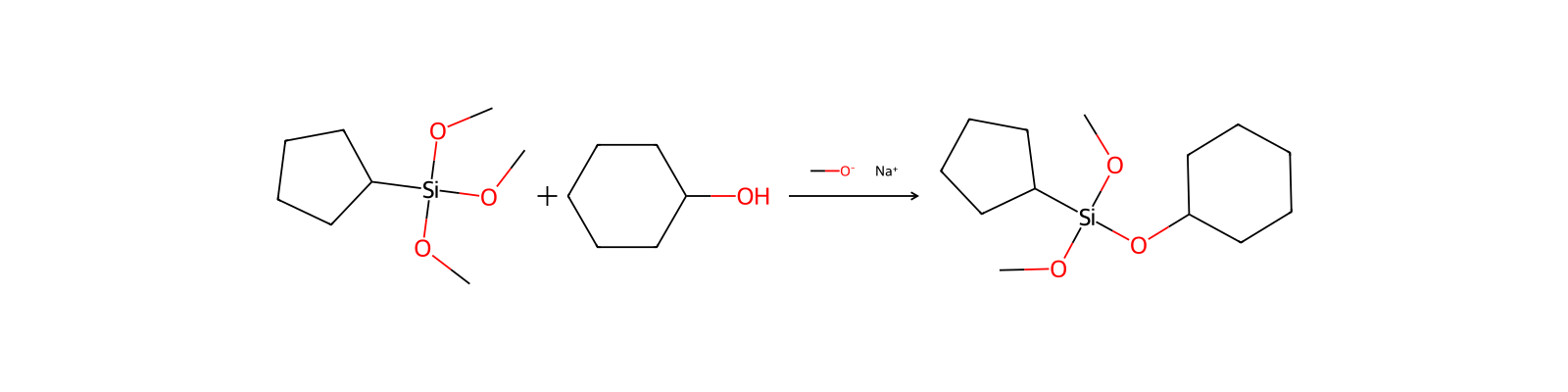
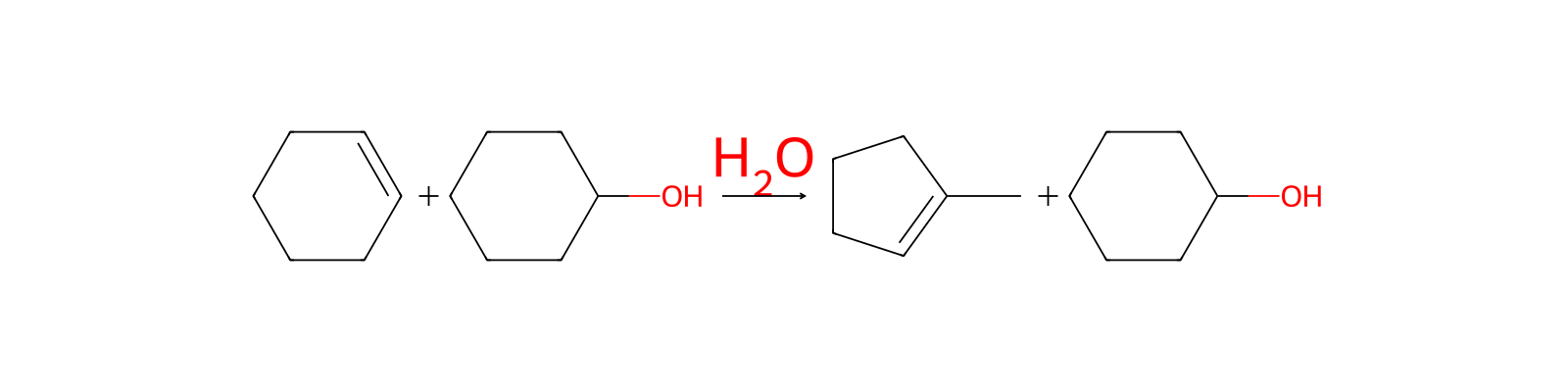
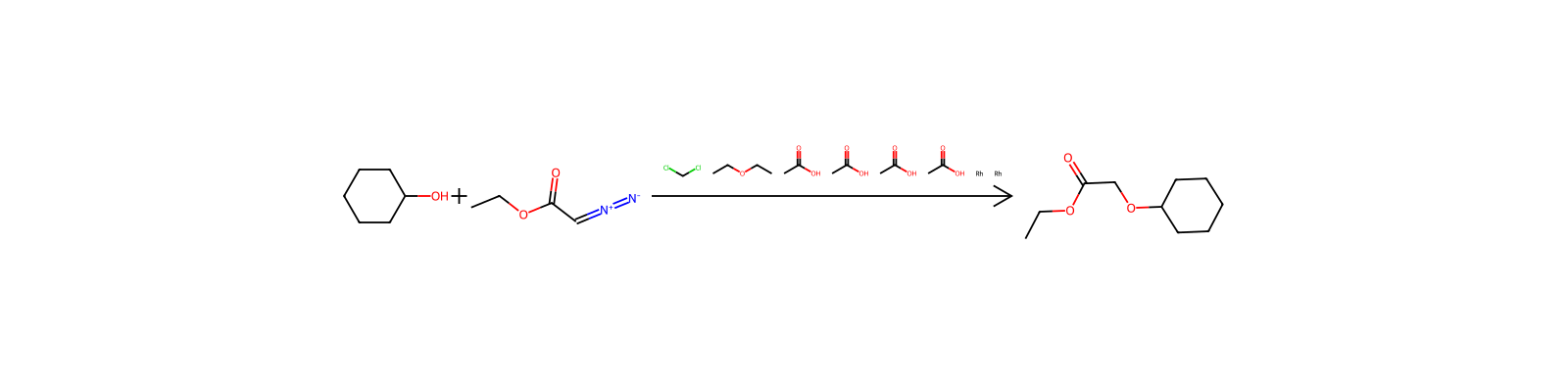
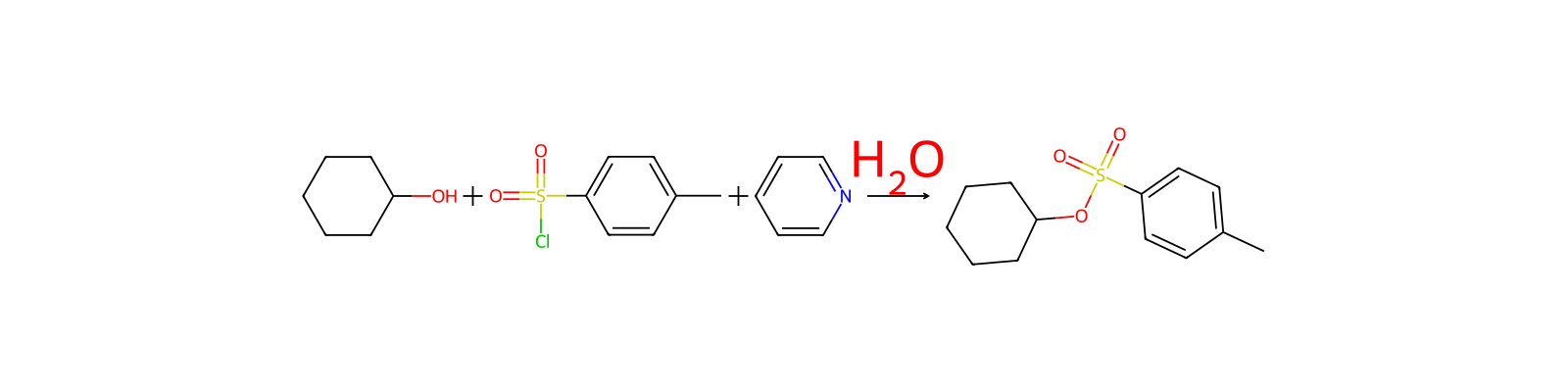
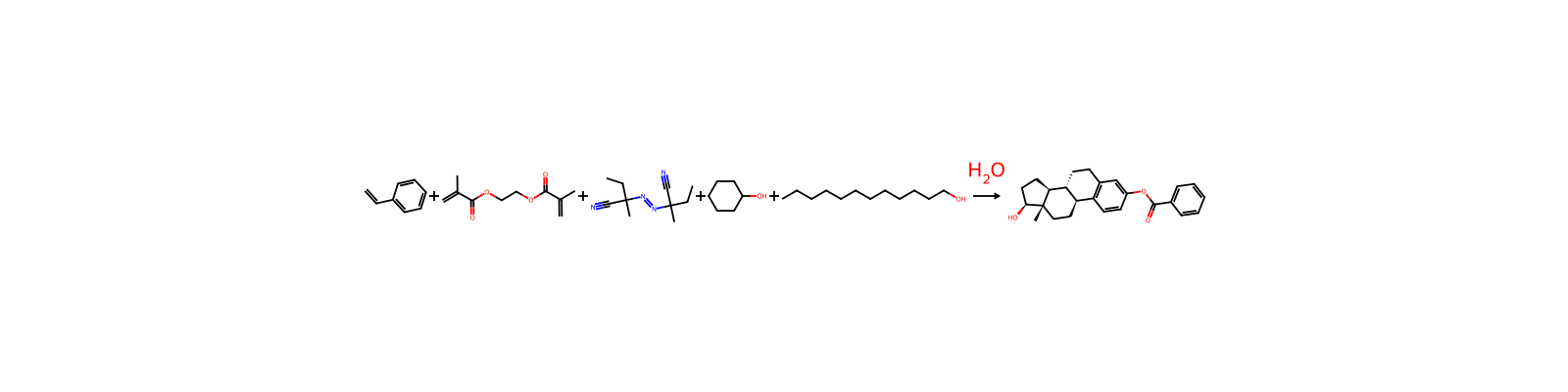
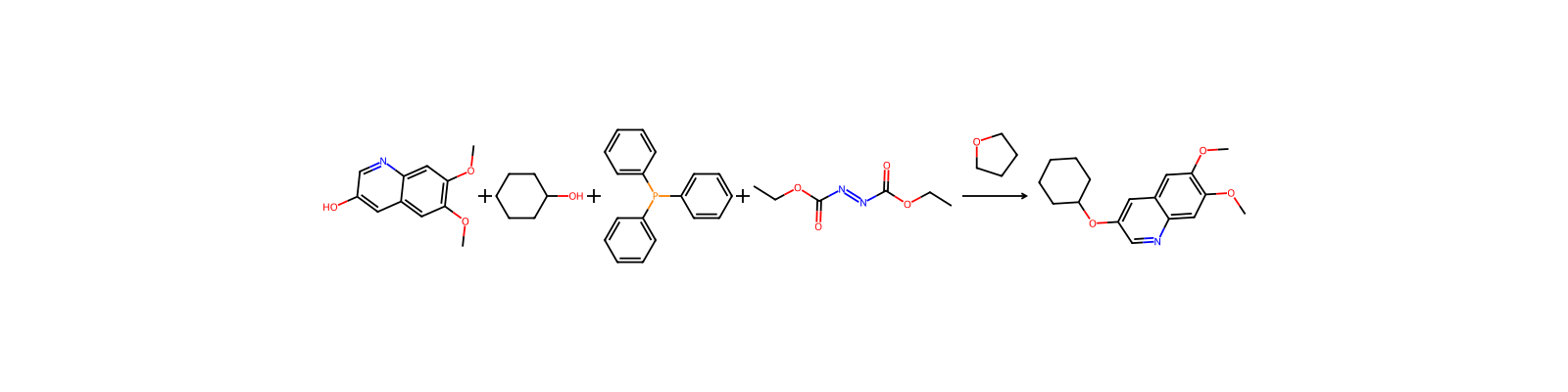
연결된 노트
불러오는 중…