
기본 정보
- 표준 SMILES
N#CCc1ccccc1- InChIKey
SUSQOBVLVYHIEX-UHFFFAOYSA-N- 분자식
- C8H7N
- 평균 분자량
- 117.15 g/mol
- 단동위원소 질량
- 117.05784922
개요
Phenylacetonitrile, liquid appears as a colorless oily liquid with an aromatic odor. Insoluble in water and slightly denser than water. Contact may irritate skin, eyes, and mucous membranes. May be toxic by ingestion. Used to make other chemicals.
이름 및 식별자
- 우선 이름
- Phenylacetonitrile
- IUPAC
- 2-phenylacetonitrile
- 영어명
- Phenylacetonitrile
- 분자식
- C8H7N
- 분자량
- 117.14788
이름 및 동의어
PhenylacetonitrileBenzeneacetonitrileBENZYL CYANIDE2-Phenylacetonitrile140-29-4alpha-TolunitrileBenzyl nitrilealpha-Cyanotoluene(Cyanomethyl)benzeneBenzylnitrilePhenyl acetyl nitrileAcetonitrile, phenyl-
이름 더 보기
USAF KF-21Benzylkyanidomega-CyanotoluenePhenacetonitrileAcetic acid, phenyl-nitrileDTXSID202149223G40PRP93NSC-118418
데이터베이스 식별자
- CAS
140-29-4- PubChem CID
- 8794
- DTXSID
DTXSID2021492- ChEMBL
CHEMBL3560735- ChEBI
CHEBI:25979- UNII
- 23G40PRP93
- EC Number
- 205-410-5
- Nikkaji
- J5.653G
물성
구조 계산 물성
- XLogP
- 1.6
- 극성 표면적
- 23.8 Ų
- 수소 결합 공여자 수
- 0
- 수소 결합 수용자 수
- 1
- 회전 가능 결합 수
- 1
- 무거운 원자 수
- 9
- 형식 전하
- 0
- 복잡도
- 114
실험 및 물리화학적 성질
Chemical ClassesNitrogen Compounds -> Nitriles
SpringerMaterials Properties13C nuclear magnetic resonance spectrum
FragrancesFragrance substance (Benzyl cyanide) -> IFRA amendment 38
LogP
log Kow = 1.56
1.56
1.47
OdorAromatic odor
Density
1.0214 at 59 °F (EPA, 1998) - Denser than water; will sink
1.0205
1.0214 @ 15°C
Color/FormColorless oily liquid
Solubility
less than 1 mg/mL at 63 °F (NTP, 1992)
Miscible with oxygenated solvents.
SOL IN ALL PROP IN ALC, ETHER; SOL IN ACETONE
In water, 100 mg/L at 25 °C
0.1 mg/mL at 25 °C
Flash Point
215 °F (NTP, 1992)
102 °C
102 °C (closed cup)
235 °F (113 °C) (Open cup)
Boiling Point
451.4 °F at 760 mmHg (EPA, 1998)
233.5 °C
233.00 to 234.00 °C. @ 760.00 mm Hg
233.5 °C @760 [mm Hg]
DecompositionWhen heated to decomposition it emits very toxic fumes of /hydrogen cyanide and nitrogen oxides/.
Melting Point
-10.8 °F (EPA, 1998)
-23.8 °C
-23.8 °C
-23.8 °C
안전 및 규제
GHS 분류
GHS Classification
Danger
H301 (88%): Toxic if swallowed [Danger Acute toxicity, oral]
P260, P262, P264, P270, P271, P280, P284, P301+P316, P301+P317, P302+P352, P304+P340, P316, P320, P321, P330, P361+P364, P403+P233, P405, and P501 (click each P-code to see the statement)
Aggregated GHS information provided per 1715 reports by companies from 10 notifications to the ECHA C&L Inventory. Each notification may be associated with multiple companies.
Danger
H301: Toxic if swallowed [Danger Acute toxicity, oral]
유해성 정보
Regulatory Information
Chemical: Benzeneacetonitrile
List I Chemical: A chemical specified by regulation that, in addition to legitimate uses, is used in manufacturing a controlled substance in violation of the Act and is important to the manufacture of a controlled substance. (21 eCFR 1310.02)
Benzeneacetonitrile is listed on the EPA's Chemical Data Reporting (CDR) system. Manufacturers and importers of Benzeneacetonitrile are required to report information about their production and use of this chemical to the EPA under the Toxic Substances Control Act (TSCA). (40 eCFR Part 711)
Status: Active Update: 15-02-2023 https://echa.europa.eu/registration-dossier/-/registered-dossier/10522
Benzyl cyanide: Does not have an individual approval but may be used under an appropriate group standard
The New Jersey Worker and Community Right to Know Act requires public and private employers to provide information about hazardous substances at their workplaces. (N.J.S.A. 34:5A-1 et. seq.)
Other Safety InformationIMAP assessments - Benzeneacetonitrile: Environment tier I assessment
DOT LabelPoison
Fire Hazards
When heated to decomposition, it emits very toxic fumes of cyanide and nitrogen oxides. Container may explode in heat of fire. Runoff from fire control water may give off poisonous gases. Avoid sodium hypochlorite. (EPA, 1998)
· Combustible material: may burn but does not ignite readily.
Health Hazards
Poisonous. May be fatal if inhaled, swallowed, or absorbed through skin. Contact may cause burns to skin and eyes. (EPA, 1998)
· Highly toxic, may be fatal if inhaled, ingested or absorbed through skin.
Hazards SummaryA skin, eye, and mucous membrane irritant, possibly burning skin and eyes; Toxic by inhalation, ingestion, and skin absorption; [CAMEO] Highly toxic; Oral LD50 (mouse) = 45.5 mg/kg; Skin LD50 (rat) = 2000 mg/kg; [MSDSonline] See NITRILES.
DOT ID and Guide2470 152
FDA Requirements
The following chemicals have been specifically designated by the Administrator of the Drug Enforcement Administration as the listed chemicals subject to the provisions of this part and parts 1309 and 1313 of this chapter. Each chemical has been assigned the DEA Chemical Code Number set forth opposite it. Benzyl cyanide (DEA Code: 8735) is included on this list.
Reactive GroupNitriles
Reactivity ProfilePHENYLACETONITRILE can react with strong acids, strong bases, strong oxidizing agents and strong reducing agents. It may react vigorously with sodium hypochlorite. (NTP, 1992).
DOT Hazard Classification
Phenylacetonitrile, liquid
UN2470
Div 6.1 Poisonous materials (49 eCFR § 173.132)
PG III: the degree of danger presented by the material is minor
Air and Water ReactionsThis chemical is moisture sensitive. Insoluble in water.
안전 및 보호
Fire Fighting
Keep unnecessary people away; isolate hazard area and deny entry. Stay upwind; keep out of low areas. Ventilate closed spaces before entering them. Wear positive pressure breathing apparatus and special protective clothing. Remove and isolate contaminated clothing at the site.
Accidental Release Measures
· CALL 911. Then call emergency response telephone number on shipping paper. If shipping paper not available or no answer, refer to appropriate telephone number listed on the inside back cover.
· ELIMINATE all ignition sources (no smoking, flares, sparks or flames) from immediate area.
First Aid
Warning: Benzyl cyanide may be fatal if inhaled, swallowed, or absorbed through skin or mucous membranes. Caution is advised.
General First Aid:
Exposure Control and Personal Protection· Wear positive pressure self-contained breathing apparatus (SCBA).
Nonfire Spill ResponseExcerpt from ERG Guide 152 [Substances - Toxic (Combustible)]:
Disposal Methods
...Combustion in an approved incinerator for a chemical waste.
SRP: The most favorable course of action is to use an alternative chemical product with less inherent propensity for occupational exposure or environmental contamination. Recycle any unused portion of the material for its approved use or return it to the manufacturer or supplier. Ultimate disposal of the chemical must consider: the material's impact on air quality; potential migration in soil or water; effects on animal, aquatic, and plant life; and conformance with environmental and public health regulations.
Isolation and Evacuation
Excerpt from ERG Guide 152 [Substances - Toxic (Combustible)]:
Immediate precautionary measure
Protective Action Criteria (PAC)
0.39 [mg/m3]
4.3 [mg/m3]
15 [mg/m3]
Personal Protective Equipment (PPE)
For emergency situations, wear a positive pressure, pressure-demand, full facepiece self-contained breathing apparatus (SCBA) or pressure- demand supplied air respirator with escape SCBA and a fully-encapsulating, chemical resistant suit. (EPA, 1998)
Emergency Response Planning GuidelinesSmall Fire
독성 정보
Treatment
Antidotes to cyanide poisoning include hydroxocobalamin and sodium nitrite, which release the cyanide from the cytochrome system, and rhodanase, which is an enzyme occurring naturally in mammals that combines serum cyanide with thiosulfate, producing comparatively harmless thiocyanate. Oxygen therapy can also be administered. (L97)
Health Effects
Exposure to high levels of cyanide for a short time harms the brain and heart and can even cause coma, seizures, apnea, cardiac arrest and death. Chronic inhalation of cyanide causes breathing difficulties, chest pain, vomiting, blood changes, headaches, and enlargement of the thyroid gland. Skin contact with cyanide salts can irritate and produce sores. (L96, L97)
Environmental Fate
TERRESTRIAL FATE: Based on a classification scheme(1), an estimated Koc value of 170(SRC), determined from a log Kow of 1.56(2) and a regression-derived equation(3), indicates that benzyl cyanide is expected to have moderate mobility in soil(SRC). Volatilization of benzyl cyanide from moist soil surfaces may be an important fate process(SRC) given an estimated Henry's Law constant of 1.4X10⁻⁴ atm-cu m/mole(4) derived from its vapor pressure, 8.9X10⁻² mm Hg(5), and water solubility, 100 mg/L(6). Benzyl cyanide is not expected to volatilize from dry soil surfaces(SRC) based upon a vapor pressure of 8.9X10⁻² mm Hg(SRC), determined from a fragment constant method(5). A 77% theoretical BOD in 2 weeks using an activated sludge inoculum and the MITI test(6) indicates that biodegradation may be an important environmental fate process in soil(SRC).
AQUATIC FATE: Based on a classification scheme(1), an estimated Koc value of 170(SRC), determined from a log Kow of 1.56(2) and a regression-derived equation(3), indicates that benzyl cyanide may adsorb to suspended solids and sediment(SRC). Volatilization from water surfaces is expected(3) based upon an estimated Henry's Law constant of 1.4X10⁻⁴ atm-cu m/mole(SRC), developed using a fragment constant estimation method(4) derived from its vapor pressure, 8.9X10⁻² mm Hg(5), and water solubility, 100 mg/L(6). Using this Henry's Law constant and an estimation method(3), volatilization half-lives for a model river and model lake are 5.7 hours and 6.4 days, respectively(SRC). According to a classification scheme(7), an estimated BCF of 9(SRC), from its log Kow(2) and a regression-derived equation(8), suggests the potential for bioconcentration in aquatic organisms is low(SRC). A 77% theoretical BOD in 2 weeks using an activated sludge inoculum and the MITI test(6) indicates that biodegradation may be an important environmental fate process in water(SRC).
ATMOSPHERIC FATE: According to a model of gas/particle partitioning of semivolatile organic compounds in the atmosphere(1), benzyl cyanide , which has a vapor pressure of 8.9X10⁻² mm Hg at 25 °C(SRC)(2), is expected to exist solely as a vapor in the ambient atmosphere. Vapor-phase benzyl cyanide is degraded in the atmosphere by reaction with photochemically-produced hydroxyl radicals(SRC); the half-life for this reaction in air is estimated to be 7.8 days(SRC), calculated from its rate constant of 2.1X10⁻¹² cu cm/molecule-sec at 25 °C(SRC) that was derived using a structure estimation method(3). Benzyl cyanide does not contain chromophores that would be expected to absorb light at wavelengths >290 nm and would not be expected to be susceptible to direct photolysis by sunlight(SRC).
Food Survey ValuesBenzyl cyanide was detected in concentrations ranging from 0.1 ug/kg in the leg to 8 ug/kg in the carapace of steamed crab meat(1). Benzyl cyanide was detected, not quantified in beef(2).
Adverse EffectsOther Poison - Chemical Asphyxiant
Exposure RoutesOral (L96) ; inhalation (L96) ; dermal (L96)
Toxicity Summary
Organic nitriles decompose into cyanide ions both in vivo and in vitro. Consequently the primary mechanism of toxicity for organic nitriles is their production of toxic cyanide ions or hydrogen cyanide. Cyanide is an inhibitor of cytochrome c oxidase in the fourth complex of the electron transport chain (found in the membrane of the mitochondria of eukaryotic cells). It complexes with the ferric iron atom in this enzyme. The binding of cyanide to this cytochrome prevents transport of electrons from cytochrome c oxidase to oxygen. As a result, the electron transport chain is disrupted and the cell can no longer aerobically produce ATP for energy. Tissues that mainly depend on aerobic respiration, such as the central nervous system and the heart, are particularly affected. Cyanide is also known produce some of its toxic effects by binding to catalase, glutathione peroxidase, methemoglobin, hydroxocobalamin, phosphatase, tyrosinase, ascorbic acid oxidase, xanthine oxidase, succinic dehydrogenase, and Cu/Zn superoxide dismutase. Cyanide binds to the ferric ion of methemoglobin to form inactive cyanmethemoglobin. (L97)
Plant ConcentrationsBenzyl cyanide was detected but not quantified in kiwi fruit flowers(1). Benzyl cyanide occurs in garden cress and other plants(2).
Signs and SymptomsCyanide poisoning is identified by rapid, deep breathing and shortness of breath, general weakness, giddiness, headaches, vertigo, confusion, convulsions/seizures and eventually loss of consciousness. (L96, L97)
Soil Adsorption/Mobility
The Koc of benzyl cyanide is estimated as 170(SRC), using a log Kow of 1.56(1) and a regression-derived equation(2). According to a classification scheme(3), this estimated Koc value suggests that benzyl cyanide is expected to have moderate mobility in soil.
Natural Pollution SourcesBenzyl cyanide was detected in kiwi fruit flowers(1), and it occurs in garden cress and other plants(2). Benzyl cyanide has also been found in beef(3) and crab meat(4).
Artificial Pollution SourcesBenzyl cyanide's production and use in organic synthesis as a precusor to penicillin(1) and as a component of tar creosote(2), may result in its release to the environment through various waste streams(SRC).
규제 정보
FDA Requirements
The following chemicals have been specifically designated by the Administrator of the Drug Enforcement Administration as the listed chemicals subject to the provisions of this part and parts 1309 and 1313 of this chapter. Each chemical has been assigned the DEA Chemical Code Number set forth opposite it. Benzyl cyanide (DEA Code: 8735) is included on this list.
CERCLA Reportable Quantities
Releases of CERCLA hazardous substances are subject to the release reporting requirement of CERCLA section 103, codified at 40 CFR part 302, in addition to the requirements of 40 CFR part 355. Benzyl cyanide is an extremely hazardous substance (EHS) subject to reporting requirements when stored in amounts in excess of its threshold planning quantity (TPQ) of 500 lbs.
안전 데이터
- 신호 어
- Danger
- 유해·위험 문구
- 암호 유해·위험 문구 위험 등급 범주 신호 어 그림 문자 P- 코드 H330
화학 및 산업
약리 정보
Metabolism/Metabolites
Groups of 3 male rats were administered once by gavage (58.6, 152.3, 210.9 mg/kg bw) and by ip injection (15.2, 22.3, 30..5 mg/kg bw). Cyanide was slowly liberated from the dosed nitrile and excreted as cyanide and thiocyanate... .
Benzyl cyanide is...metabolized into benzoic acid and thiocyanate, probably via hydroxylation to mandelonitrile. Hydrolysis of cyanide group to give phenylacetic acid...occurs as minor pathway.
Benzyl cyanide is oxidized by mouse liver microsomes to benzaldehyde and cyanide ion...
Benzyl cyanide can be metabolized by rat nasal tissue enzymes to cyanide. However, the cyanide produced could be metabolized efficiently to the less toxic thiocyanate in the nasal cavity.
... Benzyl cyanide (150 mg/kg) administered orally to rats led to markedly increased urinary thiocyanate levels; for male rats this was equivalent to 54% of the dose and for females this was 65% over a period of 3 days. When adjusted for incomplete recoveries of the marker, thiocyanate, these values equated to 61 and 89%, respectively.
Organic nitriles are converted into cyanide ions through the action of cytochrome P450 enzymes in the liver. Cyanide is rapidly absorbed and distributed throughout the body. Cyanide is mainly metabolized into thiocyanate by either rhodanese or 3-mercaptopyruvate sulfur transferase. Cyanide metabolites are excreted in the urine. (L96)
Cellular LocationsCytoplasm
용도 및 제조
Uses
Used in organic synthesis; as a chemical intermediate for pharmaceutical drugs; with esters for perfumes and flavors; in the synthesis of optical bleaches for fibers; in the production of insecticides; [HSDB]
Textiles (Printing, Dyeing, or Finishing) [Category: Industry]
Organic synthesis; especially penicillin precursors
Chemical intermediate for amphetamines, phenobarbital, the stimulant, methyl phenidylacetate, esters as perfumes & flavors
Phenylacetonitrile is used as an intermediate in the production of synthetic penicillins or barbiturates, in the synthesis of optical bleaches for fibers, in the production of insecticides, and for perfumes and flavors (via phenylacetic acid to "honey-type" ester compounds).
Benzyl cyanide is an intermediate to the production of phenobarbital, methylphenidate, and many amphetamines. (L589)
U.S. Exports
(1972) No Data
(1975) No Data
U.S. Imports
(1975) 3.0X10+7 GRAMS (PRINCPL CUSTMS DISTS)
(1976) 2.14X10+7 GRAMS (PRINCPL CUSTMS DISTS)
U.S. Production
2023: 50,000 - <250,000 lb
(1972) GREATER THAN 1.82X10+6 GRAMS
(1975) GREATER THAN 9.08X10+5 GRAMS
Consumer UsesFragrance
IFRA Fragrance Standards
Benzyl cyanide
Benzeneacetonitrile; Benzylnitrile; Phenylacetonitrile; Phenyl acetyl nitrile
IFRA_STD_112.pdf
38
IFRA 51st Amendment - Guidance for the use of IFRA Standards
Prohibition: This material should not be used as a fragrance ingredient_Restriction: This material should be used only in the limited quantity as stated in the Standard
Methods of Manufacturing
Reaction of benzyl chloride with potassium cyanide
... Made from benzyl chloride, and sodium cyanide
Phenylacetonitrile is produced by the reaction of benzyl chloride with alkali cyanide in alcohol or aqueous solution under phase transfer catalysis with N,N-dialkylbenzylammonium chloride.
Formulations/PreparationsGRADES: Technical.
DEA Listed Chemicals
Benzyl cyanide
A chemical specified by regulation that, in addition to legitimate uses, is used in manufacturing a controlled substance in violation of the Act and is important to the manufacture of a controlled substance. (21 eCFR 1310.02)
General Manufacturing InformationBenzeneacetonitrile: ACTIVE
관련 반응
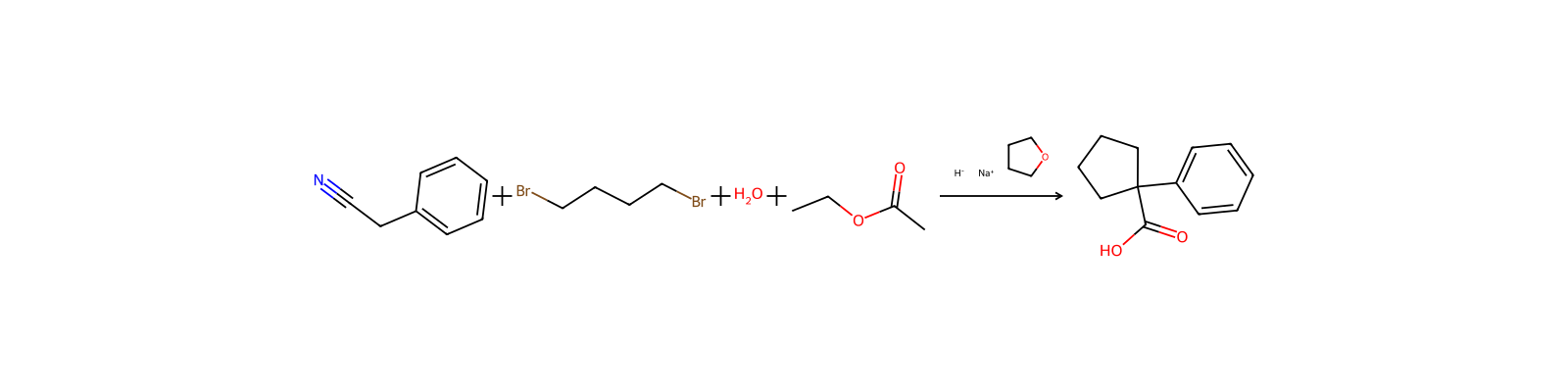
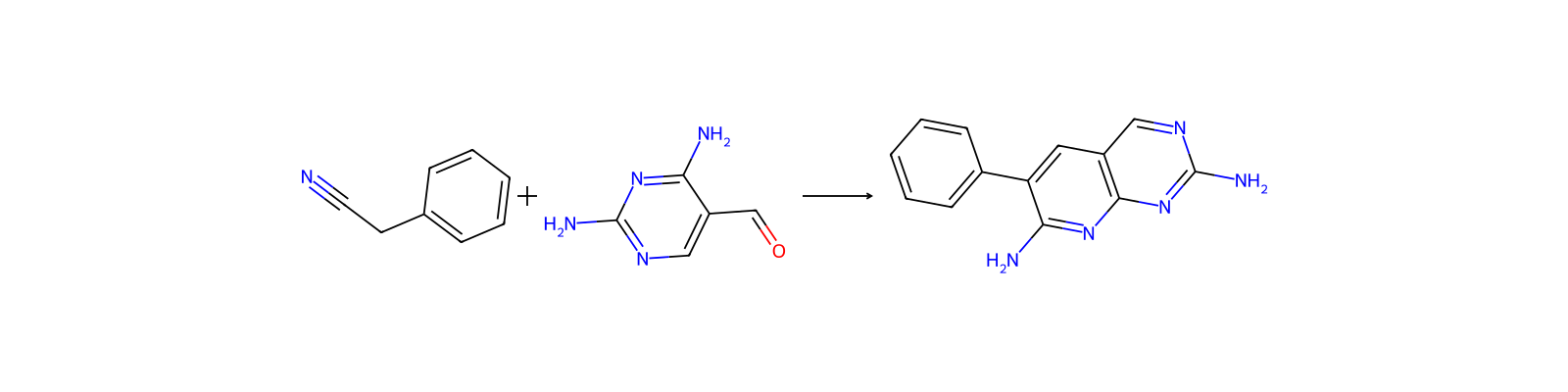
371건


연결된 노트
불러오는 중…