
기본 정보
- 표준 SMILES
CC(=O)C=C(C)C- InChIKey
SHOJXDKTYKFBRD-UHFFFAOYSA-N- 분자식
- C6H10O
- 평균 분자량
- 98.14 g/mol
- 단동위원소 질량
- 98.07316494
개요
Mesityl oxide appears as a colorless, oily liquid with a pungent honey-like odor. Flash point 87 °F. Less dense than water and slightly soluble in water. Vapors heavier than air. Used in paint removers, as a solvent for plastics, and as an insect repellent.
이름 및 식별자
- 우선 이름
- Mesityl oxide
- IUPAC
- 4-methylpent-3-en-2-one
- 현지명
- 산화 메시틸
- 영어명
- Mesityl oxide
- 분자식
- C6H10O
- 분자량
- 98.14
이름 및 동의어
MESITYL OXIDE141-79-74-Methylpent-3-en-2-one4-Methyl-3-penten-2-oneIsopropylideneacetoneMethyl isobutenyl ketone3-Penten-2-one, 4-methyl-Isobutenyl methyl ketoneMesityloxidMesityloxydeOssido di mesitile3-Isohexen-2-one
이름 더 보기
메시틸옥시드산화메시틸4-메틸-3-펜틴-2-온산화메시틸산화 메시틸2,2-다이메틸바이닐 메틸 케톤2-메틸-2-펜텐-4-온2-메틸-4-옥소-2-펜텐3-펜텐-2-온, 4-메틸-4-메틸-3-펜텐-2-온4-메틸-펜트-3-엔-2-온4-메틸펜트-3-엔-2-온메시틸 옥사이드메틸 아이소부테닐 케톤메틸 아이소뷰텐일 케톤아이소프로필리덴아세톤아이소프로필아이딘아세톤mesitylFEMA 33684-Methyl-3-penten-2-one, 9CI4-Methyl-3-penten-2-onMesity oxideThe propyl acetone
Oxyde de mesityleMethyl 2-methyl-1-propenyl ketoneAcetone, isopropylidene-Methyl 2,2-dimethylvinyl ketone2-Methyl-4-oxo-2-pentene2-Methyl-2-pentenone-44-Metil-3-penten-2-one2,2-Dimethylvinyl methyl ketone
데이터베이스 식별자
- CAS
141-79-7- PubChem CID
- 8858
- DTXSID
DTXSID1029170- ChEMBL
CHEMBL3185916- ChEBI
CHEBI:89993- UNII
- 77LAC84669
- EC Number
- 205-502-5
- Nikkaji
- J2.540B
물성
구조 계산 물성
- XLogP
- 1.4
- 극성 표면적
- 17.1 Ų
- 수소 결합 공여자 수
- 0
- 수소 결합 수용자 수
- 1
- 회전 가능 결합 수
- 1
- 무거운 원자 수
- 7
- 형식 전하
- 0
- 복잡도
- 96.7
실험 및 물리화학적 성질
Chemical Classes
Other Classes -> Aliphatic Ketones, Other
Flammable agents - 3rd degree
LipidsFatty Acyls [FA] -> Oxygenated hydrocarbons [FA12]
SpringerMaterials PropertiesBoiling point
FragrancesFragrance Ingredient (4-Methyl-3-penten-2-one) -> IFRA transparency List
LogP1.7
Odor
... spearmint ...
COMMERCIAL GRADE EXHIBITS AN UNPLEASANT ODOR
Peppermint- or honey-like odor
TasteOILY TASTE
Food AdditivesFLAVORING AGENT OR ADJUVANT -> FDA Substance added to food
Density
0.853 at 68 °F (USCG, 1999) - Less dense than water; will float
0.8592 at 15 °C/4 °C
Bulk density = 7.1 lb/gal at 20 °C
0.87 g/cm³
Relative density of the vapour/air-mixture at 20 °C (air = 1): 1.03
0.862-0.868
Flavoring AgentsEU Flavoring substances
Viscosity
0.0060 cP at 20 °C
0.75 mm²/s at 20 °C
Color/FormOily, colorless to light-yellow liquid
물리화학적 성질
- 녹는점
- 53 °C · −53 °C(lit.)
- 끓는 점
- 129 °C · 129 °C(lit.)
- 밀도
- 0.858 g/mL · 0.858 g/mL at 25 °C(lit.)
- 증기압
- 10.5 hPa · 10.5 hPa (20 °C)
- FEMA
- 3368 · 3368 | 4-METHYL-3-PENTEN-2-ONE
- 굴절률
- 20 · n20/D 1.442(lit.)
- 인화점
- 87 °F · 87 °F
- 저장 조건
- 30 °C · Store below +30°C.
- 용해도
- 30 g/L · 30g/L
- 물리적 상태
- 액체, 부유 물질 없음
- 색상
- 투명한
- Specific Gravity
- 0.86 · 0.86
- 냄새
- 강한; 박하; 꿀 같은.
- 폭발한계
- 1.4 · 1.4-10.1%(V)
- 생물학적 소스
- synthetic
- 냄새 유형
- 채소
- 수용성
- 28 g/L · 28g/L(20℃)
- 비열
- 2.17 J/ · Cp(liquid): 2.17 J/(g·K), at 25℃
- JECFA Number
- 1131 · 1131
- Merck
- 14 · 14,5908
- BRN
- 1361550 · 1361550
- Henry's Law Constant
- (x 10-6 atmm3/mol): 4.01 at 20 °C (approximate - calculated from water solubility and vapor pressure)
- Dielectric constant
- 15.4 · 15.4(20℃)
- 안정성
- 감광성
- 주요 응용
- 향료 및 향
- 화장품 원료 기능
- 향수
- InChI
- 1S/C6H10O/c1-5(2)4-6(3)7/h4H,1-3H3
- InChIKey
- SHOJXDKTYKFBRD-UHFFFAOYSA-N
- SMILES
- C\C(C)=C\C(C)=O
- LogP
- 1.37 at · 1.37 at 20℃
- NIST
- 3 · 3-Penten-2-one, 4-methyl-(141-79-7)
- EPA
- Mesityl oxide (141-79-7)
화학적 성질
Mesityl oxide is a clear, pale yellow, or colorless liquid with a strong peppermint odor. The odor threshold is 0.05 ppm.
안전 및 규제
GHS 분류
GHS Classification
Warning
H226: Flammable liquid and vapor [Warning Flammable liquids]
P210, P233, P240, P241, P242, P243, P261, P264, P270, P271, P280, P301+P317, P302+P352, P303+P361+P353, P304+P340, P317, P321, P330, P362+P364, P370+P378, P403+P235, and P501 (click each P-code to see the statement)
This chemical does not meet GHS hazard criteria for 0.6% (11 of 1711) of reports.
Danger
H226 (99.4%): Flammable liquid and vapor [Warning Flammable liquids]
유해성 정보
Regulatory Information
Chemical: 3-Penten-2-one, 4-methyl-
Commission Regulation (EC) No 1565/2000 (Repealed by Com. Implementing Reg. (EU) No 872/2012)
3-Penten-2-one, 4-methyl- is listed on the EPA's Chemical Data Reporting (CDR) system. Manufacturers and importers of 3-Penten-2-one, 4-methyl- are required to report information about their production and use of this chemical to the EPA under the Toxic Substances Control Act (TSCA). (40 eCFR Part 711)
Status: Active Update: 19-03-2021 https://echa.europa.eu/registration-dossier/-/registered-dossier/2148
3-Penten-2-one, 4-methyl-: HSNO Approval: HSR001185 Approved with controls
The New Jersey Worker and Community Right to Know Act requires public and private employers to provide information about hazardous substances at their workplaces. (N.J.S.A. 34:5A-1 et. seq.)
DOT LabelFlammable Liquid
Fire Hazards
Behavior in Fire: Vapor is heavier than air and may travel a considerable distance to a source of ignition and flash back. (USCG, 1999)
· HIGHLY FLAMMABLE: Will be easily ignited by heat, sparks or flames.
Flammable. Above 25 °C explosive vapour/air mixtures may be formed.
Fire Potential
Flammable liquid.
Dangerous, when exposed to heat or flame; can react with oxidizing materials
Health Hazards
Inhalation causes irritation of nose and throat, headache, dizziness, difficult breathing. Contact with liquid or concentrated vapor causes severe eye irritation. Liquid irritates skin. Ingestion causes irritation of mouth and stomach. (USCG, 1999)
· May cause toxic effects if inhaled or absorbed through skin.
Hazards Summary
Liquid causes first degree burns on short exposure. [CHRIS] Narcosis is induced in acute inhalation studies, and animals develop renal tubular degeneration and hepatic necrosis in subchronic studies. [ACGIH] A lachrymator; [CHEMINFO] A skin irritant and severe eye irritant; [CAMEO]
DOT ID and Guide
1229 129
1229 129
Reactive GroupKetones
EC ClassificationSymbol: Xn; R: 10-20/21/22; S: (2)-25
UN ClassificationUN Hazard Class: 3; UN Pack Group: III
TSCA Requirements
Pursuant to section 8(d) of TSCA, EPA promulgated a model Health and Safety Data Reporting Rule. The section 8(d) model rule requires manufacturers, importers, and processors of listed chemical substances and mixtures to submit to EPA copies and lists of unpublished health and safety studies. Mesityl oxide is included on this list.
EPA is withdrawing the final test rule for mesityl oxide (MO; CAS No. 141-79-7). EPA has determined that, since testing of MO has been completed according to the terms of an enforceable consent agreement, testing required under the test rule would be duplicative and therefore, the test rule is no longer needed.
A testing consent order is in effect for mesityl oxide for health effects testing, FR publication date: September 1991.
FIFRA Requirements
Mesityl oxide is exempted from the requirement of a tolerance when used as a plant nutrient, cosolvent or solvent in accordance with good agricultural practice as inert (or occasionally active) ingredients in pesticide formulations applied to growing crops only. Limit: Not for use after edible parts of plant begin to form. Do not graze livestock in treated areas within 48 hr after application.
안전 및 보호
Fire Fighting
Excerpt from ERG Guide 129 [Flammable Liquids (Water-Miscible / Noxious)]:
Use alcohol-resistant foam, powder, carbon dioxide. In case of fire: keep drums, etc., cool by spraying with water.
First Aid Measures
Fresh air, rest. Artificial respiration may be needed. Refer immediately for medical attention.
Remove contaminated clothes. Rinse and then wash skin with water and soap. Refer for medical attention .
First rinse with plenty of water for several minutes (remove contact lenses if easily possible), then refer for medical attention.
Rinse mouth. Do NOT induce vomiting. Refer immediately for medical attention.
Accidental Release Measures
· CALL 911. Then call emergency response telephone number on shipping paper. If shipping paper not available or no answer, refer to appropriate telephone number listed on the inside back cover.
· ELIMINATE all ignition sources (no smoking, flares, sparks or flames) from immediate area.
First Aid
Excerpt from NIOSH Pocket Guide for Mesityl oxide:
General First Aid:
(General first aid procedures)
Safe StorageFireproof. Separated from strong oxidants and acids. Do NOT store or transport in containers made from plastic or copper. Cool. Keep in the dark. Store in an area without drain or sewer access.
Firefighting Hazards
A harmful contamination of the air can be reached rather quickly on evaporation of this substance at 20 °C.
Vapors are heavier than air (vapor-air density at 100 °F, 1.1) and may travel to a source of ignition and flash back.
Exposure Control and Personal Protection
· Wear positive pressure self-contained breathing apparatus (SCBA).
2.0 [ppm]
Fire Fighting Procedures
Use dry chemical, foam, carbon dioxide, or water spray. Water may be ineffective. Use water spray to keep fire-exposed containers cool.
If material /is/ on fire or involved in fire: Do not extinguish fire unless flow can be stopped. Use water in flooding quantities as fog. Solid streams of water may spread fire. Cool all affected containers with flooding quantities of water. Apply water from as far a distance as possible. Use "alcohol" foam, dry chemical or carbon dioxide.
Aqueous film-forming foam (AFFF), alcohol-resistant foam, powder, carbon dioxide.
Storage Conditions
Fireproof. Separated from strong oxidants. Cool. Keep in the dark.
Protect containers against physical damage. Store well-ventilated cool place, isolating from oxidizing materials. Outdoor or isolated place from inhabitants is preferable. In case of outdoor storage, use standard combustible liquid storage room or cabinet.
Cleanup Methods
Eliminate all ignition sources. Stop or control the leak, if it can be done without undue risk. Use appropriate foam to blanket release and suppress vapors. Approach release from upwind. Absorb in noncombustible material for proper disposal.
Absorb on paper. Evaporate on a glass or iron dish in hood. Burn the paper.
Ventilation. Collect leaking liquid in sealable containers. Absorb remaining liquid in sand or inert absorbent and remove to safe place. Do NOT wash away into sewer. (Extra personal protection: self-contained breathing apparatus).
Nonfire Spill ResponseExcerpt from ERG Guide 129 [Flammable Liquids (Water-Miscible / Noxious)]:
Disposal Methods
SRP: The most favorable course of action is to use an alternative chemical product with less inherent propensity for occupational exposure or environmental contamination. Recycle any unused portion of the material for its approved use or return it to the manufacturer or supplier. Ultimate disposal of the chemical must consider: the material's impact on air quality; potential migration in soil or water; effects on animal, aquatic, and plant life; and conformance with environmental and public health regulations.
독성 정보
InteractionsUse of alcoholic beverages enhances the harmful effect.
Target OrgansEyes, skin, respiratory system, central nervous system, liver, kidneys
Ecotoxicity ValuesLD50 Carassius auratus (goldfish) 540 mg/L/24 hr /Conditions of bioassay not specified in source examined/
Environmental Fate
TERRESTRIAL FATE: Based on a classification scheme(1), an estimated Koc value of 15(SRC), determined from a water solubility of 28,900 mg/L(2) and a regression-derived equation(3), indicates that mesityl oxide is expected to have very high mobility in soil(SRC). Volatilization of mesityl oxide from moist soil surfaces is expected to be an important fate process(SRC) given an estimated Henry's Law constant of 3.67X10⁻⁵ atm-cu m/mole(SRC), derived from its vapor pressure, 8.21 mm Hg(4), and water solubility(2). Mesityl oxide is expected to volatilize from dry soil surfaces(SRC) based upon its vapor pressure(4). Theoretical %BOD values of 74(5) and 30(6) from studies done with sewage inoculum suggest that biodegradation may be an important environmental fate process in soil(SRC).
AQUATIC FATE: Based on a classification scheme(1), an estimated Koc value of 15(SRC), determined from a water solubility of 28,900 mg/L(2) and a regression-derived equation(3), indicates that mesityl oxide is not expected to adsorb to suspended solids and sediment(SRC). Volatilization from water surfaces is expected(3) based upon an estimated Henry's Law constant of 3.67X10⁻⁵ atm-cu m/mole(SRC), derived from its vapor pressure, 8.21 mm Hg(4), and its water solubility(2). Using this Henry's Law constant and an estimation method(3), volatilization half-lives for a model river and model lake are 17 hours and 11 days, respectively(SRC). According to a classification scheme(5), an estimated BCF of 1.9(SRC), using a water solubility of 28,900 mg/L(2) and a regression-derived equation(6), suggests the potential for bioconcentration in aquatic organisms is low(SRC). Theoretical %BOD values of 74(7) and 30(8) from studies done with sewage inoculum suggest that biodegradation may be an important environmental fate process in water(SRC).
ATMOSPHERIC FATE: According to a model of gas/particle partitioning of semivolatile organic compounds in the atmosphere(1), mesityl oxide, which has a vapor pressure of 8.21 mm Hg at 25 °C(2), is expected to exist solely as a vapor in the ambient atmosphere. Vapor-phase mesityl oxide is degraded in the atmosphere by reaction with photochemically-produced hydroxyl radicals(SRC); the half-life for this reaction in air is estimated to be 4.9 hours(SRC), calculated from its rate constant of 7.86X10⁻¹¹ cu cm/molecule-sec at 25 °C(SRC) that was derived using a structure estimation method(3). The rate constant for the vapor-phase reaction of mesityl oxide with ozone has been estimated as 2X10-16 cu cm/molecule-sec at 25 °C(SRC) that was derived using a structure estimation method(3). This corresponds to an atmospheric half-life of about 1.4 hours at an atmospheric concentration of 7X10+11 ozone molecules per cu cm(4). The rate constant for the vapor-phase reaction of mesityl oxide with nitrate has been estimated as 2.04X10⁻¹³ cu cm/molecule-sec at 25 °C(5). This corresponds to an atmospheric half-life of about 3.9 hours at an atmospheric concentration of 2.4X10+8 nitrate molecules per cu cm(6). Vapor-phase mesityl oxide undergoes direct photolysis with an experimental half-life and rate constant of 76.8 hrs and 8.75X10⁻³/hr, respectively(7).
Food Survey ValuesMesityl oxide was qualitatively identified in Idaho Russet Burbank baked potatoes(1).
Adverse EffectsNeurotoxin - Acute solvent syndrome
Exposure Routes
The substance can be absorbed into the body by inhalation of its vapour and by ingestion.
inhalation, ingestion, skin and/or eye contact
Plant ConcentrationsMesityl oxide was qualitatively identified in nectarines obtained from a local orchard in Winters, CA(1).
Signs and Symptoms
Cough. Sore throat. Shortness of breath. Headache. Dizziness. Drowsiness. Unconsciousness. Respiratory and cardiac arrest.
Dry skin. Redness. Pain.
Redness. Pain.
Abdominal cramps. Further see Inhalation.
irritation eyes, skin, mucous membrane; narcosis, coma; In Animals: liver, kidney damage; central nervous system effects
Effluent Concentrations
Exhaust from an automobile using various hydrocarbon fuels under simulated city conditions yielded concentrations of <0.1-1.5 ppm of mesityl oxide(1). Qualitatively detected in Lockport, IL oil refinery final effluent(2) and in advanced waste water treatment concentrates from Orange County and Lake Tahoe, CA(3-5). In a comprehensive survey of 46 industrial and publicly owned treatment works, mesityl oxide was qualitatively identified in effluents from various organic chemical manufacturing sites(6).
ICSC Environmental DataThe substance is harmful to aquatic organisms.
Soil Adsorption/Mobility
The Koc of mesityl oxide is estimated as 15(SRC), using a water solubility of 28,900 mg/L(1) and a regression-derived equation(2). According to a classification scheme(3), this estimated Koc value suggests that mesityl oxide is expected to have very high mobility in soil.
규제 정보
TSCA Requirements
Pursuant to section 8(d) of TSCA, EPA promulgated a model Health and Safety Data Reporting Rule. The section 8(d) model rule requires manufacturers, importers, and processors of listed chemical substances and mixtures to submit to EPA copies and lists of unpublished health and safety studies. Mesityl oxide is included on this list.
EPA is withdrawing the final test rule for mesityl oxide (MO; CAS No. 141-79-7). EPA has determined that, since testing of MO has been completed according to the terms of an enforceable consent agreement, testing required under the test rule would be duplicative and therefore, the test rule is no longer needed.
A testing consent order is in effect for mesityl oxide for health effects testing, FR publication date: September 1991.
FIFRA Requirements
Mesityl oxide is exempted from the requirement of a tolerance when used as a plant nutrient, cosolvent or solvent in accordance with good agricultural practice as inert (or occasionally active) ingredients in pesticide formulations applied to growing crops only. Limit: Not for use after edible parts of plant begin to form. Do not graze livestock in treated areas within 48 hr after application.
Atmospheric Standards
This action promulgates standards of performance for equipment leaks of Volatile Organic Compounds (VOC) in the Synthetic Organic Chemical Manufacturing Industry (SOCMI). The intended effect of these standards is to require all newly constructed, modified, and reconstructed SOCMI process units to use the best demonstrated system of continuous emission reduction for equipment leaks of VOC, considering costs, non air quality health and environmental impact and energy requirements. Mesityl oxide is produced, as an intermediate or a final product, by process units covered under this subpart.
안전 데이터
- OEB
- A
- OEL
- TWA: 10 ppm (40 mg/m3)
- wgk
- 1
- IDLA
- 1,400 ppm [10% LEL]
- tsca
- TSCA listed
- rtecs
- SB4200000
- ridadr
- UN 1229
- 독성
- LD50 in mice (mg/kg): 710 ±85 intragastric; LC50 in mice (2 hr), rats (4 hr) (mg/m3): 10000 ±270, 9000 ±600 (Ismerov)
- HS 번호
- 2914 19 90
- risk_code
- 10-20/21/22-36/37/38
- hazard_code
- Xn
- safety_code
- 25
- 포장분류
- III
- 위험 등급
- 3
- 기존화학 물질
- KE-24767
- 자연 발화 온도
- 344 °C
- Hazard Classifications
- Acute Tox. 3 InhalationAcute Tox. 4 DermalAcute Tox. 4 OralEye Irrit. 2Flam. Liq. 3Skin Irrit. 2STOT SE 3
- 스토리지 클래스
- 3 - Flammable liquids
- 유해 물질 데이터
- 141-79-7(Hazardous Substances Data)
화학 및 산업
약리 정보
Metabolism/Metabolites
Some mesityl oxide remains unchanged, some reduction and conjugation occurs. Metabolite is believed to be a glucuronide, but has not been demonstrated. /From table/
... Mesityl oxide reacts with certain sulfur-containing compounds in body, probably sulfhydryls and that this forms odorous product which ... /is/ believed to be sulfur substituted ketone.
Absorption, Distribution and Excretion
Mesityl oxide ... reduced in body to apprecialbe extent. ... Shown to increase glucuronic output in rabbits. ... Repeated exposure of animals to non-lethal concentrations, suggests that it is probably not rapidly eliminated, and that with frequent exposures, blood concentration reaches anesthetic level.
It is readily absorbed through the intact skin.
... /Mesityl oxide/ can be absorbed into the body by inhalation of its vapor, through the skin and by ingestion.
Cellular LocationsCytoplasm
용도 및 제조
Uses
Mesityl oxide has many uses as an industrial solvent. It is used as a paint remover and insect repellent. [ACGIH] Used as a solvent for resins, lacquers, enamels, rubber, inks, and oils; [HSDB]
Painting (Solvents) [Category: Paint]
Solvent for nitrocellulose, many gums and resins, particularly vinyl resins. In lacquers, varnishes and enamels. In making methyl isobutyl ketone.
IN LEATHER INDUSTRIES, IN ORE FLOTATION, AS ORGANIC INTERMEDIATE
SYNTHETIC FLAVOR INGREDIENT
SOLVENT FOR RUBBERS, VINYL CHLORIDE-VINYL ACETATE COPOLYMERS, CELLULOSE RESINS, OILS, GUMS, INK, & LACQUERS; COMPONENT OF PAINT AND VARNISH REMOVERS; CHEM INTERMEDIATE FOR METHYL ISOBUTYL KETONE
Impurities
4-Methyl-4-penten-2-one is the precursor of methyl isobutyl ketone ... and can be produced from acetone in a single- or a two-step process. Pure mesityl oxide is obtained by azeotropic distillation of the crude water-containing product. Subsequent purification by removal of the accompanying impurities, such as mesitylene and phorone ... is effected by distillation.
U.S. Production
2023: <75,000 lb
This chemical is listed as a High Production Volume (HPV) (65FR81686). Chemicals listed as HPV were produced in or imported into the U.S. in >1 million pounds in 1990 and/or 1994. The HPV list is based on the 1990 Inventory Update Rule. (IUR) (40 CFR part 710 subpart B; 51FR21438).
(1973) 1.23X10+10 GRAMS (ACETONE USED IN MFR)
(1975) 2.07X10+10 GRAMS
Production volumes for non-confidential chemicals reported under the Inventory Update Rule. [Table#2980]
Consumer UsesNot Known or Reasonably Ascertainable
Industry UsesNot Known or Reasonably Ascertainable
Methods of Manufacturing
Dehydration of acetone or diacetone alcohol.
Made by distilling diacetone alcohol with a small amount of iodine; ... condensation of acetone to mesityl oxide using sulfonated polystyrene-divinylbenzene resin as ion exchange catalyst.
Formulations/Preparations
Grade: Technical
Grades of purity: 97+%
Use Classification
Fragrance Ingredients
Flavouring Agent -> FLAVOURING_AGENT -> JECFA Functional Classes
Flavoring Agents -> JECFA Flavorings Index
Flavouring Agent -> FLAVOURING_AGENT -> JECFA Functional Classes
Flavouring Agent -> FLAVOURING_AGENT -> JECFA Functional Classes
Flavouring Agent -> FLAVOURING_AGENT -> JECFA Functional Classes
General Manufacturing Information
Not Known or Reasonably Ascertainable
3-Penten-2-one, 4-methyl-: ACTIVE
FLAVORS USEFUL IN PEPPERMINT AND SPEARMINT.
응용 분야
개요The commercial grade of 4-methyl-3-penten-2-one exhibits an unpleasant grassy-green or pungent, acrylic odor. The pure material has a pleasant, honey-like odor. This substance may be prepared by reacting acetone or diacetone alcohol with iodine or other dehydrating agent; by condensation of acetone over sulfonated polystyrene-divinylbenzene resin used as an ion exchange catalyst.
출처Reported found in orange juice, baked potato, bell pepper, sauerkraut, tomato, crisp bread, parmesan cheese, milk, chicken fat, hop oil, rum, coffee, tea, peanut, passion fruit, mushroom, tamarind, prickly pear, buckwheat, basil, elder flower, rosemary, shrimp, nectarine, clam and maté
용도4-Methyl-4-penten-2-one is used to a small extent as an intermediate in synthesis. Most of it is converted to 4-methyl-2-pentanone by selective hydrogenation. Although 4-methyl-2- pentanone has excellent solvent properties for nitrocellulose, cellulose esters and ethers, copolymers of vinyl chloride – vinyl acetate and other synthetic resins, as well as natural and synthetic rubber, its use as a solvent is limited as a result of its toxicity and chemical instability. The fraction of 4-methyl-4-penten-2-one permitted in solvent systems has been set at 5 vol% (Rule 66 of the Los Angeles, California, Air Pollution Control District). Some of the numerous possible reactions that mesityl oxide may undergo have been used for the synthesis of products such as Budralazine, an antihypertensive agent.
일반 설명Mesityl oxide appears as a colorless, oily liquid with a pungent honey-like odor. Flash point 87 °F. Less dense than water and slightly soluble in water. Vapors heavier than air. Used in paint removers, as a solvent for plastics, and as an insect repellent.
제조 방법
4-Methyl-4-penten-2-one is the precursor of methyl isobutyl ketone (see Section 2.2) and can be produced from acetone in a single- or a two-step process . Pure mesityl oxide is obtained by azeotropic distillation of the crude watercontaining product. Subsequent purification by removal of the accompanying impurities, such as mesitylene and phorone [504-20-1], is effected by distillation.
상·하류 제품 정보
상류 원료
하류 제품
공급사50 곳
国药集团化学试剂有限公司86-21-63210123 · [email protected]
梯希爱(上海)化成工业发展有限公司021-67121386 · [email protected]
上海阿拉丁生化科技股份有限公司400-6206333 13167063860 · [email protected]
湖北鑫杰成化工科技有限公司13554075426 · [email protected]
武汉欣扬瑞和化学科技有限公司153-07155313 15307155313 · [email protected]
山东德信精细化工有限公司18553366272
河北创海生物科技有限公司+86-86-13131129325 · [email protected]
江苏星科元信息科技有限公司400-605-7200 15335295587
Dayang Chem (Hangzhou) Co.,Ltd.+86-0571-88938639 17705817739 · [email protected]
广州隽唐科技有限公司020-36607679 13502246435 · [email protected]
Henan Xiangtong Chemical Co., Ltd.86-371-61312303 · [email protected]
Syntechem Co.,Ltd[email protected]
上海迈瑞尔生化科技有限公司4006356688 18621169109 · [email protected]
深圳市简一生物科技有限公司0755-84826604 · [email protected]
阿法埃莎(中国)化学有限公司400-6106006 · [email protected]
安耐吉化学&3A(安徽泽升科技股份有限公司)400-0056266 · [email protected]
孟成科技(上海)有限公司400-820-6829 · [email protected]
武汉卡诺斯科技有限公司027-83238443 15327105076 · [email protected]
梯希爱(上海)化工贸易有限公司021-61109150 · [email protected]
上海瀚鸿科技股份有限公司021-54306202 13764082696 · [email protected]
上海合勒化学科技有限公司16621266837 · [email protected]
上海柯维化学技术有限公司021-64609169 18901607656 · [email protected]
上海沃化化工有限公司021-57681602-802 17302146015 · [email protected]
上海景颜化工科技有限公司13817811078 · [email protected]
嘉兴市艾森化工有限公司0573-85285100 18627885956 · [email protected]
山东西亚化学有限公司13355009207 13355009207 · [email protected]
玛雅试剂+86 (573) 82222445 (0)18006601000 452520369 · [email protected]
四川库利南科技有限公司400-1166-196 18981987031 · [email protected]
天津希恩思生化科技有限公司400 638 7771 · [email protected]
斯百全化学(上海)有限公司021-021-021-67601398-809-809-809 15221380277 · [email protected]
艾科试剂4008-755-333 18080918076 · [email protected]
上海思域化工科技有限公司86-21-34053660 · [email protected]
赛默飞世尔科技(中国)有限公司800-810-5118 · [email protected]
TCI AMERICA800-4238616 · [email protected]
TOKYO CHEMICAL INDUSTRY CO., LTD.03-36680489 · [email protected]
TCI Europe320-37350700 · [email protected]
南京世洲生物科技有限公司13675144456 · [email protected]
上海将来实业股份有限公司021-61552785 · [email protected]
HBCChem, Inc.+1-510-219-6317 · [email protected]
成都零六生物科技有限公司400-1166-196 13458535857 · [email protected]
上海麦克林生化科技股份有限公司15221275939 15221275939 · [email protected]
杭州杰恒化工有限公司0571-87396432 · [email protected]
成都润泽本土化工有限公司13096311329 028-88469284 616445927 · [email protected]
凯试(上海)科技有限公司021-50135380 · [email protected]
Sigma-Aldrich西格玛奥德里奇(上海)贸易有限公司021-61415566 800-8193336 · [email protected]
深圳振强药物研发有限公司+86-0755-66853366 +86-13670046396 · [email protected]
江苏明化合晟生物科技有限公司0519-85170101 · [email protected]
珠海安哲生物科技有限公司13169972583 · [email protected]
郑州科豫隆化工产品有限公司17319789407 17319789407 · [email protected]
九鼎化学(上海)科技有限公司4009209199 · [email protected]
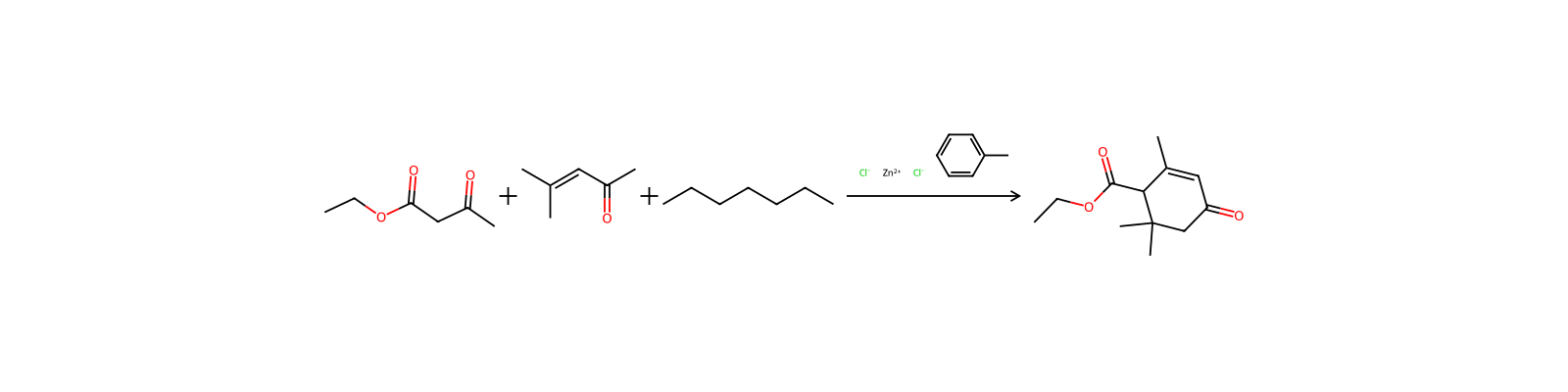
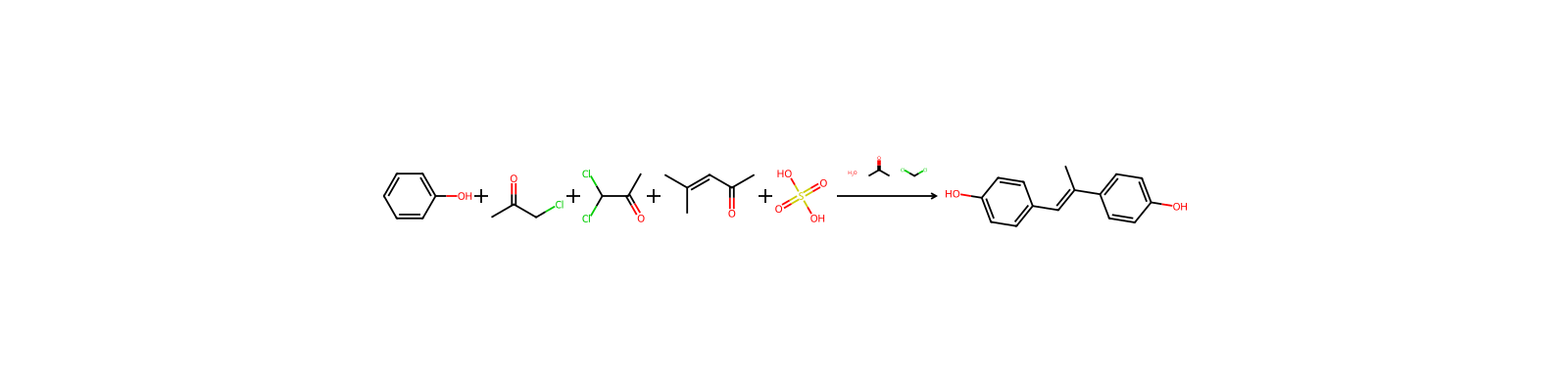
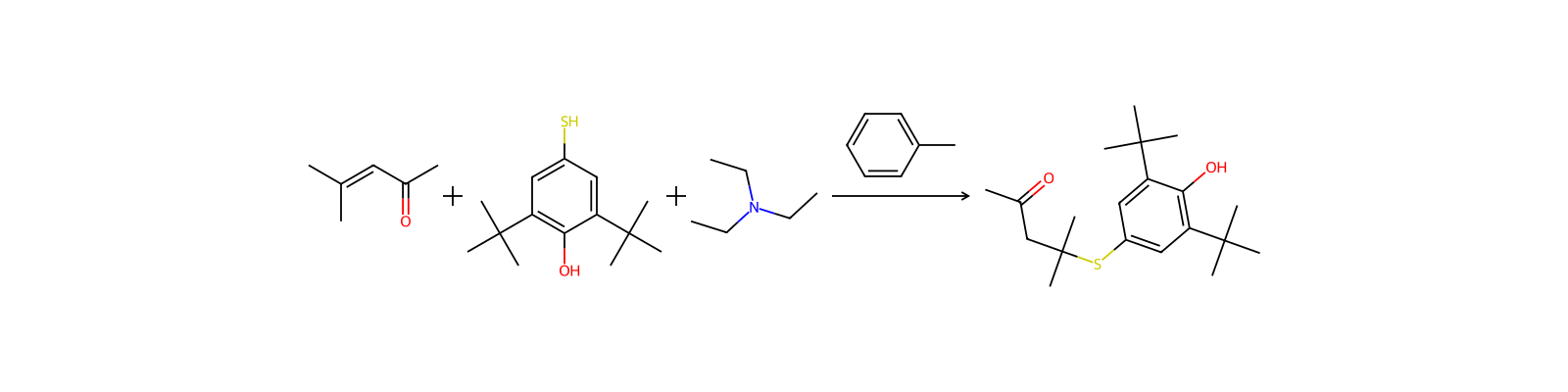
관련 반응
139건




연결된 노트
불러오는 중…