아주석 옥토산염
2-ethylhexanoic acid tin(II) salt
데이터를 보충하는 중입니다. 잠시 후 페이지를 새로 고치면 최신 내용을 볼 수 있습니다

기본 정보
- CAS
301-10-0- 표준 SMILES
CCCCC(CC)C(=O)[O-].CCCCC(CC)C(=O)[O-].[Sn+2]- InChIKey
KSBAEPSJVUENNK-UHFFFAOYSA-L- 분자식
- C16.H30.O4.Sn
- 평균 분자량
- 405.1 g/mol
- 단동위원소 질량
- 406.11660414
개요
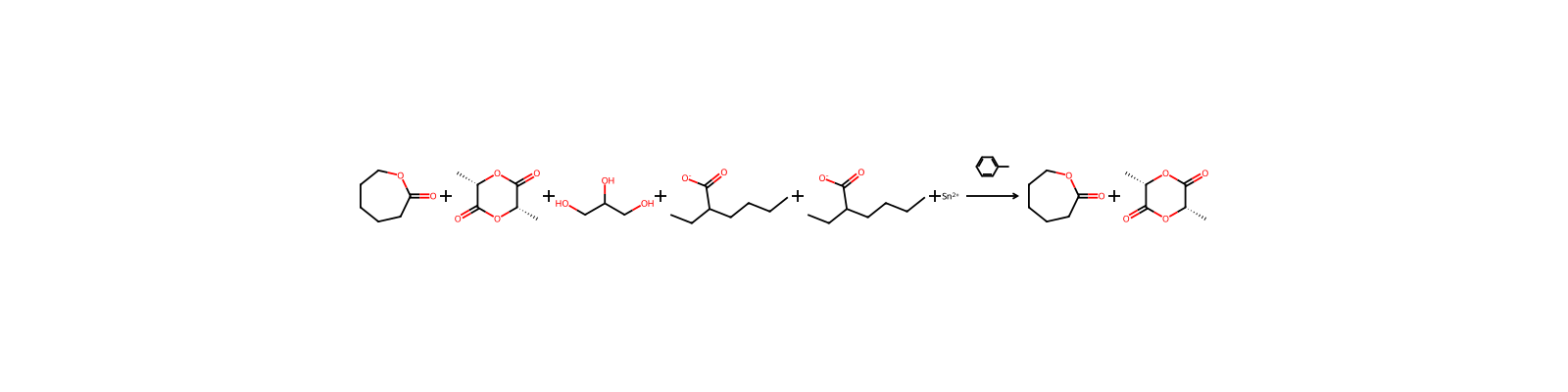
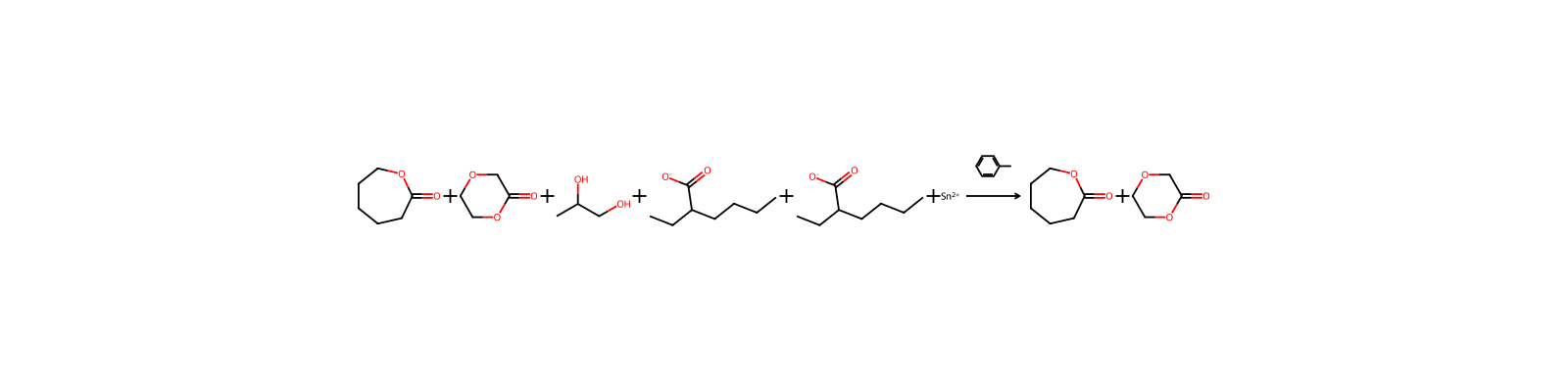
used as a catalyst for ring-opening polymerization to make D,L-lactide and epsilon-caprolactone copolymers
이름 및 식별자
- 우선 이름
- 2-ethylhexanoic acid tin(II) salt
- IUPAC
- bis(2-ethylhexanoate);tin(2+)
- 현지명
- 아주석 옥토산염
- 영어명
- Stannous octoate
- 분자식
- C16H30O4Sn
- 분자량
- 405.12
이름 및 동의어
2-Ethylhexanoic acid tin(II) saltSn(Oct)2RefChem:58487STANNOUS OCTOATE301-10-0Tin(II) 2-ethylhexanoateTin dioctoateStannous 2-ethylhexanoateTin octoateTin bis(2-ethylhexanoate)Tin ethylhexanoateTin(II) bis(2-ethylhexanoate)
이름 더 보기
아주석옥토산염헥산산,2-에틸-,주석(2+)염(2:1)아주석옥토산염2-에틸헥산산, 주석 (2+) 염2-에틸헥산산, 주석(2+) 염비스(2-에틸헥사노에이트) 주석주석 2-에틸카프로에이트주석 2-에틸헥사노에이트주석 비스(2-에틸헥사노에이트)헥사노에이트, 2-에틸-, 주석(II)헥산산, 2-에틸-, 주석(2+) 염헥산산, 2-에틸-, 주석(2+) 염 (2:1)Stannous octanoateTIB KAT 129Stannous Octoate T-9Tin(Ⅱ) 2-ethylhexanoateBIS(2-ETHYLHEXANOATE)TIN
Nuocure 28Tin 2-ethylhexanoateStannous 2-ethylhexoateTin(II) 2-ethylhexylate2-ethylhexanoate;tin(2+)Tin(2+) 2-ethylhexanoateHexanoic acid, 2-ethyl-, tin(2+) saltUNII-519A78R12Y
데이터베이스 식별자
- CAS
301-10-0- PubChem CID
- 9318
- DTXSID
DTXSID1027138- UNII
- 519A78R12Y
- EC Number
- 206-108-6
- Nikkaji
- J193.708A
물성
구조 계산 물성보충 중
- 극성 표면적
- 80.3 Ų
- 수소 결합 공여자 수
- 0
- 수소 결합 수용자 수
- 4
- 회전 가능 결합 수
- 8
- 무거운 원자 수
- 21
- 형식 전하
- 0
- 복잡도
- 93.9
실험 및 물리화학적 성질
Chemical ClassesMetals -> Organic Acids, Metal Salts
Density1.251 @25 °C
Vapor Pressure0.00000001 [mmHg]
Food Contact SubstancesFCS -> FDA Inventory of Food Contact Substances Listed in 21 CFR
Physical Description
CBI
Liquid; [Sigma-Aldrich MSDS]
물리화학적 성질
- 녹는점
- -20 °C · <-20°C
- 끓는 점
- 200 °C · >200°C
- 밀도
- 1.251 g/mL · 1.251 g/mL at 25 °C(lit.)
- 증기압
- 0.3 Pa · 0.3Pa at 20℃
- 굴절률
- 20 · n20/D 1.493(lit.)
- 인화점
- 110 °C · >110°C
- 산도 계수 (pKa)
- 5.09 · 5.09[at 20 ℃]
- 물리적 상태
- 액체
- Specific Gravity
- 1.251 · 1.251
- 색상
- Transparent
- 수용성
안전 및 규제
안전 정보는 참고용이며, 공급업체의 물질안전보건자료(SDS), 관련 법규 및 전문가 평가를 대체하지 않습니다.
GHS 분류
GHS Classification
This chemical does not meet GHS hazard criteria for 0.2% (2 of 972) of reports.
Danger
H315 (26.1%): Causes skin irritation [Warning Skin corrosion/irritation]
P203, P261, P264, P264+P265, P272, P273, P280, P302+P352, P305+P351+P338, P305+P354+P338, P317, P318, P321, P332+P317, P333+P317, P337+P317, P362+P364, P391, P405, and P501 (click each P-code to see the statement)
Aggregated GHS information provided per 972 reports by companies from 30 notifications to the ECHA C&L Inventory. Each notification may be associated with multiple companies.
Danger
유해성 정보
Regulatory Information
Chemical: Hexanoic acid, 2-ethyl-, tin(2+) salt
Hexanoic acid, 2-ethyl-, tin(2+) salt (2:1) is listed on the EPA's Chemical Data Reporting (CDR) system. Manufacturers and importers of Hexanoic acid, 2-ethyl-, tin(2+) salt (2:1) are required to report information about their production and use of this chemical to the EPA under the Toxic Substances Control Act (TSCA). (40 eCFR Part 711)
Status: Active Update: 19-12-2022 https://echa.europa.eu/registration-dossier/-/registered-dossier/2082
Other Safety InformationIMAP assessments - Hexanoic acid, 2-ethyl-, tin(2+) salt: Human health tier II assessment
Hazards Summary
Oral LD50 (rat) = 3,400-5,870 mg/kg; Causes mild skin and moderate eye irritation in rabbits; [EPA ChAMP: Submissions - Final Summaries] Metal carboxylates readily dissociate in water into the free metal and free acid; [EPA ChAMP: Submission] A skin and strong eye irritant; [Sigma-Aldrich MSDS] See Tin and inorganic compounds. See 2-Ethylhexanoic acid.
Hazard Classes and Categories
Skin Irrit. 2 (26.1%)
Eye damage - category 1
안전 및 보호
화학 및 산업
용도 및 제조
Uses
Used as a crosslinking agent for flexible polyurethane foams and catalyst for polymer production; [EPA ChAMP: Submissions - Final Summaries]
Plastic Composites Manufacturing [Category: Industry]
U.S. Production2023: 5,500,000 - <7,000,000 lb
Consumer UsesCatalyst
Industry UsesCatalyst
General Manufacturing Information
Other (requires additional information)
Hexanoic acid, 2-ethyl-, tin(2+) salt (2:1): ACTIVE
응용 분야
용도Stannous octoate is susceptible to hydrolysis and oxidation and cannot be used in combination polyethers (premixes). Its catalytic activity is higher than that of dibutyltin dilaurate.Stannous octoate can be used as a catalyst for polyurethane, mainly in the production of soft block polyether type polyurethane foam, but also as a catalyst for polyurethane coatings, elastomers, room temperature curing silicone rubber, etc. As it is a divalent tin compound, it may be oxidized to tetravalent tin compound itself after foaming, and it remains in the foam body to play the role of an antioxidant, which stays in the foam after foaming and has no adverse effect on the foam performance.
제조 방법
Stannous octoate is produced by reacting 2-ethylhexanoic acid with sodium hydroxide to form sodium 2-ethylhexanoate, which then undergoes a complex decomposition reaction with stannous chloride by heating in an inert solvent.
상·하류 제품 정보
상류 원료
관련 반응
86건





화합물 노트
불러오는 중…