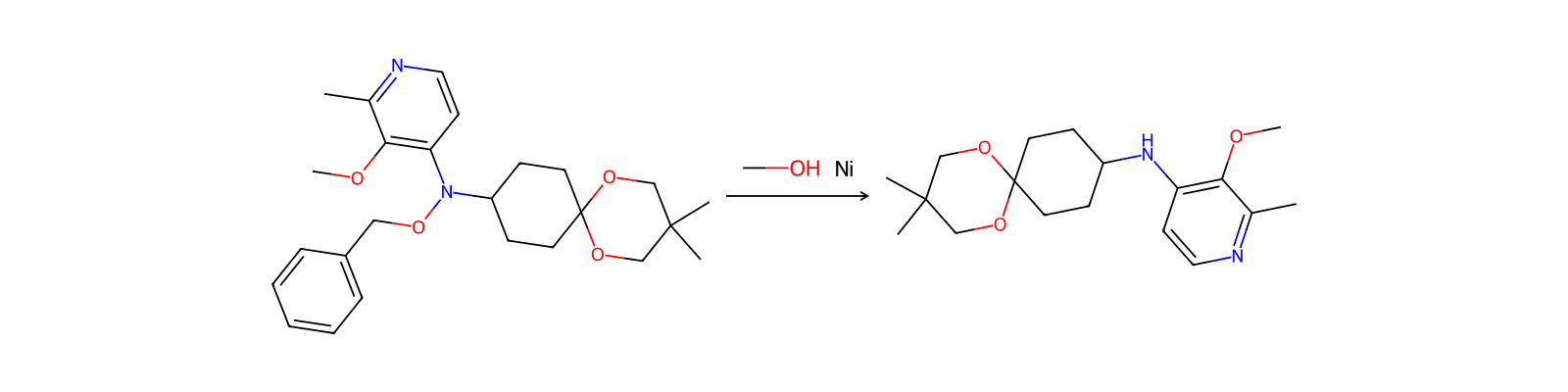

기본 정보
- 표준 SMILES
[Ni]- InChIKey
PXHVJJICTQNCMI-UHFFFAOYSA-N- 분자식
- Ni
- 평균 분자량
- 58.693 g/mol
- 단동위원소 질량
- 57.9353429
개요
Nickel is a very abundant natural element. Pure nickel is a hard, silvery-white metal. Nickel can be combined with other metals, such as iron, copper, chromium, and zinc, to form alloys. These alloys are used to make coins, jewelry, and items such as valves and heat exchangers. Most nickel is used to make stainless steel. Nickel can combine with other elements such as chlorine, sulfur, and oxygen to form nickel compounds. Many nickel compounds dissolve fairly easy in water and have a green color. Nickel compounds are used for nickel plating, to color ceramics, to make some batteries, and as substances known as catalysts that increase the rate of chemical reactions. Nickel is found in all soil and is emitted from volcanoes. Nickel is also found in meteorites and on the ocean floor. Nickel and its compounds have no characteristic odor or taste.
이름 및 식별자
- 우선 이름
- Nickel
- IUPAC
- nickel
- 현지명
- 니켈리온
- 영어명
- NICKELION
- 분자식
- Ni+
- 분자량
- 58.69
이름 및 동의어
NICKEL7440-02-0Metallic nickelFibrexNickel particlesFibrex PNiccolum metallicumNickel 200Nickel 201Nickel 205Nickel 207Nickel 270
이름 더 보기
니켈리온NICKELIONnickel(1+)
Alcan 756NINi 4303TNi 0901-SRCH 55/5NI 0901-S (harshaw)Ni 270CI 77775
데이터베이스 식별자
- CAS
14903-34-5、37187-84-1、7440-02-0- PubChem CID
- 935
- DTXSID
DTXSID2020925- ChEBI
CHEBI:28112- UNII
- 7OV03QG267、NUZ5T2QN2V
- EC Number
- 231-111-4、445-070-7、935-135-2
- Nikkaji
- J154.814J、J263.657C、J3.729J
물성
구조 계산 물성
- 극성 표면적
- 0 Ų
- 수소 결합 공여자 수
- 0
- 수소 결합 수용자 수
- 0
- 회전 가능 결합 수
- 0
- 무거운 원자 수
- 1
- 형식 전하
- 0
- 복잡도
- 0
실험 및 물리화학적 성질
Chemical Classes
Hazardous Air Pollutants (HAPs)
Urban Hazardous Air Pollutants (HAPs) - EPA specified greatest potential health threat in urban areas
Metals -> Nickel Compounds, Inorganic
Carcinogens
Trace element
CosmeticsCosmetics ingredient -> Fragrance
SpringerMaterials Propertiesthermal expansion coefficient
OdorOdorless
Food AdditivesPROCESSING AID -> FDA Substance added to food
Density
8.9 (Metal) (NIOSH, 2024) - Denser than water; will sink
8.908 (NTP, 1992) - Denser than water; will sink
8.908
8.9 g/cm³
8.90 (metal)
8.90 (metal)
Color/Form
SILVERY METAL
Metal: Lustrous, silvery solid.
Lustrous, white, hard, ferromagnetic metal; face centered cubic crystals
Silvery, malleable, magnetic metal
Solubility
Insoluble (NIOSH, 2024)
Insoluble (NTP, 1992)
INSOL IN WATER, AMMONIA; SOL IN DIL NITRIC ACID; SLIGHTLY SOL IN HYDROCHLORIC ACID, SULFURIC ACID
Solubility in water, mg/l at 37 °C: 1.1 (practically insoluble)
Insoluble
CorrosivityExcellent resistance to corrosion
Boiling Point
5139 °F at 760 mmHg (NIOSH, 2024)
4946 °F at 760 mmHg (NTP, 1992)
2730 °C
2730 °C
5139 °F
5139 °F
DecompositionToxic gases and vapors (such as nickel carbonyl) may be released ... in the decomp of nickel cmpd. /Nickel & sol nickel cmpd/
Melting Point
2831 °F (NIOSH, 2024)
2651 °F (NTP, 1992)
2831 °F
1455 °C
1455 °C
2831 °F
안전 및 규제
GHS 분류
GHS Classification
Danger
H317: May cause an allergic skin reaction [Warning Sensitization, Skin]
P203, P260, P261, P264, P270, P272, P280, P302+P352, P318, P319, P321, P333+P317, P362+P364, P405, and P501 (click each P-code to see the statement)
Danger
H317: May cause an allergic skin reaction [Warning Sensitization, Skin]
P203, P260, P261, P264, P270, P272, P273, P280, P302+P352, P318, P319, P321, P333+P317, P362+P364, P405, and P501 (click each P-code to see the statement)
유해성 정보
Regulatory Information
Chemical: Nickel
Nickel is listed on the EPA's Chemical Data Reporting (CDR) system. Manufacturers and importers of Nickel are required to report information about their production and use of this chemical to the EPA under the Toxic Substances Control Act (TSCA). (40 eCFR Part 711)
Status: Active Update: 24-04-2023 https://echa.europa.eu/registration-dossier/-/registered-dossier/15544
Restricted substance: Nickel
Status: Active Update: 10-11-2008 https://echa.europa.eu/registration-dossier/-/registered-dossier/5124
Nickel: HSNO Approval: HSR003031 Approved with controls
Other Safety InformationIMAP assessments - Nickel: Human health tier II assessment
DOT LabelSpontaneously Combustible
Fire Hazards
Excerpt from ERG Guide 135 [Substances - Spontaneously Combustible]:
· Flammable/combustible material.
Flammable as dust. Gives off irritating or toxic fumes (or gases) in a fire. Finely dispersed particles form explosive mixtures in air.
Health Hazards
Excerpt from NIOSH Pocket Guide for Nickel metal and other compounds (as Ni):
Excerpt from ERG Guide 135 [Substances - Spontaneously Combustible]:
· Fire will produce irritating, corrosive and/or toxic gases.
Hazards Summary
Nickel is a very abundant natural element. Pure nickel is a hard, silvery-white metal. Nickel can be combined with other metals, such as iron, copper, chromium, and zinc, to form alloys. These alloys are used to make coins, jewelry, and items such as valves and heat exchangers. Most nickel is used to make stainless steel. Nickel can combine with other elements such as chlorine, sulfur, and oxygen to form nickel compounds. Many nickel compounds dissolve fairly easy in water and have a green color. Nickel compounds are used for nickel plating, to color ceramics, to make some batteries, and as substances known as catalysts that increase the rate of chemical reactions. Nickel is found in all soil and is emitted from volcanoes. Nickel is also found in meteorites and on the ocean floor. Nickel and its compounds have no characteristic odor or taste.
Nickel occurs naturally in the environment at low levels. Nickel is an essential element in some animal species, and it has been suggested it may be essential for human nutrition. Nickel dermatitis, consisting of itching of the fingers, hands, and forearms, is the most common effect in humans from chronic (long-term) skin contact with nickel. Respiratory effects have also been reported in humans from inhalation exposure to nickel. Human and animal studies have reported an increased risk of lung and nasal cancers from exposure to nickel refinery dusts and nickel subsulfide. Animal studies of soluble nickel compounds (i.e., nickel carbonyl) have reported lung tumors. EPA has classified nickel refinery dust and nickel subsulfide as Group A, human carcinogens, and nickel carbonyl as a Group B2, probable human carcinogen.
Nickel carbonyl can cause acute pneumonitis. [Hendrick, p. 180] Asthma: metal plating; [Malo] Most OA cases caused by nickel were single case reports. [Asthma in the Workplace, p. 297] Allergic contact dermatitis: electronics workers, hairdressers, housekeeping personnel, textile workers, and machinists; [Marks] About one half of nickel produced is used in stainless steel alloys. Sulfur-rich stainless steels are more likely to react with sweat, be absorbed in the skin, and cause sensitization. The prevalence of nickel skin allergy is higher in women (up to 17%) than in men (up to 3%) because of greater exposure to ear piercing and cheap jewelry. Allergic contact dermatitis (ACD) has been reported in electroplaters, battery workers, electronics workers, machinists, hairdressers, mechanics, and construction workers. ACD has also been reported in a bank clerk, a bartender, an engraver, a potter, and in tailors, offset printers, butchers, and musicians. The dimethylglyoxime test (Fisher's test) can detect nickel release from tools and jewelry. [Kanerva, p. 485-92] Nickel causes contact urticaria; [Kanerva, p. 219] In high-dose animal studies, nickel and nickel carbonyl cause birth defects. [Frazier] The relevance of a positive patch test to occupational contact dermatitis (OCD) is difficult to evaluate in most cases. Nickel is not considered relevant in about 64% of OCD cases. [See Reference #1] Nickel is hepatotoxic. [Nordberg, p. 1099] Elemental nickel and nickel alloys are possible human carcinogens; nickel compounds are known human carcinogens. The highest risks were found in calcining workers heavily exposed to nickel oxides and sulfides. Soluble nickel (nickel sulfate) was associated with increased risks in hydrometallurgy workers. [IARC] Nickel elemental = A5; Soluble inorganic compounds = A4; Insoluble inorganic compounds = A1; Nickel subsulfide = A1; Increased risk of lung and nasal sinus cancer in nickel refinery workers exposed to >1 mg Ni/m3 (soluble nickel) and >10 mg/m3 (insoluble nickel); [ACGIH] Metallic nickel is listed as anticipated and nickel compounds are listed as known human carcinogens. Several cohort studies of workers exposed to various nickel compounds showed an elevated risk of death from lung cancer and nasal cancer. Although the precise nickel compound responsible for the carcinogenic effects in humans is not always clear, studies indicate that nickel sulfate and combinations of nickel sulfides and oxides encountered in nickel refining industries cause cancer in humans. [NTP] See Nickel carbonyl.
DOT ID and Guide2881 135
FDA RequirementsSubstance added directly to human food affirmed as generally recognized as safe (GRAS).
Reactive Group
Metals, Elemental and Powder, Active
Metals, Elemental and Powder, Active
EC ClassificationSymbol: Xn; R: 40-43; S: (2)-22-36
Special Reports
National Toxicology Program. Eleventh Report on Carcinogens (2005). The Report on Carcinogens is an informational scientific and public health document that identifies and discusses substances (including agents, mixtures, or exposure circumstances) that may pose a carcinogenic hazard to human health. Nickel Compounds and Metallic Nickel (7440-02-0) are listed as reasonably anticipated to be human carcinogens. /Nickel Compounds and Metallic Nickel/[Available from, as of July 31, 2009: http://ntp.niehs.nih.gov/ntp/roc/eleventh/profiles/s118nick.pdf]
Reactivity Alerts
Strong Reducing Agent
Strong Reducing Agent
안전 및 보호
Fire Fighting
Excerpt from ERG Guide 135 [Substances - Spontaneously Combustible]:
Use dry sand, dry powder. NO carbon dioxide. NO water.
First Aid Measures
Fresh air, rest.
Wear protective gloves when administering first aid. Remove contaminated clothes. Rinse and then wash skin with water and soap.
First rinse with plenty of water for several minutes (remove contact lenses if easily possible), then refer for medical attention.
Rinse mouth.
Accidental Release Measures
· CALL 911. Then call emergency response telephone number on shipping paper. If shipping paper not available or no answer, refer to appropriate telephone number listed on the inside back cover.
· ELIMINATE all ignition sources (no smoking, flares, sparks or flames) from immediate area.
First Aid
Excerpt from NIOSH Pocket Guide for Nickel metal and other compounds (as Ni):
EYES: First check the victim for contact lenses and remove if present. Flush victim's eyes with water or normal saline solution for 20 to 30 minutes while simultaneously calling a hospital or poison control center. Do not put any ointments, oils, or medication in the victim's eyes without specific instructions from a physician. IMMEDIATELY transport the victim after flushing eyes to a hospital even if no symptoms (such as redness or irritation) develop.
General First Aid:
(General first aid procedures)
Safe StorageStore only in original packaging. Cool. Well closed. Separated from strong oxidants and acids. Store in an area without drain or sewer access.
Exposure Control and Personal Protection
· Wear positive pressure self-contained breathing apparatus (SCBA).
TIH (Toxic Inhalation Hazard) - Term used to describe gases and volatile liquids that are toxic when inhaled. Some are TIH materials themselves, e.g., chlorine, and some release TIH gases when spilled in water, e.g., chlorosilanes. [ERG 2016].
Fire Fighting ProceduresFlood with water. Use dry chemical, graphite, or dry earth. /Nickel catalyst, wet/
Storage Conditions
PRECAUTIONS FOR "CARCINOGENS": Storage site should be as close as practicable to lab in which carcinogens are to be used, so that only small quantities required for ... expt need to be carried. Carcinogens should be kept in only one section of cupboard, an explosion proof refrigerator or freezer (depending on chemicophysical properties ...) that bears appropriate label. An inventory ... should be kept, showing quantity of carcinogen & date it was acquired ... Facilities for dispensing ... should be contiguous to storage area. /Chemical Carcinogens/
Cleanup Methods
PRECAUTIONS FOR "CARCINOGENS": A high efficiency particulate arrestor (HEPA) or charcoal filters can be used to minimize amt of carcinogen in exhausted air ventilated safety cabinets, lab hoods, glove boxes or animal rooms. ... Filter housing that is designed so that used filters can be transferred into plastic bag without contaminating maintenance staff is avail commercially. Filters should be placed in plastic bags immediately after removal. ... The plastic bag should be sealed immediately. ... The sealed bag should be labelled properly. ... Waste liquids ... should be placed or collected in proper containers for disposal. The lid should be secured & the bottles properly labelled. Once filled, bottles should be placed in plastic bag, so that outer surface ... is not contaminated. ... The plastic bag should also be sealed & labelled. ... Broken glassware ... should be decontaminated by solvent extraction, by chemical destruction, or in specially designed incinerators. /Chemical Carcinogens/
Nonfire Spill ResponseExcerpt from ERG Guide 135 [Substances - Spontaneously Combustible]:
Disposal Methods
SRP: At the time of review, criteria for land treatment or burial (sanitary landfill) disposal practices are subject to significant revision. Prior to implementing land disposal of waste residue (including waste sludge), consult with environmental regulatory agencies for guidance on acceptable disposal practices.
PRECAUTIONS FOR "CARCINOGENS": There is no universal method of disposal that has been proved satisfactory for all carcinogenic compounds & specific methods of chem destruction ... published have not been tested on all kinds of carcinogen-containing waste. ... Summary of avail methods & recommendations ... /given/ must be treated as guide only. /Chemical Carcinogens/
PRECAUTIONS FOR "CARCINOGENS": ... Incineration may be only feasible method for disposal of contaminated laboratory waste from biological expt. However, not all incinerators are suitable for this purpose.The most efficient type ... is probably the gas fired type, in which a first-stage combustion with a less than stoichiometric air:fuel ratio is followed by a second stage with excess air. Some ... are designed to accept ... aqueous & organic solvent solutions, otherwise it is necessary ... to absorb soln onto suitable combustible material, such as sawdust. Alternatively, chem destruction may be used, esp when small quantities ... are to be destroyed in laboratory. /Chemical Carcinogens/
PRECAUTIONS FOR "CARCINOGENS": HEPA (high efficiency particulate arrestor) filters ... can be disposed of by incineration. For spent charcoal filters, the adsorbed material can be stripped off at high temp & carcinogenic wastes generated by this treatment conducted to & burned in an incinerator. ... LIQUID WASTE: ... Disposal should be carried out by incineration at temp that ... ensure complete combustion. SOLID WASTE: Carcasses of lab animals, cage litter & misc solid wastes ... should be disposed of by incineration at temp high enough to ensure destruction of chem carcinogens or their metabolites. /Chemical Carcinogens/
For more Disposal Methods (Complete) data for NICKEL, ELEMENTAL (6 total), please visit the HSDB record page.
Spillage Disposal
Personal protection: particulate filter respirator adapted to the airborne concentration of the substance. Do NOT let this chemical enter the environment. Sweep spilled substance into sealable containers. If appropriate, moisten first to prevent dusting. Carefully collect remainder. Then store and dispose of according to local regulations.
독성 정보
Toxicological InformationCDC-ATSDR Toxicological Profile
Cancer Sites[lung and nasal cancer]
Target Organs
Cancer, Dermal (Skin), Developmental (effects while organs are developing), Immunological (Immune System), Respiratory (From the Nose to the Lungs)
Nasal cavities, lungs, skin
Adverse EffectsOccupational hepatotoxin - Secondary hepatotoxins: the potential for toxic effect in the occupational setting is based on cases of poisoning by human ingestion or animal experimentation.
Exposure Routes
The substance can be absorbed into the body by inhalation of dust.
inhalation, ingestion, skin and/or eye contact
Toxicity Summary
Nickel is a ubiquitous trace metal and occurs in soil, water, air and the biosphere. Nickel ore deposits are accumulations of nickel sulfide minerals (mostly pentlandite) and laterites. Most nickel is used for production of stainless steel and other nickel alloys with high corrosion and temperature resistance. Nickel levels in terrestrial and aquatic organisms can vary over several orders of magnitude. Dermal exposure in the general environment is important for the induction and maintenance of contact hypersensitivity caused by daily contact with nickel plated objects or nickel containing alloys (e.g. jewellery, coins or clips). Iatrogenic exposure to nickel results from implants and prostheses made from nickel containing alloys, from iv or dialysis fluids and from radiographic contrast media. In the working environment, airborne nickel concentrations can vary from a few microgram/cu m to a few mg/cu m, depending upon the process involved and the nickel content of the material being handled. Workers are exposed to nickel containing dusts and fumes during welding, plating, grinding, mining, nickel refining, and in steel plants. Dermal exposure to nickel may occur in a wide range of jobs, either by direct exposure, dissolved nickel in refining, electroplating and electroforming industries or by handling nickel containing materials. Nickel can be absorbed in human beings and animals via inhalation or ingestion or percutaneously. Respiratory absorption with secondary gastrointestinal absorption (insoluble and soluble) is a major route of entry during occupational exposure. Percutaneous absorption is negligible, quantatively, but is important in the pathogenesis of contact hypersensitivity. Nickel is transported in the blood, principally bound to albumin. Gastrointestinal absorption of nickel is variable and depends on the composition of the diet. All body secretions are potential routes of excretion including the urine, bile, sweat, tears, milk and mucociliary fluid. Non-absorbed nicke is eliminated in the feces. Data on nickel excretion suggest a two compartment model. Nickel concentration in the serum and urine of healthy non-occupationally exposed adults are 0.2 ug/l (range: 0.05-1.1 ug/l) and 1.5 ug creatinine (range: 0.5-4.0 mg/g creatinine, respectively. The body burden of nickel in non-exposed 70 kg adult is 0.5 ug. Nickel is essential for the catalytic activity of some plant and bacterial enzymes. Slow weight gain, anemia and decreased viability has been described in some animal species after dietary deprivation of nickel. Contact allergy to nickel is very common in human beings; experimental sensitization in animals is only successful under special conditions. Longterm inhalation exposure to metallic nickel caused mucosal damage and inflammatory reaction, sometimes accompanied by slight fibrosis, was observed in rabbits after high level exposure to nickel graphite dust. Metallic nickel induced local mesenchymal tumors in a variety of experimental animals after im, sc, intraosseous, intrarenal, intra-articular, pleural, intraocular, intratesticular or intra-adipose administrtation. Metallic nickel has been tested for carcinogenicity by parenteral routes of administration, local tumors were noted. In studies using repeated intratracheal instillation, nickel powder caused respiratory tumors. Chronic effects such as rhinitis, sinusitis, nasal septal perforations and asthma have been reported in nickel refinery and nickel plating workers. Some researchers reported pulmonary changes with fibrosis in workers handling nickel dust. Orsal nickel intake may aggravate vesicular hand eczema. Prostheses or other surgical implants make with nickel containing alloys have been reported to cause nickel sensitization. Cancer rates have generally been close to normal in stainless steel welding and nickel using industries, with the exception of those involving exposure to chromium, particularly electroplating. Nickel/cadmium battery workers exposed to high levels of both nickel and cadmium may have resulted in a slightly increased risk of lung cancer. Excesses of various cancers other than lung and nasal cancers such as renal, gastric or prostatic have occasionally been reported in nickel workers, but none have been found consistently. No increased cancer risk has been demonstrated in workers exposed exclusively to metallic nickel. The combined data on nickel alloy workers and gasseous diffusion workers, all of whom were exposed to average concentrations of the order of 0.5 mg nickel/cu m show no excess risk, though the total number of lung cancers in these cohorts was to small to exclude a small increase in risk at this level.
Signs and Symptoms
Cough. Shortness of breath.
Redness.
Redness.
sensitization dermatitis, allergic asthma, pneumonitis; [potential occupational carcinogen]
ICSC Environmental DataThe substance is harmful to aquatic organisms. The substance may cause long-term effects in the aquatic environment.
Medical Surveillance
PRECAUTIONS FOR "CARCINOGENS": ... In relation specifically to cancer hazards, there are at present no health monitoring methods that may ensure the early detection of preneoplastic lesions or lesions which may preclude them. Whenever medical surveillance is indicated, in particular when exposure to a carcinogen has occurred, ad hoc decisions should be taken concerning additional tests that might become useful or mandatory. /Chemical Carcinogens/
Natural Pollution Sources
Abundance in earth's crust 0.018%. ... occurs free in meteorites.
... THERE IS EVIDENCE THAT PURE NICKEL POWDERS ... OF LESS THAN 1 U IN SIZE ARE DEPOSITED AS METEORITIC DUST FROM STRATOSPHERE. /NICKEL AND NICKEL CMPD/
Human Toxicity Excerpts
NICKEL METAL IS WELL KNOWN CAUSE OF CONTACT DERMATITIS IN SENSITIZED INDIVIDUALS. INSTANCES OF DERMATITIS IN REGION OF EYES HAS RESULTED FROM CONTACT WITH NICKEL SPECTACLE FRAMES, BUT EYE ITSELF HAS NOT BEEN INVOLVED.
HISTOLOGICAL CHANGES IN NASAL MUCOSA OF NICKEL WORKERS WERE STUDIED.
EPIDEMIOLOGICAL STUDIES CONCLUSIVELY DEMONSTRATE EXCESS RISK OF CANCER OF NASAL CAVITY & LUNG IN WORKERS IN NICKEL REFINERIES. IT IS LIKELY THAT NICKEL IN SOME FORM(S) IS CARCINOGENIC TO MAN.
In nickel refinery workers, an excess risk of nasal and lung cancers has been demonstrated.
For more Human Toxicity Excerpts (Complete) data for NICKEL, ELEMENTAL (30 total), please visit the HSDB record page.
Artificial Pollution Sources
Food processing methods apparently add to the nickel levels already present in foodstuffs via (1) leaching from nickel containing alloys in food processing equipment made from stainless steel, (2) the milling of flour, and (3) catalytic hydrogenation of fats and oils by use of nickel catalysts.
규제 정보
FDA RequirementsSubstance added directly to human food affirmed as generally recognized as safe (GRAS).
Atmospheric Standards
Listed as a hazardous air pollutant (HAP) generally known or suspected to cause serious health problems. The Clean Air Act, as amended in 1990, directs EPA to set standards requiring major sources to sharply reduce routine emissions of toxic pollutants. EPA is required to establish and phase in specific performance based standards for all air emission sources that emit one or more of the listed pollutants. Nickel is included on this list.
CERCLA Reportable Quantities
Persons in charge of vessels or facilities are required to notify the National Response Center (NRC) immediately, when there is a release of this designated hazardous substance, in an amount equal to or greater than its reportable quantity of 100 lb or 45.5 kg. The toll free number of the NRC is (800) 424-8802; In the Washington D.C. metropolitan area (202) 426-2675. The rule for determining when notification is required is stated in 40 CFR 302.4 (section IV. D.3.b).
Clean Water Act RequirementsToxic pollutant designated pursuant to section 307(a)(1) of the Clean Water Act and is subject to effluent limitations. /Nickel and compounds/
State Drinking Water Standards
(CA) CALIFORNIA 100 ug/L
(CT) CONNECTICUT 100 ug/L
(DE) DELEWARE 100 ug/L
(FL) FLORIDA 100 ug/L
(WI) WISCONSIN 100 ug/L
State Drinking Water Guidelines
(AZ) ARIZONA 150 ug/L
(MA) MASSACHUSETTS 100 ug/L
(ME) MAINE 140 ug/L
(MN) MINNESOTA 100 ug/L
Federal Drinking Water GuidelinesEPA 100 ug/L
화학 및 산업
약리 정보
Mechanism of Action
Nickel is hepatotoxic in animals and has been shown to effect renal function in man. It binds to the anionic glycosaminoglycan sites of the glomerular basement membrane. Ionic blocking of these sites leads to the loss of selectivity in the filtration of albumin and may explain the proteinuria associated with nickel exposure.
Biological Half-Life
Whole body: 28 hours; [TDR, p. 929]
On the basis of nickel values in air, plasma and urine in four nickel platers during one working week ... /the investigators/, assuming a one-compartment model, computed the biological half-life for nickel in plasma to range from 20 to 34 hr and in urine from 17 to 39 hr.
FDA Pharmacological Classification
7OV03QG267
NICKEL
Established Pharmacologic Class [EPC] - Standardized Chemical Allergen
Physiologic Effects [PE] - Increased Histamine Release
Physiologic Effects [PE] - Cell-mediated Immunity
Chemical Structure [CS] - Allergens
MeSH Pharmacological ClassificationA group of chemical elements that are needed in minute quantities for the proper growth, development, and physiology of an organism. (From McGraw-Hill Dictionary of Scientific and Technical Terms, 4th ed)
Absorption, Distribution and Excretion
THIRTY-FIVE LUNG PAIRS OBTAINED DURING AUTOPSY FROM RANDOMLY SELECTED PATIENTS WERE INVESTIGATED BY PARTICLE INDUCED X-RAY EMISSION FOR OVERALL & REGIONAL ELEMENTAL CONTENT DETERMINATION. NICKEL DISTRIBUTION SEEMS TO BE RELATED TO AIR POLLUTION PECULIAR TO /BELGIUM/.
용도 및 제조
Uses
Nickel is used for nickel alloys, electroplating, batteries, coins, industrial plumbing, spark plugs, machinery parts, stainless-steel, nickel-chrome resistance wires, and catalysts. Nickel carbonyl has severely limited use in nickel refining.
In the past, nickel refinery workers had an increased risk for lung cancer because of significant nickel exposure. Workers are exposed to nickel in the production of nickel carbonyl from the Mond process; [LaDou, p. 480] Skin exposure to nickel is very common from electroplated or alloyed metals including: costume jewelry, clothing zippers and snaps, coins, keys, tools, utensils, instruments, metal furniture, batteries, machinery parts, and metalworking fluids. [Marks, p. 109] Nickel is also used as a catalyst; it is released in emissions from burning fossil fuels. [ATSDR ToxProfiles]
Steel Producing [Category: Industry]
Ceramics making [Category: Hobbies]
Nickel plating; for various alloys such as new silver, Chinese silver, German silver; for coins, electrotypes, lightning rod tips, electrical contacts and electrodes, spark plugs, machinery parts; catalyst for hydrogenation of org substances; in mfr of monel metal, stainless steels, and nickel chrome resistance wire; in alloys for electronic and space applications
IT IS EXTENSIVELY USED FOR MAKING STAINLESS STEEL & OTHER CORROSION RESISTANT ALLOYS ... TUBING MADE OF COPPER NICKEL ALLOY ... USED IN MAKING DESALINATION PLANTS ... IN MAKING NICKEL STEEL ARMOR PLATE & BURGLAR PROOF VAULTS ... NICKEL ADDED TO GLASS GIVES GREEN COLOR.
U.S. Exports
(1978) 3.30X10+10 G
(1982) 5.18X10+10 G
(1986) 2.72X10+9 g
(1997) 17,600 tons metric (ore); 147,000 metric tons (primary); 11,000 metric tons (secondary).
U.S. Imports
(1978) 2.13X10+11 G
(1982) 1.18X10+11 G
(1986) 1.27X10+11 g
(1998, estimated): 1,420 metric tons (ore); 155,000 metric tons (primary); 9,780 metric tons (secondary)
Import sources (1994-97): Canada, 37%; Norway, 15%; Russia, 14%; Australia, 10%; and other, 24%.
U.S. Production
2023: 250,000,000 - <400,000,000 lb
(1978) 3.39X10+10 G
(1982) 4.08X10+10 G
(1986) 3.84X10+10 g
(1992) 1.27X10+6 metric tons
(1997) 16,000 tons
Consumption Patterns
FERROUS ALLOYS, 44%; OTHER ALLOYS, 32%; ELECTROPLATING, 20%; OTHER, 4% (1982)
Transportation, 25%, chemical industry, 15%; electrical equipment, 9%; construction, 9%; fabricated metal products, 9%; petroleum, 8%; household appliances, 7%; machinery, 7%; and other, 11% (1986)
Stainless steel producers accounted for 40% of primary nickel demand in the United States and more than 60% of primary demand in the world.
Approximately 44% of the primary nickel consumed went into stainless and alloy production, 38% into nonferrous alloys and super alloys, 14% into electroplating, and 4% into other uses.
For more Consumption Patterns (Complete) data for NICKEL, ELEMENTAL (7 total), please visit the HSDB record page.
Consumer UsesAnti-adhesive/cohesive
Industry UsesAnti-slip agent
Methods of Manufacturing
... high purity nickel: Wise, Schaefer, Metals Alloys 16, 424 (1924); from nickel oxide and hydrogen gas: Glemser in Handbook of Preparative Inorganic Chemistry Vol 2, G Brauer, ed (Academic Press, NY, 2nd ed, 1965) pp 1543-1544; by electrolysis: Vu Quang Kinh, Nardin Compt Rend Ser c266, 307 (1968).
RECOVERY FROM NICKEL SULFIDE ORES BY CRUSHING & CONCENTRATING BY FLOTATION & MAGNETIC SEPN, THEN ROASTING & SMELTING, & FINALLY PROCESSING OF THE NICKEL-COPPER MATTE BY PYROMETALLURGY (ROASTING TO OXIDE & REDUCTION TO METAL) OR HYDROMETALLURGY (FORMATION OF SALT SOLN & REDN TO METAL)
REACTION OF NICKEL OR NICKEL ORE WITH CARBON MONOXIDE TO FORM NICKEL CARBONYL GAS, WHICH IS DECOMPOSED BY HEAT TO OBTAIN PURE, FINELY DIVIDED NICKEL (MOND PROCESS)
Recovery of nickel can be accomplished by ion exchange. ... In exchange treatment requires waste stream segregation, particularly in the presence of cyanide, in order that the nickel regenerant can be recovered by precipitation. ... Cation-anion exchange has been used to treat nickel sulfate plating bath ... complete nickel removal was reported ... .
Formulations/Preparations
Grades: electrolytic; ingot; pellets; shot; sponge; powder; high purity strip; single crystals (wire 2x0.05-0.005 in)
Ferronickel has a nickel content of 24-48%. Also available are electrolytic cathode sheets and pellets produced by the decomposition of nickel carbonyl.
Pellets (99.99%), spherical powder, spray powder, nickel flour; high density grade for electronics; nickel flour for shielding coatings, HP pellets for vacuum and chemical work, spherical powder for spray work.
Commercial nickel metal is more than 99.5% pure and may be in the form of square plates, powder, briquets, pellets, ingots, disks, or shot.
Household Products
Cosmetics product ingredient: Nickel (7440-02-0) and nickel compounds (including but not limited to Nickel (metallic); Nickel (soluable compounds))
Information on 5 consumer products that contain Nickel in the following categories is provided:
Use ClassificationChemical Classes -> Inorganic substances
General Manufacturing Information
All Other Chemical Product and Preparation Manufacturing
Nickel: ACTIVE
(1992) World mine production: the former U.S.S.R. (27%), Canada (21%), New Caledonia (10%), Indonesia (7%), Australia (7%), and Cuba (4%).
World mine production (1998): Russia, 265,000 metric tons; Canada, 225,000 metric tons; New Caledonia, 137,000 metric tons; Australia, 145,000 metric tons; Indonesia, 76,400 metric tons; Cuba, 66,000 metric tons.
The only nickel smelter in the United States closed April 1998 because of low nickel prices. ... The adjoining mine on Nickel Mountain has been idle since 1996.
About 66,000 tons of nickel was recovered from purchased scrap in 1998. This represented about 35% of reported consumption for the year.
공급사5 곳
HONEST JOY HOLDINGS LIMITED[email protected]
CHMSRV-PM—
先进技术工业有限公司[email protected]
CHEMICAL LAND21[email protected]
Service Chemical Inc.[email protected]
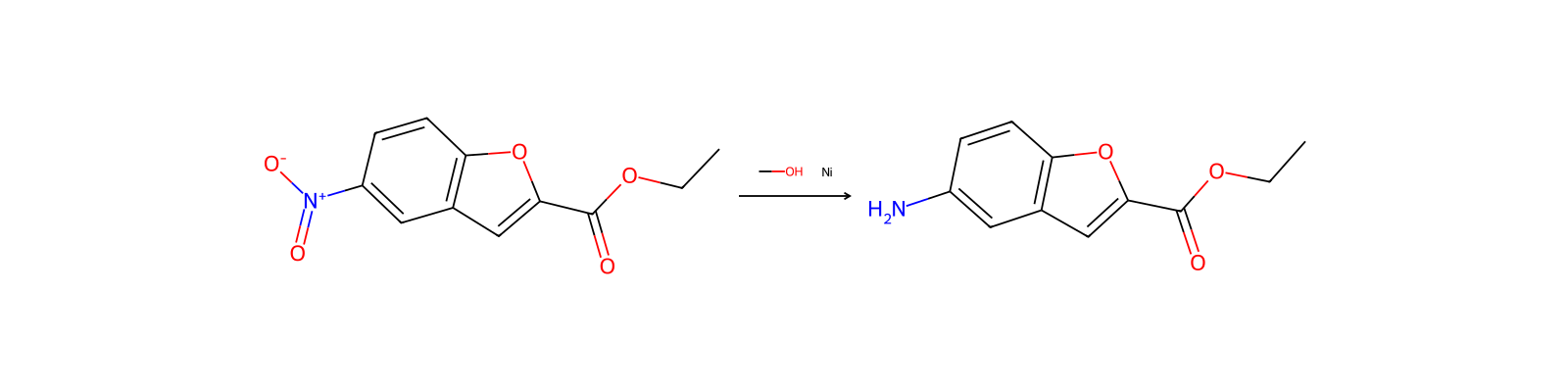
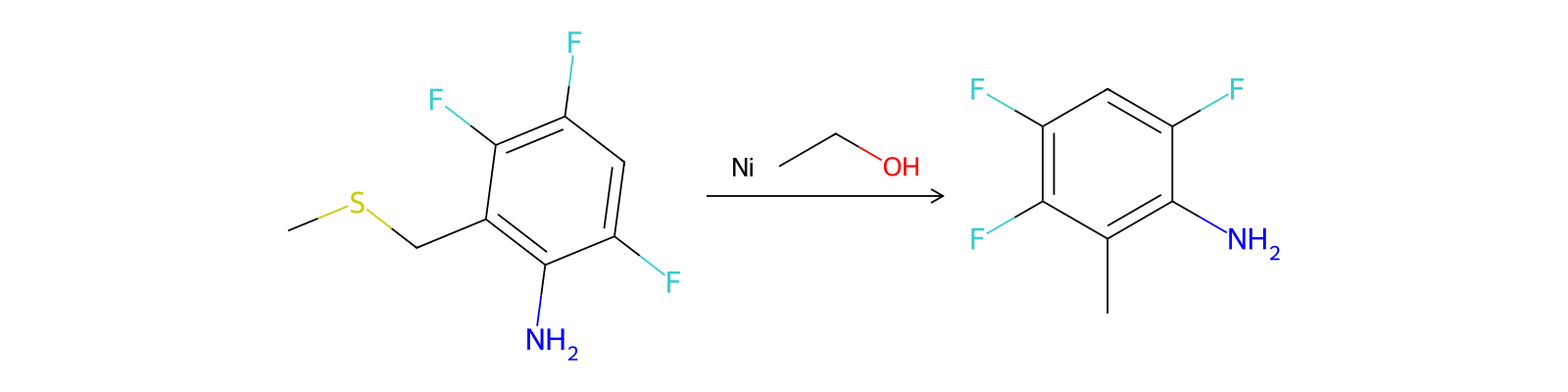
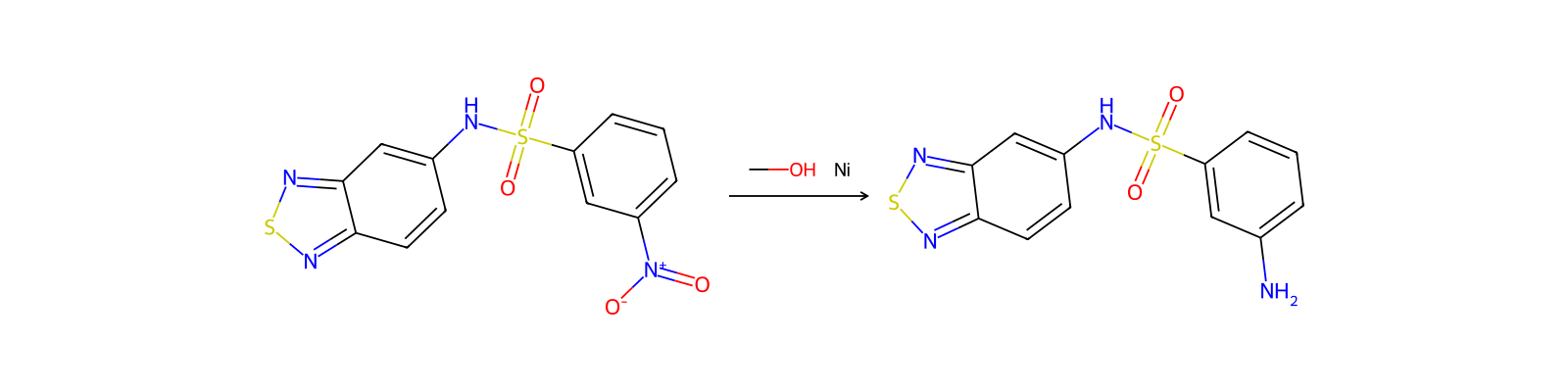
관련 반응
7,121건

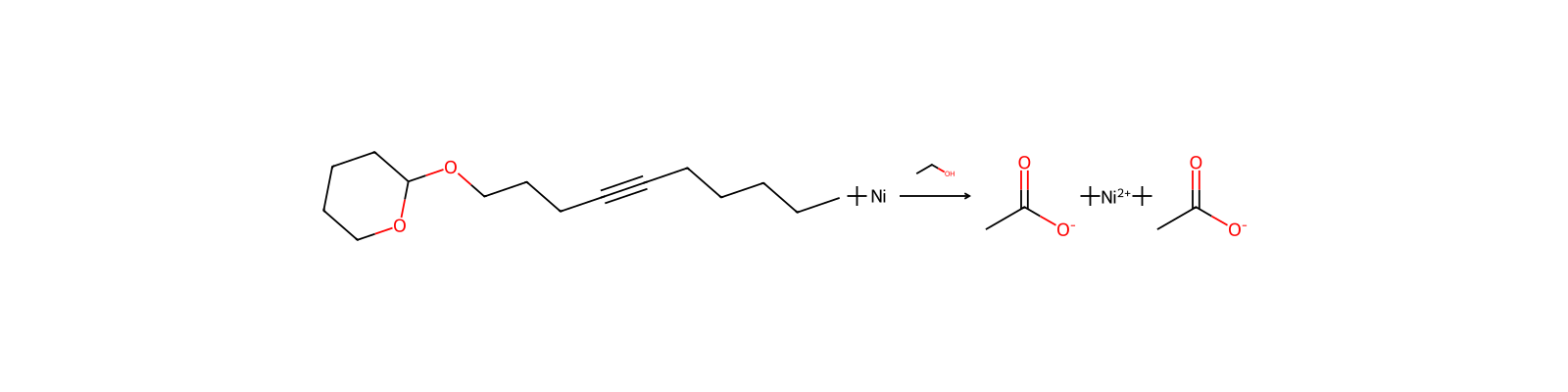
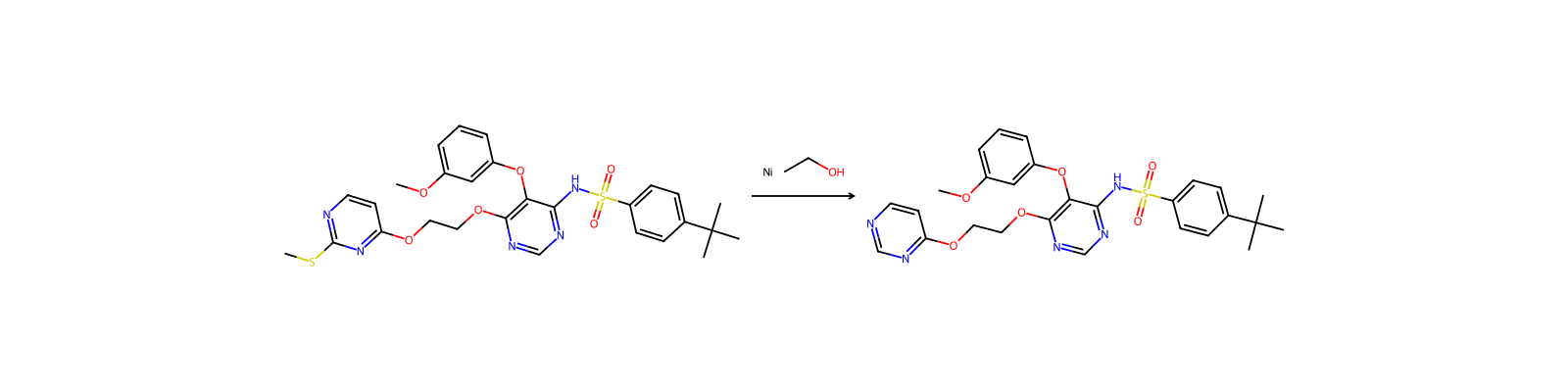
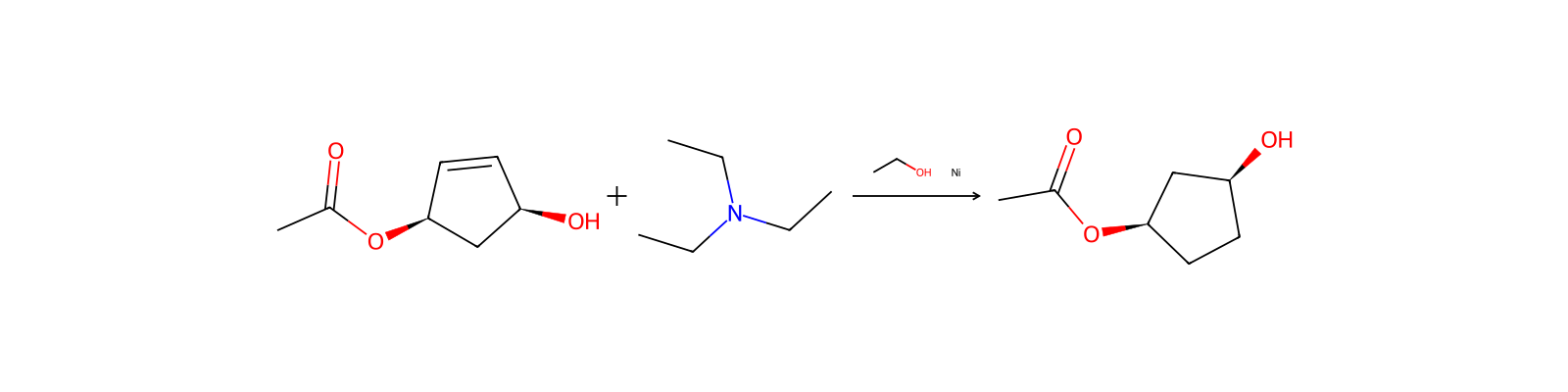
연결된 노트
불러오는 중…