
플로로페놀
2-Fluorophenol
데이터를 보충하는 중입니다. 잠시 후 페이지를 새로 고치면 최신 내용을 볼 수 있습니다

기본 정보
- CAS
367-12-4- 표준 SMILES
Oc1ccccc1F- InChIKey
HFHFGHLXUCOHLN-UHFFFAOYSA-N- 분자식
- C6H5FO
- 평균 분자량
- 112.1 g/mol
- 단동위원소 질량
- 112.032443
개요
2-fluorophenol appears as liquid or crystalline solid melting at 14-16 °C. Corrosive. Density 1.246 g / cm3.
이름 및 식별자
- 우선 이름
- 2-Fluorophenol
- IUPAC
- 2-fluorophenol
- 현지명
- 플로로페놀
- 영어명
- 2-Fluorophenol
- 분자식
- C6H5FO
- 분자량
- 112.1
이름 및 동의어
2-FLUOROPHENOL367-12-4o-FluorophenolPhenol, 2-fluoro-1-Fluoro-2-hydroxybenzenePhenol, o-fluoro-DTXSID0047745I9OW1NLY9RNSC-10294DTXCID0027729RefChem:472648206-681-2
이름 더 보기
플로로페놀2-플루오로페놀1-Bromo-3-fluorobezeneuorophenoL2-Florophenol2-Flurophenolo-fluoro-pheno2-fluoro-pheno2-Fluorophenole2-Fluorophenol f
Fluorophenol2-fluoro-phenolMFCD000021552-fluorohydroxybenzenePhenol, fluoro-CCRIS 1226EINECS 206-681-2UNII-I9OW1NLY9R
데이터베이스 식별자
- CAS
367-12-4- PubChem CID
- 9707
- DTXSID
DTXSID0047745- ChEMBL
CHEMBL224144- UNII
- I9OW1NLY9R
- EC Number
- 206-681-2
- Nikkaji
- J110.443H
물성
구조 계산 물성보충 중
- XLogP
- 1.7
- 극성 표면적
- 20.2 Ų
- 수소 결합 공여자 수
- 1
- 수소 결합 수용자 수
- 2
- 회전 가능 결합 수
- 0
- 무거운 원자 수
- 8
- 형식 전하
- 0
- 복잡도
- 74.9
실험 및 물리화학적 성질
Chemical ClassesOther Classes -> Phenols
SpringerMaterials Properties13C nuclear magnetic resonance spectrum
LogP1.71
Boiling Point304 to 306 °F at 760 mmHg (NTP, 1992)
Melting Point61 °F (NTP, 1992)
Vapor Pressure1.19 [mmHg]
Physical Description
2-fluorophenol appears as liquid or crystalline solid melting at 14-16 °C. Corrosive. Density 1.246 g / cm3.
Liquid or solid; mp = 14-16 deg C; [CAMEO] Colorless liquid; [MSDSonline]
물리화학적 성질
- 녹는점
- 16.1 °C · 16.1 °C (lit.)
- 끓는 점
- 171 · 171-172 °C/741 mmHg (lit.)
- 밀도
- 1.256 g/mL · 1.256 g/mL at 25 °C (lit.)
- 굴절률
- 20 · n20/D 1.511(lit.)
- 인화점
안전 및 규제
안전 정보는 참고용이며, 공급업체의 물질안전보건자료(SDS), 관련 법규 및 전문가 평가를 대체하지 않습니다.
GHS 분류
GHS Classification
This chemical does not meet GHS hazard criteria for 3.3% (1 of 30) of reports.
Danger
H226 (96.7%): Flammable liquid and vapor [Warning Flammable liquids]
P210, P233, P240, P241, P242, P243, P260, P261, P264, P264+P265, P270, P271, P280, P301+P317, P301+P330+P331, P302+P352, P302+P361+P354, P303+P361+P353, P304+P340, P305+P351+P338, P305+P354+P338, P316, P317, P319, P321, P330, P332+P317, P337+P317, P362+P364, P363, P370+P378, P403+P233, P403+P235, P405, and P501 (click each P-code to see the statement)
Aggregated GHS information provided per 30 reports by companies from 12 notifications to the ECHA C&L Inventory. Each notification may be associated with multiple companies.
유해성 정보
Regulatory Information
Chemical: Phenol, 2-fluoro-
2-Fluorophenol: Does not have an individual approval but may be used under an appropriate group standard
DOT LabelCombustible Liquid
Fire HazardsExcerpt from ERG Guide 128 [Flammable Liquids (Water-Immiscible)]:
Health HazardsACUTE/CHRONIC HAZARDS: Toxic and irritant. (NTP, 1992)
Hazards SummaryAn irritant; [CAMEO] A skin and eye irritant; [eChemPortal: ERMA] An irritant; [MSDSonline]
Reactive GroupPhenols and Cresols
Reactivity AlertsHighly Flammable
Reactivity Profile
2-FLUOROPHENOL reacts as a weak organic acid. May be incompatible with strong reducing substances such as hydrides, nitrides, alkali metals, and sulfides. Flammable gas (H2) is often generated, and the heat of the reaction may ignite the gas. Heat is also generated by the acid-base reaction with bases. Such heating may initiate polymerization of the organic compound. Sulfonated very readily (for example, by concentrated sulfuric acid at room temperature). The reactions generate heat. Nitrated very rapidly, even by dilute nitric acid.
화학 및 산업
용도 및 제조
General Manufacturing InformationPhenol, 2-fluoro-: ACTIVE
응용 분야
일반 설명Liquid or crystalline solid melting at 14-16°C. Corrosive. Density 1.246 g / cm3.
상·하류 제품 정보
상류 원료
하류 제품
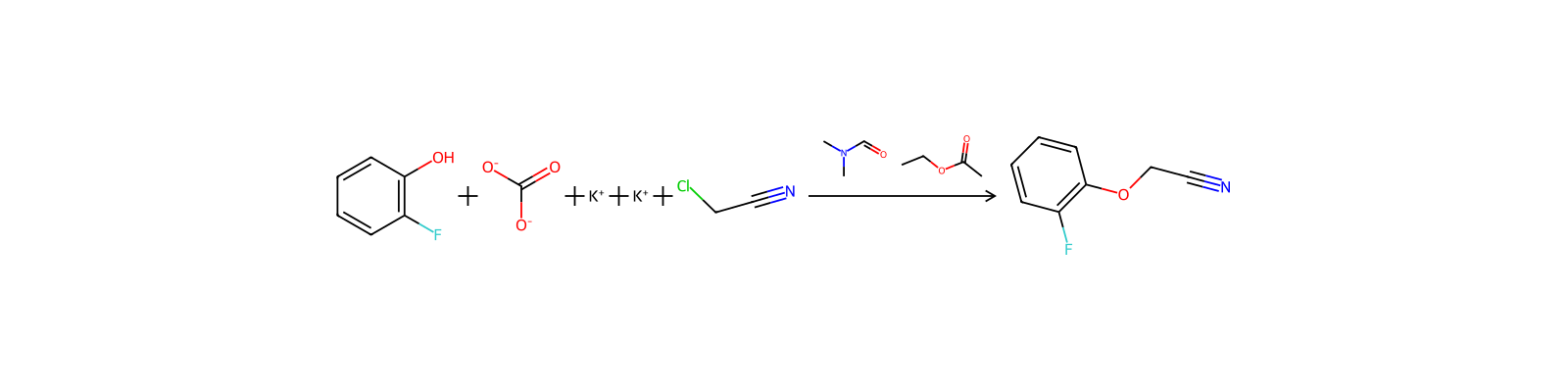
관련 반응
266건




화합물 노트
불러오는 중…