

기본 정보
- 표준 SMILES
Nc1ccc(F)cc1- InChIKey
KRZCOLNOCZKSDF-UHFFFAOYSA-N- 분자식
- C6H6FN
- 평균 분자량
- 111.12 g/mol
- 단동위원소 질량
- 111.04842741
개요
4-fluoroaniline is a light-colored oily liquid. Mixture of three isomers. Insoluble in water and denser than water. Contact may cause irritation to skin, eyes, and mucous membranes. May be toxic by ingestion. Used to make other chemicals.
이름 및 식별자
- 우선 이름
- 4-Fluoroaniline
- IUPAC
- 4-fluoroaniline
- 현지명
- 4-플로로아닐린
- 영어명
- 4-Fluoroaniline
- 분자식
- C6H6FN
- 분자량
- 111.12
이름 및 동의어
4-FLUOROANILINE371-40-4p-Fluoroaniline4-Fluorobenzenamine1-Amino-4-fluorobenzeneBenzenamine, 4-fluoro-p-FluorophenylamineAniline, p-fluoro-para-FluoroanilineDTXSID9022027CHEBI:28546NSC-579
이름 더 보기
4-플로로아닐린4-플루오로아닐린4-플루오로아닐린(4-FLUOROANILINE)NSC 579uoroaniLAKOS 911494-fluoro-anilinp-fluoro-anilin
60HI1G076ZDTXCID602027FluoroanilinesRefChem:99000206-735-54-FluoronanilineAniline, 4-fluoro-4-Fluoranilin
데이터베이스 식별자
- CAS
371-40-4、87686-42-8- PubChem CID
- 9731
- DTXSID
DTXSID9022027- ChEMBL
CHEMBL32014- ChEBI
CHEBI:28546- UNII
- 60HI1G076Z
- EC Number
- 206-735-5
- Nikkaji
- J33.843E
물성
구조 계산 물성
- XLogP
- 1.1
- 극성 표면적
- 26 Ų
- 수소 결합 공여자 수
- 1
- 수소 결합 수용자 수
- 2
- 회전 가능 결합 수
- 0
- 무거운 원자 수
- 8
- 형식 전하
- 0
- 복잡도
- 66.9
실험 및 물리화학적 성질
Chemical ClassesNitrogen Compounds -> Amines, Aromatic
PFASPFAS -> Suspected persistent, mobile, toxic (PMT) PFAS or PFAS-like compounds
SpringerMaterials Properties13C nuclear magnetic resonance spectrum
PesticidesEnvironmental transformation -> Pesticide transformation products (metabolite, successor)
LogP
log Kow = 1.15
1.18
Density
1.1725 at 68 °F (USCG, 1999) - Denser than water; will sink
1.1725 at 20 °C/4 °C
1.1725 @ 20°C
Color/Form
Liquid
Pale yellow liquid
Solubility
In water, 33 g/L at 20 °C
Soluble in ethanol and ether; slightly soluble in chloroform
Flash Point
165 °F (USCG, 1999)
74 °C
Boiling Point
358.7 °F at 760 mmHg (USCG, 1999)
188 °C
188 °C @760 [mm Hg]
DecompositionWhen heated to decomposition it emits very toxic fumes of /nitrogen oxides/ and /hydrogen fluoride/.
Melting Point
30.6 °F (USCG, 1999)
-1.9 °C
물리화학적 성질
- 녹는점
- -1.9 °C · -1.9 °C
- 끓는 점
- 187 °C/767 · 187 °C/767 mmHg (lit.)
- 밀도
- 1.173 g/mL · 1.173 g/mL at 25 °C (lit.)
- 굴절률
- 20 · n20/D 1.539(lit.)
- 인화점
- 165 °F · 165 °F
- 저장 조건
- 2 · 2-8°C
- 용해도
- 33 g/L · 33g/L
- 산도 계수 (pKa)
- 4.65 · 4.65(at 25℃)
- 물리적 상태
- 기름진 액체
- Specific Gravity
- 1.173 · 1.173
- 색상
- 투명한 연한 노란색에서 적갈색까지
- 수용성
- 33 g/L · 33g/L(20℃)
- Merck
- 14 · 14,4169
- BRN
- 742030 · 742030
- Henry's Law Constant
- 1.6 · 1.6×100 mol/(m3Pa) at 25℃, HSDB (2015)
- 안정성
- 안정적인. 산, 산화제와 호환되지 않습니다.
- InChI
- 1S/C6H6FN/c7-5-1-3-6(8)4-2-5/h1-4H,8H2
- InChIKey
- KRZCOLNOCZKSDF-UHFFFAOYSA-N
- SMILES
- Nc1ccc(F)cc1
- NIST
- p-Fluoroaniline(371-40-4)
- EPA
- p-Fluoroaniline (371-40-4)
화학적 성질
4-Fluoroaniline is a light yellow to gold-coloured liquid.It is easy to oxidize and turn red in air.
안전 및 규제
GHS 분류
GHS Classification
This chemical does not meet GHS hazard criteria for 0.5% (1 of 204) of reports.
Danger
H302 (98%): Harmful if swallowed [Warning Acute toxicity, oral]
P260, P264, P264+P265, P270, P273, P280, P301+P317, P301+P330+P331, P302+P361+P354, P304+P340, P305+P354+P338, P316, P317, P319, P321, P330, P363, P391, P405, and P501 (click each P-code to see the statement)
Aggregated GHS information provided per 204 reports by companies from 18 notifications to the ECHA C&L Inventory. Each notification may be associated with multiple companies.
Warning
유해성 정보
Regulatory Information
Chemical: Benzenamine, 4-fluoro-
Benzenamine, 4-fluoro- is listed on the EPA's Chemical Data Reporting (CDR) system. Manufacturers and importers of Benzenamine, 4-fluoro- are required to report information about their production and use of this chemical to the EPA under the Toxic Substances Control Act (TSCA). (40 eCFR Part 711)
Status: Active Update: 29-04-2016 https://echa.europa.eu/registration-dossier/-/registered-dossier/12126
4-Fluoroaniline: Does not have an individual approval but may be used under an appropriate group standard
DOT LabelPoison
Fire Hazards
Special Hazards of Combustion Products: Irritating and toxic hydrogen fluoride and oxides of nitrogen may form in fires. (USCG, 1999)
· Combustible material: may burn but does not ignite readily.
Health Hazards
Inhalation or ingestion causes bluish tint to fingernails, lips and ears indicative of cyanosis; headache, drowsiness, and nausea, followed by unconsciousness. Liquid can be absorbed through skin and cause similar symptoms. Contact with eyes causes irritation. (USCG, 1999)
· TOXIC and/or CORROSIVE; inhalation, ingestion or skin contact with material may cause severe injury or death.
Hazards Summary
A mutagen and severe skin and eye irritant; Causes flaccid paralysis and methemoglobinemia in lethal-dose studies of rats; [RTECS] Emergency treatment: Methemoglobinemia; [HSDB] A corrosive substance that can cause injury to the skin, eyes, and respiratory tract; Inhalation may cause chemical pneumonitis; May induce methemoglobinemia; Effects in high-dose animal studies include methemoglobinemia; [MSDSonline]
DOT ID and Guide2941 153
Reactive GroupAryl Halides
Reactivity ProfileSpecial Hazards of Combustion Products: Irritating and toxic hydrogen fluoride and oxides of nitrogen may form in fires. (USCG, 1999).
DOT Emergency Guidelines
/GUIDE 153: SUBSTANCES - TOXIC AND/OR CORROSIVE (COMBUSTIBLE)/ Health: TOXIC; inhalation, ingestion, or skin contact with material may cause severe injury or death. Contact with molten substance may cause severe burns to skin and eyes. Avoid any skin contact. Effects of contact or inhalation may be delayed. Fire may produce irritating, corrosive and/or toxic gases. Runoff from fire control or dilution water may be corrosive and/or toxic and cause pollution. /Fluoroanilines/
/GUIDE 153: SUBSTANCES - TOXIC AND/OR CORROSIVE (COMBUSTIBLE)/ Fire or Explosion: Combustible material: may burn but does not ignite readily. When heated, vapors may form explosive mixtures with air: indoors, outdoors, and sewers explosion hazards. Those substances designated with a "P" may polymerize explosively when heated or involved in a fire. Contact with metals may evolve flammable hydrogen gas. Containers may explode when heated. Runoff may pollute waterways. Substance may be transported in a molten form. /Fluoroanilines/
/GUIDE 153: SUBSTANCES - TOXIC AND/OR CORROSIVE (COMBUSTIBLE)/ Public Safety: CALL Emergency Response Telephone Number ... As an immediate precautionary measure, isolate spill or leak area in all directions for at least 50 meters (150 feet) for liquids and at least 25 meters (75 feet) for solids. Keep unauthorized personnel away. Stay upwind. Keep out of low areas. Ventilate enclosed areas. /Fluoroanilines/
/GUIDE 153: SUBSTANCES - TOXIC AND/OR CORROSIVE (COMBUSTIBLE)/ Protective Clothing: Wear positive pressure self-contained breathing apparatus (SCBA). Wear chemical protective clothing that is specifically recommended by the manufacturer. It may provide little or no thermal protection. Structural firefighters' protective clothing provides limited protection in fire situations ONLY; it is not effective in spill situations where direct contact with the substance is possible. /Fluoroanilines/
For more DOT Emergency Guidelines (Complete) data for 4-FLUOROANILINE (8 total), please visit the HSDB record page.
DOT Hazard Classification
Fluoroanilines
UN2941
Div 6.1 Poisonous materials (49 eCFR § 173.132)
PG III: the degree of danger presented by the material is minor
Air and Water ReactionsInsoluble in water.
Toxic Combustion ProductsHazardous decomposition products formed under fire conditions. - Carbon oxides, nitrogen oxides (NOx), Hydrogen fluoride
안전 및 보호
Fire FightingExcerpt from ERG Guide 153 [Substances - Toxic and/or Corrosive (Combustible)]:
Accidental Release Measures
· CALL 911. Then call emergency response telephone number on shipping paper. If shipping paper not available or no answer, refer to appropriate telephone number listed on the inside back cover.
· ELIMINATE all ignition sources (no smoking, flares, sparks or flames) from immediate area.
First Aid
INHALATION: Remove victim from exposure immediately; if needed, administer oxygen; refer to physician.
General First Aid:
Exposure Control and Personal Protection· Wear positive pressure self-contained breathing apparatus (SCBA).
Fire Fighting Procedures
Suitable extinguishing media: For small (incipient) fires, use media such as "alcohol" foam, dry chemical, or carbon dioxide. For large fires, apply water from as far as possible. Use very large quantities (flooding) of water applied as a mist or spray; solid streams of water may be ineffective. Cool all affected containers with flooding quantities of water. Special protective equipment for firefighters: Wear self contained breathing apparatus for fire fighting if necessary.
Storage ConditionsKeep container tightly closed in a dry and well-ventilated place. Containers which are opened must be carefully resealed and kept upright to prevent leakage.
Cleanup Methods
Personal precautions: Use personal protective equipment. Avoid breathing vapors, mist or gas. Ensure adequate ventilation. Remove all sources of ignition. Evacuate personnel to safe areas. Beware of vapors accumulating to form explosive concentrations. Vapors can accumulate in low areas. Environmental precautions: Prevent further leakage or spillage if safe to do so. Do not let product enter drains. Discharge into the environment must be avoided. Methods and materials for containment and cleaning up: Contain spillage, and then collect with an electrically protected vacuum cleaner or by wet-brushing and place in container for disposal according to local regulations. Keep in suitable, closed containers for disposal.
Nonfire Spill ResponseExcerpt from ERG Guide 153 [Substances - Toxic and/or Corrosive (Combustible)]:
Disposal Methods
SRP: The most favorable course of action is to use an alternative chemical product with less inherent propensity for occupational harm/injury/toxicity or environmental contamination. Recycle any unused portion of the material for its approved use or return it to the manufacturer or supplier. Ultimate disposal of the chemical must consider: the material's impact on air quality; potential migration in soil or water; effects on animal and plant life; and conformance with environmental and public health regulations.
Preventive Measures
SRP: The scientific literature for the use of contact lenses by industrial workers is inconsistent. The benefits or detrimental effects of wearing contact lenses depend not only upon the substance, but also on factors including the form of the substance, characteristics and duration of the exposure, the uses of other eye protection equipment, and the hygiene of the lenses. However, there may be individual substances whose irritating or corrosive properties are such that the wearing of contact lenses would be harmful to the eye. In those specific cases, contact lenses should not be worn. In any event, the usual eye protection equipment should be worn even when contact lenses are in place.
Handle in accordance with good industrial hygiene and safety practice. Wash hands before breaks and at the end of workday.
Avoid contact with skin and eyes. Avoid inhalation of vapor or mist. Keep away from sources of ignition - No smoking. Take measures to prevent the build up of electrostatic charge.
Isolation and Evacuation
Excerpt from ERG Guide 153 [Substances - Toxic and/or Corrosive (Combustible)]:
Immediate precautionary measure
Protective Action Criteria (PAC)
1.8 [mg/m3]
20 [mg/m3]
120 [mg/m3]
독성 정보
Ecotoxicity ValuesLC50; Species: Pimephales promelas (Fathead Minnow) age 26-34 day juvenile; Conditions: freshwater, flow through, 25 °C, pH 7.8, hardness 45 mg/L CaCO3, alkalinity 42 mg/L CaCO3; Concentration: 16900 ug/L for 96 hr /> or =95% purity/
Environmental Fate
TERRESTRIAL FATE: Based on a classification scheme(1), an estimated Koc value of 113(SRC), determined from a structure estimation method(2), indicates that 4-fluoroaniline is expected to have high mobility in soil(SRC). The pKa of 4-fluoroaniline is 4.65(3), indicating that this compound is a weak base and will exist predominantly in the non-ionized form in the environment. However, anilines are expected to bind strongly to humus or organic matter in soils due to the high reactivity of the aromatic amino group(4,5), suggesting that mobility may be much lower in some soils(SRC). 4-Fluoroaniline has been observed to bind rapidly with soil in herbicide degradation studies(6). Volatilization of 4-fluoroaniline from moist soil surfaces is expected to be an important fate process(SRC) given an estimated Henry's Law constant of 6.1X10⁻⁶ atm-cu m/mole(SRC), using a fragment constant estimation method(2). 4-Fluoroaniline is expected to volatilize from dry soil surfaces(SRC) based upon a vapor pressure of 0.75 mm Hg at 20 °C(7). Limited biodegradation data indicate that 4-fluoroaniline is biodegradable(8,9), but its rate and relative environmental importance is not certain(SRC).
AQUATIC FATE: Based on a classification scheme(1), an estimated Koc value of 113(SRC), determined from a structure estimation method(2), indicates that 4-fluoroaniline is expected to adsorb to suspended solids and sediment(SRC). The pKa of 4-fluoroaniline is 4.65(3), indicating that this compound is a weak base and will exist predominantly in the non-ionized form in the environment. Anilines may bind strongly to humus or organic matter due to the high reactivity of the aromatic amino group(4,5), suggesting some adsorption to suspended solids and sediment may occur(SRC). Volatilization from water surfaces is expected(6) based upon an estimated Henry's Law constant of 6.1X10⁻⁶ atm-cu m/mole(SRC), developed using a fragment constant estimation method(2). Using this Henry's Law constant and an estimation method(6), volatilization half-lives for a model river and model lake are 6.4 and 50 days, respectively(SRC). According to a classification scheme(7), an estimated BCF of 3(SRC), from its log Kow of 1.15(7) and a regression-derived equation(2), suggests the potential for bioconcentration in aquatic organisms is low(SRC). 4-Fluoroaniline absorbs at wavelengths >290 nm(8) and, therefore, may be susceptible to direct photolysis(SRC). Aromatic amines are susceptible to photosensitized degradation in natural waters exposed to sunlight due to reaction with OH and RO2 radicals(9); therefore, indirect photolysis may have some environmental importance in natural water(SRC). 4-Fluoroaniline is not expected to undergo hydrolysis in the environment due to the lack of functional groups that hydrolyze under environmental conditions(6).
ATMOSPHERIC FATE: According to a model of gas/particle partitioning of semivolatile organic compounds in the atmosphere(1), 4-fluoroaniline, which has a vapor pressure of 0.75 mm Hg at 20 °C(2), is expected to exist solely as a vapor in the ambient atmosphere. Vapor-phase 4-fluoroaniline is degraded in the atmosphere by reaction with photochemically-produced hydroxyl radicals(SRC); the half-life for this reaction in air is estimated to be 11 hours(SRC), calculated from its rate constant of 3.6X10⁻¹¹ cu cm/molecule-sec at 25 °C(SRC) that was derived using a structure estimation method(3). 4-Fluoroaniline absorbs at wavelengths >290 nm(4) and, therefore, may be susceptible to direct photolysis by sunlight(SRC).
Adverse EffectsMethemoglobinemia - The presence of increased methemoglobin in the blood; the compound is classified as secondary toxic effect
Ecotoxicity Excerpts
/OTHER TERRESTRIAL SPECIES/ ... In the present study, earthworms (Eisenia veneta) were exposed to three different model xenobiotics by a standard filter paper contact test, and toxicant-induced biochemical changes were then investigated by characterizing the changes in endogenous metabolites visible in 600-MHz 1H NMR spectra of tissue extracts. The NMR spectral intensities were converted to discrete numerical values and tabulated in order to provide data matrices suitable for multivariate analysis. Principal component analysis showed that changes had occurred in the biochemical profiles relative to the undosed controls. ... The 4-fluoroaniline-treated worms showed a decrease in maltose concentrations, and 3,5-difluoroaniline exerted the same effect as 2-fluoro-4-methylaniline but to a lesser extent. These changes could potentially be used as novel biomarkers of xenobiotic toxicity and could be used to determine the mechanism of action of other toxic chemicals.
Soil Adsorption/Mobility
Using a structure estimation method based on molecular connectivity indices(1), the Koc of 4-fluoroaniline can be estimated to be 113(SRC). According to a classification scheme(2), this estimated Koc value suggests that 4-fluoroaniline is expected to have high mobility in soil. The pKa of 4-fluoroaniline is 4.65(4), indicating that this compound is a weak base and will exist predominantly in the non-ionized form in the environment. However, anilines (aromatic amines) are expected to bind strongly to humus or organic matter in soils due to the high reactivity of the aromatic amino group(4,5), suggesting that mobility may be much lower in some soils(SRC). In aerobic soil degradation studies, 4-fluoroaniline that was formed as a principal metabolite of herbicide degradation, was observed to bind rapidly to soil(6).
Artificial Pollution Sources
4-Fluoroaniline's production and use as an intermediate in the manufacture of herbicides(1) may result in its release to the environment through various waste streams(SRC). 4-Fluoroaniline has been identified as a principal soil degradation product of the herbicides Sniper and Paragon (active ingredient)(2) which will result in its direct release to the environment(SRC).
Environmental Biodegradation
AEROBIC: In biodegradation studies using Elbe River water and a testfilter methodology, 4-haloanilines (4-chloro and 4-bromo) had mean degradation rates of 0.67-0.70/hr (half-life of about 1 hour). The degradation rate in control samples was only 0.007-0.009/hr (half-life of 77-99 hours)(1); 4-fluoroaniline may have similar rates(SRC).
ANAEROBIC: In anaerobic biodegradation tests using an estuarine sediment from the Tsurumi River in Japan, 4-fluoroaniline had an observed degradation rate of 0.00328/day which corresponded to a half-life of 211.3 days(1).
PURE CULTURE: Purified enzymes of the soil fungus Geotrichum candidum biotransformed 500 ppm 4-fluoroaniline, yielding fluoroazobenzene as a metabolite(1). A strain of the soil bacterium Moraxella used 0.2 mm 4-fluoroaniline as a sole source of carbon and nitrogen(2).
Environmental Bioconcentration
An estimated BCF of 3 was calculated in fish for 4-fluoroaniline(SRC), using a log Kow of 1.15(1) and a regression-derived equation(2). According to a classification scheme(3), this BCF suggests the potential for bioconcentration in aquatic organisms is low(SRC).
Volatilization from Water/Soil
The Henry's Law constant for 4-fluoroaniline is estimated as 6.1X10⁻⁶ atm-cu m/mole(SRC) using a fragment constant estimation method(1). This Henry's Law constant indicates that 4-fluoroaniline is expected to volatilize from water surfaces(2). Based on this Henry's Law constant, the volatilization half-life from a model river (1 m deep, flowing 1 m/sec, wind velocity of 3 m/sec)(2) is estimated as 6.4 days(SRC). The volatilization half-life from a model lake (1 m deep, flowing 0.05 m/sec, wind velocity of 0.5 m/sec)(2) is estimated as 50 days(SRC). 4-Fluoroaniline's Henry's Law constant indicates that volatilization from moist soil surfaces may occur(SRC). 4-Fluoroaniline is expected to volatilize from dry soil surfaces(SRC) based upon a vapor pressure of 0.75 mm Hg at 20 °C(3).
Non-Human Toxicity Excerpts
/LABORATORY ANIMALS: Neurotoxicity/ The potential for neurotoxicity after a single oral dose of four halogenated aniline derivatives, 4-bromoaniline, 4-chloroaniline, 4-fluoroaniline and 4-iodoaniline -- was given to rats was investigated at or near the lethal dosage level /500 mg/kg 4-bromoaniline, 300 mg/kg 4-chloroaniline, 600 mg/kg 4-fluoroaniline, 700 mg/kg 4-iodoaniline/. Hindlimb paralysis was found in the 4-bromoaniline, 4-chloroaniline and 4-fluoroaniline groups on clinical observation, with the maximum incidence of 100% in the 4-bromoaniline and 4-fluoroaniline groups and 66.7% in the 4-chloroaniline group. Detailed clinical observations with functional tests identified the following effects: reduced response of hindlimb extensor thrust, gait abnormality in the open field and decreased grip strength in the fore- or hindlimbs in the 4-bromoaniline, 4-chloroaniline and 4-fluoroaniline groups; decreased number of supported rearing episodes in the open field in the 4-bromoaniline and 4-chloroaniline groups; abnormal landing in the aerial righting reflex in the 4-bromoaniline and 4-fluoroaniline groups; and prolonged surface righting reflex in the 4-bromoaniline group. Spongy change in the white matter of the spinal cord and brainstem and nerve fibre degeneration in the peripheral nerves were found in all haloaniline-treated groups. The central and peripheral nervous systems were most severely affected in the 4-bromoaniline group and the lesions in the 4-iodoaniline group were limited in grade. This study demonstrates that a bolus dose of 4-haloanilines to rats induces a neurotoxicity similar in character to that evoked by the parent aniline. The decreasing order of neurotoxic potential appears to be 4-bromoaniline >> 4-fluoroaniline > or = 4-chloroaniline >> 4-iodoaniline when comparing at or near the lethal dosage level.
/GENOTOXICITY/ Several substituted alkyl- and haloanilines were tested for their ability to mutate Salmonella typhimurium and to damage the DNA of mammalian (Chinese hamster lung V79) cells. These results were correlated with their reported carcinogenicity. Of 9 suspected carcinogens, 4 were bacterial mutagens and 4 (of 7 tested) damaged DNA of V79 cells. The following compounds were weakly mutagenic (< 150 revertants/mumole): 4-fluoroaniline ... .
/BIOMONITORING/ Possible methods for monitoring exposure to 2,4-difluoroaniline and 4-fluoroaniline were studied in rats. Wistar-rats were given 1.0, 0.5, 0.25, and 0.13 millimoles per 0.1 kilogram 2,4-difluoroaniline or 4-fluoroaniline or 1.0 millimole per kilogram 4-chloroaniline as a positive control. Blood samples were taken at 1 hour before and 1, 2, 4, 6, 8, and 24 hours after dosing. Methemoglobin was calculated from absorbance at 630 nanometers before and after adding potassium-cyanide to lysed blood. Urinary metabolites were isolated as cetylpyridinium salts from rats similarly dosed with 4-fluoroaniline and 2,4-difluoroaniline. Metabolites were identified by nuclear magnetic resonance and elemental analysis. Neither test compound was as potent an inducer of methemoglobin as the positive control. At all doses of either compound methemoglobin increased rapidly and dropped quickly, returning to background values by 24 hours except at the highest doses. The dose response for each compound was approximately linear. The limit of detection was about 5 milligrams per 0.1 kilogram. Analysis of urinary metabolites confirmed that these were the O-sulfates of 2-amino-5-aminophenol and 2-amino-3,5-difluorophenol. The excretion of the urinary conjugated aminophenols after oral dosing with these compounds was rapid and only low concentrations were detected the second day after dosing. About 39 percent of 4-fluoroaniline and 13 percent of 2,4-difluoroaniline were accounted for by these metabolites. The authors conclude that either method could be used for human exposure monitoring. Methemoglobin determination is rapid and simple but not a very sensitive indicator. Urinary metabolite measurement is more sensitive but more complicated to perform.
/OTHER TOXICITY INFORMATION/ Aromatic amines possess a marked methemoglobin-forming activity that, in fact, appears to be the 1st observable toxic phenomenon. The para position to the amine group in aniline seems to play an important part in the mechansim of action of this compound. Derivatives, p-fluoroaniline (PFA), in which the para site is occupied and o-fluoroaniline (OFA), in which it is free, were studied comparatively. During short-term poisoning via the cutaneous route in rats, PFA causes a significant increase in methemoglobin level; OFA is clearly less active. In the case of PFA, blocking of the para site by fluorine may result in a longer lifetime of the corresponding hydroxylamine that would be responsible for the conversion of the ferrous iron in Hb to ferric iron. In contrast to OFA, PFA is defluorinated notably in vivo, clearly evidenced by the increase in urinary fluoride. Determinations of methemoglobin blood level and urinary fluoridee level are good evidence of impregnation with this substance. Besides the original compounds, it is possible to recover in the urine of poisoned animals a compound that may be o-fluoro-aminophenol in the case of OFA and a compound that appears to be the corresponding hydroxylamine derivative in the case of PFA.
Environmental Abiotic Degradation
The rate constant for the vapor-phase reaction of 4-fluoroaniline with photochemically-produced hydroxyl radicals has been estimated as 3.6X10⁻¹¹ cu cm/molecule-sec at 25 °C(SRC) using a structure estimation method(1). This corresponds to an atmospheric half-life of about 11 hours at an atmospheric concentration of 5X10+5 hydroxyl radicals per cu cm(1). 4-Fluoroaniline absorbs at wavelengths >290 nm(2) and, therefore, may be susceptible to direct photolysis by sunlight(SRC). Aromatic amines are susceptible to photosensitized degradation in natural waters exposed to sunlight due to reaction with OH and RO2 radicals(3); therefore, indirect photolysis may have some environmental importance in natural water(SRC). 4-Fluoroaniline is not expected to undergo hydrolysis in the environment due to the lack of functional groups that hydrolyze under environmental conditions(4).
Probable Routes of Human ExposureOccupational exposure to 4-fluoroaniline may occur through inhalation and dermal contact with this compound at workplaces where 4-fluoroaniline is produced or used. (SRC)
안전 데이터
- wgk
- 1
- tsca
- TSCA listed
- rtecs
- BY1575000
- ridadr
- UN 2941
- HS 번호
- 29214210
- risk_code
- 22-34-36/38-33-23/24/25
- hazard_code
- C,T,Xi,Xn
- safety_code
- 26-36/37/39-45-37/39-28
- 포장분류
- III
- 위험 등급
- 6.1
- 기존화학 물질
- KE-17003
- 위험 참고 사항
- Toxic/Irritant
- Hazard Classifications
- Acute Tox. 4 OralAquatic Acute 1Aquatic Chronic 1Eye Dam. 1Skin Corr. 1CSTOT RE 2
- 스토리지 클래스
- 6.1C - Combustible acute toxic Cat.3toxic compounds or compounds which causing chronic effects
- 유해 물질 데이터
- 371-40-4(Hazardous Substances Data)
화학 및 산업
약리 정보
Metabolism/Metabolites
The in vitro hydroxylation-defluorination of p-fluoroaniline was carried out by liver microsomes from the rabbit, rat, sheep, cow, pig, man and pigeon, but not by microsomes prepared from trout.
p-Fluoroaniline is defluorinated notably in vivo in rats, clearly evidenced by the increase in urinary fluoride.
Possible methods for monitoring exposure to 2,4-difluoroaniline and 4-fluoroaniline were studied in rats. Wistar rats were given 1.0, 0.25, and 0.13 millimoles per 0.1 kilogram 2,4-difluoroaniline or 4-fluoroaniline. Blood samples were taken at 1 hr before and 1, 2, 4, 6, 8, and 24 hr after dosing. Methemoglobin was calculated from absorbance at 630 nm before and after adding potassium cyanide to lysed blood. Urinary metabolites were isolated as cetylpyridinium salts from rats similarily dosed with 4-fluoroaniline and 2,4,-difluoroaniline. Analysis of urinary metabolites confirmed that these were the o-sulfates of 2-amino-5-aminophenol and 2-amino-3,5-difluorophenol. The excretion of the urinary conjugated aminophenols after oral dosing with these cmpd was rapid and only low concentrations were detected the second day after dosing. About 39% of 4-fluoroanilne and 13% of 2,4-difluoroaniline were accounted by these metabolites.
The regioselectivity and metabolism of monofluoroanilines were studied in-vivo and in-vitro. Male Wistar-rats were administered 0 or 50 mg/kg 2-fluoroaniline, 3-fluoroaniline, or 4-fluoroaniline orally. Urine samples were collected 24 hours later and analyzed for metabolites by fluorine-19 nuclear magnetic resonance spectroscopy. Liver microsomes prepared from male Wistar-rats that had been pretreated with the cytochrome-P-450 (P450) inducers were fortified with P450 and incubated with 0 or 10 millimolar 2-fluoroaniline, 3-fluoroaniline, or 4-fluoroaniline for 10 minutes. The incubates were analyzed for metabolites. Frontier electron densities of occupied and unoccupied orbitals of 2-fluoroaniline, 3-fluoroaniline, and 4-fluoroaniline were calculated by a computerized semiempirical molecular orbital technique. 3-Fluoro-4-acetamidophenylsulfate, 3-fluoro-4-aminophenylsulfate, and 3-fluoro-4-acetamidophenylglucuronide were the major 2-fluoroaniline urinary metabolites. 2-Fluoro-4-acetamidophenylsulfate, 4-fluoro-2-aminophenylsulfate, 2-fluoro-4-aminophenylsulfate, and the fluoride-ion (F-) were the major metabolites of 3-fluoroaniline. 5-Fluoro-2-aminophenylsulfate and fluoride-ion were the major metabolites of 4-fluoroaniline. In-vitro, 3-fluoro-4-aminophenol was the major 2-fluoroaniline metabolite. 3-Fluoroaniline was converted primarily to 4-aminophenol and 4-fluoro-2-aminophenol. 4-Fluoroaniline was converted primarily to 5-fluoro-2-aminophenol and F-. In microsomes from rats pretreated with the P450 inducers, 3-fluoroaniline underwent hydroxylation primarily in the para position, the extent of hydroxylation being similar for all pretreatment conditions. Ortho hydroxylation at the C6 position occurred under all pretreatment conditions but to a much smaller extent. Ortho hydroxylation at the C2 position occurred only in microsomes from rats pretreated with 3MC and isosafrole. Frontier electron densities in the highest occupied molecular orbital (HOMO) and the orbital just below it (HOMO-1) were highest in the C4 position followed by the C6 and C2 positions. /The investigators/ conclude that the regioselectivity in the hydroxylation of 3-fluoroaniline can be explained by higher electron densities in the HOMO and HOMO-1 orbitals of the C4 and C6 carbons and the low density at the C2 position. P450 catalyzed hydroxylation of monofluoroanilines apparently involves electrophilic attack of a charged iron/oxygen species derived from P450 on a specific carbon atom of the aromatic ring.
For more Metabolism/Metabolites (Complete) data for 4-FLUOROANILINE (6 total), please visit the HSDB record page.
용도 및 제조
Uses
Used as an intermediate in the manufacture of herbicides, plant growth regulators, dyes, and para-Fluorophenol; [HSDB]
Intermediate in manufacture of herbicides and plant growth regulators.
Preparation of para-fluorophenol
4-Fluoroaniline is an intermediate for liquid crystal polymers
U.S. Production
2023: 78,500 lb
Production volumes for non-confidential chemicals reported under the Inventory Update Rule.[Table#4149]
Industry UsesIntermediate
Methods of ManufacturingPrepared by reduction of 1-fluoro-4-nitrobenzene by Raney nickel; ... by sulfurated sodium borohydride.
Use ClassificationEnvironmental transformation -> Pesticide transformation products (metabolite, successor)
General Manufacturing Information
All Other Basic Organic Chemical Manufacturing
Benzenamine, 4-fluoro-: ACTIVE
응용 분야
용도4-Fluoroaniline is a degradation product of Ezetimibe (E975000). 4-Fluoroaniline is used as an analytical reagent in the enzymic detection of glucose.
일반 설명4-fluoroaniline is a light-colored oily liquid. Mixture of three isomers. Insoluble in water and denser than water. Contact may cause irritation to skin, eyes, and mucous membranes. May be toxic by ingestion. Used to make other chemicals. The barriers to inversion and internal rotation of the NH2 group in 4-fluoroaniline has been investigated by far infrared gas spectra.
상·하류 제품 정보
상류 원료
하류 제품
추가 설명
정의ChEBI: 4-fluoroaniline is a primary arylamine that is the derivative of aniline in which the hydrogen at position 4 has been substituted by fluorine. It is used as an intermediate in the manufacture of pharmaceuticals, herbicides and plant growth regulators. It is a primary arylamine and a fluoroaniline.
관련 반응
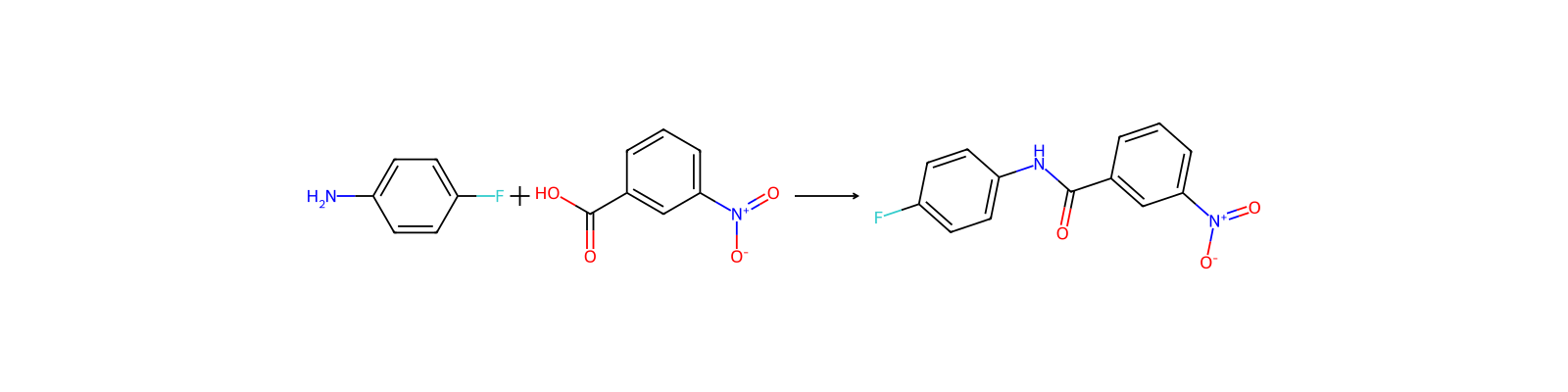
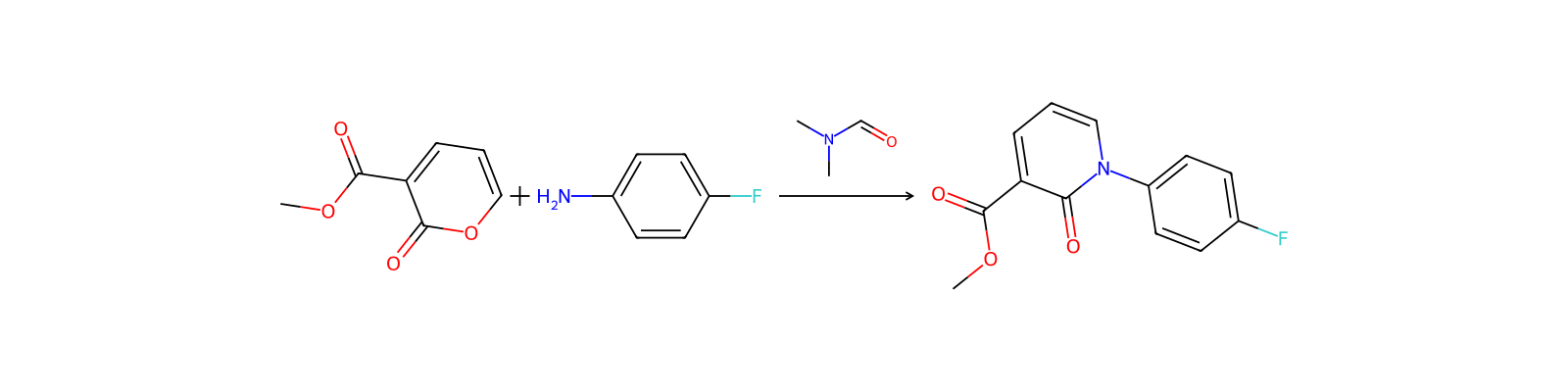
1,137건




연결된 노트
불러오는 중…