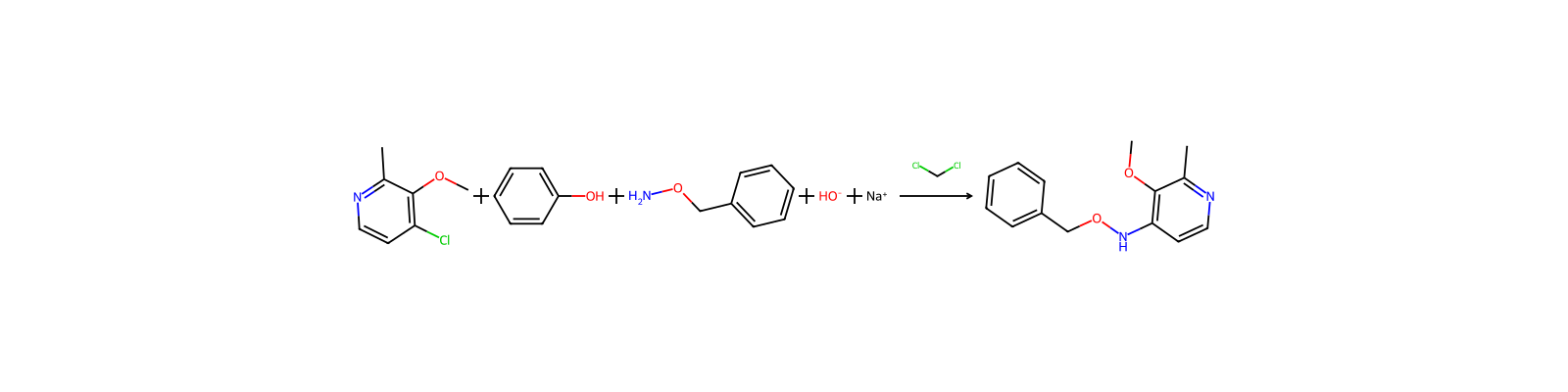

기본 정보
- 표준 SMILES
Oc1ccccc1- InChIKey
ISWSIDIOOBJBQZ-UHFFFAOYSA-N- 분자식
- C6H6O
- 평균 분자량
- 94.11 g/mol
- 단동위원소 질량
- 94.04186481
개요
Phenol is both a manufactured chemical and a natural substance. It is a colorless-to-white solid when pure. The commercial product is a liquid. Phenol has a distinct odor that is sickeningly sweet and tarry. You can taste and smell phenol at levels lower than those that are associated with harmful effects. Phenol evaporates more slowly than water, and a moderate amount can form a solution with water. Phenol can catch fire. Phenol is used primarily in the production of phenolic resins and in the manufacture of nylon and other synthetic fibers. It is also used in slimicides (chemicals that kill bacteria and fungi in slimes), as a disinfectant and antiseptic, and in medicinal preparations such as mouthwash and sore throat lozenges.
이름 및 식별자
- 우선 이름
- Phenol
- IUPAC
- phenol
- 현지명
- 페놀
- 영어명
- Phenol
- 분자식
- C6H6O
- 분자량
- 94.11
이름 및 동의어
phenol108-95-2carbolic acidHydroxybenzenePhenic acidOxybenzeneBenzenolPhenylic acidPhenylic alcoholMonophenolPhenyl hydratePhenyl hydroxide
이름 더 보기
페놀모노페놀모노히드록시벤젠벤젠올페닌산페닐수산화물페닐알코올히드록시벤젠모노하이드록시벤젠석탄산옥시벤젠카르볼산페닐산펜산하이드록시벤젠FenolPHENOL CRYSTALSLIQUIFIED PHENOLPhenol, water saturated, stabilizedBenzophenol
PhOHMonohydroxybenzenePaoscleIzalPhenyl alcoholPhenolePhenol alcoholAcide carbolique
데이터베이스 식별자
- CAS
108-95-2、27073-41-2、73607-76-8- PubChem CID
- 996
- DTXSID
DTXSID5021124- ChEMBL
CHEMBL14060- ChEBI
CHEBI:15882- UNII
- 339NCG44TV
- EC Number
- 203-632-7、608-041-1
- Nikkaji
- J2.873H
물성
구조 계산 물성
- XLogP
- 1.5
- 극성 표면적
- 20.2 Ų
- 수소 결합 공여자 수
- 1
- 수소 결합 수용자 수
- 1
- 회전 가능 결합 수
- 0
- 무거운 원자 수
- 7
- 형식 전하
- 0
- 복잡도
- 46.1
실험 및 물리화학적 성질
Chemical Classes
Hazardous Air Pollutants (HAPs)
Other Classes -> Phenols
Mutagens
Semi-Volatile Organic Compound (SVOC) and(or) Waste-water effluent contaminant
DrugsPharmaceuticals -> Listed in ZINC15
CosmeticsCosmetics ingredient -> Fragrance
pHabout 6.0 (aq soln)
FragrancesFragrance Ingredient (Phenol) -> IFRA transparency List
Pesticides
Pesticide -> EPA IRIS
Environmental transformation -> Pesticide transformation products (metabolite, successor)
LogP
Log Kow = 1.46
1.46
1.46
Odor
Distinct aromatic, somewhat sickening sweet and acrid odor, discernable at 0.5 to 5 ppm
Sweet, tarry odor
Somewhat sickeningly sweet and acrid
Taste
Sharp, burning taste
When in very weak solution it has a sweetish taste.
Food AdditivesFLAVORING AGENT OR ADJUVANT -> FDA Substance added to food
Density
1.04 at 105.8 °F (USCG, 1999) - Denser than water; will sink
1.06 (NIOSH, 2024) - Denser than water; will sink
1.0722 at 68 °F (EPA, 1998) - Denser than water; will sink
1.071 g/cu cm
Concn in "saturated" air: 0.046% by volume (0.77 g/cu m) (25 °C); Density of "saturated" air: 1.00104 (air=1); Conversion: 3.84 mg/cu m = 1 ppm; 1 mg/l = 0.26 mg/cu m
1.06 g/cm³
Flavoring AgentsEU Flavoring substances
물리화학적 성질
- 녹는점
- 40 · 40-42 °C(lit.)
- 끓는 점
- 182 °C · 182 °C(lit.)
- 밀도
- 1.071 g/mL · 1.071 g/mL at 25 °C(lit.)
- 증기 밀도
- 3.24 · 3.24 (vs air)
- 증기압
- 0.09 psi · 0.09 psi ( 55 °C)
- 굴절률
- 20 · n20/D 1.53
- FEMA
- 3223 · 3223 | PHENOL
- 인화점
- 175 °F · 175 °F
- 저장 조건
- 2 · 2-8°C
- 용해도
- 2 O: · H2O: 50 mg/mL at 20 °C, 투명, 무색
- 물리적 상태
- 액체
- 산도 계수 (pKa)
- 9.89 · 9.89(at 20℃)
- Specific Gravity
- 1.071 · 1.071
- 색상
- 희미하게 노란색
- 냄새
- 0.06 ppm에서 · 0.06ppm에서 감지 가능한 달콤한 약 냄새
- 수소이온지수(pH)
- 6.47 · 6.47(1 mM solution);5.99(10 mM solution);5.49(100 mM solution);
- 폭발한계
- 1.3 · 1.3-9.5%(V)
- 생물학적 소스
- synthetic
- 냄새 유형
- 페놀성
- Odor Threshold
- 0.0056 ppm · 0.0056ppm
- 수용성
- 8 g/100mL · 8g/100mL
- 비열
- 1.35 J/ · Cp(crystal): 1.35 J/(g·K), at 25℃
- Merck
- 14 · 14,7241
- JECFA Number
- 690 · 690
- BRN
- 969616 · 969616
- Henry's Law Constant
- 1.09 at · 1.09 at 5 °C (average derived from six field experiments, Lüttke and Levsen, 1997)
- Dielectric constant
- 4.3 · 4.3(10℃)
- 안정성
- 흡습성
- 주요 응용
- 농업청소용품화장품환경음식 및 음료개인 위생 관리
- 화장품 원료 기능
- 항균 방부제구강 관리향기변성제항균탈취제
- InChI
- 1S/C6H6O/c7-6-4-2-1-3-5-6/h1-5,7H
- InChIKey
- ISWSIDIOOBJBQZ-UHFFFAOYSA-N
- SMILES
- Oc1ccccc1
- LogP
- 1.47 at · 1.47 at 30℃
- NIST
- Phenol(108-95-2)
- EPA
- Phenol (108-95-2)
- Absorption
- 294 nm · cut-off at 294nm in H2O at 0.5M
화학적 성질
Phenol, C6H5OH, also known as carbolic acid and phenylic acid, is a white poisonous crystalline solid that melts at 43 °C (110 OF) and boils at 182°C (360 OF). Phenol has a sharp burning taste,a distinctive odor, and it irritates tissue. It is toxic not only by ingestion or inhalation, but also by skin absorption. Phenol is soluble in water,alcohol,and ether. It is used in the production of resins,germicides,weedkillers,pharmaceuticals, and as a solvent in the refining of lubricating oils.
안전 및 규제
GHS 분류
GHS Classification
Danger
H301: Toxic if swallowed [Danger Acute toxicity, oral]
P203, P260, P261, P262, P264, P270, P271, P280, P301+P316, P301+P330+P331, P302+P352, P302+P361+P354, P304+P340, P305+P354+P338, P316, P318, P319, P321, P330, P361+P364, P363, P403+P233, P405, and P501 (click each P-code to see the statement)
This chemical does not meet GHS hazard criteria for < 0.1% (1 of 4205) of reports.
Danger
H301 (99.9%): Toxic if swallowed [Danger Acute toxicity, oral]
유해성 정보
Regulatory Information
Chemical: Phenol
Hazard Traits - Cardiovascular Toxicity; Dermatotoxicity; Hepatotoxicity and Digestive System Toxicity; Nephrotoxicity and Other Toxicity to the Urinary System; Neurotoxicity; Ocular Toxicity; Other Toxicological Hazard Traits; Respiratory Toxicity
Commission Regulation (EC) No 1565/2000 (Repealed by Com. Implementing Reg. (EU) No 872/2012)
Phenol is listed on the EPA's Chemical Data Reporting (CDR) system. Manufacturers and importers of Phenol are required to report information about their production and use of this chemical to the EPA under the Toxic Substances Control Act (TSCA). (40 eCFR Part 711)
Status: Active Update: 04-05-2023 https://echa.europa.eu/registration-dossier/-/registered-dossier/15508
Phenol, molten: HSNO Approval: HSR006982 Approved with controls
Other Safety InformationIMAP assessments - Phenol: Human health tier II assessment
DOT Label
Poison
Poison
Poison
Poison
Fire Hazards
Excerpt from ERG Guide 153 [Substances - Toxic and/or Corrosive (Combustible)]:
Special Hazards of Combustion Products: Unburned vapor is toxic
Excerpt from ERG Guide 153 [Substances - Toxic and/or Corrosive (Combustible)]:
Flammable vapors when heated. Runoff from fire control water may give off poisonous gases and cause pollution. Mixtures of 9-10% phenol in air are explosive. Avoid aluminum chloride/nitrobenzene mixture, peroxodisulfuric acid, peroxomonosulfuric acid and strong oxidizing agents. Decomposes slowly on air contact. Avoid contact with strong oxidizing agents. (EPA, 1998)
· Combustible material: may burn but does not ignite readily.
· Combustible material: may burn but does not ignite readily.
Fire Potential
May be ignited by electrostatic discharge.
Phenol and its solutions are flammable.
Health Hazards
Excerpt from ERG Guide 153 [Substances - Toxic and/or Corrosive (Combustible)]:
Will burn eyes and skin. The analgesic action may cause loss of pain sensation. Readily absorbed through skin, causing increased heart rate, convulsions, and death. (USCG, 1999)
Excerpt from ERG Guide 153 [Substances - Toxic and/or Corrosive (Combustible)]:
Toxic hazard rating is very toxic: probable oral lethal dose (human) is 50-500 mg/kg. Ingestion of 1 gram has been lethal to humans. Lethal amounts may be absorbed through skin or inhaled. Industrial contact can cause chronic poisoning with kidney and liver damage. Persons affected with hepatic or kidney diseases are at a greater risk. (EPA, 1998)
· TOXIC and/or CORROSIVE; inhalation, ingestion or skin contact with material may cause severe injury or death.
· TOXIC and/or CORROSIVE; inhalation, ingestion or skin contact with material may cause severe injury or death.
Hazards Summary
Phenol is both a manufactured chemical and a natural substance. It is a colorless-to-white solid when pure. The commercial product is a liquid. Phenol has a distinct odor that is sickeningly sweet and tarry. You can taste and smell phenol at levels lower than those that are associated with harmful effects. Phenol evaporates more slowly than water, and a moderate amount can form a solution with water. Phenol can catch fire. Phenol is used primarily in the production of phenolic resins and in the manufacture of nylon and other synthetic fibers. It is also used in slimicides (chemicals that kill bacteria and fungi in slimes), as a disinfectant and antiseptic, and in medicinal preparations such as mouthwash and sore throat lozenges.
Exposure to phenol may occur from the use of some medicinal products (including throat lozenges and ointments). Phenol is highly irritating to the skin, eyes, and mucous membranes in humans after acute (short-term) inhalation or dermal exposures. Phenol is considered to be quite toxic to humans via oral exposure. Anorexia, progressive weight loss, diarrhea, vertigo, salivation, a dark coloration of the urine, and blood and liver effects have been reported in chronically (long-term) exposed humans. Animal studies have reported reduced fetal body weights, growth retardation, and abnormal development in the offspring of animals exposed to phenol by the oral route. EPA has classified phenol as a Group D, not classifiable as to human carcinogenicity.
Phenol >70% is corrosive to skin. [Quick CPC] Solutions of <5 % are strong irritants. Solutions of >5 % are corrosive. Even dilute solutions (1% to 2%) may cause severe burns if contact is prolonged. Kidney injury has been reported after workplace exposure. Damage to the nervous system is the primary cause of death from phenol poisoning. Affected patients may have seizures and coma within a few minutes to few hours after exposure. [ATSDR Medical Management] Hepatic injury and methemoglobinemia have been reported in cases of phenol poisoning by ingestion. Workers or volunteers exposed at or below 5.3 ppm have experienced no ill effects. Phenol can cause systemic effects after absorption through the skin. [ACGIH] Phenol skin burns are typically white-colored and painless. [AHLS, p. 114] Fatalities after skin exposure have been reported (concentrated phenol to >25% body surface area). [CHEMINFO] A corrosive substance that can cause injury to the skin, eyes, and respiratory tract; Inhalation may cause pulmonary edema; May cause convulsions, coma, collapse, cardiac disorders, and respiratory failure; Readily absorbed through skin; [ICSC] Safe when used as a flavoring agent in food; [JECFA] A vesicant that is rapidly absorbed through skin; Causes burns; Inhalation may cause corrosive injuries to upper respiratory tract and lungs; Toxic by ingestion, inhalation, and skin absorption; Targets the CNS, kidney, liver, pancreas, and spleen; [Sigma-Aldrich MSDS]
Phenol is an acutely hazardous substance due primarily to its toxicity. Because phenol is highly corrosive to skin and systemically toxic by all routes of exposure, including dermal absorption, it should not be allowed to contact skin in its normally crystalline or concentrated liquid form. When heated, phenol can give off vapors which are not only toxic, but flammable as well, if exposed to an ignition source. Compliance with the OSHA TLV of 5 ppm should protect against the build-up of both toxic and explosive concentrations of phenol in air. Under all circumstances where skin contact with phenol is possible, protective clothing, including gloves and a face shield, should be worn. This clothing should be made of material which is impervious to phenol eg neoprene, polyethylene, or rubber. Under conditions where airborne concentrations of phenol exceed 20 mg/cu meter, a full-face respiratory device is also required. Warning of potential phenol exposure can come from its sickeningly sweet, acrid odor, detectable at 0.047 ppm. Containers of phenol may be leaking if a check of the contents reveals phenol is turning reddish in color. Toxicity is the prime consideration in the safe storage and shipment of phenol. Designated as "Poison B" by the DOT, phenol containers are labeled "Poison". However, no special containers are required due to phenol's modest fire hazard and low reactivity. Should a phenol fire occur, it may be combatted with water spray, CO2, dry chemical or foam extinguishants. Aside from assuring that all containers and shipment vessels are securely closed, the toxicity and fire hazards of phenol can be greatly reduced by the prevention of overheating in storage areas. This is accomplished with proper ventilation. Spills of phenol should be flushed with water, and caustic soda solution added for neutralization. Phenol should not be allowed to come into contact with strong oxidizing agents, eg peroxodisulfuric acid.
DOT ID and Guide
1671 153
2312 153
1671 153(solid)
2312 153(molten)
2821 153(solution)
FDA RequirementsPhenol is an indirect food additive for use only as a component of adhesives.
Reactive Group
Phenols and Cresols
Phenols and Cresols
Phenols and Cresols
Phenols and Cresols
EC ClassificationSymbol: T, C, Xn; R: 23/24/25-34-48/20/21/22-68; S: (1/2)-24/25-26-28-36/37/39-45
UN ClassificationUN Hazard Class: 6.1; UN Pack Group: II
안전 및 보호
Fire Fighting
Excerpt from ERG Guide 153 [Substances - Toxic and/or Corrosive (Combustible)]:
Excerpt from ERG Guide 153 [Substances - Toxic and/or Corrosive (Combustible)]:
Excerpt from ERG Guide 153 [Substances - Toxic and/or Corrosive (Combustible)]:
Move container from fire area if it can be done without risk; fight fire from maximum distance; dike fire control water for later disposal, do not scatter the material. Small fires: dry chemical, carbon dioxide, water spray or foam (alcohol); large fires: water spray, fog or foam; use water spray to cool containers in fire area. (EPA, 1998)
Use water spray, alcohol-resistant foam, powder, carbon dioxide.
First Aid Measures
Fresh air, rest. Half-upright position. Refer for medical attention.
Wear protective gloves when administering first aid. Remove contaminated clothes. Rinse skin with plenty of water or shower. To remove substance use polyethylene glycol 300 or vegetable oil. Refer immediately for medical attention .
Rinse with plenty of water for several minutes (remove contact lenses if easily possible). Refer immediately for medical attention.
Rinse mouth. Give one or two glasses of water to drink. Do NOT induce vomiting. Refer immediately for medical attention.
Accidental Release Measures
· CALL 911. Then call emergency response telephone number on shipping paper. If shipping paper not available or no answer, refer to appropriate telephone number listed on the inside back cover.
· ELIMINATE all ignition sources (no smoking, flares, sparks or flames) from immediate area.
· CALL 911. Then call emergency response telephone number on shipping paper. If shipping paper not available or no answer, refer to appropriate telephone number listed on the inside back cover.
· ELIMINATE all ignition sources (no smoking, flares, sparks or flames) from immediate area.
First Aid
Excerpt from ERG Guide 153 [Substances - Toxic and/or Corrosive (Combustible)]:
EYES: First check the victim for contact lenses and remove if present. Flush victim's eyes with water or normal saline solution for 20 to 30 minutes while simultaneously calling a hospital or poison control center. Do not put any ointments, oils, or medication in the victim's eyes without specific instructions from a physician. IMMEDIATELY transport the victim after flushing eyes to a hospital even if no symptoms (such as redness or irritation) develop.
Excerpt from NIOSH Pocket Guide for Phenol:
Signs and Symptoms of Acute Phenol Exposure: Signs and symptoms of acute exposure to phenol may be severe, and range from tachycardia (rapid heart rate) and tachypnea (rapid respiratory rate) to hypotension (low blood pressure), weak pulse, cardiac failure, pulmonary edema, and respiratory arrest. Cardiac arrhythmias may be noted. Weakness, headache, dizziness, tinnitus (ringing in the ears), delirium, and shock are common. Seizures may often be followed by coma. Pallor, profuse sweating, dilated pupils, and a profound drop in body temperature may occur. Gastrointestinal effects may include nausea, abdominal pain, bloody vomitus, and bloody diarrhea. Renal insufficiency may lead to hematuria (bloody urine). Liver damage may also occur. Phenol is corrosive to the skin and mucous membranes. Contact may result in severe and painful burns, which promptly become anesthetized (numb) to touch and pain. Ulceration may follow.
General First Aid:
General First Aid:
Safe Storage
Provision to contain effluent from fire extinguishing. Separated from strong oxidants and food and feedstuffs. Dry. Well closed. Store only in original container. Keep in a well-ventilated room. Store in an area without drain or sewer access.
Exposure Control and Personal Protection
· Wear positive pressure self-contained breathing apparatus (SCBA).
· Wear positive pressure self-contained breathing apparatus (SCBA).
Biological Exposure Indices (BEI) [ACGIH] - Total phenol in urine = 250 mg/g creatinine; end of shift;
166.0 [ppm]
Fire Fighting Procedures
If material on fire or involved in fire: Use water in flooding quantities as fog. Solid streams of water may be ineffective. Cool all affected containers with flooding quantities of water. Apply water from as far a distance as possible. Use foam, dry chemical, or carbon dioxide. Keep run off-water out of sewers and water sources. /Phenol, solid/
If material on fire or involved in fire: Do not extinguish fire unless flow can be stopped. Extinguish fire using agent suitable for type of surrounding fire. (Material itself does not burn or burns with difficulty.) Use water as flooding quantities as fog. Cool all affected containers with flooding quantities of water. Apply water from as far a distance as possible. Use foam, dry chemical, or carbon dioxide. Keep run-off water out of sewers and water sources. /Phenol, molten/
To fight fire, use alcohol foam, carbon dioxide or dry chemical.
Storage Conditions
Phenol should be stored in closed containers in an area which is adequate to ensure that airborne phenol concentrations do not exceed 20 mg/cu m. Conditions shall be controlled to prevent overheating and the buildup of pressure in phenol containers. Storage tanks must be electrically grounded and bonded to transfer lines. Transfer and storage systems shall be designed and operated to prevent blockage by condensed phenol. Open flames are prohibited when drums of phenol are heated to melt the contents. The internal pressure will be vented by placing the drums with the bung up and the bung loosened. The bungs shall be tightened prior to moving or handling drums. Drums, carboys, or other containers of phenol shall be closed while being handled or moved. Transfer from such containers shall be done carefully to avoid splashes, spills, or other possible circumstances by which an employee may come in contact with phenol. Bulk storage facilities shall be designed and constructed to contain any leaks or spills.
Keep well closed and protected from light.
Store in a cool, dry, well-ventilated location. Separate from oxidizers and acute fire hazards.
Storage tanks should be equipped with heating coils which pass upward through the entire vessel ... . Tanks may be constructed by either welding or riveting. ... Underground tanks are not recommended.
Phenolic resins, PVC, neoprene, saran, and polyethylene are generally unsuitable storage container materials for phenol. /From table/
Cleanup Methods
Control runoff and isolate discharged material for proper disposal. Approach release from upwind.
Phenolic cmpd in wastewater are oxidized with hydrogen peroxide catalyzed by Fe+3-Fe+2. When the wt ratio of PhOH:H2O2 is 1:3 and iron 5-100 ppm, more than 95% of the phenols are removed in 30 min from a 500 ppm phenol soln at pH 5-6 and 25-50 °C.
Spills must be disposed of immediately by properly protected personnel; no other person should remain in the area. Flush with flooding quantities of water, then use caustic soda soln for neutralization.
Remove all ignition sources and evacuate the area. Ventliate the area. Cover spilled solid phenol with dry lime or soda ash. Contain molten phenol with sand or earth and allow solidification. Absorb a phenol solution in earth or sand. Remove to a safe place to hold it for disposal. Prevent molten phenol or a solution of phenol from entering sewers, water courses, or soil. Ensure personal protection.
Nonfire Spill Response
Excerpt from ERG Guide 153 [Substances - Toxic and/or Corrosive (Combustible)]:
Excerpt from ERG Guide 153 [Substances - Toxic and/or Corrosive (Combustible)]:
Excerpt from ERG Guide 153 [Substances - Toxic and/or Corrosive (Combustible)]:
Excerpt from ERG Guide 153 [Substances - Toxic and/or Corrosive (Combustible)]:
Disposal Methods
Incineration is the recommended method of disposal. Dissolve or mix the material with a combustible solvent and burn in a chemical incinerator equipped with an afterburner or scrubber.
Generators of waste (equal to or greater than 100 kg/mo) containing this contaminant, EPA hazardous waste number U188, must conform with USEPA regulations in storage, transportation, treatment and disposal of waste.
Waste liquor containing 50,000 ppm was adjusted to give effluent containing 1 ppm then treated with activated sludge to give final effluent containing 0.07 ppm, 10% of which was recycled to conditioning tank.
Chemical Treatability of Phenol; Concentration Process: Reverse Osmosis; Chemical Classification: Phenol; Scale of Study: Batch Flow; Type of Wastewater Used: Pure; Results of Study: -5.7% reduction w/CA membrane; 76.5% reduction w/C-PE1 membrane.
For more Disposal Methods (Complete) data for PHENOL (12 total), please visit the HSDB record page.
Spillage Disposal
Personal protection: chemical protection suit including self-contained breathing apparatus. Do NOT let this chemical enter the environment. Sweep spilled substance into covered sealable containers. If appropriate, moisten first to prevent dusting. Carefully collect remainder. Then store and dispose of according to local regulations.
독성 정보
Toxicological InformationCDC-ATSDR Toxicological Profile
Body Burden
... Phenol /was applied/ to the skin (over 75% of the body surface area) of 20 adults at 2% in calamine lotion and 4.75% in phenol-camphor liquid petrolatum preparations. Blood samples were collected pre-exposure and at 2 hour intervals for 1 to 3 days and analyzed for phenol... . In both tests, pre-exposure concentrations of free phenol in the blood of all subjects averaged 0.15 mg/100 ml and increased to an average of 0.4 mg/100 ml during each of the tests. Pre-exposure concentrations of conjugated (protein-precipitated) phenol in the blood of all subjects averaged 0.35 mg/100 ml in both experiments. Conjugated phenol concentrations in blood increased over the range of 0.9 to 1.9 mg/100 ml of blood for both preparations. There were no detectable differences in the resulting concentrations of free and conjugated phenol in the blood when either preparation was applied to the skin.
Phenol was identified, but not quantified, in 9 of 12 samples of breath in Bayonne and Elizabeth, NJ as part of the Total Exposure Assessment Methodology (TEAM) study(1).
In our own experience a patient with 20.5% total body surface area deep partial skin thickness phenol burns and serum concns of 17,400 ug/l survived after immediate and repeated treatment of the scalds with polyethylene glycol (PEG) and silver sulphadiazine..
Interactions
...Nine primates received 0.5 ml of either 3% phenol in saline (n=4) or 6% phenol in saline (n=5) via lumbar epidural injection. Two additional primates received three consecutive daily epidural doses of 0.5 ml of 3% phenol in saline. Finally, 5 unoperated primates and 5 primates that received only 2 ml of radiographic contrast material served as control subjects. Two weeks after the epidural injection, spinal cords were removed and processed for histopathologic study by a neuropathologist blinded to the soln administered. None of the control animals demonstrated histopathologic changes. One animal that received 6% phenol died 3 days after injection. All phenol-treated animals demonstrated predominantly posterior root damage. Spinal cord damage was seen in all animals receiving 6% phenol, in 2 animals receiving 3% phenol single doses, and in neither animal receiving 3% phenol multiple doses. Anterior root damage occurred in all phenol-treated animals except the 4 that received single 3% phenol injections. Animals that received 6% phenol demonstrated greater lower extremity motor weakness than those in the other groups, but no clear correlation existed between extent of histopathologic changes and motor weakness.
...Following the co-admin of phenol and hydroquinone, a synergistic incr in myelotoxicity and genotoxicity has been observed in the bone marrow of mice. To understand the mechanisms underlying these synergistic genotoxic effects we have studied the origin of micronuclei (MN) formed in bone marrow erythrocytes following the co-admin of these 2 metabolites. Phenol and hydroquinone were administered to male CD-1 mice by ip injection 3 times at 24 hr intervals. The frequency of MN was evaluated in bone marrow cells harvested 24 hr following the final dose. A marked incr in MN was observed in mice co-administered phenol and hydroquinone, which was significantly greater than that observed with the individual metabolites. Labeling with the CREST antibody and multicolor fluorescence in situ hybridization with the mouse major and minor satellite probes indicated that both chromosomal loss and breakage and occurred. The major incr in MN induced by the phenol and hydroquinone combination originated from breakage in the euchromatic region of the mouse chromosomes. The origin of MN in mice co-administered phenol and hydroquinone differed substantially from that induced by hydroquinone alone, but was almost identical to that seen in MN from benzene-treated mice. These results strongly support the hypothesis that interactive effects among benzene metabolites play an important role in the genotoxic and carcinogenic effects of benzene.
Camphor and other substances with similar physicochemical properties interact with phenol both to reduce its corrosive properties and to impede percutaneous absorption. However, severe local necrotic damage and fatal systemic poisoning have followed use of this combination, which was once endorsed for "athlete's foot".
In 27 cases of phenol poisoning by mouth, 10% ethanol solution was judged to offer no advantage over water as lavage fluid. Indeed, symptoms appeared to be more severe when phenol and alcohol were ingested concomitantly.
For more Interactions (Complete) data for PHENOL (7 total), please visit the HSDB record page.
Target Organs
Body Weight, Dermal (Skin), Hepatic (Liver), Renal (Urinary System or Kidneys), Respiratory (From the Nose to the Lungs)
Eyes, skin, respiratory system, liver, kidneys
Health Effects
Long-term exposure to phenol at work has been associated with cardiovascular disease, irritation of the respiratory tract and muscle twitching depedning of the route of exposure. Ingestion of liquid products containing concentrated phenol can cause serious gastrointestinal damage and even death. Application of concentrated phenol to the skin can cause severe skin damage. Longer-term exposure to high levels of phenol caused damaged to the heart, kidneys, liver, and lungs. Liver effects, as judged by increased serum activities of alanine aminotransferase (ALT) and aspartate amino transferase (AST), were also reported in a case of prolonged inhalation exposure to phenol. (L624)
Ecotoxicity Values
LC50 Crangon crangon (Tisbe battagliai copepodid stage) 172 mg/l/24 hr in sea water at 15 °C
LC50 Daphnia magna (young) 17 mg/l/24-48 hr /Conditions of bioassay not specified/
LC50 Daphnia magna (adult) 21; 61 mg/l /Conditions of bioassay not specified/
LC50 Brine shrimp 56; 157 mg/l/24 hr /Conditions of bioassay not specified/
For more Ecotoxicity Values (Complete) data for PHENOL (13 total), please visit the HSDB record page.
Environmental Fate
TERRESTRIAL FATE: The Koc for phenol in a Batcombe silt loam soil (pH 6.7, organic carbon 2.51%) is 30.2(1). The Koc for phenol is 16.1 for a Brookstone clay loam (pH 5.7, organic matter 5.1%) and varied with pH and iron content of the soil(2). The Freundlich K (1/N) for phenol in Captina (pH 5.7, 1.1 % organic matter) and Palouse silt loam (pH 5.7, 3.6% organic matter) soils are 0.58 (1.15) and 0.81 (1.00)(3); the Koc values for these soils are 91 and 38.8(SRC). Based on a classification scheme(4), Koc values in these ranges, indicate that phenol is expected to have high mobility in soil(SRC). Volatilization of phenol from moist soil surfaces is not expected to be an important fate process(SRC), given a Henry's law constant of 3.33X10⁻⁷ atm cu m/mol at 25 °C(5). Phenol is not expected to volatilize from dry soil surfaces(SRC), based upon a measured vapor pressure of 0.35 mm Hg at 25 °C(6). Phenol degradation in soil is completed in 2-5 days, even in subsurface soils(7).
AQUATIC FATE: Based on a classification scheme(1), Koc values of 2900 and 3100 for phenol in <2 um and >2 um sediment, respectively (2), indicates that phenol is expected to adsorb to suspended solids and sediment(SRC). Volatilization from water surfaces would not be expected to be a major fate process(3) based upon a Henry's Law constant of 3.33X10⁻⁷ atm cu m/mol at 25 °C(4). The pKa of phenol is 9.99(5), indicating that phenol will primarily exist in its un-ionized form in the environment. The BCFs reported in fish include: Goldorfe, 20(6); goldfish (Carassius auratus), 1.9(7); fish (unspecified), 17(8); fish (unspecified), 1.7(9); and 39, rainbow trout (Salmo gairdneri)(10). According to a classification scheme(11), reported BCF values and the rapid elimination of phenol suggests that bioaccumulation of phenol is unlikely(SRC). According to a classification scheme(11), BCF values <30 are low and from 100 or greater are high. No oxidants were formed when an aqueous phenol solution was irradiated with sunlight for 5 hours(12). Phenol is completely mineralized in <1 day in water from 3 lakes; rates increase with increasing concns of phenol and the organic content of the water (e.g., degraded faster in an eutrophic lake than an oligotropic one)(13). Phenol was completely removed in river water after 2 days at 20 °C and after 4 days at 4 °C(14). The rates of photolysis in summer sunlight (24 °C, midday surface irradiance 4.9 E/sq m-hr) and winter (10 °C, midday surface irradiance 2.9 E/sq m-hr) were determined in distilled water (0.016 M phosphate buffer and treated with 0.4% formaldehyde), poisoned estuarine water (treated with 0.4% formaldehyde), and estuarine waster, all at pH 7.7, using ring-UL-14C-labeled phenol in a flask suspended 3 cm below the surface of water in an outdoor tank of circulating estuarine water(15). The phototransformation half-lives in distilled, poisoned estuarine water, and estuarine water were 46, 43, and 39 hours in summer, respectively, and 173, 118, and 94 hours in winter, respectively(15). The photomineralization (CO2 appearance) half-lives in distilled, poisoned estuarine water, and estuarine water were 16, 16, and 7 days in summer, respectively, and 169, 110, and 73 days in winter, respectively(15).
ATMOSPHERIC FATE: According to a model of gas/particle partitioning of semivolatile organic compounds in the atmosphere(1), phenol, which has a measured vapor pressure of 0.35 mm Hg at 25 °C(2), is expected to exist solely as a vapor in the ambient atmosphere. The measured rate constant for the vapor-phase reaction of phenol with photochemically produced hydroxyl radicals is 2.63X10⁻¹¹ cu cm/molecule s at 25 °C(3). This corresponds to an atmospheric half-life of 14.6 hours at an atmospheric concentration of 5X10+5 hydroxyl radicals per cu cm(SRC). The rate constant for the vapor-phase reaction of phenol with nitrate radicals is 3.92X10⁻¹² cu cm/molecule-sec at 23 °C(4,5). This corresponds to a half-life of 12 minutes at a nitrate radical concn of 2.4X10+8 per cu cm (over continental areas)(SRC). The reaction with nitrate radicals is only important during the nighttime(SRC). Phenol does not absorb UV radiation >290(6), and would not be expected to undergo direct photolysis by sunlight(SRC).
Food Survey Values
The concn of phenol in summer smoked sausage and smoked pork belly was 7 ppm and 28.6 ppm, respectively(1). Commercial mouthwashes and lozenges contain phenol at concns of 1.4-1.45% and 32.5 mg per lozenge(1). Phenol was identified, but not quantified, as a volatile in Mountain cheese(2), fried bacon(3), fried chicken(4), clams(6), short-necked clams(6), and coffee(5). Phenol concns of 1540, 39,100, 2400, and 256 ng/g were determined in the volatile component of Korean salt-fermented fish and shrimp pastes from a Korean market that were made from anchovy, big eyed herring, hair tail viscera, and shrimp, respectively(7). The volatile components of different meats of a commonly consumed crab in Asia (Charybdis feriatus) were investigated(8). It was determined that phenol concentrations (ug/kg dry weight) in the following crab meats were 9.1 (legs and claws), 12.0 (body), and 78.8 (carapace)(8). The volatile components of three commercial brands of fermented soybean curds were analyzed, and contained phenol concns of 5747.9, 6077.4, and 445.1 ug/kg, dry weight(9). Naturally occurring volatiles of Australian blue gum honey were isolated and the mean phenol concentration was 0.5 mg/kg(10). Volatile components in rotten mussels were isolated and measured to be 0.49 ug/g, wet weight(11).
Adverse EffectsNeurotoxin - Other CNS neurotoxin
Exposure Routes
Serious local effects by all routes of exposure.
inhalation, skin absorption, ingestion, skin and/or eye contact
Inhalation (L159) ; oral (L159) ; dermal (L159) ; eye contact (L159)
Toxicity Summary
HUMAN TOXICITY: Phenol is toxic with a probable oral lethal dose to humans of 50-500 mg/kg. Some individuals may be hypersensitive with lethality or serious effects at very low exposures. Rapid absorption and severe systemic toxicity can occur after any route of exposure including skin. Death and severe toxicity are usually due to effects on the CNS, heart, blood vessels, lung, and kidneys. However, toxic manifestations may vary somewhat with the route. Observed effects from acute exposure may include: shock, delirium, coma, pulmonary distress, phenolic breath, scanty/dark urine, and death. Protracted or chronic exposure usually results in major damage to the liver, kidneys and eyes. Pigmentary changes of the skin have been noted. Consumption of water contaminated with phenol resulted in diarrhea, mouth sores, burning of the mouth, and dark urine. Phenol is highly caustic to tissues. Skin exposure results in pain, then numbness, blanching, severe burns, and eschar formation. Ingestion leads to burning of throat and severe gastrointestinal inflammation. Inhalation can result in pulmonary irritation and edema. ANIMAL TOXICITY: Toxicity in animals is similar to that of humans, although additional effects have been observed. LD50's in animals range from 250-500 mg/kg, differing very little with route of exposure or species, except for the cat which is unusually susceptible with an oral lethal dose of 80 mg/kg. Additional reported toxic effects include irritation and corrosivity of skin and eyes in rabbits, induction of skin tumors in mice, reproductive effects in rats, and mutagenicity with Salmonella, E coli and Drosophila. Phenol is also highly toxic to aquatic life and frogs. METABOLISM: Phenol is metabolized and excreted principally by the kidneys as the sulfate or glucuronide, although some phenol may be excreted unchanged, especially at high doses. Other reported metabolites include hydroquinone, other quinones and catechols.
Phenol is irritating and corrosive at high concentrations. Phenol impairs the stratum corneum and produces coagulation necrosis by denaturing and precipitating proteins. It is suggested that dermal application of phenol increases the formation of free radicals in the skin, and that the redox cycling of these radicals reduces antioxidant capacity, leading to significant oxidative damage of protein, DNA, and lipids. Phenol also act as a cyclooxygenase inhibitor. (A227, L624)
Ecotoxicity Excerpts
/AQUATIC SPECIES/ Phenol is very toxic to fish and has a nearly unique quality of tainting the taste of fish if present in marine environments at 0.1-1.0 ppm.
/AQUATIC SPECIES/ In grey mullet exposed to 5 mg phenol/l for 8 days, blood sugar and the activities of aspartate aminotransferase and lactate dehydrogenase in blood plasma were above controls; no gross pathology was observed. After an 8 day exposure to 7.5 mg phenol/l, blood hemoglobin concn, hematocrit value, and lactate, protein, glyceride, and cholesterol concentrations were below controls and blood sugar concn and the activities of aspartate aminotransferase and GPT were above controls. Damage to gills, liver, gallbladder, and kidney was observed. Higher concentrations (10-28 mg/l) were lethal in several hours; 0.5 mg/l was nontoxic during an 8 day exposure.
규제 정보
FDA RequirementsPhenol is an indirect food additive for use only as a component of adhesives.
RCRA Requirements
U188; As stipulated in 40 CFR 261.33, when phenol, as a commercial chemical product or manufacturing chemical intermediate or an off-specification commercial chemical product or a manufacturing chemical intermediate, becomes a waste, it must be managed according to Federal and/or State hazardous waste regulations. Also defined as a hazardous waste is any residue, contaminated soil, water, or other debris resulting from the cleanup of a spill, into water or on dry land, of this waste. Generators of small quantities of this waste may qualify for partial exclusion from hazardous waste regulations (40 CFR 261.5).
TSCA Requirements
Pursuant to section 8(d) of TSCA, EPA promulagated a model Health and Safety Data Reporting Rule. The section 8(d) model rule requires manufacturers, importers, and processors of listed chemical substances and mixtures to submit to EPA copies and lists of unpublished health and safety studies. Phenol is included on this list.
FIFRA Requirements
As the federal pesticide law FIFRA directs, EPA is conducting a comprehensive review of older pesticides to consider their health and environmental effects and make decisions about their future use. Under this pesticide reregistration program, EPA examines health and safety data for pesticide active ingredients initially registered before November 1, 1984, and determines whether they are eligible for reregistration. In addition, all pesticides must meet the new safety standard of the Food Quality Protection Act of 1996. Pesticides for which EPA had not issued Registration Standards prior to the effective date of FIFRA, as amended in 1988, were divided into three lists based upon their potential for human exposure and other factors, with List B containing pesticides of greater concern and List D pesticides of less concern. Phenol is found on List D. Case No: 4074; Pesticide type: antimicrobial; Case Status: OPP is reviewing data from the pesticide's producers regarding its human health and/or environmental effects, or OPP is determining the pesticide's eligibility for reregistration and developing the Reregistration Eligibility Decision (RED) document.; Active ingredient (AI): Phenol; Data Call-in (DCI) Date(s): 09/30/93; AI Status: The producers of the pesticide has made commitments to conduct the studies and pay the fees required for reregistration, and are meeting those commitments in a timely manner.
Phenol is exempted from the requirement of a tolerance when used as a solvent or cosolvent in accordance with good agricultural practice as inert (or occasionally active) ingredients in pesticide formulations applied to growing crops only.
Phenol is exempted from the requirement of a tolerance when used as a solvent or cosolvent in accordance with good agricultural practice as inert (or occasionally active) ingredients in pesticide formulations applied to animals.
Atmospheric Standards
This action promulgates standards of performance for equipment leaks of Volatile Organic Compounds (VOC) in the Synthetic Organic Chemical Manufacturing Industry (SOCMI). The intended effect of these standards is to require all newly constructed, modified, and reconstructed SOCMI process units to use the best demonstrated system of continuous emission reduction for equipment leaks of VOC, considering costs, non air quality health and environmental impact and energy requirements. Phenol is produced, as an intermediate or final product, by process units covered under this subpart.
Listed as a hazardous air pollutant (HAP) generally known or suspected to cause serious health problems. The Clean Air Act, as amended in 1990, directs EPA to set standards requiring major sources to sharply reduce routine emissions of toxic pollutants. EPA is required to establish and phase in specific performance based standards for all air emission sources that emit one or more of the listed pollutants. Phenol is included on this list.
Phenol has been designated as a hazardous air pollutant under section 112 of the Clean Air Act.
CERCLA Reportable Quantities
Persons in charge of vessels or facilities are required to notify the National Response Center (NRC) immediately, when there is a release of this designated hazardous substance, in an amount equal to or greater than its reportable quantity of 1000 lb or 454 kg. The toll free number of the NRC is (800) 424-8802; In the Washington D.C. metropolitan area (202) 426-2675. The rule for determining when notification is required is stated in 40 CFR 302.4 (section IV. D.3.b).
Releases of CERCLA hazardous substances are subject to the release reporting requirement of CERCLA section 103, codified at 40 CFR part 302, in addition to the requirements of 40 CFR part 355. Phenol is an extremely hazardous substance (EHS) subject to reporting requirements when stored in amounts in excess of its threshold planning quantity (TPQ) of 500 or 10,000 lbs. Extremely hazardous substances that are solids are subject to either of two threshold planning quantities ... The lower quantity applies only if the solid exists in powdered form and has a particle size less than 100 microns; or is handled in solution or in molten form; or meets the criteria for a National Fire Protection Association (NFPA) rating of 2, 3 or 4 for reactivity. If the solid does not meet any of these criteria, it is subject to the upper ... threshold planning quantity ... .
Clean Water Act Requirements
Criterion (permissible level) for ambient water= 0.3 mg phenol/l.
The criterion (permissible level) for protection of freshwater aquatic life is 600 ug/l (24 hr avg) and a ceiling of 3,400 ug/l.
Toxic pollutant designated pursuant to section 307(a)(1) of the Federal Water Pollution Control Act and is subject to effluent limitations.
Phenol is designated as a hazardous substance under section 311(b)(2)(A) of the Federal Water Pollution Control Act and further regulated by the Clean Water Act Amendments of 1977 and 1978. These regulations apply to discharges of this substance. This designation includes any isomers and hydrates, as well as any solutions and mixtures containing this substance.
State Drinking Water Guidelines
(CA) CALIFORNIA 4,200 ug/l
(FL) FLORIDA 10 ug/l
(ME) MAINE 2,100 ug/L
(MN) MINNESOTA 4000 ug/l
For more State Drinking Water Guidelines (Complete) data for PHENOL (6 total), please visit the HSDB record page.
Federal Drinking Water GuidelinesEPA 2000 ug/l
안전 데이터
- OEB
- A
- OEL
- TWA: 5 ppm (19 mg/m3), Ceiling: 15.6 ppm (60 mg/m3) [15-minute] [skin]
- wgk
- 2
- IDLA
- 250 ppm
- tsca
- TSCA listed
- rtecs
- SJ3325000
- ridadr
- UN 2821 6.1/PG II/III (PHENOL SOLUTION)
- 독성
- LD50 orally in rats: 530 mg/kg (Deichmann, Witherup)
- HS 번호
- 29071100
- risk_code
- 23/24/25-34-48/20/21/22-68-40-39/23/24/25-11-36-20/21/22-24/25
- hazard_code
- T,C,F,Xn
- safety_code
- 26-36/37/39-45-36/37-28A-28-24/25-1/2-36-16-7
- 포장분류
- II
- 위험 등급
- 6.1
- 기존화학 물질
- KE-28209
- F 고인화성물질
- 8-23
- 자연 발화 온도
- 715 °C
- Hazard Classifications
- Acute Tox. 4 DermalAcute Tox. 4 InhalationAcute Tox. 4 OralEye Irrit. 2Flam. Liq. 2
- 스토리지 클래스
- 3 - Flammable liquids
- 유해 물질 데이터
- 108-95-2(Hazardous Substances Data)
- 함량 및 규제정보
- 물질구분: 유독물질; 혼합물(제품)함량정보: 페놀 및 이를 5% 이상 함유한 혼합물
- 유해화학물질 필터링
- 97-1-332
- 사고대비 물질 필터링
- 29
화학 및 산업
약리 정보
ATC Code
C - Cardiovascular system
R - Respiratory system
N - Nervous system
D - Dermatologicals
QR - Respiratory system
QD - Dermatologicals
Mechanism of Action
Phenol is a potent proteolytic agent. Concentrations in the 5% to 7% range dissolve tissue on contact via proteolysis. In high concentrations when injected next to a nerve, phenol produces a chemical neurolysis which is nonselective across nerve fiber size and most prominent on its outer aspect. Local anesthetic effects occur within 5-10 minutes.
The effects of monoamine depletors and monoamine denervators on phenol induced tremor were studied in mice. The tremor induced by phenol was enhanced by pretreatment with reserpine or tetrabenazine, but not with syrosingopine. However, alpha-methyl-p-tyrosine, p-chlorophenylalanine or 6-hydroxydopamine did not affect the tremor. These results suggest that the depletion of central monoamines as a whole contribute to the enhancement of the tremor induced by phenol.
Biological Half-Life
Urine: 3.5 hours; [TDR, p. 1020]
Elimination half-life was 13.86 hours, considerably longer than previously reported /in a 47 yr old male with accidental dermal exposure to his left foot (3% of body surface area)/.
The excretion of phenol was studied in human volunteers exposed to phenol by inhalation or skin absorption. The human body behaved almost like a single compartment with respect to phenol absorption and clearance with an excretion rate constant of K= 0.2/hr This corresponds to a half-life of approximately 3.5 hours.
Metabolism/Metabolites
Phenyl sulfate, phenyl glucuronide, quinol sulfate, and quinol glucuronide were detected in human beings as phenol metabolites.
Phenols are subjected to oxidative metabolism leading to ortho- and para-hydroxylated products. These metabolites are then transformed into equimolar amounts of two conjugates, sulfates and glucuronides.
Metabolism in rabbits given a lethal dose of phenol (0.5 g/kg) resulted in: 47% oxidation to carbon dioxide and water plus traces of 1,4-dihydroxybenzene and ortho-dihydroxybenzene, 3% excreted in urine, 50% remaining in the carcass. Amounts were exhaled in air and excreted in in the feces. Metabolism in rabbits given a sublethal dose of phenol (0.3 g/kg) resulted in: 23% oxidation to carbon dioxide and water plus traces of 1,4-dihydroxybenzene and ortho-dihydroxybenzene, 72% excreted in the urine, 4% remaining in the carcass, 1% excreted in the feces, and trace amounts exhaled in air. Urinary route resulted in either excretion as free phenol or as conjugate. (Conjugation with sulfuric acid, glucuronic acid or other acids). /From figure/
The cat was shown to be sensitive to phenol. In addition to sulfate conjugates, free 1,4-dihydroxybenzene was found as a major metabolite which may account for the toxicity observed in the cat.
Some species differences have been noted in the metabolism of phenol. Man, rat, mouse, jerboa, gerbil, hamster, lemming, and guinea pig excreted four metabolites: sulfate and glucuronic acid conjugates of phenol and of 1,4-dihydroxybenzene. The squirrel and capuchin monkeys excreted phenol glucuronide, 1,4-dihydroxybenzene glucuronide, and phenol sulfate. The ferret, dog, hedgehog, and rabbit excreted phenol sulfate, 1,4-dihydroxybenzene sulfate, and phenyl glucuronide. The Rhesus monkey, fruit bat, and chicken excreted phenyl sulfate and phenyl glucuronide but not 1,4-dihydroxybenzene conjugates. The cat excreted only phenyl sulfate and 1,4-dihydroxybenzene sulfate, and the pig excreted phenyl glucuronide as its major phenol metabolite. Relatively low doses were utilized in this study.
For more Metabolism/Metabolites (Complete) data for PHENOL (16 total), please visit the HSDB record page.
MeSH Pharmacological Classification
Substances used on humans and other animals that destroy harmful microorganisms or inhibit their activity. They are distinguished from DISINFECTANTS, which are used on inanimate objects.
Substances used on inanimate objects that destroy harmful microorganisms or inhibit their activity. Disinfectants are classed as complete, destroying SPORES as well as vegetative forms of microorganisms, or incomplete, destroying only vegetative forms of the organisms. They are distinguished from ANTISEPTICS, which are local anti-infective agents used on humans and other animals. (From Hawley's Condensed Chemical Dictionary, 11th ed)
Chemical agents injected into blood vessels and lymphatic sinuses to shrink or cause localized THROMBOSIS; FIBROSIS, and obliteration of the vessels. This treatment is applied in a number of conditions such as VARICOSE VEINS; HEMORRHOIDS; GASTRIC VARICES; ESOPHAGEAL VARICES; PEPTIC ULCER HEMORRHAGE.
Absorption, Distribution and Excretion
Phenol is rapidly absorbed through the skin and into the lungs.
The kidney is the primary route of elimination of phenol.
At I5 min after exposure, the liver contained the highest level of phenol, consisting mainly of free phenol. After 82 minutes post administration, phenol is uniformly distributed in the liver, blood, kidneys, lungs, along with the heart, testes, thymus and the spleen. With the passage of time, the proportion of free to conjugated phenol changed. By 360 minutes most phenol appears in conjugated forms.
In rabbits, 72% is excreted in the urine, 1% in the feces, 4% in the carcass following sacrifice, and trace amounts were exhaled.
Phenol is absorbed by all routes of administration and can reach circulation even when applied to intact skin.
Absorption of 2 g of phenol could result from 8 hr inhalation at about 50 ppm.
Tissue LocationsAdipose Tissue
Metabolite PathwaysSulfite oxidase deficiency
용도 및 제조
Uses
The primary use of phenol is in the production of phenolic resins, which are used in the plywood, construction, automotive, and appliance industries. Other uses of phenol include as a slimicide, as a disinfectant, and in medicinal products such as ear and nose drops, throat lozenges, and mouthwashes.
Used in organic synthesis and as a disinfectant; [ACGIH] Used mainly as an intermediate for chemicals and resins; Also used in cosmetics, medical preparations, non-agricultural biocides, adhesives, binders, impregnating agents, paints, lacquers, varnishes, solvents, flooring, hardeners, and insulating materials; [CPS&Q: RARs - Final Report] Used as a flavoring agent; [FDA] Other uses include reagent in chemical analysis, in germicidal paints and slimicides, as a preservative for pharmaceutical injections, and in human and veterinary medicine; [HSDB]
Molding and Core Making [Category: Foundry]
Sculpturing plastics [Category: Hobbies]
For phenol (USEPA/OPP Pesticide Code: 064001) ACTIVE products with label matches. /SRP: Registered for use in the U.S. but approved pesticide uses may change periodically and so federal, state and local authorities must be consulted for currently approved uses./
As a general disinfectant, either in soln or mixed with slaked lime, etc., for toilets, stables, cesspools, floors, drains, etc.; for the manuf of colorless or light-colored artificial resins, many medical and industrial organic compds and dyes; as a reagent in chemical analysis.
U.S. Exports
(1978) 1.04X10+11 G
(1983) 4.78X10+10 G
(1984) 6.40X10+10 g
(1987) 1.56X10+8 lb (carbolic acid)
1992: 230-350 million pounds/yr.
U.S. Imports
(1977) 2.56X10+9 G
(1982) 2.60X10+7 G
2.69X10+10 g
(1986) 1.95X10+7 lb (phenol and phenol-alcohols nspf)
1992: Less than 10 million pounds/yr.
U.S. Production
2023: 2,500,000,000 - <4,000,000,000 lb
2,577,631,000 lb of phenol were produced in 1981.
(1978) 1.22X10+12 G
(1983) 1.18X10+12 G
1.21X10+12 g /From cumene/
For more U.S. Production (Complete) data for PHENOL (12 total), please visit the HSDB record page.
Consumption Patterns
CHEM INT FOR PHENOLIC RESINS, 43.0%; CHEM INT FOR BISPHENOL A, 20.9%; CHEM INT FOR CAPROLACTAM, 17.0%; CHEM INT FOR XYLENOLS, 6.8%; CHEM INT FOR NONYLPHENOL, 2.7%; CHEM INT FOR ADIPIC ACID, 1.8%; CHEM INT FOR O-HYDROXYBENZOIC ACID, 1.3%; CHEM INT FOR DODECYLPHENOL, 1.1%; OTHER, 5.4% (1980)
Phenolic resins, 45%; bisphenol-A, 20%; caprolactam, 13%; alkylphenols, 5%; xylenols and cresols, 5%; aniline, 3%; exports, 4%; misc, 5% (1985)
Adhesives, 60%; plastics, 20% (1985)
About half of USA phenol consumption is directly related to the housing and construction industries, while an additional 12-15% is related to automotive applications. ... /The manufacture of/ phenolic resins remains by far the largest single use of phenol, at 1.182 billion lb in 1987, with growth of 0.5% to 1.188 billion, in 1988.
For more Consumption Patterns (Complete) data for PHENOL (7 total), please visit the HSDB record page.
Consumer UsesOther
Industry UsesStabilizing agent
Methods of Manufacturing
Cumene Oxidation (Hock Process) ... 1) Oxidation of cumene with oxygen to cumene hydroperoxide ... and 2) Cleavage of cumene hydroperoxide in an acidic medium to phenol and acetone.
Most of the phenol in the United States is made by the oxidation of cumene, yielding acetone as a by-product. The first step in the reaction yields cumene hydroperoxide, which decomposes with dilute sulfuric acid to the primary products.
Toluene oxidation to benzoic acid and subsequent oxidizing decarboxylation to phenol (Dow process).
Sulfonation of benzene and production of phenol by heating the benzene sulfonate in molten alkali hydroxide.
For more Methods of Manufacturing (Complete) data for PHENOL (7 total), please visit the HSDB record page.
Formulations/Preparations
PHENOL, USP ... LIQUEFIED PHENOL, USP IS PHENOL MAINTAINED IN LIQ STATE BY PRESENCE OF 10% DISTILLED WATER. A NUMBER OF PREPN OF PHENOL IN WATER, OLIVE OIL, & GLYCERIN, AS WELL AS MIXT OF PHENOL & IODINE, & PHENOL & CAMPHOR, FORMERLY HAD OFFICIAL STATUS. PHENOLATED CALAMINE LOTION, USP CONTAINS 1% PHENOL.
MOST DERMATOLOGICAL & ANORECTAL PREPN INCORPORATE PHENOL IN A WAX OR PETROLATUM BASE, WHICH PREVENTS ACCESS TO BACTERIA; OTHERS HAVE TOO LOW A CONCN.
Grades: Fused, crystals or liquid, all as technical (82%, 90%, 95%, other components mostly cresols); CP & USP.
Phenol is supplied as pure phenol and as 90:10 phenol:water mixt.
For more Formulations/Preparations (Complete) data for PHENOL (6 total), please visit the HSDB record page.
Household Products
Cosmetics product ingredient: Phenol
Information on 22 consumer products that contain Phenol in the following categories is provided:
Use Classification
Chemical Classes -> Phenols/phenoxy acids
Fragrance Ingredients
Flavouring Agent -> FLAVOURING_AGENT -> JECFA Functional Classes
Flavoring Agents -> JECFA Flavorings Index
Flavouring Agent -> FLAVOURING_AGENT -> JECFA Functional Classes
Environmental transformation -> Pesticide transformation products (metabolite, successor)
General Manufacturing Information
Transportation Equipment Manufacturing
Phenol: ACTIVE
Method of purification: Rectification.
... CONCN OF ABOUT 4 PPM WILL IMPART A DECIDED PHENOL TASTE TO VEGETABLES & FRUIT GROWN WITHIN RADIUS OF MORE THAN A MILE FROM A PLANT WHERE SUCH VAPORS ESCAPE.
Only the Hock process (cumene oxidation) and toluene oxidation are important industrially .... other processes were given up for economic reasons. New plants are now run predominantly on the cumene process.
응용 분야
용도많은 물질들과 합성물의 전구체(precursor)로서 중요한 산업 물질이다. 주로 플라스틱 또는 플라스틱과 관련된 물질들로 변환된다. 페놀과 페놀의 화학적 파생물은 폴리카보네이트, 나일론, 세제, 제초제, 수많은 약들의 주요 성분이다.
용도페놀은 조셉 리스터에 의해 수술을 위한 살균제로 쓰였다. 구강 마취제나 독감 치료제로 쓰이기도 하였다. 페놀은 아스피린과 같은 약품의 제조 공정에 사용되며 제초제의 원료로도 사용되었다. 레오 베이클랜드는 페놀을 이용하여 최초의 플라스틱인 베이클라이트를 합성하였다. 페놀은 인쇄회로기판(PCB)의 제조 공정에 사용된다. 사용한 폐 페놀을 안전하게 처리하지 않을 경우 수질오염을 유발시킬 수 있다.
개요Phenol is a stable chemical substance and appear as colourless/white crystals with a characteristic, distinct aromatic/acrid odour. It is reactive and incompatible with strong oxidising agents, strong bases, strong acids, alkalis, and calcium hypochlorite. Phenol is flammable and may discolour in light. Phenol is used in the manufacture or production of explosives, fertiliser, coke, illuminating gas, lampblack, paints, paint removers, rubber, perfumes, asbestos goods, wood preservatives, synthetic resins, textiles, drugs, and pharmaceutical preparations. It is also extensively used as a disinfectant in the petroleum, leather, paper, soap, toy, tanning, dye, and agricultural industries.
출처It is reported found in over 150 natural products including apricot, sour cherry, black currant, bilberry, cranberry, other berries, grapes, guava fruit, peach, pineapple, asparagus, onion, cooked potato, tomato, cinnamon bark, cassia leaf, ginger, pennyroyal oil, many cheeses, butter, milk, milk powder, boiled egg, fish and fish oil, cooked and cured meats, beer, wheaten bread, crisp bread, cognac, rose wine, cocoa, coffee, tea, whiskies, roasted filbert, roasted peanut, soybean, pecans, honey, avocado, Arctic bramble, passion fruit, beans, mushrooms, burley tobacco, cooked beef and chicken, fermented soy sauce, trassi, roasted almonds, sesame seed, fenugreek, mango, tamarind, Brazil nut, rice, rhubarb, licorice, buckwheat, watercress, malt, wort, dried bonito, loquat, myrtle berry, rosemary, Tahiti and Bourbon vanilla, endive, shrimp, crab, crayfish, clam, squid, truffle and Chinese quince.
역사Phenol’s first prominent use was by Joseph Lister (1827–1912) as an antiseptic. Throughout human history,infection often resulted in death,even when the wound could be surgically treated.A broken bone piercing the skin, which today is a painful but not life-threatening injury,historically resulted in infection and possible amputation or death. Lister was inspired by Louis Pasteur’s (1822–1895) germ theory of disease,and he began to use antiseptic methods during routine surgery during the 1860s.
용도phenol is frequently used for medical chemical face peels. It may trap free radicals and can act as a preservative. Phenol, however, is an extremely caustic chemical with a toxicity potential. It is considered undesirable for use in cosmetics. even at low concentrations, it frequently causes skin irritation, swelling, and rashes.
일반 설명A solid melting at 110°F. Colorless if pure, otherwise pink or red. Flash point 175°F. Density 9.9 lb / gal. Vapors are heavier than air Corrosive to the skin (turning skin white) but because of its anesthetic quality numbs rather than burn. Lethal amounts can be absorbed through the skin. Used to make plastics and adhesives.
제조 방법
Phenol is formed in dry distillation of wood, peat and coal; coal tar is one of the commercial sources of phenol and its homologues.
생산 방법Historically, phenol was produced by the distillation of coal tar. Today, phenol is prepared by one of several synthetic methods, such as the fusion of sodium benzenesulfonate with sodium hydroxide followed by acidification; the hydrolysis of chlorobenzene by dilute sodium hydroxide at high temperature and pressure to give sodium phenate, which on acidification liberates phenol (Dow process); or the catalytic vapor-phase reaction of steam and chlorobenzene at 500°C (Raschig process).
상·하류 제품 정보
상류 원료
하류 제품
공급사5 곳
广州市亿邦医药科技有限公司+86 (20) 28996708,29078958,28139708,29076128,28133708,28139728,28139738,28133718,021-31663278,021-31663578,021-60538387
海南瀚海致远生物科技有限公司18171012772 · [email protected]
Shaanxi Dideu New Materials Co. Ltd18192503167 · [email protected]
ShangHai IKSChem Technology Co.,LTD+86-18337276608 · [email protected]
杭州林然生物科技有限公司0571-18067987-92 18067987892;13738142397 · [email protected]
추가 설명
정의ChEBI: An organic hydroxy compound that consists of benzene bearing a single hydroxy substituent. The parent of the class of phenols.
관련 반응
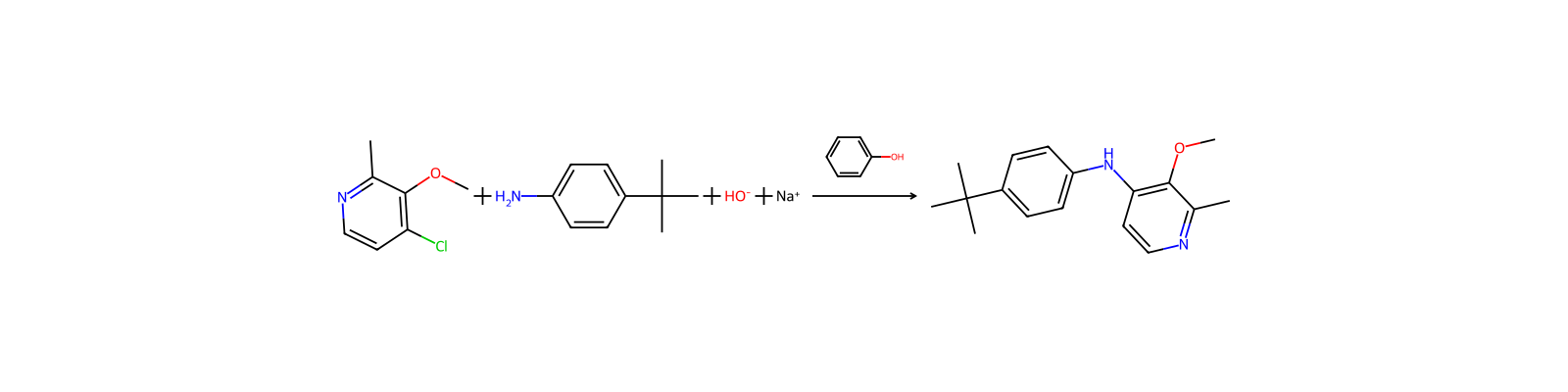
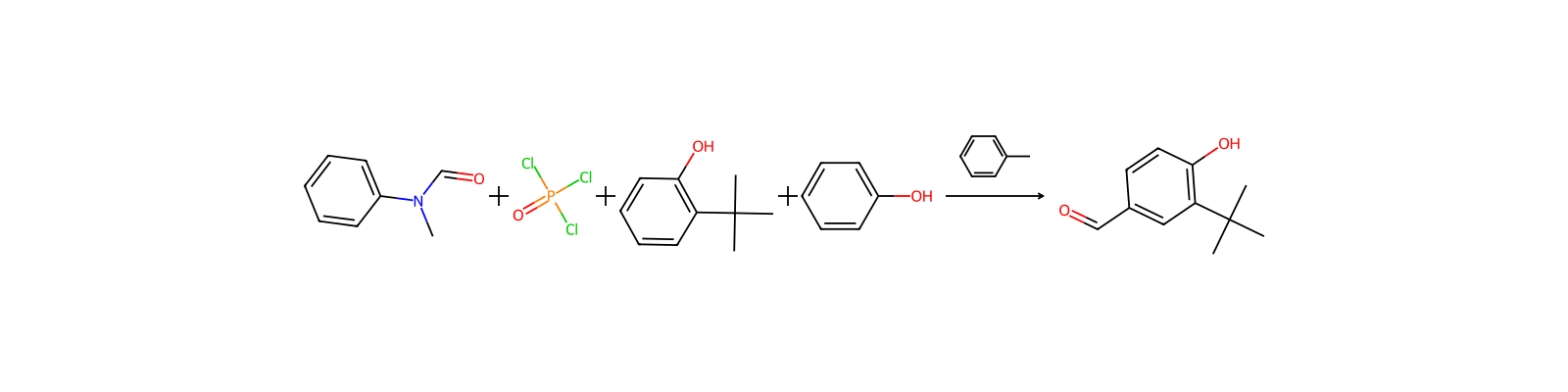
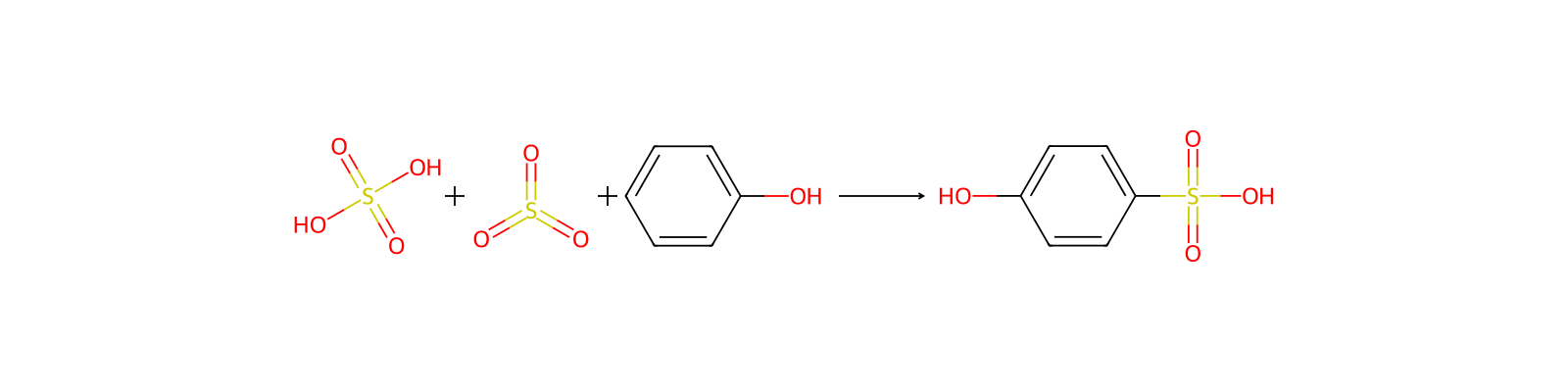
4,779건



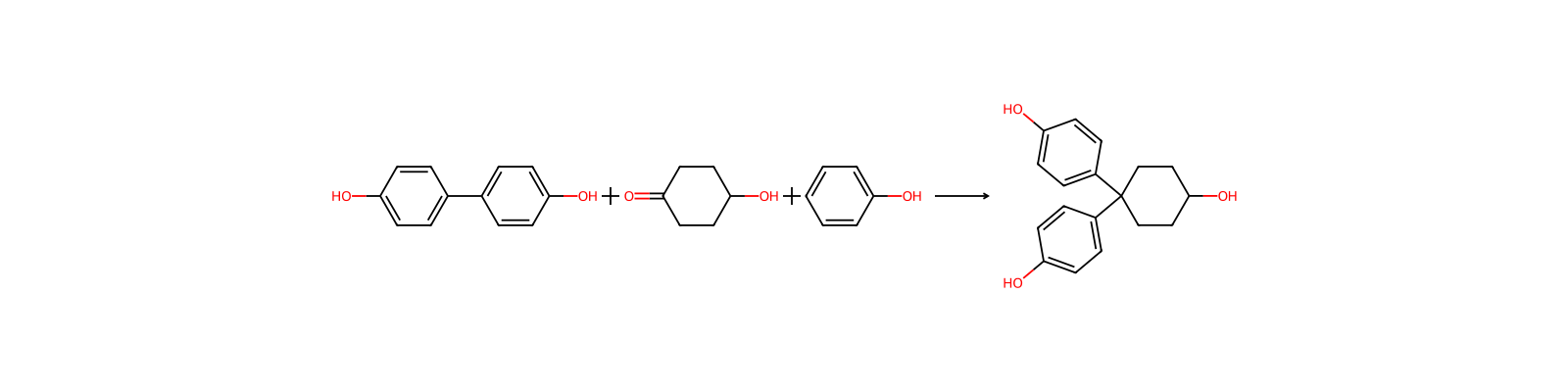
연결된 노트
불러오는 중…