Bisphenol A → Carbonic acid;4-[2-(4-hydroxyphenyl)propan-2-yl]phenol
반응식

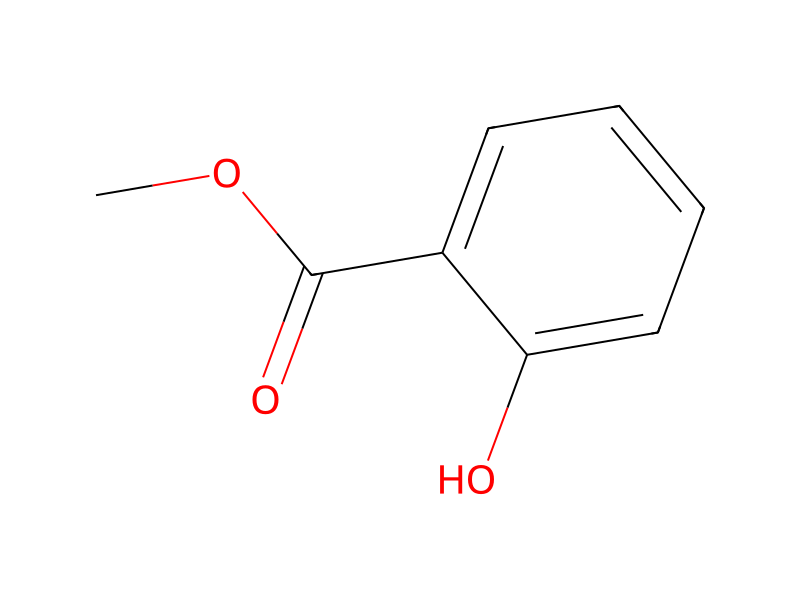
CCCCOP([O:13][CH2:14]CCC)(OCCCC)=O.[OH-:18].[Na+].[CH3:20][C:21]([C:30]1[CH:31]=[CH:32][C:33]([OH:36])=[CH:34][CH:35]=1)([C:23]1[CH:24]=[CH:25][C:26]([OH:29])=[CH:27][CH:28]=1)[CH3:22]>C(OC)(=O)C1C(=CC=CC=1)O>[CH3:22][C:21]([C:23]1[CH:28]=[CH:27][C:26]([OH:29])=[CH:25][CH:24]=1)([C:30]1[CH:35]=[CH:34][C:33]([OH:36])=[CH:32][CH:31]=1)[CH3:20].[C:14]([OH:13])([OH:29])=[O:18]참가 물질
5




실험 절차
Solutions of oligomeric bisphenol A polycarbonate in methyl salicylate were prepared as in Examples 1-5 at an equilibration temperature of about 160° C. using as a catalyst either TBPA alone (as in Examples 1-5) or a combination of TBPA with sodium hydroxide. The amount of catalyst employed was 2.5×10⁻⁴ moles TBPA per mole BPA and (when present) 2×10⁶ moles sodium hydroxide per mole BPA. Following the equilibration reaction, the solution was transferred by means of nitrogen pressure (about 80 psi) to a gear pump which pumped the solution via an insulated pipe connected directly (hard plumbed) to the upstream edge of barrel one of a 25 millimeter diameter, 14 barrel, co-rotating intermeshing twin screw extruder having a length to diameter ratio of 56. The extruder comprised 6 vents V1-V6 located at the upstream edges of barrel four (V1, vacuum or atmospheric vent), barrel five (V2, optionally closed but at times operated as atmospheric or vacuum vent), barrel seven (V3, vacuum vent), barrel nine (V4, vacuum vent), barrel eleven (V5, vacuum vent) and barrel thirteen (V6, vacuum vent). Vent V1 was operated at atmospheric pressure or alternatively under a slight vacuum (5-10 in. Hg, as measured by a vacuum gauge). Vacuum vents V3 and V4 were operated at moderate vacuum (10-28 in. Hg). Vacuum vents V5 and V6 were operated at moderate to high (>29 in Hg) vacuum. When operated at slight to moderate vacuum (5-28 in Hg), vacuum was supplied to vents V2-V6 with “house” vacuum. In a number of instances, vacuum vent V6 or vacuum vents V5 together with V6 were operated under high (i.e. “full”) vacuum (˜29 in. Hg. as measured by a vacuum gauge). The vacuum vents were connected through solvent recovery manifold and condenser systems to their respective sources of vacuum. In instances in which either V6 alone or V5 and V6 were operated at “full” vacuum, the vent or vents being operated at “full” vacuum were connected via a cold trap to a vacuum pump. Vents V1 and V3-V6 were equipped with type “C” vent port inserts. Vent port inserts are available from the Werner & Pfleiderer Company. Vent port inserts differ in the cross sectional area available for the solvent vapors to escape the extruder: Type “A” inserts are the most restrictive (smallest cross section) and Type “C” are the east restrictive (largest cross section). As noted, V2 was kept closed in some instances and remained open in others. The screw design comprised conveying elements under the feed inlet and all vents. The screw design further comprised kneading blocks in four “reaction zones” (zones comprising screw elements providing intense mixing) located between vents. The four reaction zones were located between V2 and V3, between V3 and V4, between V4 and V5, and between V5 and V6 respectively. The data in Tables 2-5 below demonstrate the effects of changes in reaction conditions on the properties of the product polycarbonate.