홈MCP워크벤치Skills
홈워크벤치알림마이페이지
llms.txt · MCP 가이드개인정보처리방침 · 이용약관 · 지원v1.8.1
  1. 홈
  2. /화합물

수산화나트륨

Sodium Hydroxide

HCID 14798
새 반응
인쇄

데이터를 보충하는 중입니다. 잠시 후 페이지를 새로 고치면 최신 내용을 볼 수 있습니다

기본 정보개요이름 및 식별자물성안전 및 규제화학 및 산업관련 반응화합물 노트
부분 구조 검색유사 구조 찾기

기본 정보

CAS
1310-73-2
표준 SMILES
[Na+].[OH-]
InChIKey
HEMHJVSKTPXQMS-UHFFFAOYSA-M
분자식
HNaO
평균 분자량
39.997 g/mol
단동위원소 질량
39.99250893

개요

At room temperature, sodium hydroxide is a white crystalline odorless solid that absorbs moisture from the air. It is a manufactured substance. When dissolved in water or neutralized with acid it liberates substantial heat, which may be sufficient to ignite combustible materials. Sodium hydroxide is very corrosive. It is generally used as a solid or a 50% solution. Other common names include caustic soda and lye. Sodium hydroxide is used to manufacture soaps, rayon, paper, explosives, dyestuffs, and petroleum products. It is also used in processing cotton fabric, laundering and bleaching, metal cleaning and processing, oxide coating, electroplating, and electrolytic extracting. It is commonly present in commercial drain and oven cleaners.

이름 및 식별자

우선 이름
Sodium Hydroxide
IUPAC
sodium hydroxide
현지명
수산화나트륨
영어명
Sodium hydroxide
분자식
NaOH
분자량
39.99711

이름 및 동의어

SODIUM HYDROXIDECaustic soda1310-73-2Sodium hydrateAetznatronSoda lyeWhite causticSoda, causticNatriumhydroxidRohrputzPlungCollo-Grillrein
이름 더 보기
WHITE가성용액나트륨수산화물리퀴드히드록시나트륨용액가성소다,고체가성소다,과립상가성소다,용구가성소다,건조나트륨수산화물,고체나트륨수화물나트륨수산화물,건조고체,플레이크,용구,또는과립상소다알칼리액알칼리액화이트가성0.025N-수산화나트륨(0.025M)0.05N-수산화나트륨(0.05M)0.1N(0.1M)수산화나트륨0.25M수산화나트륨0.2N-수산화나트륨(0.2M)0.5N-수산화나트륨(0.5M)1N-수산화나트륨NaOHCaustic Soda flakesNaOH 28 (aq)Caustic soda pearlCAUSTIC FLAKESIODINE SOLUTIONSODIUM HYDROXIDE SOLUTION, 50% W/W, REAGENT GRADESODIUM HYDROXIDE SOLUTION, 50% W/W, REAGENT GRADESODIUM HYDROXIDE SOLUTION, 50% W/W, REAGENT GRADESODIUM HYDROXIDE SOLUTION, 50% W/W, REAGENT GRADE

물성

구조 계산 물성보충 중

극성 표면적
1 Ų
수소 결합 공여자 수
1
수소 결합 수용자 수
1
회전 가능 결합 수
0
무거운 원자 수
2
형식 전하
0
복잡도
2

실험 및 물리화학적 성질

Chemical Classes · 2건

Other Classes -> Bases

Corrosives

Cosmetics · 3건

Cosmetics ingredient -> Base; Buffering/pH Adjusting; Bulking/Viscosity; Conditioning/Emollient; Emulsifier; Flavor; Fragrance; Opacifying Agent; Other (Specify); Preservative/Stabilizer; Solvent

Cosmetic ingredients (Sodium Hydroxide) -> CIR (Cosmetic Ingredient Review)

Buffering; Denaturant

pH · 2건

Strongly alkaline (1 % solution)

pH of a 0.05% wt/wt solution about 12; 0.5% solution about 13; 5% solution about 14

SpringerMaterials Propertiesnuclear quadrupole moment
FragrancesFragrance Ingredient (Sodium hydroxide) -> IFRA transparency List
Pesticides · 2건

Herbicides

Active substance -> EU Pesticides database: Not approved

Odor... Odorless ...
TasteDetection - the minimum physical intensity detection by a subject where he or she is not required to identify the stimulus but just detect the existence of the stimulus - in water: 8.00X10⁻³ mol/L.
Food Additives

안전 및 규제

안전 정보는 참고용이며, 공급업체의 물질안전보건자료(SDS), 관련 법규 및 전문가 평가를 대체하지 않습니다.

GHS 분류

GHS Classification · 6건

Danger

H314: Causes severe skin burns and eye damage [Danger Skin corrosion/irritation]

P260, P264, P280, P301+P330+P331, P302+P361+P354, P304+P340, P305+P354+P338, P316, P321, P363, P405, and P501 (click each P-code to see the statement)

This chemical does not meet GHS hazard criteria for < 0.1% (4 of 6949) of reports.

Danger

H290 (47.5%): May be corrosive to metals [Warning Corrosive to Metals]

유해성 정보

Regulatory Information · 6건

Chemical: Sodium hydroxide (Na(OH))

Hazard Traits - Dermatotoxicity; Ocular Toxicity; Respiratory Toxicity

Regulation (EC) No 1831/2003 (amended)

Sodium hydroxide (Na(OH)) is listed on the EPA's Chemical Data Reporting (CDR) system. Manufacturers and importers of Sodium hydroxide (Na(OH)) are required to report information about their production and use of this chemical to the EPA under the Toxic Substances Control Act (TSCA). (40 eCFR Part 711)

2004/129/EC

REACH registered substance: Sodium hydroxide (EC: 215-185-5)

Other Safety InformationIMAP assessments - Sodium hydroxide (Na(OH)): Environment tier I assessment
DOT Label · 2건

Corrosive

Corrosive

Fire Hazards · 6건

Excerpt from ERG Guide 154 [Substances - Toxic and/or Corrosive (Non-Combustible)]:

Excerpt from ERG Guide 154 [Substances - Toxic and/or Corrosive (Non-Combustible)]:

· Non-combustible, substance itself does not burn but may decompose upon heating to produce corrosive and/or toxic fumes.

· Non-combustible, substance itself does not burn but may decompose upon heating to produce corrosive and/or toxic fumes.

· Non-combustible, substance itself does not burn but may decompose upon heating to produce corrosive and/or toxic fumes.

화학 및 산업

약리 정보

PharmacodynamicsSodium Hydroxide 10% forms a strongly alkaline and caustic solution. As a caustic agent, it is used to destroy organic tissue by chemical action.
Mechanism of Action · 1건

Because of its high-level alkalinity, sodium hydroxide in aqueous solution directly causes bond breakage in proteins (especially disulfide bridges). Hair and fingernails are found to be dissolved after 20 hours of direct contact with sodium hydroxide at pH values higher than 9.2. Sodium hydroxide has depilatory effects which have been described after accidental contact with solutions in the workplace. The breakage of bonds in proteins may lead to severe necrosis to the application site. The level of corrosion depends on the period of contact with the tissue, and on the concentration of sodium hydroxide.

MeSH Pharmacological Classification · 1건

Strong alkaline chemicals that destroy soft body tissues resulting in a deep, penetrating type of burn, in contrast to corrosives, that result in a more superficial type of damage via chemical means or inflammation. Caustics are usually hydroxides of light metals. SODIUM HYDROXIDE and potassium hydroxide are the most widely used caustic agents in industry. Medically, they have been used externally to remove diseased or dead tissues and destroy warts and small tumors. The accidental ingestion of products (household and industrial) containing caustic ingredients results in thousands of injuries per year.

Absorption, Distribution and Excretion · 3건

There are no quantitative data for the absorption of sodium hydroxide through the skin. Solutions which contain 50 % sodium hydroxide have been shown to be corrosive and lethal when applied dermally to mice.

ALKALIS PENETRATE SKIN SLOWLY.

Ammonium hydroxide penetrates fastest, followed by sodium hydroxide, potassium hydroxide, and finally calcium hydroxide.

용도 및 제조

Uses · 6건

CIR ingredient: Sodium Hydroxide

관련 반응

101,726건
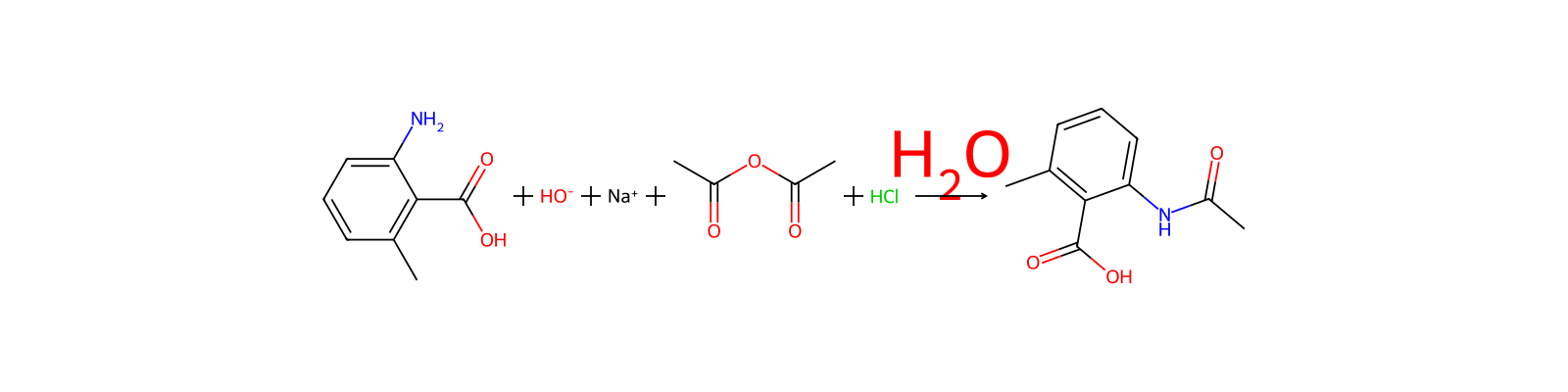
반응 기록 만들기
HRID 516 반응식
HRID 516시약으로750 AstraZeneca ELN dataset
HRID 804 반응식
HRID 804반응물로uspto-grants-1998_03
HRID 806 반응식
HRID 806용매로uspto-grants-1998_03
HRID 811 반응식
HRID 811반응물로uspto-grants-1998_03
HRID 836 반응식
HRID 836반응물로uspto-grants-1998_03
HRID 850 반응식
HRID 850반응물로uspto-grants-1998_03
HRID 867 반응식
HRID 867반응물로uspto-grants-1998_03
HRID 899 반응식
HRID 899반응물로uspto-grants-1998_03
이전1 / 12716 페이지

화합물 노트

이 페이지에서기본 정보개요이름 및 식별자물성안전 및 규제화학 및 산업관련 반응화합물 노트
Collo-TapettaFuers RohrRohrreiniger RofixHydroxyde de sodiumSodium hydroxide (Na(OH))NatriumhydroxydeSoda, hydrateSodium hydroxide dimer

데이터베이스 식별자

CAS
1310-73-2、81133-20-2
PubChem CID
14798
DTXSID
DTXSID0029634
ChEMBL
CHEMBL2105794
ChEBI
CHEBI:32145
UNII
55X04QC32I
EC Number
215-185-5、688-015-4
Nikkaji
J44.032I
· 1건

COLOR OR COLORING ADJUNCT, DOUGH STRENGTHENER, FLAVOR ENHANCER, FLAVORING AGENT OR ADJUVANT, FLOUR TREATING AGENT, FUMIGANT, OXIDIZING OR REDUCING AGENT, PH CONTROL AGENT, PROCESSING AID, WASHING OR SURFACE REMOVAL AGENT -> FDA Substance added to food

Density · 6건

1.5 at 68 °F (USCG, 1999) - Denser than water; will sink

2.13 at 68 °F (USCG, 1999) - Denser than water; will sink

2.13 g/cu cm 25 °C

70-73 % solution: MP 62 °C; Density = 2.0 at 15.5 °C

2.1 g/cm³

2.13

Viscosity4.0 cP at 350 °C
Color/Form · 3건

White, orthogonal crystals

Colorless to white ... solid (flakes, beads, granular form).

Brittle, white, translucent crystalline solid

물리화학적 성질

녹는점
681 °C · 681 °C(lit.)
끓는 점
1390 °C · 1390°C
밀도
1.515 g/mL · 1.515 g/mL at 20 °C
증기 밀도
1 · <1 (vs air)
증기압
1 mm · 1 mm Hg ( 745 °C)
굴절률
1 · 1,473-1,475
인화점
176 · 176-178°C
저장 조건
room temp
용해도
2 O: · H2O: 1 M at 20 °C, 투명, 무색
물리적 상태
염주
색상
하얀색
Specific Gravity
2.13 · 2.13
수소이온지수(pH)
10.98 · 10.98(1 mM solution);11.95(10 mM solution);12.88(100 mM solution);
냄새
냄새 없는
수용성
녹는
비열
1.49 J/ · Cp(crystal): 1.49 J/(g·K); Cp(gas): 1.2 J/(g·K), at 25℃
Merck
14 · 14,8627
Dielectric constant
57.5 · 57.5(25℃)
안정성
흡습성
화장품 원료 기능
변성제버퍼링
InChI
1S/Na.H2O/h;1H2/q+1;/p-1
InChIKey
HEMHJVSKTPXQMS-UHFFFAOYSA-M
SMILES
[OH-].[Na+]
NIST
Sodium hydroxide(1310-73-2)
EPA
Sodium hydroxide (1310-73-2)
화학적 성질 · 1건

Sodium hydroxide, NaOH,also referred to as caustic soda or sodium hydrate(and formerly known as lye), is a white,massive, deliquescent crystalline solid that is soluble in water,alcohol, and glycerol. It melts at 318°C (606 OF) and is the most widely used and available alkaline chemical. Most sodium hydroxide is produced as a coproduct of chlorine through the use of electrolytic cells;the cells are of the diaphragm, mercury, or membrane type. Some sodium hydroxide is marked as produced in the cells;most is evaporated and sold as 50% and 73% solutions or as anhydrous beads. Most caustic end uses require solutions of relatively low concentrations. Caustic soda is used as an analytical reagent and chemical intermediate, in scouring and cleaning baths,in rubber reclaiming and petroleum refining, in quenching baths for heat treating of steel,in cutting and soluble oils,in soaps and detergents, and in a wide variety of other applications.

· Non-combustible, substance itself does not burn but may decompose upon heating to produce corrosive and/or toxic fumes.

Fire PotentialNot combustible.
Health Hazards · 6건

Causes severe burns of eyes, skin, and mucous membranes. (USCG, 1999)

Strong corrosive action on contacted tissues. INHALATION: dust may cause damage to upper respiratory tract and lung itself, producing from mild nose irritation to pneumonitis. INGESTION: severe damage to mucous membranes; severe scar formation or perforation may occur. EYE CONTACT: produces severe damage. (USCG, 1999)

· TOXIC and/or CORROSIVE; inhalation, ingestion or skin contact with material may cause severe injury or death.

· TOXIC and/or CORROSIVE; inhalation, ingestion or skin contact with material may cause severe injury or death.

· TOXIC and/or CORROSIVE; inhalation, ingestion or skin contact with material may cause severe injury or death.

· TOXIC and/or CORROSIVE; inhalation, ingestion or skin contact with material may cause severe injury or death.

Hazards Summary · 2건

At room temperature, sodium hydroxide is a white crystalline odorless solid that absorbs moisture from the air. It is a manufactured substance. When dissolved in water or neutralized with acid it liberates substantial heat, which may be sufficient to ignite combustible materials. Sodium hydroxide is very corrosive. It is generally used as a solid or a 50% solution. Other common names include caustic soda and lye. Sodium hydroxide is used to manufacture soaps, rayon, paper, explosives, dyestuffs, and petroleum products. It is also used in processing cotton fabric, laundering and bleaching, metal cleaning and processing, oxide coating, electroplating, and electrolytic extracting. It is commonly present in commercial drain and oven cleaners.

Liquid causes second or third degree burns after short contact; [CHRIS] In studies using rabbits, instillation by oral intubation caused within 10 seconds: erosion into the stomach muscle with 12% solutions; perforation with 28% solutions; and no damage with 1% solutions. Application to the skin of a 5% solution caused severe necrosis after 4 hours. Application of a 1% solution to the eyes caused no damage if the eyes were immediately irrigated. [ACGIH] Solutions > 30% are highly corrosive to skin. [Quick CPC] Inhalation of the aerosol can cause pulmonary edema. [ICSC]

DOT ID and Guide · 6건

1824 154

1823 154

1824 154

1823 154

1823 154(dry, solid)

1824 154(solution)

FDA Requirements · 2건

Substance added directly to human food affirmed as generally recognized as safe (GRAS).

Sodium hydroxide used as a general purpose food additive in animal drugs, feeds, and related products is generally recognized as safe when used in accordance with good manufacturing or feeding practice.

Reactive Group · 2건

Bases, Strong

Bases, Strong

EC ClassificationSymbol: C; R: 35; S: (1/2)-26-37/39-45
UN ClassificationUN Hazard Class: 8; UN Pack Group: II

안전 및 보호

Fire Fighting · 3건

Excerpt from ERG Guide 154 [Substances - Toxic and/or Corrosive (Non-Combustible)]:

Excerpt from ERG Guide 154 [Substances - Toxic and/or Corrosive (Non-Combustible)]:

In case of fire in the surroundings, use appropriate extinguishing media.

First Aid Measures · 4건

Fresh air, rest. Refer immediately for medical attention.

Remove contaminated clothes. Rinse skin with plenty of water or shower for at least 15 minutes. Refer immediately for medical attention.

First rinse with plenty of water for several minutes (remove contact lenses if easily possible), then refer for medical attention.

Rinse mouth. Do NOT induce vomiting. If within a few minutes after ingestion, one small glass of water may be given to drink. Refer immediately for medical attention.

Accidental Release Measures · 6건

· CALL 911. Then call emergency response telephone number on shipping paper. If shipping paper not available or no answer, refer to appropriate telephone number listed on the inside back cover.

· ELIMINATE all ignition sources (no smoking, flares, sparks or flames) from immediate area.

· CALL 911. Then call emergency response telephone number on shipping paper. If shipping paper not available or no answer, refer to appropriate telephone number listed on the inside back cover.

· ELIMINATE all ignition sources (no smoking, flares, sparks or flames) from immediate area.

· CALL 911. Then call emergency response telephone number on shipping paper. If shipping paper not available or no answer, refer to appropriate telephone number listed on the inside back cover.

· ELIMINATE all ignition sources (no smoking, flares, sparks or flames) from immediate area.

First Aid · 6건

(Act quickly)

Excerpt from NIOSH Pocket Guide for Sodium hydroxide:

General First Aid:

General First Aid:

General First Aid:

General First Aid:

Safe StorageSeparated from food and feedstuffs, strong acids and metals. Store only in original container. Dry. Well closed. Store in an area without drain or sewer access.
Exposure Control and Personal Protection · 4건

· Wear positive pressure self-contained breathing apparatus (SCBA).

· Wear positive pressure self-contained breathing apparatus (SCBA).

· Wear positive pressure self-contained breathing apparatus (SCBA).

· Wear positive pressure self-contained breathing apparatus (SCBA).

Fire Fighting Procedures · 2건

Extinguish fire using agent suitable for surrounding fire. Use water spray to keep fire-exposed containers cool.

If material on fire or involved in fire: Extinguish fire using agent suitable for type of surrounding fire. (Material itself does not burn or burns with difficulty.) Use "alcohol" foam, dry chemical or carbon dioxide. Keep run-off water out of sewers and water sources.

Storage Conditions · 3건

CONTAINERS SHOULD BE STORED IN ROOMS WITH TRAPPED FLOOR DRAINS TOWARDS WHICH FLOORS SHOULD BE SLANTED. WHERE FLOOR DRAINS ARE NOT PROVIDED, CURBS OR DRAINED GUTTER, COVERED WITH ... GRILL, SHOULD BE CONSTRUCTED @ DOOR OPENINGS.

Volumetric sodium hydroxide soln used in laboratory must be protected from air to avoid formation of carbonate.

Store in a cool, dry, well-ventilated location. Separate from organic and oxidizing materials, acids, metal powders. Immediately remove and properly dispose of any spilled material.

Cleanup Methods · 5건

On/in soil (solid): Construct barriers to convert or divert to impervious surface. Promptly shovel into steel containers.

Soil, Liquid: Absorb small amounts of spill with sand, vermiculite or other inert absorbant material; Shovel into steel containers. May also remove material with vacuum equipment.

Environment considerations - Land spill:: Dig a pit, pond, lagoon, or holding area to contain liquid or solid material. Dike surface flow using soil, sand bags, foamed polyurethane, or foamed concrete. Absorb bulk liquid with fly ash of cement powder.

Environmental considerations - Water spill: Use natural barriers or oil spill control booms to limit spill travel. Neutralize with dilute acid.

For more Cleanup Methods (Complete) data for SODIUM HYDROXIDE (6 total), please visit the HSDB record page.

Nonfire Spill Response · 2건

Excerpt from ERG Guide 154 [Substances - Toxic and/or Corrosive (Non-Combustible)]:

Excerpt from ERG Guide 154 [Substances - Toxic and/or Corrosive (Non-Combustible)]:

Disposal Methods · 4건

SRP: The most favorable course of action is to use an alternative chemical product with less inherent propensity for occupational harm/injury/toxicity or environmental contamination. Recycle any unused portion of the material for its approved use or return it to the manufacturer or supplier. Ultimate disposal of the chemical must consider: the material's impact on air quality; potential migration in soil or water; effects on animal and plant life; and conformance with environmental and public health regulations.

Following neutralization either at the spill site or at a waste management facility, the resultant sludge can be disposed of in a secure landfill.

SRP: Wastewater from contaminant suppression, cleaning of protective clothing/equipment, or contaminated sites should be contained and evaluated for subject chemical or decomposition product concentrations. Concentrations shall be lower than applicable environmental discharge or disposal criteria. Alternatively, pretreatment and/or discharge to a permitted wastewater treatment facility is acceptable only after review by the governing authority and assurance that "pass through" violations will not occur. Due consideration shall be given to remediation worker exposure (inhalation, dermal and ingestion) as well as fate during treatment, transfer and disposal. If it is not practicable to manage the chemical in this fashion, it must be evaluated in accordance with EPA 40 CFR Part 261, specifically Subpart B, in order to determine the appropriate local, state and federal requirements for disposal.

Put into large vessel containing water. Neutralize with HCL /hydrochloric acid/. Discharge into the sewer with sufficient water. Recommendable methods: Neutralization & discharge to sewer. Peer review: Dilute greatly (< pH 9) before discharge. (Peer-review conclusions of an IRPTC expert consultation (May 1985))

Spillage Disposal · 1건

Personal protection: chemical protection suit including self-contained breathing apparatus. Do NOT let this chemical enter the environment. Sweep spilled substance into covered plastic containers. Carefully collect remainder. Then store and dispose of according to local regulations.

독성 정보

Toxicological InformationRanking: 394 (total points: 551.42999999999995)
Interactions · 5건

An experimental study was conducted to investigate the effects of erythropoietin on the acute phase of esophageal burn damage induced by sodium hydroxide. A standard esophageal alkaline burn was produced by the application of 10% sodium hydroxide to the distal esophagus in an in vivo rat model. Fifty-six female rats were allocated into three groups: Group BC (baseline control, n = 8) rats were uninjured and untreated, Group PC (positive control, n = 24) rats were injured but untreated and Group EPO (erythropoietin-treated, n = 24) rats were injured and given subcutaneous erythropoietin (1,000 IU/kg per day), 15 min, 24, and 48 hr after administration of the NaOH solution. Six animals from Group PC and six from Group EPO were killed at 4, 24, 48, and 72 hr after application of NaOH to the esophagus. All of animals in Group BC were killed 4 hr after exposure to 0.9% NaCl. Oxidative damage was assessed by measuring levels of malondialdehyde (MDA) and nitric oxide (NO), and activities of superoxide dismutase (SOD) and catalase (CAT) in homogenized samples of esophageal tissue. Histologic damage to esophageal tissue was scored by a single pathologist blind to groups. MDA levels in the BC and EPO groups were significantly lower than those in the PC group (p < 0.05). CAT and SOD activities, and NO levels in the BC and EPO groups were significantly higher than in the PC group (p < 0.05). Esophageal tissue damage measured at 4, 24, 48, and 72 hr after NaOH application was significantly less in the EPO group than in the PC group (p < 0.05). When administered early after an esophageal burn induced by 10% sodium hydroxide in this rat model, erythropoietin significantly attenuated oxidative damage, as measured by biochemical markers and histologic scoring.

SRP4: Interacts with acid salts to form bases.

... Esophageal burns were induced in male rats by the administration of 10% sodium hydroxide. Lipid peroxidation (LPO) products were then measured at the following times: 0, 1, 6, 24, 48 and 72 hr after treatment. Tissue hydroxyproline (HP) concentrations in the injured area were assessed at 14 days after the administration of sodium hydroxide. The groups received either systemic melatonin or normal saline. There were two, non-ischemic, sham control groups treated with or without melatonin. LPO products, malondialdehyde (MDA) and 4-hydroxyalkenal (4-HDA), increased immediately after the administration of sodium hydroxide; this indicates the participation of free radicals in the development of damage. Melatonin diminished the oxidative response and the amount of HP in the late phase of the lesion. Melatonin reduced oxidative damage in the early phase of the esophageal burns induced by sodium hydroxide.

/SRP: Experimental/ The gastric damaging effects of necrotizing concn of sodium hydroxide were strongly reduced by paracetamol. ... Paracetamol might be protective by stimulating the biosynthesis of prostaglandins in the stomach wall.

For more Interactions (Complete) data for SODIUM HYDROXIDE (6 total), please visit the HSDB record page.

Target OrgansEyes, skin, respiratory system
Ecotoxicity Values · 5건

EC50; Species: Ceriodaphnia dubia (Water Flea) age <24 hr neonate; Conditions: freshwater, static, 23 °C; Concentration: 40380 ug/L for 48 hr (95% confidence interval: 34590-47130 ug/L); Effect: intoxication, immobilization /100% purity/

LC50; Species: Carassius auratus (Goldfish); Conditions: freshwater, static; Concentration: 160000 ug/L for 24 hr

LC100; Species: Cyprinus carpio; Concentration: 180 ppm for 24 hr at 25 °C /Conditions of bioassay not specified in source examined/

LC50; Species: Poecilia reticulata (Guppy) age 3-4 week young organisms; Conditions: saltwater, renewal, 24 °C, pH >9.8-<10.0, salinity 2.8%, dissolved oxygen > or =70% saturated; Concentration: 209000 ug/L for 24 hr (95% confidence interval: 153000-286000 ug/L) /98.6% purity/

For more Ecotoxicity Values (Complete) data for SODIUM HYDROXIDE (6 total), please visit the HSDB record page.

Environmental Fate · 1건

AQUATIC FATE: In the case of a solid, anhydrous sodium hydroxide spill on soil, ground water pollution will occur if precipitation occurs prior to clean up. Precipitation will dissolve some of the solid (with much heat given off) and create an aqueous solution of sodium hydroxide, which then would be able to infiltrate the soil. However, prediction of the concentration and properties of the solution produced would be difficult.

Adverse EffectsDermatotoxin - Skin burns.
Exposure Routes · 2건

Serious local effects by all routes of exposure.

inhalation, ingestion, skin and/or eye contact

Toxicity Summary · 2건

The CIR Expert Panel concluded that ... Sodium Hydroxide is safe in hair straighteners and depilatories under conditions of recommended use; users should minimize skin contact.  These ingredients are safe for all other present practices of use and concentration described in this safety assessment when formulated to be nonirritating.

Safe for use in cosmetics, with qualifications

Ecotoxicity Excerpts · 2건

/AQUATIC SPECIES/ Concentration 20-100 mg/L in water kills some species of aquatic wildlife due to increase in pH.

/AQUATIC SPECIES/ Chronic exposure of guppies to sodium hydroxide (> or =25 mg/L) decreased their survival rate and weight gain, and caused either late or premature sexual maturity resulting in decreased fertility.

Signs and Symptoms · 5건

Cough. Sore throat. Burning sensation. Shortness of breath.

Redness. Pain. Serious skin burns. Blisters.

Redness. Pain. Blurred vision. Severe burns.

Abdominal pain. Burns in mouth and throat. Burning sensation in the throat and chest. Nausea. Vomiting. Shock or collapse.

irritation eyes, skin, mucous membrane; pneumonitis; eye, skin burns; temporary loss of hair

Effluent Concentrations · 1건

Estimated emissions of sodium hydroxide as one of the typical pollutants released from the synthetic organic chemical manufacturing industry (production/processing) may range from (unit process, product): alkylation, ethylbenzene, 1.9 to 21.5; condensation, polyethylene terephthalate, 0.065 to 23.1; dehydrogenation, isoprene, 0.5 to 19; dehydrohalogenation, vinylidene chloride, 45.5 to 605.5; polymerization, polyethylene terephthalate, 0.1 to 23.1 (all in g/kg produced)(1). The compound was spilled at an estimated 3,500 gallons into the Newark Bay on October 1991 from the Gist Brocades facility(2). Sodium hydroxide was involved in 2.6% of 6,928 chemical accidents in the US over a 5 year period up to 1985 at a reportable quantity of 2200 kg(3).

ICSC Environmental DataThis substance may be hazardous to the environment. Special attention should be given to aquatic organisms.

규제 정보

FDA Requirements · 2건

Substance added directly to human food affirmed as generally recognized as safe (GRAS).

Sodium hydroxide used as a general purpose food additive in animal drugs, feeds, and related products is generally recognized as safe when used in accordance with good manufacturing or feeding practice.

FIFRA Requirements · 4건

Residues of sodium hydroxide are exempted from the requirement of a tolerance when used in accordance with good agricultural practice as inert (or occasionally active) ingredients in pesticide formulations applied to growing crops or to raw agricultural commodities after harvest. Use: neutralizer. Limit: none.

Residues of sodium hydroxide are exempted from the requirement of a tolerance when used in accordance with good agricultural practice as inert (or occasionally active) ingredients in pesticide formulations applied to animals. Use: neutralizer. Limit: none.

The Agency has completed its review of all available information, and has determined that the data are sufficient to support reregistration of products containing sodium hydroxide. ... The Agency therefore finds that products containing sodium hydroxide as an active ingredient are eligible for reregistration. ... Although the Agency has found that certain products containing sodium hydroxide are eligible for registration, it should be understood that the Agency may take appropriate regulatory action, and/or require the submission of additional data to support the registration of products containing sodium hydroxide, if new information comes to the Agency's attention or if the data requirements for reregistration (or the guidelines for generating such data) change.

As the federal pesticide law FIFRA directs, EPA is conducting a comprehensive review of older pesticides to consider their health and environmental effects and make decisions about their continued use. Under this pesticide reregistration program, EPA examines newer health and safety data for pesticide active ingredients initially registered before November 1, 1984, and determines whether the use of the pesticide does not pose unreasonable risk in accordance to newer saftey standards, such as those described in the Food Quality Protection Act of 1996. Pesticides for which EPA had not issued Registration Standards prior to the effective date of FIFRA '88 were divided into three lists based upon their potential for human exposure and other factors, with List B containing pesticides of greater concern than those on List C, and with List C containing pesticides of greater concern than those on List D. Sodium hydroxide is found on List D. Case No: 4065; Pesticide type: fungicide, herbicide, antimicrobial; Case Status: RED Approved 09/92; OPP has made a decision that some/all uses of the pesticide are eligible for reregistration, as reflected in a Reregistration Eligibility Decision (RED) document .; Active ingredient (AI): sodium hydroxide; Data Call-in (DCI) Date(s): 09/30/92; AI Status: OPP has completed a Reregistration Eligibility Decision (RED) document for the case/AI.

CERCLA Reportable Quantities · 1건

Persons in charge of vessels or facilities are required to notify the National Response Center (NRC) immediately, when there is a release of this designated hazardous substance, in an amount equal to or greater than its reportable quantity of 1000 lb or 454 kg. The toll free number of the NRC is (800) 424-8802. The rule for determining when notification is required is stated in 40 CFR 302.4 (section IV.D.3.b).

Clean Water Act Requirements · 1건

Sodium hydroxide is designated as a hazardous substance under section 311(b)(2)(A) of the Federal Water Pollution Control Act and further regulated by the Clean Water Act Amendments of 1977 and 1978. These regulations apply to discharges of this substance. This designation includes any isomers and hydrates, as well as any solutions and mixtures containing this substance.

안전 데이터

OEL
Ceiling: 2 mg/m3
wgk
1
IDLA
10 mg/m3
tsca
TSCA listed
rtecs
TT2975000
ridadr
UN 1824 8/PG II/III (SODIUM HYDROXIDE SOLUTION)
독성
LD orally in rabbits: 500 mg/kg (10% soln) (Fazekas)
HS 번호
2815 11 00
risk_code
36/38-35-34
hazard_code
C,Xi
safety_code
26-45-37/39-24/25-36/37/39
포장분류
II
위험 등급
8
기존화학 물질
KE-31487
F 고인화성물질
8
Hazard Classifications
Eye Dam. 1Met. Corr. 1Skin Corr. 1A
스토리지 클래스
8B - Non-combustible corrosive hazardous materials
유해 물질 데이터
1310-73-2(Hazardous Substances Data)
함량 및 규제정보
물질구분: 유독물질; 혼합물(제품)함량정보: 수산화 나트륨 및 이를 5% 이상 함유한 혼합물
유해화학물질 필터링
97-1-136

Used to neutralize acids, produce sodium salts, hydrolyze fats to make soaps, and precipitate metals; large amounts are used in petroleum refining, rayon production, and rubber reclaiming; [Merck Index # 8627] Also used in metal cleaning, electroplating, processing cotton fabrics, and bleaching; [ATSDR Medical Management] Used in photography (developing bath); [www.ci.tucson.az.us/arthazards/medium.html] In semiconductor manufacturing, sodium hydroxide is used to develop the pattern in the photoresists and also as a wet echant. [CHS, p. 44-5] Caustic soda is used in hide preparation for leather production; [PMID 21938525]

Acid and Alkali Cleaning of Metals [Category: Clean]

Textile arts [Category: Hobbies]

Both oil base and water base fracturing fluids are being used in the fracturing industry. Water base, which includes alcohol-water mixtures and low strength acids, make up the majority of treating fluids. The common chemicals added to these fluids are polymers for viscosity development, crosslinkers for viscosity enhancement, pH control chemicals, gel breakers for polymer degradation following the treatment, surfactants, clay stabilizers, alcohol, bactericides, fluid loss additives and friction reducer. /Hydraulic fracturing/

Hydraulic fracturing uses a specially blended liquid which is pumped into a well under extreme pressure causing cracks in rock formations underground. These cracks in the rock then allow oil and natural gas to flow, increasing resource production. ... Chemical Name: Sodium hydroxide; Chemical Purpose: Adjusts the pH of fluid to maintain the effectiveness of other components, such as crosslinkers; Product Function: pH Adjusting agent.

ImpuritiesMajor impurities which are normally tested for are sodium chloride, sodium carbonate, sodium sulfate, sodium chlorate, iron, and nickel.
U.S. Exports · 4건

(1972) 1.1X10+12 GRAMS

(1975) 1.00X10+12 GRAMS

(1984) 1.14X10+12 g

1996: 2 million tons.

U.S. Imports · 4건

(1972) 9.53X10+10 GRAMS

(1975) 9.8X10+10 GRAMS

(1984) 4.78X10+11 g

1996: 540,000 tons

U.S. Production · 6건

2023: 20,000,000,000 - <25,000,000,000 lb

(1972) 9.27X10+12 GRAMS

(1975) 8.7X10+12 GRAMS

(1985) 9.24X10+12 g

(1990) 24.06 billion lb

For more U.S. Production (Complete) data for SODIUM HYDROXIDE (12 total), please visit the HSDB record page.

Consumption Patterns · 4건

51% IS CONSUMED IN CHEMICAL PROCESSING AND METAL PROCESSING OTHER THAN ALUMINUM; 6% FOR ALUMINUM PROCESSING; 18% IS USED IN PAPER AND PULP MANUFACTURE; 13% IS USED IN THE PETROLEUM, TEXTILE, SOAP, AND FOOD INDUSTRIES; 4% IS USED IN RAYON AND CELLOPHANE PRODUCTION; 8% IS USED IN OTHER APPLICATIONS (1974).

CHEMICAL PROFILE: Caustic soda. Organic Chemicals, 30%; Inorganic Chemicals, 20%; Pulp & Paper, 20%; Exports, 10%; Soaps and Detergents, 5%; Petroleum, 5%; Textiles, 4%; Alumina, 3%; Other, 3% (1986).

CHEMICAL PROFILE: Caustic soda. Pulp and paper, 22%; organic chemicals, 20%; inorganic chemicals, 11%; soaps and detergents, 7%; petroleum, 7%; water treatment, 7%; textiles, 5%; alumina, 4%; other, 9%; exports, 8%.

Direct application, 55% (pulp & paper, 24%; soaps and detergents, 10%; alumina, 6%; petroleum, 7%; textiles, 5%; water treatment, 5%; miscellaneous, 43%); organic chemicals 36% (propylene oxide, 23%; polycarbonates, 5%; ethyleneamines, 3%; epoxy resins, 3%; miscellaneous, 66%); inorganic chemicals, 9% (sodium/calcium hypochlorite, 24%; sulfur-containing compounds, 14%; sodium cyanide, 10%; miscellaneous 52%)

Consumer UsesAdhesion/cohesion promoter
Industry UsesSoil amendments (fertilizers)
Methods of Manufacturing · 5건

By reacting calcium hydroxide with sodium carbonate; from sodium chloride by electrolysis; from sodium metal and water vapor at low temperature.

Sodium hydroxide is produced industrially mainly by the electrolysis of sodium chloride. This yields sodium hydroxide solution, chlorine, and hydrogen in the mass ratios 1:0.88:0.025.

Solid sodium hydroxide (caustic soda) is obtained by evaporating sodium hydroxide solution until the water content is < 0.5 - 1.5 wt%. The most efficient utilization of energy is achieved with multistage equipment.

Causticization of sodium carbonate: A hot, ca. 12% solution of sodium carbonate is mixed with quicklime (CaO). The calcium carbonate that precipitates out is removed and the ca. 12% solution of sodium hydroxide is evaporated in several stages.

For more Methods of Manufacturing (Complete) data for SODIUM HYDROXIDE (6 total), please visit the HSDB record page.

Formulations/Preparations · 5건

Solid sodium hydroxide is supplied in the form of flakes, prills, cast blocks, and less commonly as tablets, briquettes, or granules.

Grades: commercial; ground; flake; beads; Food Chemical Codex grade; granulated (60% and 76% Na2O); rayon (low in iron, copper, and manganese); purified by alcohol (sticks, lumps, and drops); reagent; highest purity: CP, USP.

When kept in tight containers, the usual grades contain 97-98% sodium hydroxide.

Anhydrous (Rayon Grade) 99.0% minimum; Rayon Grade: 50% liquid; Regular Grade: 50% liquid, 47.7-51% purity.

For more Formulations/Preparations (Complete) data for SODIUM HYDROXIDE (8 total), please visit the HSDB record page.

Household Products · 2건

Cosmetics product ingredient: Sodium hydroxide

Information on 1896 consumer products that contain Sodium hydroxide in the following categories is provided:

Use Classification · 6건

EPA Safer Chemical Functional Use Classes -> Processing Aids and Additives

Safer Chemical Classes -> Green circle - The chemical has been verified to be of low concern

Food additives

Fragrance Ingredients

Food Additives -> ACIDITY_REGULATOR -> JECFA Functional Classes

Food Additives -> ACIDITY_REGULATOR -> JECFA Functional Classes

응용 분야 · 6건

용도바이오디젤 바이오디젤을 생산할 때 수산화 나트륨은 교환반응의 촉매로 사용된다. 물과 지방은 비누화반응을 일으키기 때문에 무수수산화나트륨만 이용할 수 있다. 더 싸고 적은 양이 필요하기 때문에 수산화 칼륨에 비해 자주 쓰인다. 마약 제조 수산화 나트륨은 메스암페타민이나 다른 마약을 제조하는 데 필수적인 물질이다. 언론에 널리 알려진 것과 다르게 이것은 제조 원료로서 들어가는 것은 아니며 단지 화학 반응상 pH를 조절하기 위한 강염기로 사용되는 것이다.

용도이것은 인견, 종이, 펄프, 비누, 합성섬유등의 제조를 위한 원료로 이용되고 있고, 산성의 처리제, 산성용액의 중화제로 사용되며 염료의 중간물, 향료, 농약, 의약품 제조, 유지의 정제에 사용된다. 식품 첨가물로서는 식품제조시 알칼리제, 중화제로 사용된다.

용도인견, 인조섬유, 셀로판, 합성섬유의 제조, 염료중간물, 향료, 의약품, 면사 및 면포의 정련, 유지의 정제, 비누등의 제조, 종이와 펄프제조, 석유 타르유정제, 알루미나, 각종 소다 염류의 제조, 물의 연화제, 알칼리 축전지의 전기분해액, 일반세정용, 중화, 분석용시약, 염료중간물, 농약, 악취제거 등

개요아세트산은 체내에서 당, 아미노산, 지방 등의 대사의 결과 생성되기도 한다. 알코올성 음료를 마시면 체내에 에탄올이 들어오게 되는데, 이는 알코올 수소이탈효소에 의하여 아세트알데하이드가 된다. 아세트알데하이드는 다시 알데하이드 수소이탈효소 등에 의해 아세트산으로 바뀌게 된다. 이렇게 해서 생성된 아세트산은 아세틸-CoA 등으로 바뀌어 TCA 회로에 투입되어 ATP 생산에 사용되거나 다른 대사과정에 사용된다.

용도Sodium hydroxide is one of the most important industrial chemicals. In volume, it is in the top ten chemicals produced in the United States. It is used in manufacturing a large number of compounds including several sodium salts, in treating cellulose for producing rayon and cellophane, and in manufacturing soaps, detergents, pulp, and paper. Sodium hydroxide is a common neutralizing agent for acids in acid-base titrations and petroleum refining. Another major application is extracting metals from their ores where alkali fusion, such as fusion with caustic soda, often is applied to open the ores. Additionally, sodium hydroxide is used to precipitate metals as hydroxides. Other uses are in reclaiming rubber, dissolving casein in plastics production, refining vegetable oils, processing textiles, as an eluant in ion chromatography, etching and electroplating, and as a laboratory reagent. Sodium hydroxide also is used as a strong base in many organic synthesis and base-catalyzed reactions.

일반 설명A white solid. Corrosive to metals and tissue. Used in chemical manufacturing, petroleum refining, cleaning compounds, drain cleaners.

제조 방법 · 1건

생산 방법Sodium hydroxide is manufactured by electrolysis of brine using inert electrodes. Chlorine is evolved as a gas at the anode and hydrogen is evolved as a gas at the cathode. The removal of chloride and hydrogen ions leaves sodium and hydroxide ions in solution. The solution is dried to produce the solid sodium hydroxide. A second method uses the Kellner–Solvay cell. Saturated sodium chloride solution is electrolyzed between a carbon anode and a flowing mercury cathode. In this case the sodium is produced at the cathode rather than the hydrogen because of the readiness of sodium to dissolve in the mercury. The sodium–mercury amalgam is then exposed to water and a sodium hydroxide solution is produced.

상·하류 제품 정보

상류 원료

Caustic Soda(liquid)30%-48%석회석산화칼슘(생석회)바륨 클로라이드 디하이드레이트염화칼슘염화나트륨Solid caustic soda삼브롬화붕소바륨 클로라이드칼슘 염화물, 헥사수화물폴리아크릴산소다탄산나트륨(경회)

하류 제품

Sodium pyroantimonate타르타르산 이나트륨 디히드레이트dibenzyl biphenyl polyoxyethylene etheradditive AC12102-(4,6-디아미노-1,3,5-트리아진-2-일)아세트산2', 3'-ribonucleotide3-(아세틸아미노)티오펜-2-카르복실산2-(1-Naphthalenyloxy)propanoic acid3-플루오로-4-히드록시벤즈알데히드emulsifier C^{8~10^} OPE-10thiourea-formaldehyde resin2-THIOPHENECARBOXYLIC ACID SODIUM SALT11-Oxahexadecan-16-olide4-메틸-2-페닐-1,3-티아졸-5-카르복실산C.I. 색소 적색 68DL-4-HYDROXY-3-METHOXYMANDELIC ACIDemulsifier SOPE-20dodecyl phenyl polyoxyethylene (12) ether6-AMINO-5-BROMOPYRIMIDIN-2(1H)-ONEC^{12~18^} fatty alcohol polyoxyethylene (35) etherAlkaline Treated Starchcastor oil poloxyethylene (30) ether디에틸바비틀산 나트륨산화코발트나트륨 젖산염Sodium isoamylxanthateSODIUM PHOSPHOTUNGSTATE2-히드록시-1-나프토산스트론튬하이드록사이드C^{8~9^} alkyl phenyl polyoxyethylene (18) ether퀴누클리다인 하이드로클로라이드소다림사플라워옐로우석산나트륨2,3-DIPHENYLPROPIONIC ACID나트륨O-이소부틸디티오카보네이트Peregal O-251-[(벤질옥시)카르보닐]피페리딘-4-카르복실산2-AMINO-4,6-DIMETHOXY-1,3,5-TRIAZINEBENZYL 1-PIPERAZINECARBOXYLATE
추가 설명 · 5건

순도시험(1) 용상 : 이 품목 50g을 새로 끓여서 식힌 물에 녹여 250mL로 하여 시험용액으로 한다. 이 액 5mL에 물 20mL를 가하여 섞을 때, 그 액은 무색으로서 탁도는 거의 징명 이하이어야 한다. (2) 탄산나트륨 : 정량법에서 얻은 탄산나트륨(Na2CO3)의 함량은 2% 이하이어야 한다. (3) 비소 : 이 품목을 비소시험법에 따라 시험할 때, 그 양은 4.0ppm 이하이어야 한다. (4) 납 : 「메타인산나트륨」의 순도시험 (2)에 따라 시험한다(0.5ppm 이하). (5) 수은 : 위 (1)의 시험용액 10mL를 취하여 과망간산칼륨용액(3→50) 1mL 및 물 약 30mL를 가해 흔들어 녹인다. 이 액에 정제염산을 서서히 가하여 중화하고 다시 황산(1→2) 5mL를 가하고 식힌 다음 이를 시험용액으로 한다. 다음 시험용액중의 과망간산칼륨의 자색이 없어지고 또 이산화망간의 침전이 녹을 때까지 염산히드록실아민용액(1→5)을 가한 다음 물을 가하여 100mL로 하고 원자흡광분석장치의 검수병에 넣는다. 다시 염화제일주석시액 10mL를 가하고 즉시 원자흡광분석장치를 연결하고 다이야푸람펌프를 작동시켜서 공기를 순환시켜 기록계의 지시가 급속히 상승하여 일정치를 나타낼 때의 흡광도는 수은표준용액 2mL, 과망간산칼륨용액(3→50) 1mL, 물 약 30mL 및 시험용액 처리에 사용한 양의 정제염산을 가하여 검체와 같이 조작하여 얻은 흡광도보다 커서는 아니 된다(0.1ppm 이하).

확인시험(1) 이 품목의 수용액(1→50)은 강알칼리성이다. (2) 이 품목의 수용액(1→25)은 확인시험법 중 나트륨염의 반응을 나타낸다.

정량법이 품목 약 50g을 정밀히 달아 새로 끓여서 식힌 물에 녹여 1,000mL로 하여 시험용액으로 한다. 그 중 25mL에 새로 끓여서 식힌 물 10mL를 가하고 브로모페놀블루시액 1mL를 지시약으로 하여 1N 염산으로 적정하여 중화점에 달하면 다시 1N 염산 약 1mL를 더 가하여 약 5분간 끓인 다음 식히고 0.1N 수산화나트륨용액으로 과잉의 산을 적정하여 1N 염산의 소비량 AmL를 구한다. 따로 시험용액 25mL를 공전플라스크에 취하여 새로 끓여서 식힌 물 25mL를 가하고 염화바륨시액 10mL를 가하여 마개를 막고 조용히 흔들어 섞어 페놀프탈레인시액 1mL를 지시약으로 하여 1N 염산을 적정하고 그 소비량을 BmL로 한다.

정의이 품목에는 결정물 및 무수물이 있고, 각각을 수산화나트륨(결정) 및 수산화나트륨(무수)이라 칭한다. 결정물은 수산화나트륨(무수)과 수산화나트륨(1수염)의 혼합물이다.

정의The most important commercial caustic.