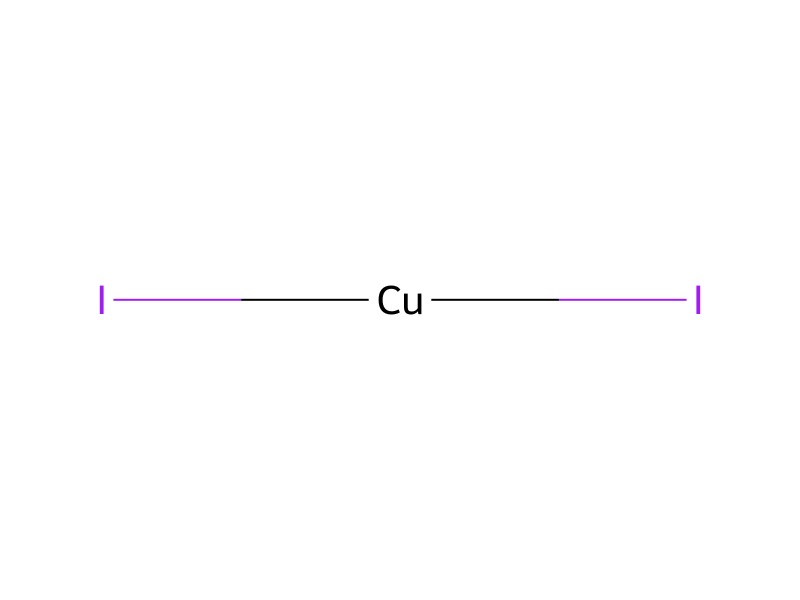
6-Iodoimidazo[1,2-a]pyridine (400 mg), tert-butyl 3-hydroxyazetidine-1-carboxylate (500 mg), and toluene (2 ml) were mixed, and copper iodide (I) (40 mg), 1,10-phenanthroline (60 mg), and cesium carbonate (1 g) were added thereto, followed by stirring at 100° C. overnight. CHCl3 and water were added to the reaction mixture, and the organic layer was dried over Na2SO4 and then concentrated under reduced pressure. The obtained residue was purified by silica gel column chromatography (CHCl3/MeOH). The purified product thus obtained was mixed with dichloromethane (5 ml), and TFA (1.5 ml) was added thereto, followed by stirring at room temperature for 3 hours. The reaction mixture was concentrated under reduced pressure, and the residue was purified by basic silica gel column chromatography (CHCl3/MeOH) to obtain 6-(azetidin-3-yloxy)imidazo[1,2-a]pyridine (189 mg).