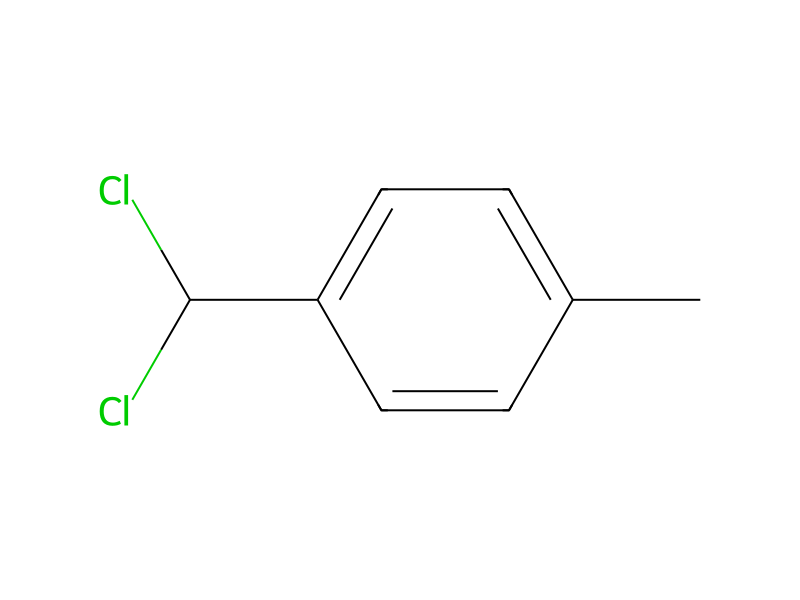
To a CH3CN (250 mL) solution of piperazine-1-carboxylic acid tert-butyl ester (19.8 g) and alpha,alpha-dichloro-p-xylene (18.6 g) was added DIPEA (18.5 mL) under a N2 atmosphere, then the resultant mixture was stirred at room temperature for 3 days. The reaction mixture was poured into saturated aqueous NaHCO3 (600 mL) and extracted with AcOEt (900 mL). The organic layer was washed with saturated aqueous NaCl (300 mL), dried over anhydrous MgSO4, and concentrated under reduced pressure. The residue was purified by silica gel column chromatography (n-hexane/AcOEt=3/1) to afford tert-butyl 4-[4-(chloromethyl)benzyl]piperazine-1-carboxylate (16.3 g) as a white powder.