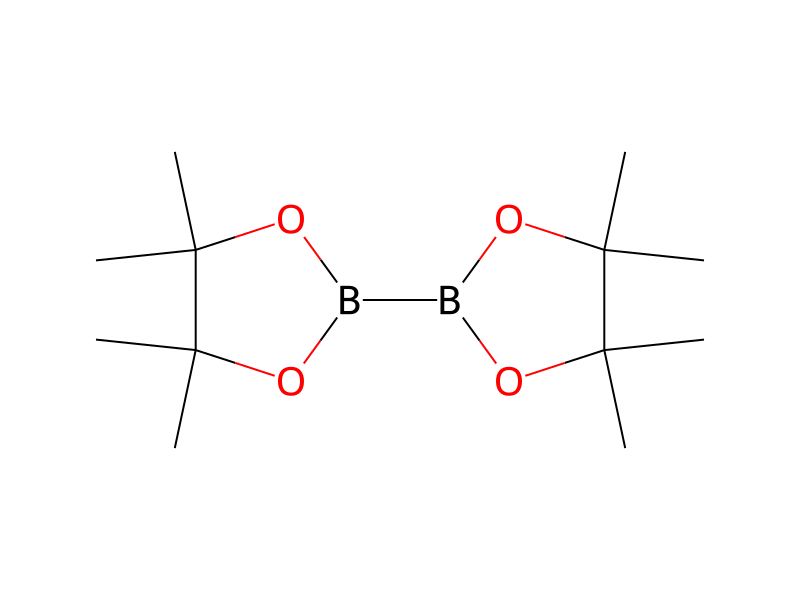
A microwave vessel was charged with potassium acetate (0.34 g, 3.46 mmol), [1,1′-bis(dppf)]dichloropalladium(II) complex with CH2Cl2 (0.038 g, 0.052 mmol), 4,4,4′,4′,5,5,5′,5′-octamethyl-2,2′-bi(1,3,2-dioxaborolane) (0.211 g, 0.831 mmol), 6-bromo-7-fluoro-3-morpholinoquinolin-2-amine (0.226 g, 0.693 mmol), and DMF (2.2 mL). The vessel was purged with argon, sealed, and heated by microwave radiation for 30 min at 125° C. The reaction was diluted with EtOAc (10 mL), and the suspension was filtered through celite rinsing with EtOAc. The filtrate was concentrated. The residue was purified by column chromatography on silica gel (25 mL) which had been deactivated with Et3N (2.5 mL) using 3% MeOH/DCM to afford 2-amino-7-fluoro-3-morpholinoquinolin-6-ylboronic acid.