Trifluoroacetic acid → 8-Phenyl-tetrahydroisoquinolin-7-ol
HRID 1039014
반응식

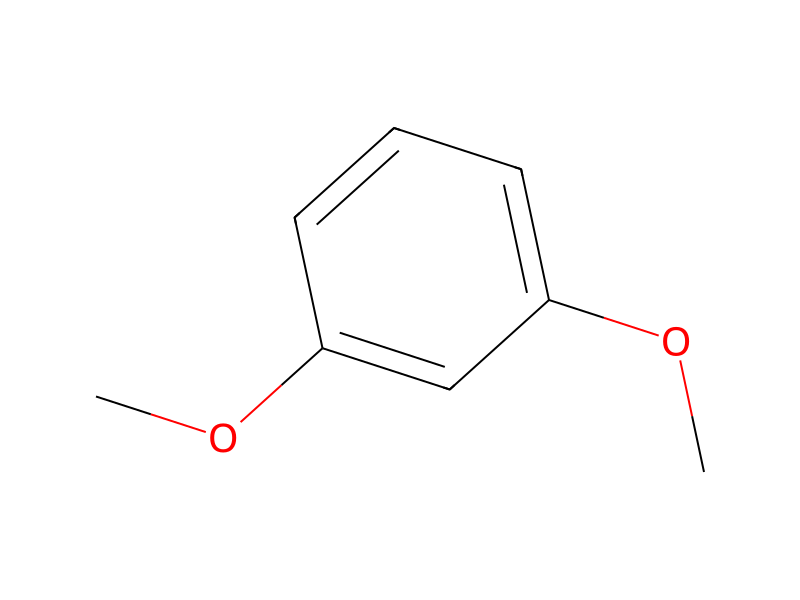
[CH2:1]1[C:10]2[C:5](=[CH:6][CH:7]=[C:8]([OH:11])[CH:9]=2)[CH2:4][CH2:3][NH:2]1.CO[C:14]1[CH:19]=[CH:18][CH:17]=[C:16](OC)[CH:15]=1.FC(F)(F)C(O)=O>C(O)(=O)C>[C:14]1([C:9]2[C:8]([OH:11])=[CH:7][CH:6]=[C:5]3[C:10]=2[CH2:1][NH:2][CH2:3][CH2:4]3)[CH:19]=[CH:18][CH:17]=[CH:16][CH:15]=1참가 물질
5




실험 절차
Scheme 1 (FIG. 1): Protection of the hydroxyl group in vanillin with benzyl bromide yielded aldehyde 1 is shown in Scheme 1. Henry reaction between aldehyde 1 and nitromethane gave nitrostyrene 2. Reduction of compound 2 with lithium aluminum hydride in tetrahydrofuran (THF) afforded amine 3. The reaction of amine 3 with an excess amount of methyl formate provided formamide 4. Cyclization of amide 4 using phosphorus oxychloride (POCl3) via Bischler-Napieralski reaction obtained 3,4-dihydroisoquinoline 5. Alkylation of compound 5 with iodopropane followed by NaBH4 reduction produced tetrahydroisoquinoline 6 in high yield. Catalytic hydrogenation over Pd/C removed the protective groups of 6 to afford 1,2,3,4-tetrahydroisoquinolin-7-ol 7 in quantitative yield. Treatment of compound 7 with Pb(OAc)4 in acetic acid followed by acid-catalyzed aromatic substitution with 1,3-dimethoxybenzene using trifluoroacetic acid (TFA) furnished 8-phenyl-tetrahydroisoquinolin-7-ol 8.