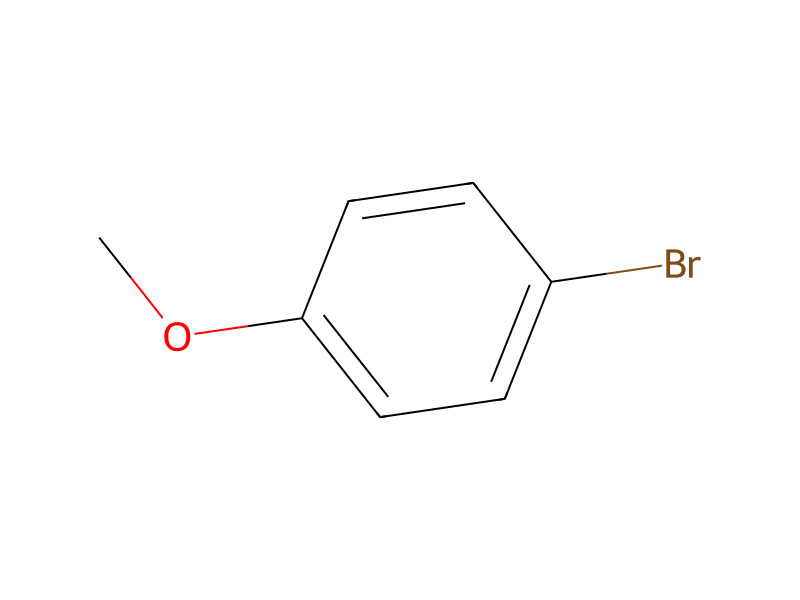
Nitrogen was bubbled through a mixture of 1-bromo-4-methoxybenzene (5.0 g, 26.8 mmol), 3-hydroxyphenylboronic acid (6.8 g, 49.6 mmol), aqueous potassium carbonate (2 M, 20 mL, 40 mmol), acetone (170 mL) and H2O (300 mL) for 5 minutes. Pd(OAc)2 (800 mg, 3.55 mmol) was added and the mixture was stirred under a nitrogen atmosphere at room temperature for 20 minutes, after which time LC-MS analysis showed the reaction to be complete. The reaction mixture was concentrated under vacuum then diluted with ethyl acetate (200 mL). The resulting suspension was filtered through a pad of celite, and the aqueous phase was then separated and extracted with EtOAc (2×100 mL). The combined organics were dried over MgSO4, filtered and concentrated to dryness under vacuum. The crude product was loaded onto a 340 g Biotage silica cartridge and purified by Biotage chromatography (eluting with iso-hexane/EtOAc, gradient 0 to 50%). The target compound 4′-methoxy-[1,1′-biphenyl]-3-ol was isolated as a white solid (5.66 g, 78% yield).