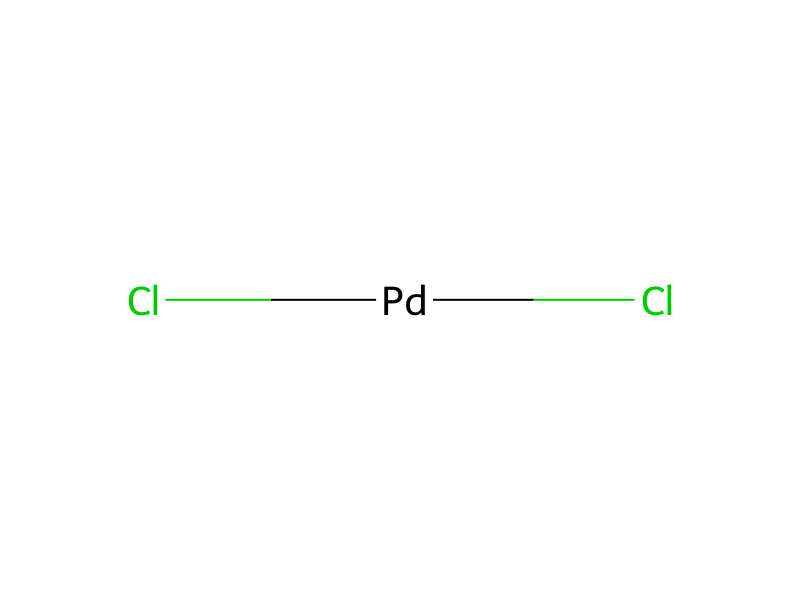
I[C:2]1[CH:7]=[CH:6][CH:5]=[CH:4][C:3]=1[O:8][CH3:9].[CH3:10][C:11]([CH3:23])([O:14][C:15]1[CH:22]=[CH:21][C:18]([C:19]#[N:20])=[CH:17][CH:16]=1)[C:12]#[CH:13]>C(NCC)C.[Pd](Cl)Cl.[Cu]I.C1(P(C2C=CC=CC=2)C2C=CC=CC=2)C=CC=CC=1>[CH3:10][C:11]([CH3:23])([O:14][C:15]1[CH:16]=[CH:17][C:18]([C:19]#[N:20])=[CH:21][CH:22]=1)[C:12]#[C:13][C:2]1[CH:7]=[CH:6][CH:5]=[CH:4][C:3]=1[O:8][CH3:9]2.34 g of 2-iodoanisole were added at room temperature to a solution of 9 mg of palladium(II) chloride, 26 mg of triphenylphosphine and 19 mg of copper(I) iodide in 25 ml of diethylamine. This mixture was treated with 1.85 g of 4-(1,1-dimethyl-2-propynyloxy)benzonitrile and the resulting mixture was stirred for 48 hours. The mixture was evaporated and the residue was dissolved in a mixture of ethyl acetate and water. The organic phase was separated, dried over sodium sulphate and evaporated. The residue was chromatographed on silica gel using ethyl acetate/petroleum ether (1:4) for the elution to give 0.99 g of 4-[1,1-dimethyl-3-(2-methoxyphenyl)-2-propynyloxy]benzonitrile in the form of an oil.