Benzyl 4-Hydroxybenzoate → Benzoic acid, 4-(phenylmethoxy)-, phenylmethyl ester
반응식

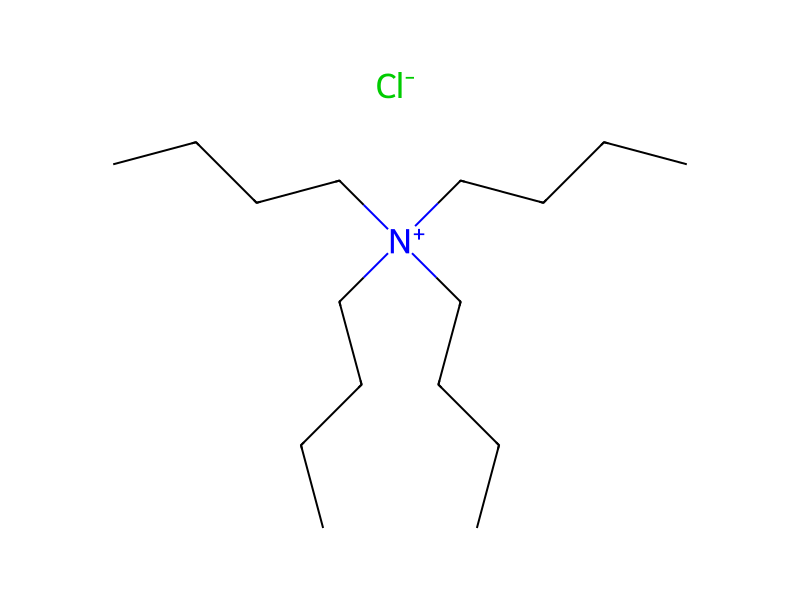
OC1C=CC(C([O-])=O)=CC=1.[Na+].[CH2:12](Cl)[C:13]1[CH:18]=[CH:17][CH:16]=[CH:15][CH:14]=1.C1(C)C(C)=CC=CC=1.[OH:28][C:29]1[CH:44]=[CH:43][C:32]([C:33]([O:35][CH2:36][C:37]2[CH:42]=[CH:41][CH:40]=[CH:39][CH:38]=2)=[O:34])=[CH:31][CH:30]=1>[Cl-].C([N+](CCCC)(CCCC)CCCC)CCC.C(C(C)=O)C>[CH2:12]([O:28][C:29]1[CH:44]=[CH:43][C:32]([C:33]([O:35][CH2:36][C:37]2[CH:42]=[CH:41][CH:40]=[CH:39][CH:38]=2)=[O:34])=[CH:31][CH:30]=1)[C:13]1[CH:18]=[CH:17][CH:16]=[CH:15][CH:14]=1