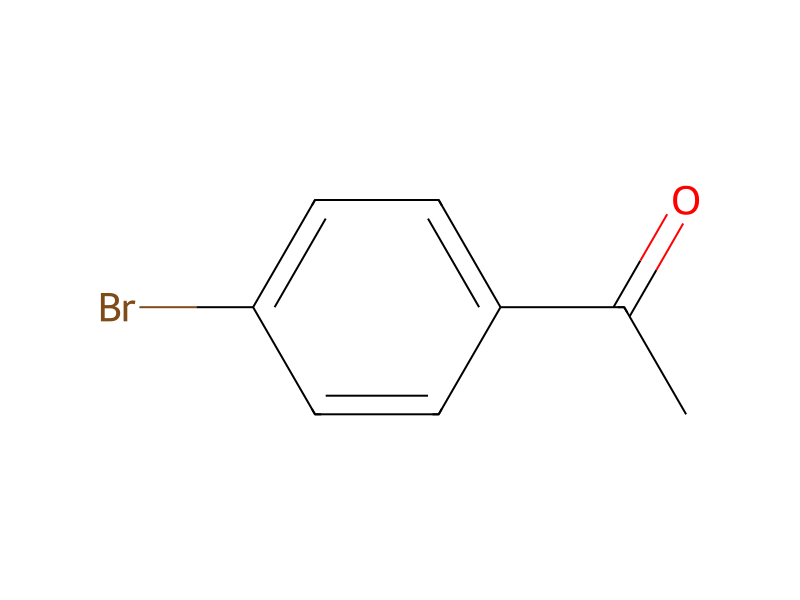
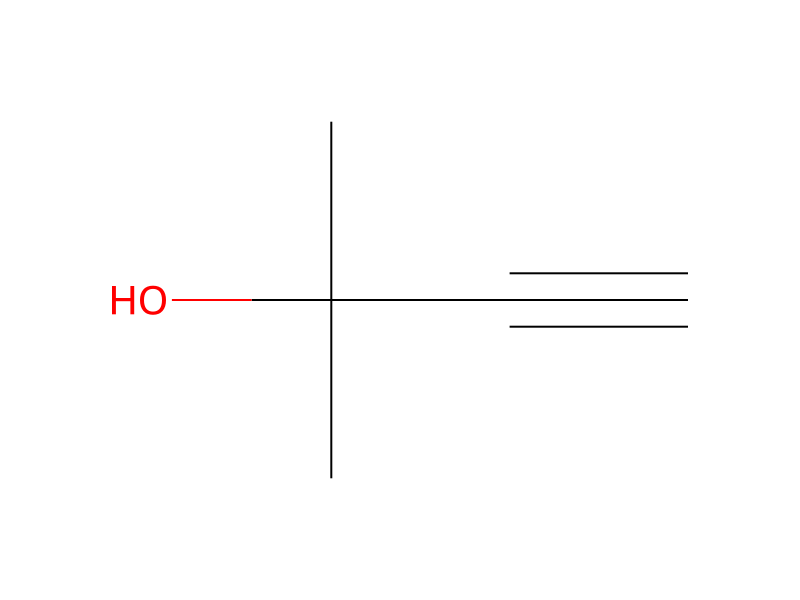
Br[C:2]1[CH:7]=[CH:6][C:5]([C:8](=[O:10])C)=C[CH:3]=1.N1[CH2:16][CH2:15][CH2:14][CH2:13][CH2:12]1.[CH3:17][C:18]([OH:22])(C#C)C.[Cl-].[NH4+]>C1C=CC([P]([Pd]([P](C2C=CC=CC=2)(C2C=CC=CC=2)C2C=CC=CC=2)([P](C2C=CC=CC=2)(C2C=CC=CC=2)C2C=CC=CC=2)[P](C2C=CC=CC=2)(C2C=CC=CC=2)C2C=CC=CC=2)(C2C=CC=CC=2)C2C=CC=CC=2)=CC=1>[CH3:12][C:13]1[C:2]([CH3:3])=[C:7]([C:6]#[C:5][CH2:8][OH:10])[CH:16]=[CH:15][C:14]=1[C:18](=[O:22])[CH3:17]A 30 mL Schlenk tube was replaced with Ar, 1.59 g (8 mmol) of p-bromoacetophenone, 92.4 mg (0.08 mmol) of tetrakis(triphenylphosphine)palladium, 8 mL of piperidine and 853 μL (8.8 mmol) of 2-methyl-3-butyn-2-ol were added and the mixture was stirred at 100° C. for 1 hour. A saturated aqueous ammonium chloride solution was added to the reaction mixture, and then the mixture was extracted with diethyl ether. The extract was dried over magnesium sulfate, followed by distilling off of the solvent under reduced pressure by an evaporator. The resulting crude reaction product was purified by column chromatography (Hexane/AcOEt=5/1) using silica gel to give dimethylhydroxymethyl-4-acetylphenylacetylene, i.e., the desired compound as a viscous yellow liquid. Yield: 1.5 g (yield: 93%).