Dimethylformamide → Ethyl 4-cyano-1-cyclopropyl-1H-indole-6-carboxylate
반응식

[CH:1]1([N:4]2[C:12]3[C:7](=[C:8](OS(C(F)(F)F)(=O)=O)[CH:9]=[C:10]([C:13]([O:15][CH2:16][CH3:17])=[O:14])[CH:11]=3)[CH:6]=[CH:5]2)[CH2:3][CH2:2]1.[CH3:26][N:27](C=O)C>[C-]#N.[Zn+2].[C-]#N>[C:26]([C:8]1[CH:9]=[C:10]([C:13]([O:15][CH2:16][CH3:17])=[O:14])[CH:11]=[C:12]2[C:7]=1[CH:6]=[CH:5][N:4]2[CH:1]1[CH2:3][CH2:2]1)#[N:27]참가 물질
4



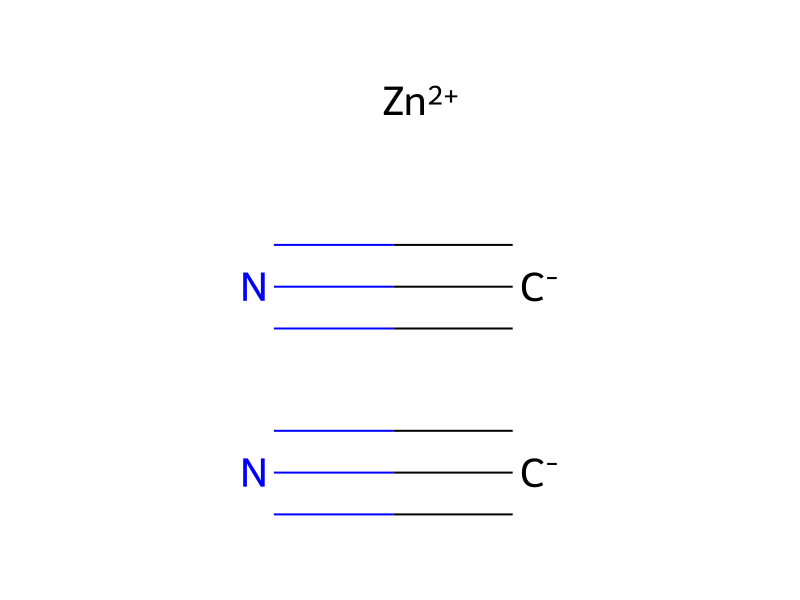
반응 조건
- 온도
- 90 °C
실험 절차
In a 300-mL egg plant-type flask, tetrakistriphenylphosphine palladium (2.31 g, 2.0 mmol) was added to a DMF (50 mL) solution of ethyl 1-cyclopropyl-4-{[(trifluoromethyl)sulfonyl]oxy}-1H-indole-6-carboxylate (7.54 g, 20 mmol) and zinc cyanide (4.70 g, 40 mmol), then purged with nitrogen, and stirred at 90° C. for 1.5 hours. After left cooled, this was diluted with ethyl acetate (100 mL), and aqueous 25% ammonia (50 mL) and water (50 mL) were added thereto, stirred at room temperature for 30 minutes, extracted with ethyl acetate, and washed with water and saturated saline water in that order. The reaction solution was dried with sodium sulfate, filtered, concentrated, and purified through silica gel column chromatography (Biotage [SiO2, 40+M]) with a hexane/ethyl acetate developer system to obtain the title compound as a yellow solid.