Potassium Cyanide → cyclohexyl (S)-8-chloro-11,12,13,13a-tetrahydro-9-oxo-9H-imidazo[1,5-a]pyrrolo[2,1-c][1,4]benzodiazepine-1-carboxylate
HRID 1154447
반응식

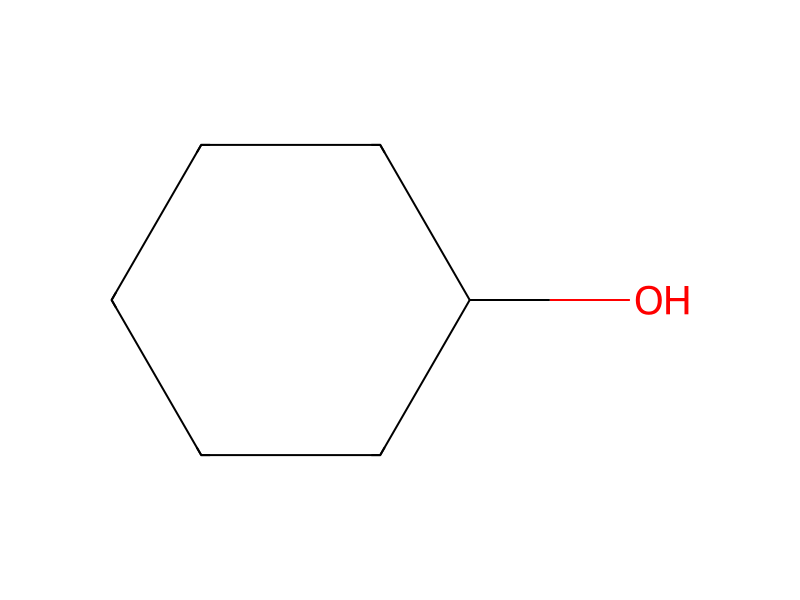
[Cl:1][C:2]1[C:7]2[C:8](=[O:24])[N:9]3[CH2:23][CH2:22][CH2:21][C@H:10]3[C:11]3[N:12]([CH:13]=[N:14][C:15]=3[C:16]([O:18][CH2:19][CH3:20])=[O:17])[C:6]=2[CH:5]=[CH:4][CH:3]=1.[C-]#N.[K+]>C1(O)CCCCC1>[Cl:1][C:2]1[C:7]2[C:8](=[O:24])[N:9]3[CH2:23][CH2:22][CH2:21][C@H:10]3[C:11]3[N:12]([CH:13]=[N:14][C:15]=3[C:16]([O:18][CH:19]3[CH2:4][CH2:3][CH2:2][CH2:7][CH2:20]3)=[O:17])[C:6]=2[CH:5]=[CH:4][CH:3]=1참가 물질
4