Ethylenediamine → HCID 13715489, 화합물
반응식

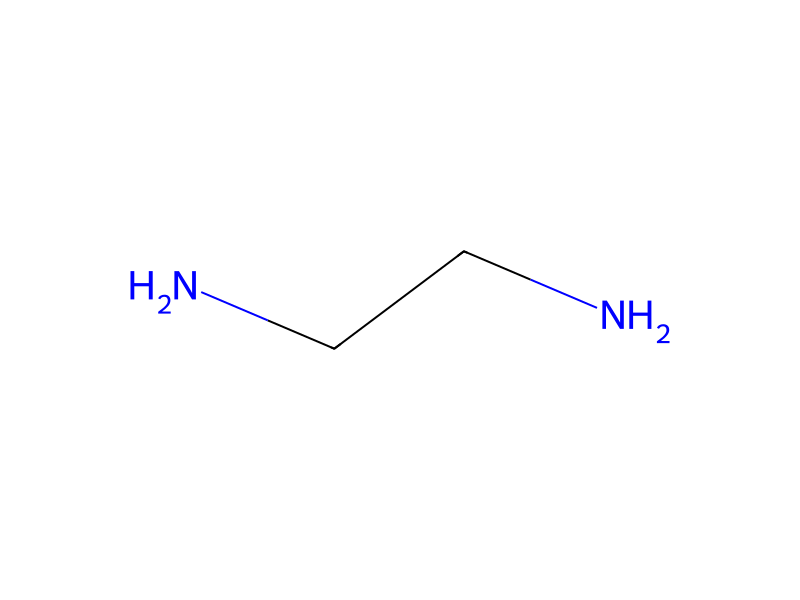
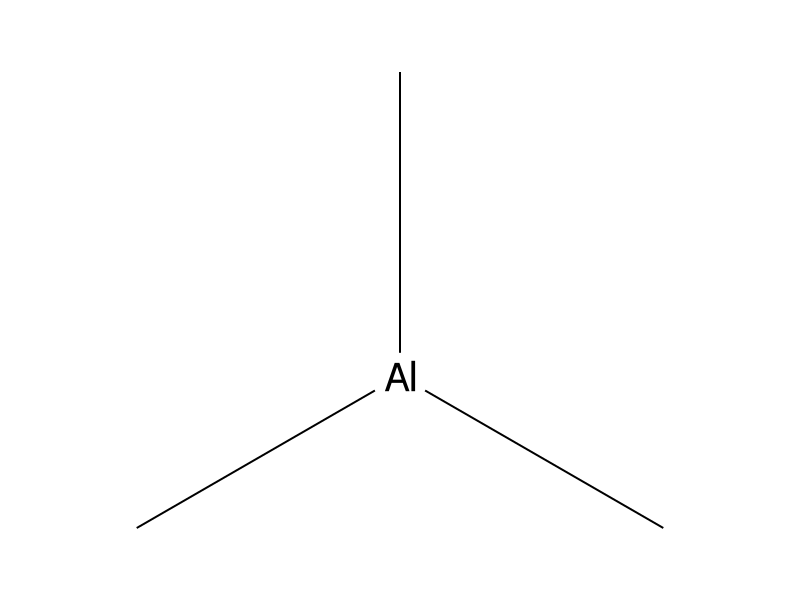
C[Al](C)C.[CH2:5]([NH2:8])[CH2:6][NH2:7].C(O[C:12]([CH:14]1[CH2:22][C:21]2[C:16](=[CH:17][CH:18]=[CH:19][CH:20]=2)[N:15]1[C:23]1[CH:28]=[CH:27][CH:26]=[CH:25][CH:24]=1)=O)C>C1(C)C=CC=CC=1>[NH:7]1[CH2:6][CH2:5][N:8]=[C:12]1[CH:14]1[CH2:22][C:21]2[C:16](=[CH:17][CH:18]=[CH:19][CH:20]=2)[N:15]1[C:23]1[CH:24]=[CH:25][CH:26]=[CH:27][CH:28]=1참가 물질
5



실험 절차
To a stirring solution of 2 molar trimethylaluminum in toluene (13.1 ml) at 10° C. under argon is added ethylenediamine (1.75 ml) dropwise under cooling to maintain a temperature of +10° C. It is allowed to warm to room temperature and then ethyl-2,3-dihydro-1-phenylindole-2-carboxylate (3.5 g) in toluene (15 ml) is added under argon. The whole is heated gradually to reflux and maintained at this temperature under argon for 18 hours. This cooled mixture is quenched in water (40 ml) and treated with methanol (40 ml) and methylene chloride (40 ml). The aqueous layer is separated and extracted further with methylene chloride (3×100 ml). The combined organic extracts are dried over sodium sulfate and concentrated to dryness at reduced pressure. The residue is dissolved in boiling ethyl acetate (150 ml), filtered through sodiumsulfate and concentrated to reduced pressure to a small volume from which yellow solid precipitates. The pure dl-2,3-dihydro-2-(4,5-dihydroimidazol-2-yl)-1-phenylindole, mp. 141°- 144°, is thus obtained.