홈MCP워크벤치Skills
홈워크벤치알림마이페이지
llms.txt · MCP 가이드개인정보처리방침 · 이용약관 · 지원v1.8.3
  1. 홈
  2. /반응

Acetic Acid → Efipladib

HRID 1177668
인쇄

반응식

HRID 1177668 반응식
B(F)(F)F.CC[O:7][CH2:8][CH3:9].[CH:10]([N:23]1[C:31]2[C:26](=[CH:27][C:28]([Cl:32])=[CH:29][CH:30]=2)[CH:25]=[C:24]1[CH2:33][CH2:34][NH:35][S:36]([CH2:39][C:40]1[CH:45]=[CH:44][C:43]([Cl:46])=[C:42]([Cl:47])[CH:41]=1)(=[O:38])=[O:37])([C:17]1[CH:22]=[CH:21][CH:20]=[CH:19][CH:18]=1)[C:11]1[CH:16]=[CH:15][CH:14]=[CH:13][CH:12]=1.C([SiH](CC)CC)C.C(OC(=O)C1[CH:64]=[CH:63][C:62]([CH2:65][CH2:66][CH:67]=O)=[CH:61][CH:60]=1)C.FC(F)(F)C(O)=[O:73].B(F)(F)F.C(=O)(O)[O-].[Na+].[OH-].[Na+].C(O)(=O)C>O.C1(C)C=CC=CC=1.O1CCCC1.C(Cl)Cl>[CH:10]([N:23]1[C:31]2[C:26](=[CH:27][C:28]([Cl:32])=[CH:29][CH:30]=2)[C:25]([CH2:67][CH2:66][CH2:65][C:62]2[CH:63]=[CH:64][C:9]([C:8]([OH:7])=[O:73])=[CH:60][CH:61]=2)=[C:24]1[CH2:33][CH2:34][NH:35][S:36]([CH2:39][C:40]1[CH:45]=[CH:44][C:43]([Cl:46])=[C:42]([Cl:47])[CH:41]=1)(=[O:37])=[O:38])([C:11]1[CH:16]=[CH:15][CH:14]=[CH:13][CH:12]=1)[C:17]1[CH:18]=[CH:19][CH:20]=[CH:21][CH:22]=1
참가 물질반응 조건실험 절차후처리출처 및 근거반응 노트

참가 물질

14

반응물 9

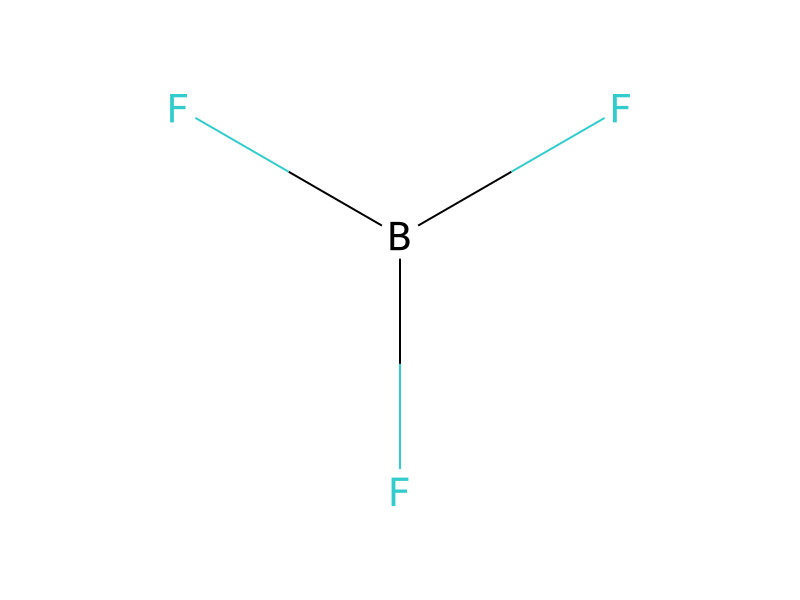
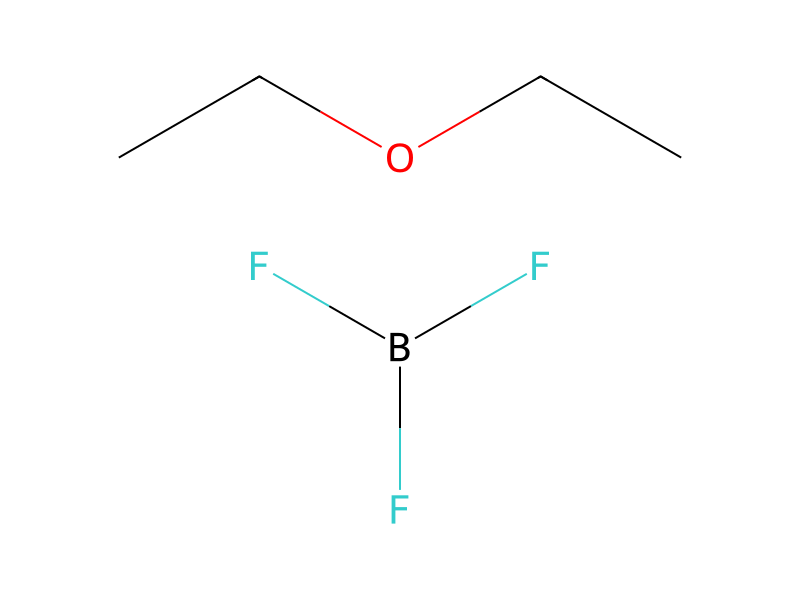
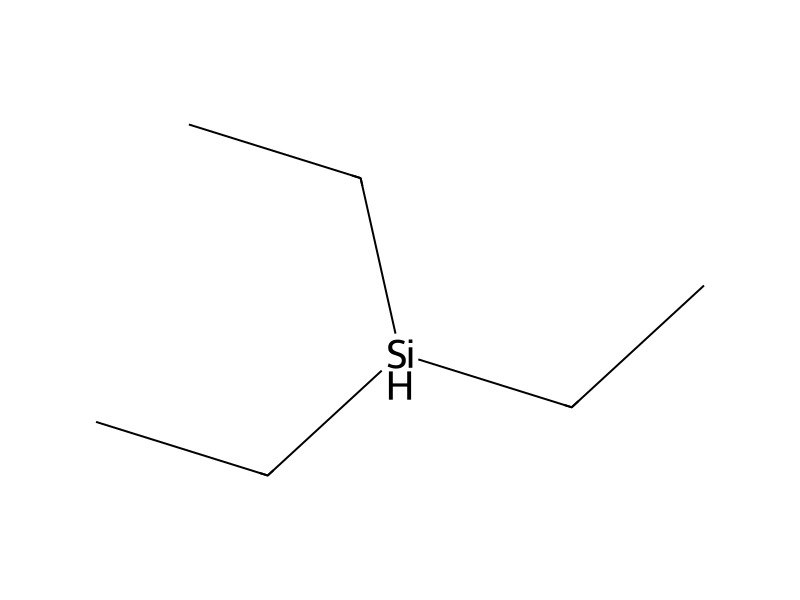
HCID 176Acetic AcidHCID 6356Boron trifluorideHCID 6422Trifluoroacetic acidHCID 8000Boron trifluoride etherateHCID 12052TriethylsilaneHCID 14798Sodium HydroxideHCID 516892Sodium Bicarbonate
HCID 2757377
Ethyl 4-(3-oxopropyl)benzoate
HCID 11204051N-[2-(1-benzhydryl-5-chloro-1H-indol-2-yl)ethyl]-1-(3,4-dichlorophenyl)methanesulfonamide

생성물 1

HCID 9853499Efipladib수율 85.2%

시약·촉매·용매 4

HCID 962Water용매2회HCID 1140Toluene용매HCID 6344Dichloromethane용매2회HCID 8028Tetrahydrofuran용매

반응 조건

온도
-13 °C

실험 절차

A solution of boron trifluoride etherate (50.7 g, 0.357 mol) and methylene chloride (83 mL) was added over 10 min to a stirred, cooled (−20° C.) mixture of N-[2-(1-benzhydryl-5-chloro-1H-indol-2-yl)-ethyl]-C-(3,4-dichloro-phenyl)-methanesulfonamide (275 g, 0.471 mol), triethylsilane (1.42 mol), 4-(3-oxo-propyl)-benzoic acid ethyl ester (213.6 g, 1.04 mol), and methylene chloride (2.6 L). An exotherm was observed and the reaction temperature increased to −13° C. The reaction mixture was cooled to and maintained at −20° C. Trifluoroacetic acid (53.7 g, 0.471 mol) was added to the reaction mixture 30 min after complete addition of boron trifluoride. The reaction mixture was stirred at −20° C. for 2 h. The reaction mixture was added to a stirred solution of sodium bicarbonate (127 g, 1.51 mol) and water (1.37 L). The mixture was filtered through a celite pad and the pad was washed with methylene chloride (50 mL). The layers were separated. The aqueous layer was washed with methylene chloride (200 mL). The combined organic layers were concentrated to 1.1 L at ambient pressure. Ethanol (1.38 L) was added to the mixture. The mixture was concentrated to 1.1 L at ambient pressure. The stirred mixture was cooled to 50° C. and tetrahydrofuran (275 mL) and 50% aqueous sodium hydroxide (188 g, 2.35 mol) was added. The mixture was warmed to reflux for 30 min. The mixture was cooled to 50° C. and toluene (1.38 L), water (225 mL), and acetic acid (141 g, 2.35 mol) was added. The mixture was stirred for 30 min. The mixture was filtered through a celite pad. The layers were separated and the aqueous layer was washed with a solution of tetrahydrofuran and toluene (1/1 v/v, 100 mL). The organic layer was washed consecutively with 3% aqueous sodium bicarbonate (100 ml), saturated sodium chloride (100 mL), and water (2×125 mL). The organic layer was concentrated to 1.1 L at ambient pressure. Toluene (550 mL) was added and the mixture was concentrated to 1.1 L at ambient pressure. The mixture was allowed to cool to room temperature and stirred overnight. Heptane (110 mL) was added to the stirred mixture after precipitation of solid product was observed. The solid product was collected by filtration and washed with cold toluene (2×275 mL). The product was vacuum dried at 66° C. to give 4-{3-[1-benzhydryl-5-chloro-2-(2-{[(3,4-dichlorobenzyl)sulfonyl]amino}ethyl)-1H-indol-3-yl]propyl}benzoic acid (227 g, 65%) with a purity of 99% (as determined by HPLC). The product can be recrystallized from ethanol in 91% recovery. MP 190° C.


후처리

  1. temperaturecooled
  2. temperatureThe reaction mixture was cooled to and
  3. temperaturemaintained at −20° C
  4. filtrationThe mixture was filtered through a celite pad
  5. washthe pad was washed with methylene chloride (50 mL)
  6. customThe layers were separated
  7. washThe aqueous layer was washed with methylene chloride (200 mL)
  8. concentrationThe combined organic layers were concentrated to 1.1 L at ambient pressure
  9. additionEthanol (1.38 L) was added to the mixture
  10. concentrationThe mixture was concentrated to 1.1 L at ambient pressure
  11. temperatureThe stirred mixture was cooled to 50° C.
  12. temperatureThe mixture was warmed
  13. temperatureto reflux for 30 min
  14. temperatureThe mixture was cooled to 50° C.
  15. stirringThe mixture was stirred for 30 min
  16. filtrationThe mixture was filtered through a celite pad
  17. customThe layers were separated
  18. washthe aqueous layer was washed with a solution of tetrahydrofuran and toluene (1/1 v/v, 100 mL)
  19. washThe organic layer was washed consecutively with 3% aqueous sodium bicarbonate (100 ml), saturated sodium chloride (100 mL), and water (2×125 mL)
  20. concentrationThe organic layer was concentrated to 1.1 L at ambient pressure
  21. additionToluene (550 mL) was added
  22. concentrationthe mixture was concentrated to 1.1 L at ambient pressure
  23. temperatureto cool to room temperature
  24. stirringstirred overnight
  25. additionHeptane (110 mL) was added to the stirred mixture
  26. customafter precipitation of solid product
  27. filtrationThe solid product was collected by filtration
  28. washwashed with cold toluene (2×275 mL)
  29. customdried at 66° C.

출처 및 근거

ORD 기록
ord-0df7fbfa6ab14813a4d6a074eef9e394
출처 데이터셋
uspto-grants-2010_11
DOI
10.6084/m9.figshare.5104873.v1
특허 번호
US07842837B2

반응 노트

이 페이지에서참가 물질반응 조건실험 절차후처리출처 및 근거반응 노트