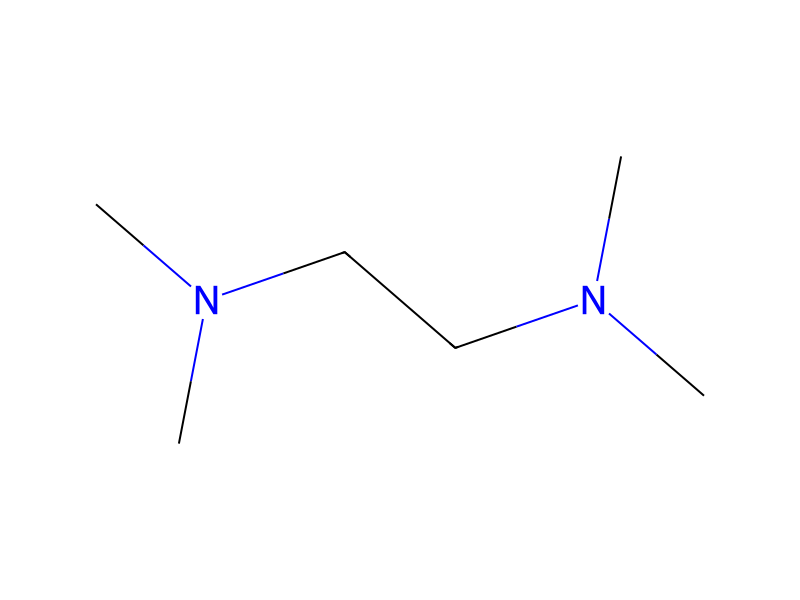
The reaction apparatus was baked out, and the reaction was effected under argon and was stirred. 15 g (65.6 mmol) of tert-butyl (6-chloropyridin-2-yl)carbamate (Example 1A) and 19 g (164 mmol) of 1,2-bis(dimethylamino)ethane were initially charged in 270 ml of THF and cooled to −78° C. 102.5 ml (164 mmol) of butyllithium (1.6 N) were added dropwise. After the dropwise addition had ended, the reaction was warmed gradually to −10° C. and kept at −10° C. for 2 h. Then it was cooled again to −78° C., and 10 ml (131 mmol) of DMF were added. The reaction was warmed gradually to RT and the reaction mixture was added to 1 l of ethyl acetate and 350 ml of 1 N hydrochloric acid, the mixture was stirred for 15 min and the organic phase was removed. It was washed with water and saturated sodium hydrogencarbonate solution, dried over magnesium sulphate and concentrated on a rotary evaporator. The residue was admixed with diethyl ether, and the solids were filtered off with suction and dried. 12.3 g (73% of theory) of the product were obtained in solid form.