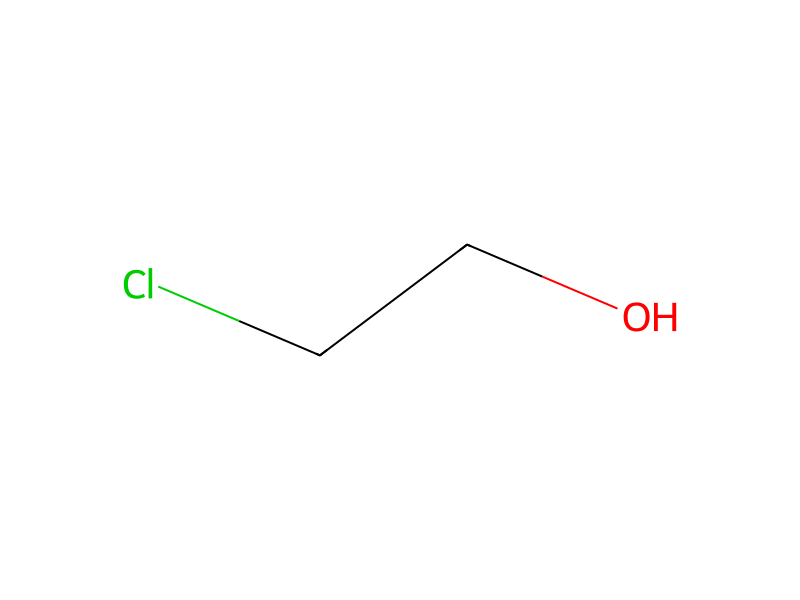
A solution of chlorosulfonyl isocyanate (1.41 g, 10 mmol) in dichloromethane (5 mL) was treated with 2-chloroethanol (810 mg, 10 mmol) and stirred for 10 min at rt. The resulting solution was stored at ˜5° C.; aliquots were used as required. For example a solution of 4-n-octylaniline (2.05 g, 10 mmol) and triethylamine (1.54 mL, 11 mmol) in dichloromethane (20 mL) at 0° C. was treated dropwise with the solution of sulfamoyl chloride prepared as described above. After the addition was complete, the resulting mixture was stirred for 60 min at 0° C. and diluted with dichloromethane (40 mL). The dichloromethane solution was washed with 0.1 N HCl (20 mL), dried (Na2SO4) and concentrated to reduce the volume. The resultant white precipitate was collected by suction filtration to give the title compound (1.60 g) as white solid. Further concentration of the filtrate yielded an additional batch (1.02 g) as white solid. Total yield was 2.62 g (67%). 1H NMR (400 MHz, CDCl3) δ 7.21 (s, 1H), 7.20-7.10 (m, 4H), 7.11 (s, 1H), 4.46 (s, 2H), 3.71 (s, 2H), 2.60 (t, 2H, J=6.8 Hz), 1.58 (s, 2H), 1.37-1.20 (m, 10H), 0.88 (t, 3H, J=6.4 Hz).