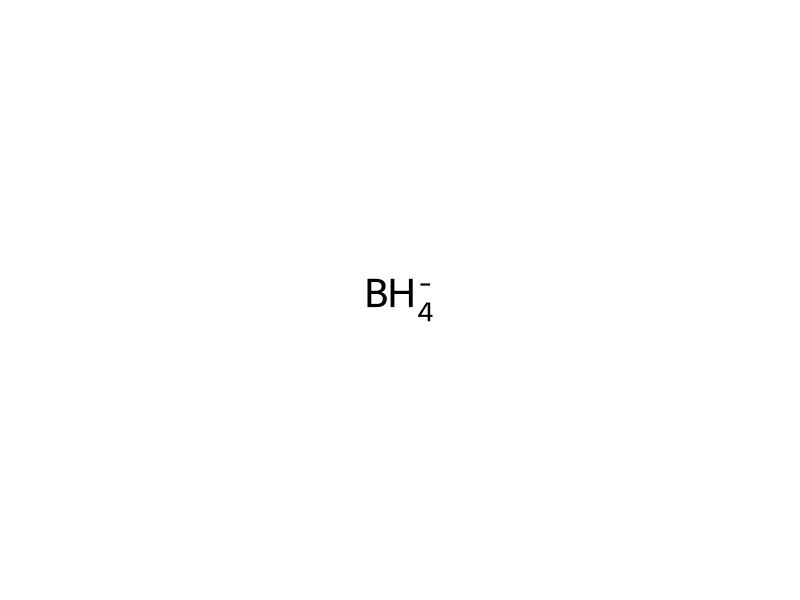
179.0 g (0.5737 mole) of 1-(2-(2,4-dichlorophenyl)-2-(3-hydroxypropylimino)ethyl)-1H-imidazole are dissolved in 300 ml of methanol, the solution is cooled to 0° C., and 50.0 g (1.322 mole) of sodium borohydride are added in portions in such a way that the temperature does not rise above 5° C. After the borohydride has been added, the reaction mixture is stirred at room temperature for a further 2 hours, then evaporated to dryness, and the pH is adjusted to 1 with half-concentrated hydrochloric acid. Subsequently, the reaction solution is adjusted to a pH of about 12 with 40% strength sodium hydroxide solution, and is extracted several times with dichloromethane. After the combined organic extracts have been washed with water and dried, and the solvent has been removed in vacuo, 169 g of crude product are obtained as an oil. Recrystallization of the oil from acetone results in 107 g of pure 1-(2-(2,4-dichlorophenyl)-2-(3-hydroxypropylamino)ethyl)-1H-imidazole of melting point 77°-79° C. (Yield: 51%).