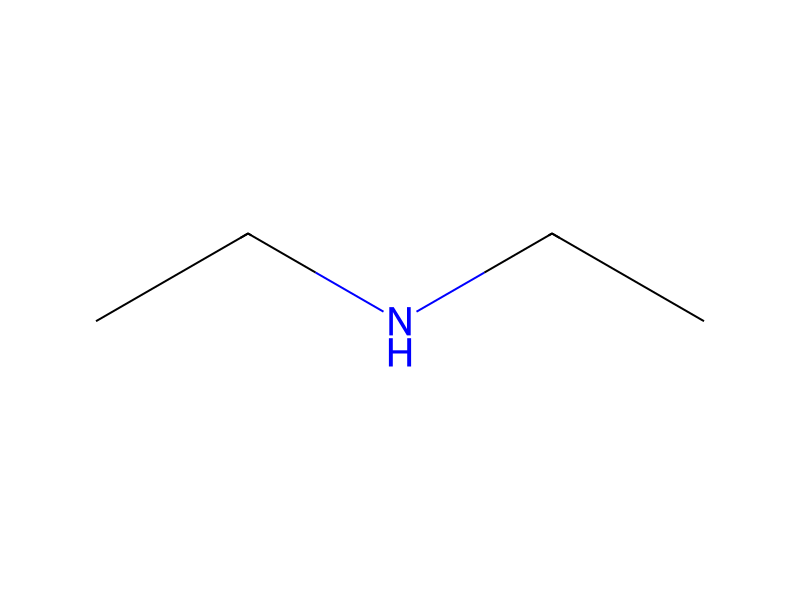
[C:1]12([CH2:11][NH:12][C:13](=[O:22])[C:14]3[C:19]([Cl:20])=[CH:18][N:17]=[C:16](Br)[CH:15]=3)[CH2:10][CH:5]3[CH2:6][CH:7]([CH2:9][CH:3]([CH2:4]3)[CH2:2]1)[CH2:8]2.[CH2:23]([OH:26])[C:24]#[CH:25]>[Cu]I.C(NCC)C>[C:1]12([CH2:11][NH:12][C:13](=[O:22])[C:14]3[C:19]([Cl:20])=[CH:18][N:17]=[C:16]([C:25]#[C:24][CH2:23][OH:26])[CH:15]=3)[CH2:10][CH:5]3[CH2:6][CH:7]([CH2:9][CH:3]([CH2:4]3)[CH2:2]1)[CH2:8]2A mixture of N-(1-adamantylmethyl)-2-bromo-5-chloroisonicotinamide (Example 1(ii)) (0.96 g), propargyl alcohol (0.16 g), copper (I) iodide, bis-triphenylphosphine palladium is dichloride (0.035 g) and diethylamine (10 ml) was stirred together at room temperature for 20 hours. The mixture was concentrated and the residue partitioned between ethyl acetate and 1M aqueous hydrochloric acid solution (2×25 ml) and the mixture was extracted into ethyl acetate (3×25 ml). The combined extracts were dried over anhydrous magnesium sulfate, filtered and concentrated. The residue was purified by chromatography on silica gel eluting with ethyl acetate:iso-hexane (1:4 to 1:1) and then ethyl acetate to afford the sub-titled compound (0.48 g) as an oil.