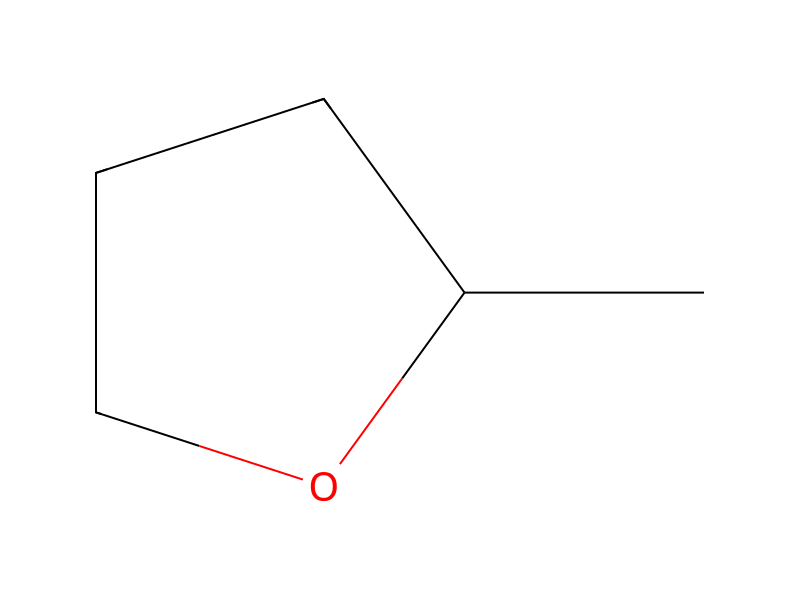
CC1C=CC(S(O)(=O)=O)=CC=1.[CH2:12]([NH:19][CH2:20][C@@H:21]1[O:34][C:25]2=[C:26]3[C:30](=[CH:31][CH:32]=[C:24]2[O:23][CH2:22]1)[NH:29][C:28](=[O:33])[CH2:27]3)[C:13]1[CH:18]=[CH:17][CH:16]=[CH:15][CH:14]=1.[OH-].[Na+]>CC1CCCO1.C(O)C>[CH2:12]([NH:19][CH2:20][C@@H:21]1[O:34][C:25]2=[C:26]3[C:30](=[CH:31][CH:32]=[C:24]2[O:23][CH2:22]1)[NH:29][C:28](=[O:33])[CH2:27]3)[C:13]1[CH:14]=[CH:15][CH:16]=[CH:17][CH:18]=1(2S)-2-[(benzylamino)methyl]-2,3,8,9-tetrahydro-7H-[1,4]dioxino[2,3-e]indol-8-one 4-methylbenzenesulfonate (0.75 g, 1.54 mmol) is suspended in 2-methyl tetrahydrofuran (10 mL), 1 N NaOH is added until the solids dissolve and the pH of the aqueous phase is 10 (pH paper), about 1.6 mL is required. The aqueous layer is removed, and the organic phase is washed with water (2×2 mL). The volatiles are removed by rotary evaporation to give a yellow syrup. The syrup is dissolved in absolute ethanol (3 mL) and evaporated to dryness. Absolute ethanol (3 mL) is added to the residue and removed by rotary evaporation to give crude (2S)-2-[(benzylamino)methyl]-2,3,8,9-tetrahydro-7H-[1,4]dioxino[2,3-e]indol-8-one as a yellow syrup which is carried directly into the next step.