반응식

[C:1]([O:6][C:7]1([CH2:17][CH3:18])[CH:14]2[CH2:15][CH:10]3[CH2:11][CH:12]([CH2:16][CH:8]1[CH2:9]3)[CH2:13]2)(=[O:5])[C:2]([CH3:4])=[CH2:3].C([O:22][C:23]1[CH:30]=[CH:29][C:26]([CH:27]=[CH2:28])=[CH:25][CH:24]=1)(=O)C.CO.C(O)(=O)C>CN(C)C1C=CN=CC=1.O>[C:1]([O:6][C:7]1([CH2:17][CH3:18])[CH:8]2[CH2:16][CH:12]3[CH2:11][CH:10]([CH2:15][CH:14]1[CH2:13]3)[CH2:9]2)(=[O:5])[C:2]([CH3:4])=[CH2:3].[OH:22][C:23]1[CH:30]=[CH:29][C:26]([CH:27]=[CH2:28])=[CH:25][CH:24]=1참가 물질
7


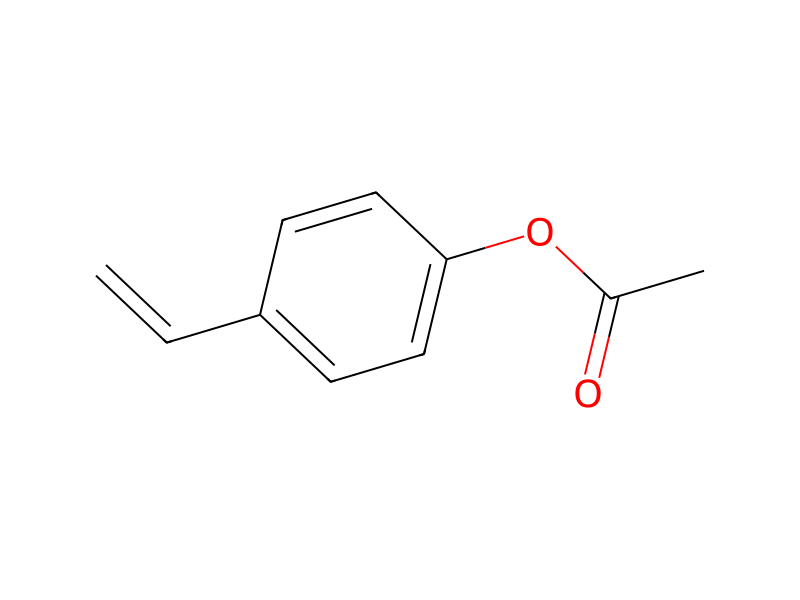




실험 절차
Into a flask were charged 250 g of the copolymer of 2-ethyl-2-adamantyl methacrylate and p-acetoxystyrene (20:80) obtained in Synthesis Example 3, 10.3 g (0.084 mol) of 4-dimethylaminopyridine and 202 g of methanol, and aged for 20 hours under reflux. After cooling, the reaction liquid was neutralized with 7.6 g (0.126 mol) of glacial acetic acid and poured into a large amount of water to precipitate a polymer. The deposited polymer was filtrated, dissolved in acetone, then, poured into a large amount of water to cause precipitation, and this operation was repeated three times in total for purification.
후처리
- temperatureunder reflux
- temperatureAfter cooling
- customthe reaction liquid
- customto precipitate a polymer
- filtrationThe deposited polymer was filtrated
- dissolutiondissolved in acetone
- additionpoured into a large amount of water
- customprecipitation
- customtotal for purification
출처 및 근거
- ORD 기록
- ord-b4bc4c4c1f984d2b85579eace7e62e4e
- 출처 데이터셋
- uspto-grants-2007_04
- 특허 번호
- US07202010B2
연결된 노트
불러오는 중…