Phenyl Isothiocyanate → 4-Cyclohexyl 2-phenylthiocarbamoyl cyclohexanone
반응식

C1(C2CCC(N3CC[O:16]CC3)=CC2)CCCCC1.C1(N=C=S)C=CC=CC=1.[CH:28]1([CH:34]2[CH2:39][CH2:38][C:37](N3CCOCC3)=[C:36]([C:46](=[S:54])[NH:47][C:48]3[CH:53]=[CH:52][CH:51]=[CH:50][CH:49]=3)[CH2:35]2)[CH2:33][CH2:32][CH2:31][CH2:30][CH2:29]1>>[CH:28]1([CH:34]2[CH2:39][CH2:38][C:37](=[O:16])[CH:36]([C:46](=[S:54])[NH:47][C:48]3[CH:53]=[CH:52][CH:51]=[CH:50][CH:49]=3)[CH2:35]2)[CH2:33][CH2:32][CH2:31][CH2:30][CH2:29]1참가 물질
4
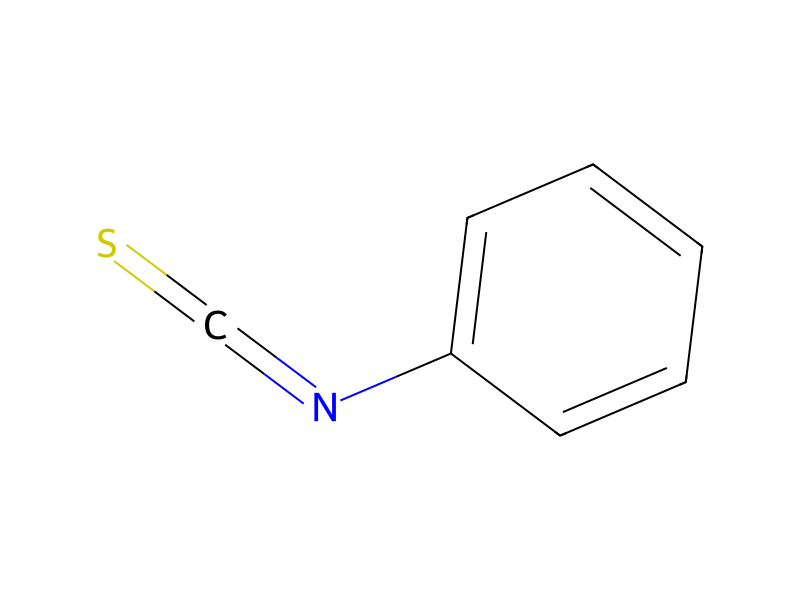


실험 절차
Using the procedure of example 1 and starting from 9.2 g of 4-cyclohexyl 1-morpholyl cyclohex-1 ene and from 5 g phenyl isothiocyanate 7.8 g of 4-cyclohexyl 2-phenylthiocarbamoyl 1-morpholyl cyclohex-1 ene are obtained, melting at 143°. Acid hydrolysis of 7 g of 4-cyclohexyl 2-phenylthiocarbamoyl 1-morpholyl cyclohex- 1 ene gives 4.5 g of 4-cyclohexyl 2-phenylthiocarbamoyl cyclohexanone which melts at 150° .
후처리
- customare obtained
출처 및 근거
- ORD 기록
- ord-914beedd92da42558ef712283be20d67
- 출처 데이터셋
- uspto-grants-1976_08
- 특허 번호
- US03978044
반응 노트
불러오는 중…