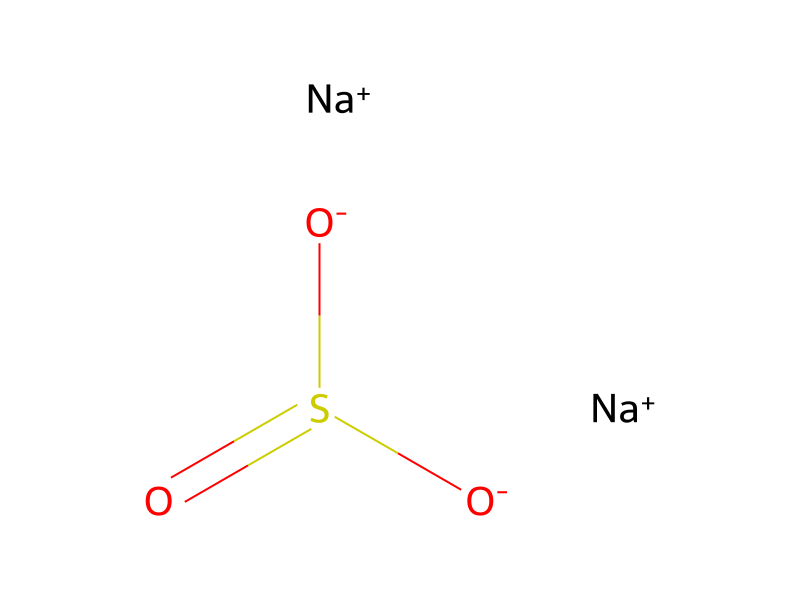
Part B: 2-[6-(4-Iodo-phenyl)-7-oxo-3-trifluoromethyl-4,5,6,7-tetrahydro-pyrazolo[3,4-c]pyridin-1-yl]-5-methoxy-benzoic acid methyl ester (2.00 g, 3.50 mmol), 2-(methylthio)phenylboronic acid (647 mg, 3.85 mmol), bis(triphenylphosphine)palladium(II) chloride (122 mg, 0.175 mmol), tetrabutylammonium bromide (56 mg, 0.175 mmol), and sodium carbonate (1.11 g, 10.5 mmol) were combined, the flask purged with argon and degassed benzene (50 mL) and water (5 mL) were added. The flask was heated to reflux for 14 h, cooled to ambient temperature, and poured into ethyl acetate/water. The phases were separated and the aqueous phase extracted once with ethyl acetate. The organic phases were combined, dried over sodium sulfate, filtered, and evaporated. The crude 5-methoxy-2-[6-(2′-methylsulfanyl-biphenyl-4-yl)-7-oxo-3-trifluoromethyl-4,5,6,7-tetrahydro-pyrazolo[3,4-c]pyridin-1-yl]-benzoic acid methyl ester was dissolved in dichloromethane (50 mL) and meta-chloroperbenzoic acid (2.41 g, 70%, 9.8 mmol) was added as a solid. Upon completion the reaction was poured into water (50 mL), and sodium sulfite was added until the aqueous layer tested negative to starch/potassium iodide paper. The phases were separated, and the organic was washed once with sodium bicarbonate, dried over sodium sulfate, filtered, and evaporated. The solid was subjected to silica gel column chromatography to yield 2-[6-(2′-methanesulfonyl-biphenyl-4-yl)-7-oxo-3-trifluoromethyl-4,5,6,7-tetrahydro-pyrazolo[3,4-c]pyridin-1-yl]-5-methoxy-benzoic acid methyl ester (1.70 g, 81%) as a colorless solid. This material (1.69 g, 2.81 mmol) was stirred in dioxane (15 mL) and 10% sodium hydroxide (15 mL). The reaction was acidified with concentrated hydrochloric acid to pH 3 and extracted with ethyl acetate (3×10 mL). The combined extracts were washed with water (5×10 mL), dried over sodium sulfate, filtered, and evaporated. 2-[6-(2′-Methanesulfonyl-biphenyl-4-yl)-7-oxo-3-trifluoromethyl-4,5,6,7-tetrahydro-pyrazolo[3,4-c]pyridin-1-yl]-5-methoxy-benzoic acid was isolated as a colorless solid in nearly quantitative yield. This material (59.2 mg, 0.101 mmol) was dissolved in dry chloroform (3 mL) to which was added thionyl chloride (37 μL, 0.505 mmol), and the reaction heated to reflux. The solvent was evaporated, and the residue dried under vacuum to give 2-[6-(2′-methanesulfonyl-biphenyl-4-yl)-7-oxo-3-trifluoromethyl-4,5,6,7-tetrahydro-pyrazolo[3,4-c]pyridin 1-yl]-5-methoxy-benzoyl chloride.