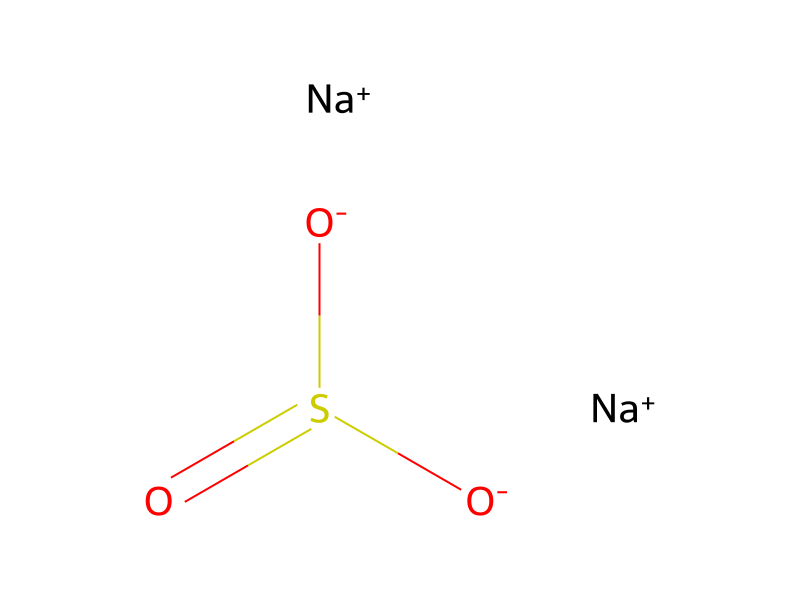
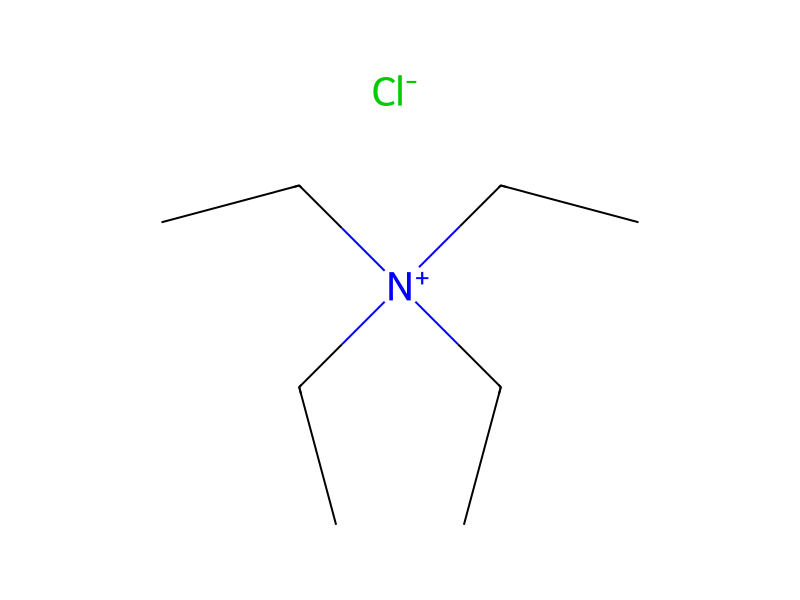
A mixture of 1 g of 2-benzyl-6-(2-ethoxyethyl)oxypyridine, 125 mg of tetraethylammonium chloride and 279 mg of potassium hydroxide was suspended in 5 ml of an aqueous potassium bromide solution (2.5 g of potassium bromide was dissolved in 10 ml of water). Into the suspension was added dropwise a mixture of 0.23 ml of bromine and 5 ml of the aforementioned aqueous potassium bromide solution by using a dropping funnel with stirring under ice-cooling over 10 minutes. The mixture was returned to room temperature and stirred overnight. Then, an aqueous sodium sulfite solution was added thereto, and the mixture was extracted with ethyl acetate. The organic phase was further washed with brine, dried over anhydrous sodium sulfate and the solvent was removed. The residue was subjected to silica gel column chromatography using 5% ethyl acetate/hexane as an eluent for separation and purification, to give 1.2 g of the target compound.