Trimethyltin chloride → 3-(3,5-Dimethylphenyl)-9-trimethylstannylacridine
HRID 1365091
반응식

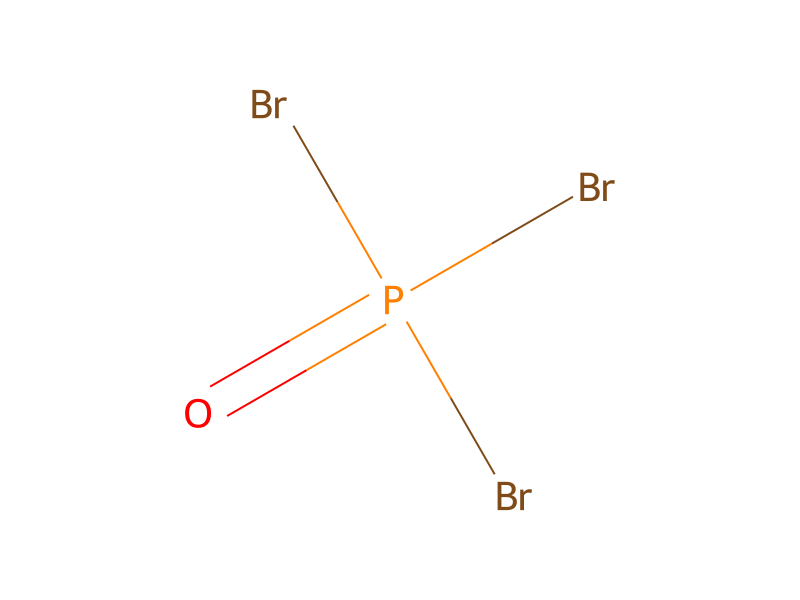
Br[C:2]1[C:3]2[C:8]([N:9]=[C:10]3[C:15]=1[CH:14]=[CH:13][C:12]([C:16]1[CH:21]=[C:20]([CH3:22])[CH:19]=[C:18]([CH3:23])[CH:17]=1)=[CH:11]3)=[CH:7][CH:6]=[CH:5][CH:4]=2.P(Br)(Br)(Br)=O.[CH3:29][Sn:30](Cl)([CH3:32])[CH3:31]>>[CH3:23][C:18]1[CH:17]=[C:16]([C:12]2[CH:13]=[CH:14][C:15]3[C:10]([CH:11]=2)=[N:9][C:8]2[C:3](=[CH:4][CH:5]=[CH:6][CH:7]=2)[C:2]=3[Sn:30]([CH3:32])([CH3:31])[CH3:29])[CH:21]=[C:20]([CH3:22])[CH:19]=1참가 물질
4



실험 절차
FIG. 38 depicts the synthesis of 1,8-bis(3,3′-(3,5-dimethylphenyl)-9,9′-diacridyl)naphthalene (32). Suzuki coupling of commercially available 3-bromoaniline, 25, and 3,5-dimethylboronic acid afforded 3-(3,5-dimethyl-phenyl)aniline, 26, in high yields. Treatment of 26 with 2-chlorobenzoic acid 27 gave N-3-(3,5-dimethylphenyl)anthranilic acid, 28, which was converted to 9-bromo-3-(3,5-dimethylphenyl)acridine, 29, using phosphorous oxybromide. Lithiation of 29 at −78° C. followed by stannylation with trimethylstannyl chloride resulted in the formation of 3-(3,5-dimethylphenyl)-9-trimethylstannylacridine, 30, in high yields. Employing stannane 30 and 1,8-dibromonaphthalene 31 in a CuO-promoted Stille coupling yielded 1,8-bis(3,3′-(3,5-dimethylphenyl)-9,9′-diacridyl)naphthalene, 32. We were pleased to find that the anti-isomers of 32 can be separated on a WhelkO-1 column. The CD spectra of the enantiomers of 32 are shown in FIG. 39.