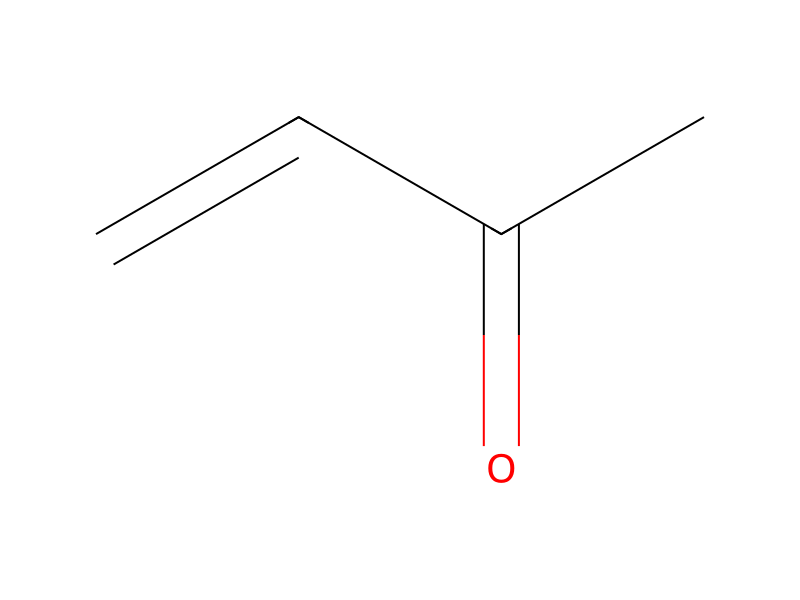
[CH3:1][O:2][C:3]1[C:9]([O:10][CH3:11])=[CH:8][C:6]([NH2:7])=[C:5]([N+:12]([O-:14])=[O:13])[CH:4]=1.[As](=O)(O)(O)O.P(=O)(O)(O)O.[CH:25]([C:27]([CH3:29])=O)=[CH2:26].C>>[CH3:11][O:10][C:9]1[C:3]([O:2][CH3:1])=[CH:4][C:5]([N+:12]([O-:14])=[O:13])=[C:6]2[C:8]=1[C:27]([CH3:29])=[CH:25][CH:26]=[N:7]2A mixture of 4,5-dimethoxy-2-nitroaniline (3.96 g, 0.02 mol), arsenic acid (5.68 g, 0.04 mol) and 85% phosphoric acid (20 mL) was placed in a three-neck flask fitted with a thermometer and a dropping funnel. The reaction mixture was warmed to 100° (internal) with stirring and methyl vinyl ketone (2.1 g, 0.03 mol) was added at such a rate that the temperature was maintained at 100°±2°. After all the ketone was added, the mixture was stirred at 100° for an additional 30 min. The dark solution was poured into ice water (100 mL), treated with charcoal (Norit) and filtered. The filtrate was made alkaline (NH4OH) and extracted with chloroform. The extract was washed with water, dried (K2CO3), the solvent was evaporated and the dark residue was refluxed with benzene (100 mL). Insoluble tar was removed by filtration. The orange filtrate was concentrated to ca. 10 mL, placed on a silica gel column and eluted with benzene (ca. 2 L). The solvent was evaporated and the residue was recrystallized (×2) from methanol to give 1.3 g (30%) of the title compound, mp 123°-125°.