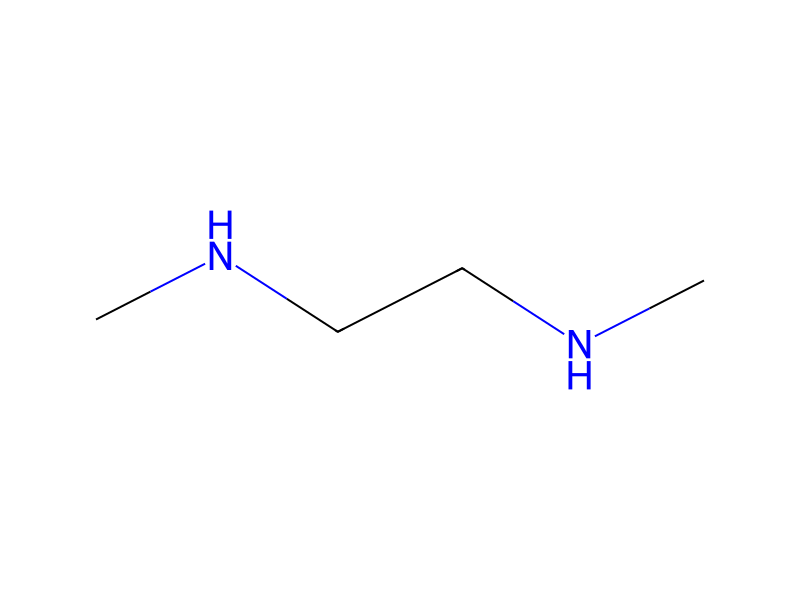
[C:1]1(=[O:14])[C:6]2=[CH:7][C:8]3[CH2:9][CH2:10][CH2:11][CH2:12][C:13]=3[N:5]2[CH2:4][CH2:3][NH:2]1.Br[C:16]1[C:21]([C:22]2([OH:26])[CH2:25][O:24][CH2:23]2)=[C:20]([Cl:27])[CH:19]=[CH:18][N:17]=1.CNCCNC.CC([O-])=O.[K+]>[Cu]I.O1CCOCC1>[Cl:27][C:20]1[CH:19]=[CH:18][N:17]=[C:16]([N:2]2[CH2:3][CH2:4][N:5]3[C:13]4[CH2:12][CH2:11][CH2:10][CH2:9][C:8]=4[CH:7]=[C:6]3[C:1]2=[O:14])[C:21]=1[C:22]1([OH:26])[CH2:25][O:24][CH2:23]1A 100 mL single-neck round-bottomed flask equipped with a magnetic stirrer was charged with 3,4,6,7,8,9-hexahydropyrazino[1,2-a]indol-1(2H)-one 101e (190 mg, 1.0 mmol), 148a (795 mg, 3.0 mmol), CuI (95 mg, 0.5 mmol), DMEDA (88 mg, 1.0 mmol), KOAc (294 mg, 3.0 mmol), and 1,4-dioxane (50 ml). The system was evacuated and then refilled with N2. A reflux condenser was attached to the flask, and the reaction mixture was heated at 85° C. for 15 h. Then, the mixture was cooled to room temperature and filtered. The filtrate was concentrated under reduced pressure and the resulting residue was purified by flash column chromatography eluting with 2:1 petroleum ether/ethyl acetate to afford 148b as a yellow solid (156 mg, 42%). MS: [M+H] 374.2.
불러오는 중…