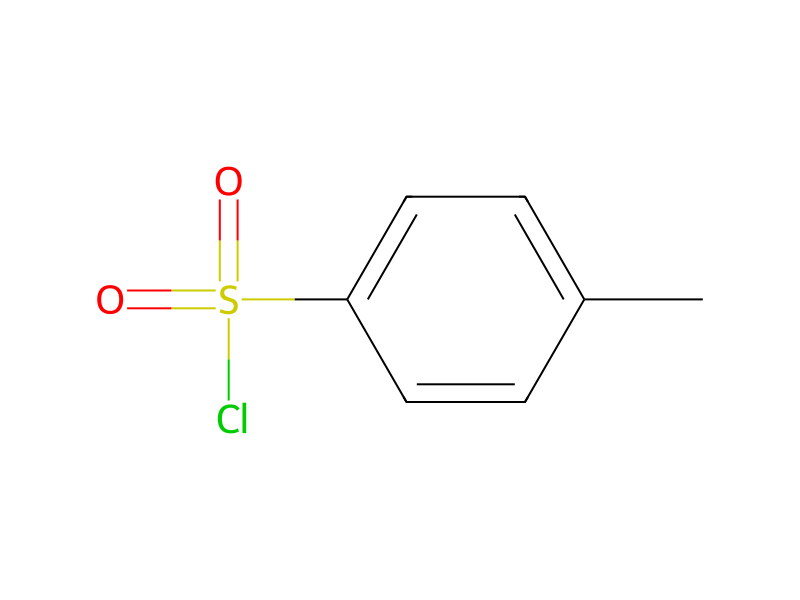
Br.[NH2:2][C@H:3]([C:5]([N:7]1[CH2:20][CH2:19][CH2:18][C@H:8]1[C:9]([NH:11][C:12]1[CH:17]=[CH:16][CH:15]=[CH:14][CH:13]=1)=[O:10])=[O:6])[CH3:4].[OH-].[Na+].[C:23]1([CH3:33])[CH:28]=[CH:27][C:26]([S:29](Cl)(=[O:31])=[O:30])=[CH:25][CH:24]=1>ClCCl>[C:23]1([CH3:33])[CH:28]=[CH:27][C:26]([S:29]([NH:2][C@H:3]([C:5]([N:7]2[CH2:20][CH2:19][CH2:18][C@H:8]2[C:9]([NH:11][C:12]2[CH:13]=[CH:14][CH:15]=[CH:16][CH:17]=2)=[O:10])=[O:6])[CH3:4])(=[O:31])=[O:30])=[CH:25][CH:24]=11.71 g (0.005 mol) of L-alanyl-L-proline anilide hydrobromide were suspended in 20 ml of dichloromethane. To the suspension were added 22 ml of 0.5-N sodium hydroxide solution followed by 1.05 g (1.1 equivalents) of p-toluenesulphonyl chloride. The mixture was stirred vigorously for 90 minutes. 50 ml of dichloromethane were added, the organic layer was separated, washed with 50 ml of brine, dried over magnesium sulphate and evaporated to an oil which crystallised upon the addition of petroleum ether. The solid was filtered off, washed with petroleum ether and dried to yield 1.94 g (93%) of N-(p-toluenesulphonyl)-L-alanyl-L-proline anilide of melting point 145°-147° C.; [α]D20 =-126.2° (c=1.00% in glacial acetic acid).