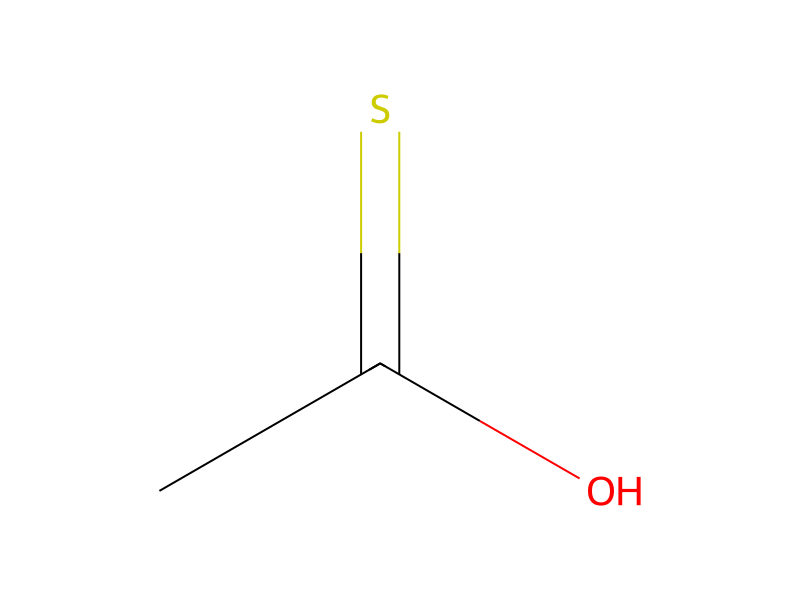
Triphenylphosphine (3.99 g, 15.2 mmol) was dissolved in dry tetrahydrofuran (78 ml), followed by cooling to 0° C. under cooling with ice. Further, diisopropyl azodicarboxylate (DIAD (2.99 ml, 15.2 mmol)) was dropped thereinto under stirring. Thirty minutes thereafter, a solution of a mixture of thioacetic acid (1.25 ml, 17.8 mmol) with diphenylmethyl 3-(4-fluorophenyl)lactate (4.0 g, 11.4 mmol) obtained in the Synthesis Example F-1 in dry tetrahydrofuran (45 ml) was dropped thereinto. The mixture was allowed to react at 0° C. for 3 hours. Then the ice bath was removed and the reaction mixture was warmed to room temperature and allowed to react at this temperature overnight. Next, this reaction mixture was concentrated under reduced pressure. The residue thus obtained was separated by silica gel column chromatography (hexane:ethyl acetate=6:1) to thereby give a crude product (4.7 g). This crude product was recrystallized from diisopropyl ether and hexane (20 ml-30 ml). The solid thus precipitated was removed by filtration and the filtrate was concentrated under reduced pressure to thereby give the title compound (3.54 g, 76%) as an oily product.